Are Online Catalogs Replacing Physical Sample Bags in the Footwear Industry?

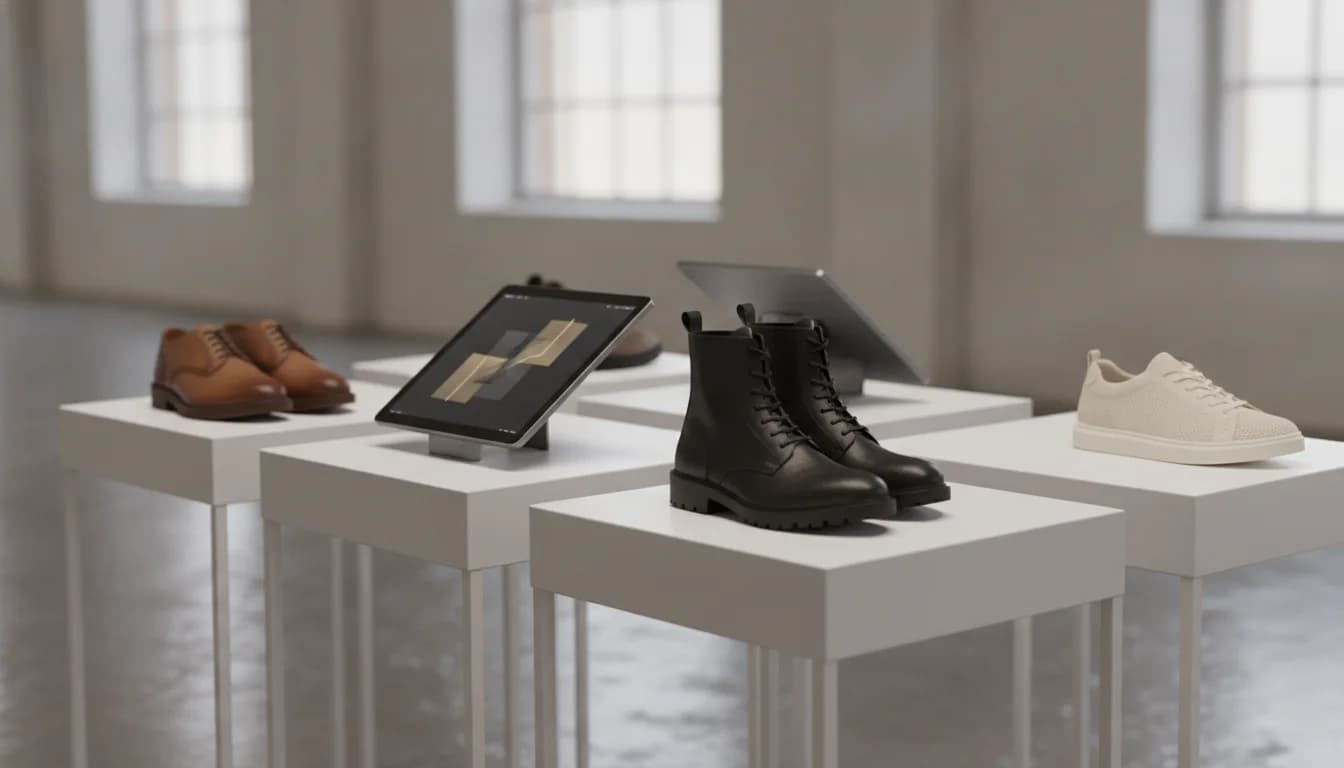
The traditional 'sample bag' era in footwear wholesale is giving way to digital showrooms and online B2B platforms. How do digital catalogs, offering real-time stock information, rich product visuals, and operational efficiency, position themselves against the logistical challenges and limited product ranges of physical samples? We examine the strategic advantages this transformation brings for buyers and suppliers and explore the industry's future.
When talking about wholesale purchasing in the footwear industry for many years, the first image that came to mind was sales representatives traveling city to city, carrying heavy sample bags on their shoulders, knocking on store doors. This traditional model, known as the “sample bag” approach, represented a commerce model based on personal relationships where products were experienced by touch and feel. However, the pace of digitalization is fundamentally shaking this long-standing habit. Today, online catalogs that fit thousands of models onto a tablet or smartphone are redefining the experience and efficiency once offered by physical sample bags. So, does this technological evolution truly signal the end of physical samples, or will both worlds coexist?
Traditional Wholesale: The Legacy and Limitations of Physical Sample Bags
Physical sample bags were the cornerstone of footwear wholesale. This method allowed buyers to see the product firsthand, touch the material, inspect stitching quality, and test flexibility. This tangible experience was an indispensable trust factor especially for boutique owners who prioritized quality and detail. The face-to-face dialogue with the sales representative was not just a sales transaction but also an exchange of market knowledge and the beginning of a long-term business partnership.
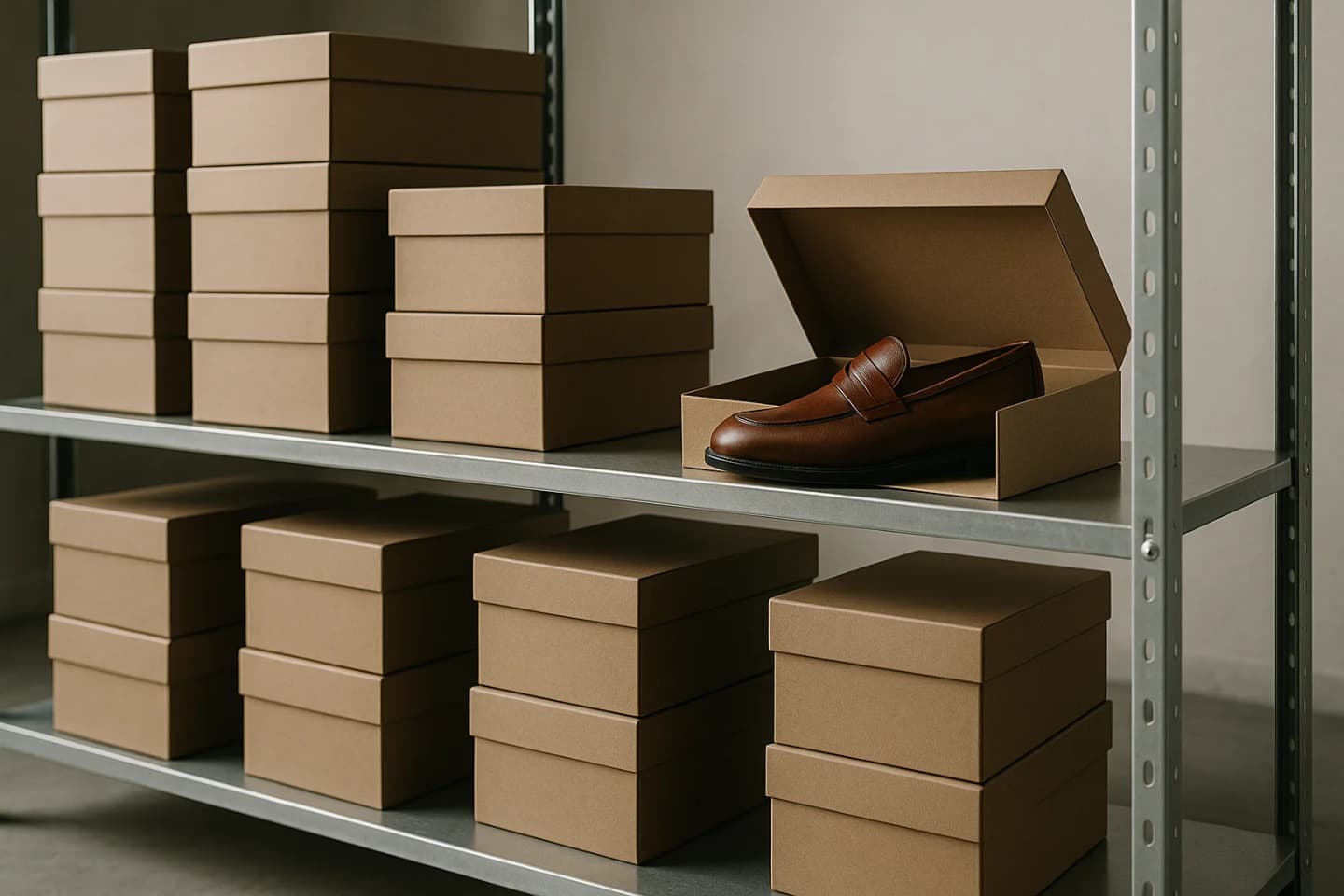
However, behind this nostalgic picture lay significant operational challenges. The number of samples a representative could carry was limited, preventing the buyer from seeing the supplier’s full collection. Travel, accommodation, and time costs posed a significant burden for both supplier and buyer. Most importantly, there was always a risk that the model in the bag was out of stock at the central warehouse, leading to disappointments during the order process.
“Sample Bag” Culture and the Role of Personal Relationships
The traditional model of trade was largely based on personal trust. The sales representative was not just a product presenter but also a consultant, market analyst, and a reliable business partner. They understood the store owner’s customer profile, recommended suitable models, and provided flexibility on payment terms. This close relationship reinforced brand loyalty and brought a more human dimension to commerce. However, this structure could make it difficult for new and smaller buyers to access larger suppliers.
Logistical Challenges and Limited Product Range
The biggest limitation of physical sample bags was logistics. Delivering new season products simultaneously to hundreds of points across the country was nearly impossible. This caused some stores to receive new trends later. Moreover, the number of models a bag could hold was usually limited to around 20 to 30. Meanwhile, a manufacturer's seasonal collection could include hundreds of different models and color options. Buyers were confined to a narrow selection chosen according to the representative’s priorities. This could negatively impact store variety and competitiveness.
Early Steps in Digitalization: The Era of WhatsApp and PDF Catalogs
With technological advancements, physical bags were gradually replaced by more practical solutions. PDF catalogs sent via email and later WhatsApp marked a significant revolution for the sector. Now, a supplier could compile their entire collection into a single digital file and reach hundreds of buyers in seconds. This reduced costs and dramatically increased the speed of product market introduction. Buyers had the opportunity to review new season products without leaving their office or store.
This period eliminated geographical barriers, closing the distance between supplier and buyer. For example, a boutique owner in Anatolia could instantly access the latest wholesale women's stiletto shoe models from a manufacturer in Istanbul or Izmir. This access facilitated a more dynamic competitive environment and offered buyers wider options. However, this method also had significant weaknesses.
Speed and Accessibility Advantage
The greatest promise of PDF catalogs was speed. As soon as photos of a collection were taken, a digital catalog could be created and distributed instantly. This saved weeks compared to the process of producing physical samples and distributing them to representatives. For buyers, this meant catching seasonal trends before their competitors and placing orders earlier. Accessibility was another key advantage; anyone with internet access could potentially reach these catalogs.
Outdated Information and Ordering Errors
The Achilles’ heel of the PDF and WhatsApp era was static information. A sent catalog began to become outdated the moment it was delivered. Real-time stock depletion, color availability, or price updates could not be reflected instantly. This resulted in buyers trying to order liked products only to hear "out of stock" responses. Orders placed mostly by phone or message often led to incorrect model codes, wrong quantities, and communication gaps. This inefficiency meant wasted time and money for both parties.
Modern Solution: B2B Platforms and Digital Showrooms
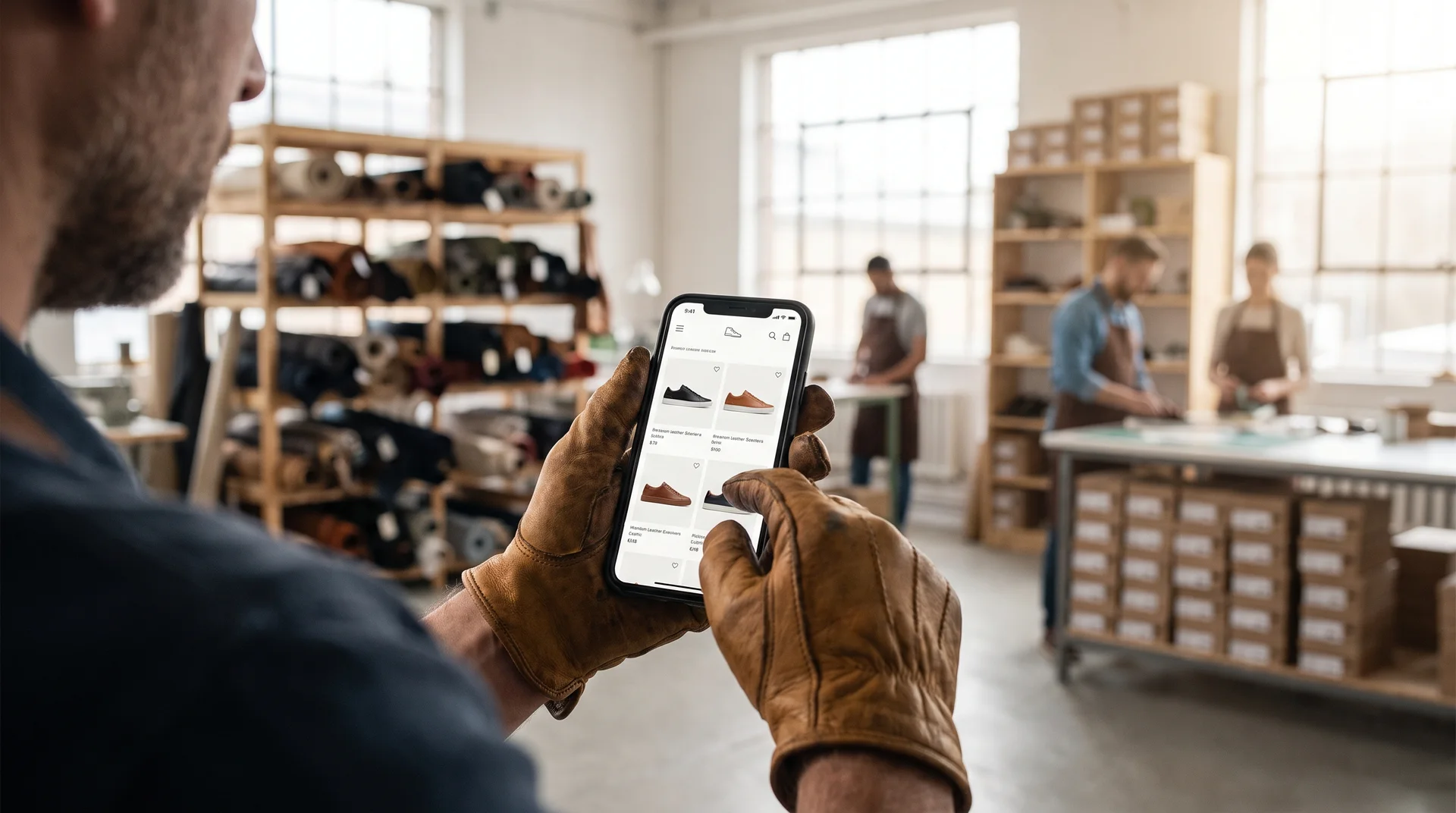
Online B2B wholesale platforms developed as a solution to the problems created by PDF catalogs have taken the process to an entirely new level. These platforms offer dynamic and interactive digital showrooms instead of static files. Buyers can see not only product photos but also real-time stock status, updated prices, available size ranges, and detailed product descriptions all on a single screen. This transparency increases trust and efficiency in wholesale trade.
Platforms focused on footwear, like Bulkoon, provide buyers the ability to compare thousands of models under one roof. All products listed on the platform are ready stock, meaning buyers can order the products they see immediately. This eliminates the uncertainty of stock availability and enables real trade. The system blends the personal touch of the traditional method with the speed and data of digital.
Real-Time Stock and Price Information
The most transformative feature of digital showrooms is live data flow. When stock runs low or a product sells out, the platform instantly reflects these changes. This prevents buyers from wasting time on unavailable products and cancels fewer orders. Price updates, campaigns, or flash discounts are also promptly announced to all users. This dynamic structure allows buyers to make decisions with the most current and accurate information, increasing predictability in the supply chain.
Enriched Product Experience
Modern platforms use rich media tools to compensate for the lack of physical touch. High-resolution photos, shots from different angles, 360-degree product views, and product videos help buyers better understand the shoe's quality, texture, and fit. Product videos, especially, demonstrate material flexibility and shoe form while walking, offering an experience closest to a physical inspection. This helps buyers make more informed and confident purchasing decisions.
Impact of Online Catalogs on Operational Efficiency
The transition to online B2B platforms is not just a change in model selection method but a revolution in business operations. Digitally placed orders automate invoicing, shipping tracking, and payment processes. This represents a substantial operational efficiency gain for both buyers and sellers. Reduced manual work decreases human error risk and allows staff to focus on more strategic tasks.
For example, order placement by phone, note-taking, system entry, and warehouse coordination happen automatically with just a few clicks on a digital platform. This shortens order preparation and shipment times significantly. Models eliminating travel expenses, like those Bulkoon offers, represent a vital advantage that directly affects business profitability.
Time and Cost Savings
Digital catalogs eliminate travel-the largest cost in wholesale purchasing. Store owners or purchasing managers no longer need to spend days visiting suppliers. Expenses on flights, hotels, and fuel are reduced to zero. Instead, this time and budget can be allocated to value-added activities like store management, marketing, or customer relations. For suppliers, it means reaching a broader geography at a lower cost.
Fast and Error-Free Order Management
Orders made through online platforms integrate directly into the supplier’s system. This standardizes and speeds up receiving, confirming, packing, and shipping orders. Access to order history, invoices, and delivery status from a single panel simplifies buyer monitoring. Automated systems minimize issues like wrong shipments or missing quantities, reducing returns and increasing customer satisfaction.
Strategic Advantages for Buyers
Digital B2B platforms offer buyers not only operational convenience but also strategic superiority. While the number of suppliers accessible in the traditional model was limited, digital platforms provide instant access to thousands of models from hundreds of different manufacturers and brands. This enables store owners to diversify collections more easily and find products best suited to their customer base.
Platforms like Bulkoon, featuring over 10,000 model options, keep buyers aligned with market trends. Advanced filtering options allow buyers to quickly find specific products, such as women’s sports shoes or men’s sports shoes, by material, price range, brand, or supplier. This facilitates data-driven and conscious purchasing decisions.
Access to a Broader Supplier Network
Online platforms remove geographical and physical barriers, connecting buyers with suppliers and brands across Turkey. This offers the opportunity to discover not only suppliers in major cities but also quality manufacturers specialized in smaller production centers. Increased competition allows buyers to find better prices, higher quality products, and more innovative designs. This diversity is one of the key factors helping a store differentiate itself from competitors.
Data-Driven Decision Making
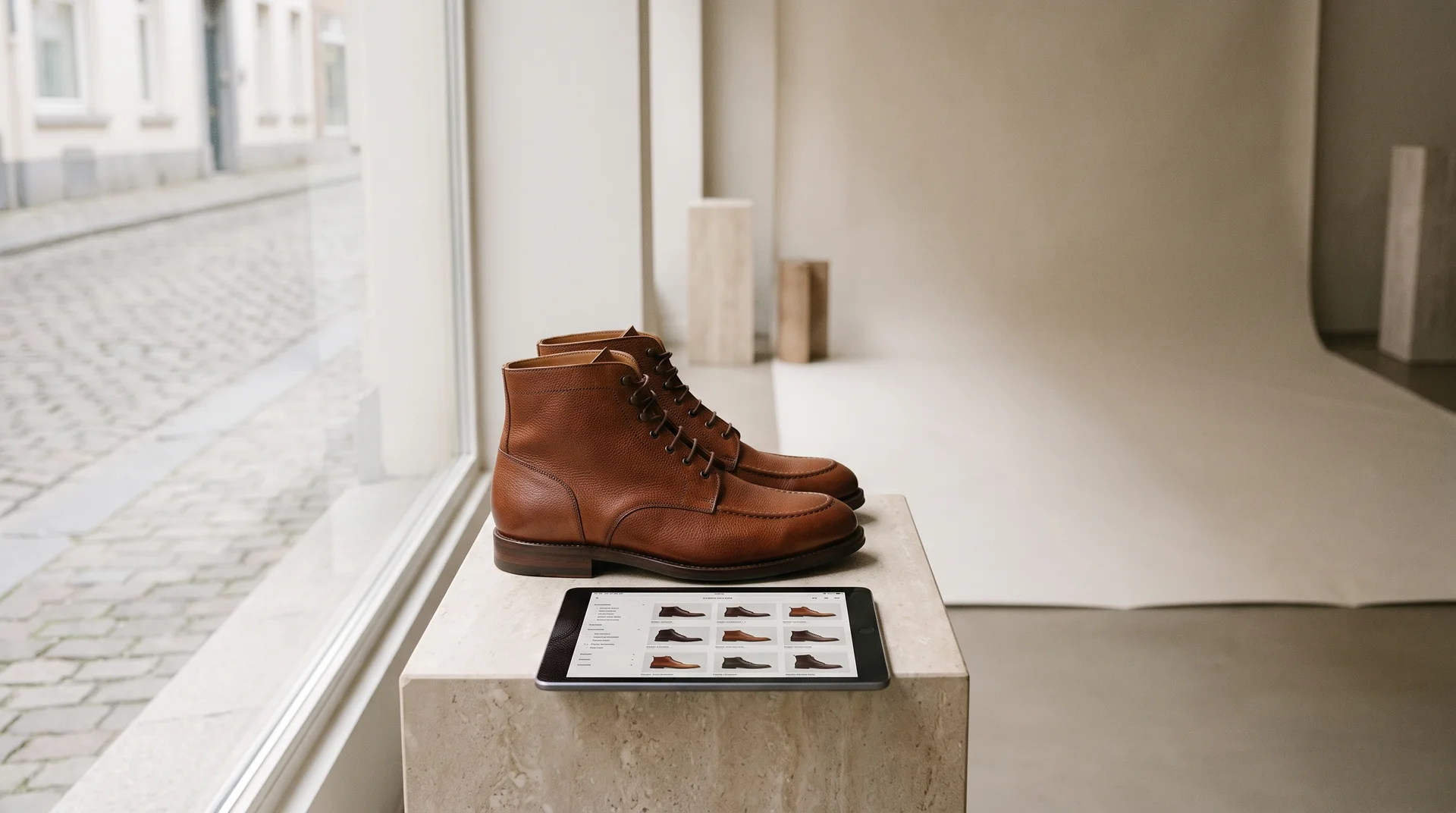
Digital platforms provide buyers with rich data sources. Information such as best-selling products, newly added models, and trending colors is easily accessible. Buyers can compare prices and models from different suppliers and combine this with their own customer analyses to make the most accurate stock investments. This analytical approach transforms intuition-based purchasing habits into strategic decisions that increase profitability.
Future Perspective: The Synthesis of Physical and Digital
The rise of online catalogs and B2B platforms does not mean physical contact and human relationships will disappear entirely. On the contrary, the industry is evolving toward a hybrid model. Routine and repetitive orders shift digitally for efficiency, while events like fairs and physical showrooms remain important to establish new collaborations, strengthen strategic relationships, and observe the macro trends of the next season firsthand.
In the future, physical and digital experiences will intertwine. A buyer could instantly add an entire collection to their digital cart by scanning a QR code at a supplier’s booth during a fair. AI-powered recommendation engines will proactively suggest the best products based on the buyer's past orders and store sales data. Technology will continue to work towards making the process smarter, more personal, and efficient.
Hybrid Models and the New Role of Trade Fairs
Shoe trade fairs are transforming from mere ordering venues to centers of experience and networking. While suppliers showcase their most visionary and innovative products, buyers attend these events to gain inspiration on the sector’s future. Daily and operational purchases continue digitally, but fairs will maintain a key role for strategic partnerships and large seasonal orders.
The Role of Technology: Artificial Intelligence and Personalization
Artificial intelligence will enhance the digital catalog experience further. Algorithms analyzing a buyer's browsing behavior on the platform will offer personalized suggestions like “you might also like these products,” easing product discovery. These technologies will assign each buyer a dedicated "digital sample bag consultant," recreating the personal consultancy aspect of the traditional model in digital form. For more industry insights, you can follow our sector analyses.
Online Catalogs Are Not Just a Tool but a New Business Approach
In conclusion, online catalogs and B2B platforms are largely replacing physical sample bags in the footwear industry, and this transformation will accelerate. This change is not simply the technological supremacy of one method over another but a fundamental shift in the wholesale trade model. We are moving from a “push” model, where the supplier presents a limited selection to the buyer, to a “pull” model where the buyer chooses the most suitable option from thousands of alternatives. This new era injects fresh dynamism into the entire sector by increasing efficiency, transparency, and most importantly, the buying power of the customer.