You might also like


 5 colors
More Color Options


 3 colors
More Color Options
 2 colors
More Color Options

 6 colors
More Color Options

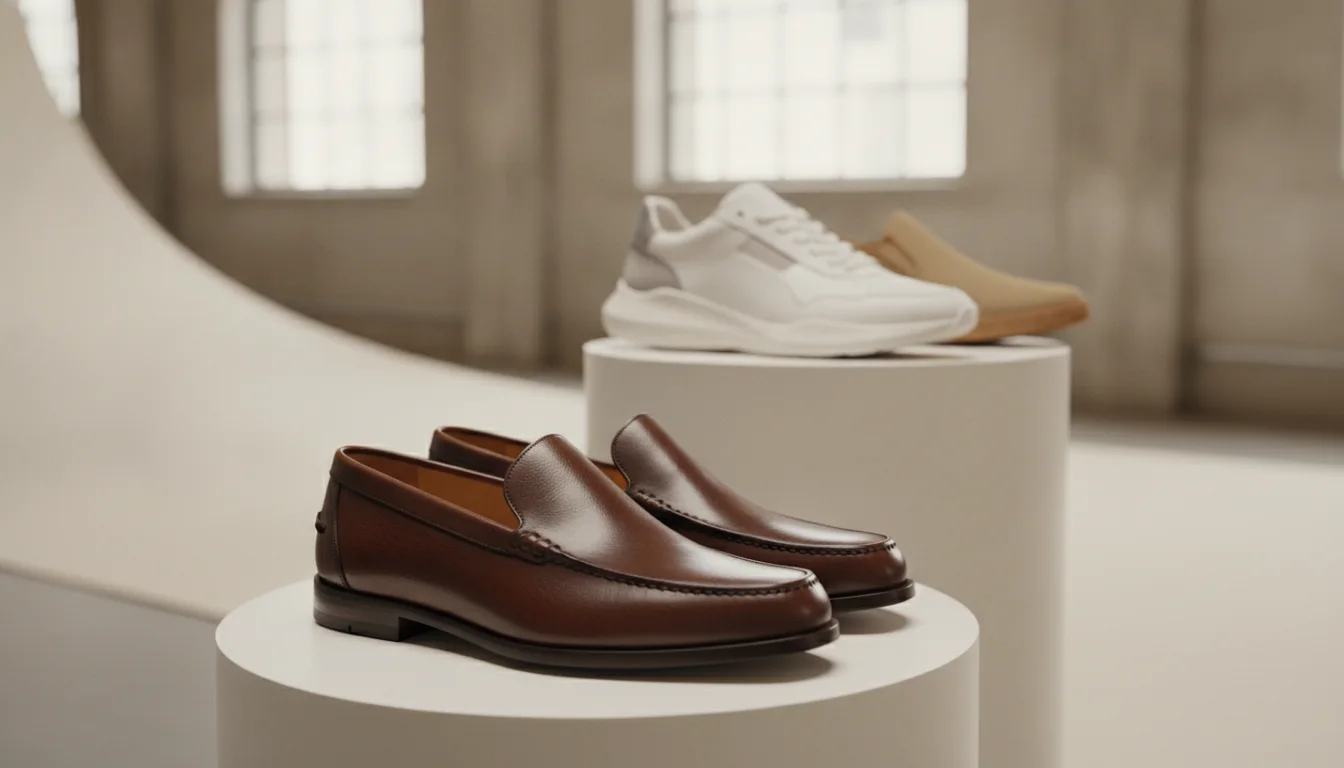
Explore the physical product defects, sizing and material mismatches behind high return rates in footwear retail, and operational solutions to reduce returns.
High return rates are one of the biggest threats to profitability in footwear e-commerce and retail stores. While many business owners attribute the main reason for returns to customers' simple indecisions, sector data and field experiences show a different reality. A large portion of returns in retail stems from incompatibility between the physical product structure and the customer's expectations. Misleading visuals, incorrectly communicated sizing information, or a stiff outsole are direct causes of customer dissatisfaction.
The most challenging issue consumers face when shopping for shoes is size and fit compatibility. Two different models labeled with the same size may fit completely differently depending on the shoe mold used. Even standard molds can feel tight on slender, pointed-toe women's stilettos, while a comfortable cut sneaker model can run wide.
Mold standards used by manufacturers may vary regionally or by brand. Designs that are not true to size, especially those tight on wide feet, account for the highest return rates in e-commerce. When the product page does not clearly state whether the fit is narrow or wide, the customer orders their usual size and initiates a return since the shoe does not fit.
The assorted size composition selected in wholesale purchases determines the variety of sizes offered to the retailer’s customer base. In a standard assorted series, midsizes are more abundant, while the absence of large or small sizes (for example, sizes 36 or 40) or incorrect size charts increase the risk of returns. Providing a centimeter-based foot measurement chart on your sales channels helps customers select the right size and prevents incorrect orders.
In summary, clearly indicating sizing information on product cards and updating size charts significantly reduces returns due to fit issues.
5 colorsMore Color Options
3 colorsMore Color Options
2 colorsMore Color Options
6 colorsMore Color Options
The fundamental component determining shoe comfort is the outsole area where the foot rests. For products purchased online without trying, a stiff or inflexible outsole can cause major disappointment upon delivery.
Outsole flexibility plays a critical role especially in daily use women's sports and casual footwear. Outsole materials like stiff PVC or thermo soles with insufficient flexibility resist the natural movement of the foot while walking. This quickly leads to foot pain, causing customers to consider the product defective or uncomfortable and return it. The sole’s bendability and shock absorption should always be tested before purchasing.
The hardness of the upper material can create pressure on the top and sides of the foot. Synthetic leather or low-quality fabrics lack breathability, resulting in odor and sweating. Rough stitching on the inner lining causes discomfort due to friction. Detailed descriptions of the upper and lining materials used (genuine leather, textile, synthetic leather) in product explanations properly set customer expectations.
In summary, selecting a flexible outsole and quality inner lining optimizes physical comfort factors and prevents product returns.
Customers rely solely on photos and videos for evaluating products purchased through digital channels. Differences in tone or texture between the physical product and on-screen images are hidden reasons for returns.
Intense studio lighting used in product photography can make colors appear lighter or more vibrant than they actually are. For example, color differences between studio light and daylight can cause dissatisfaction for women’s loafers in shades like tan, beige, or nude. Color calibration of images should be done, and if possible, additional photos taken in natural light should be added to product pages.
Static photos cannot fully reflect the shoe’s posture and material flexibility. Product videos allow customers to clearly see how the shoe bends when walking and the texture of materials under light. Detailed visual content like the product videos on the Bulkoon platform helps buyers develop a realistic idea about the product, thereby reducing the likelihood of returns.
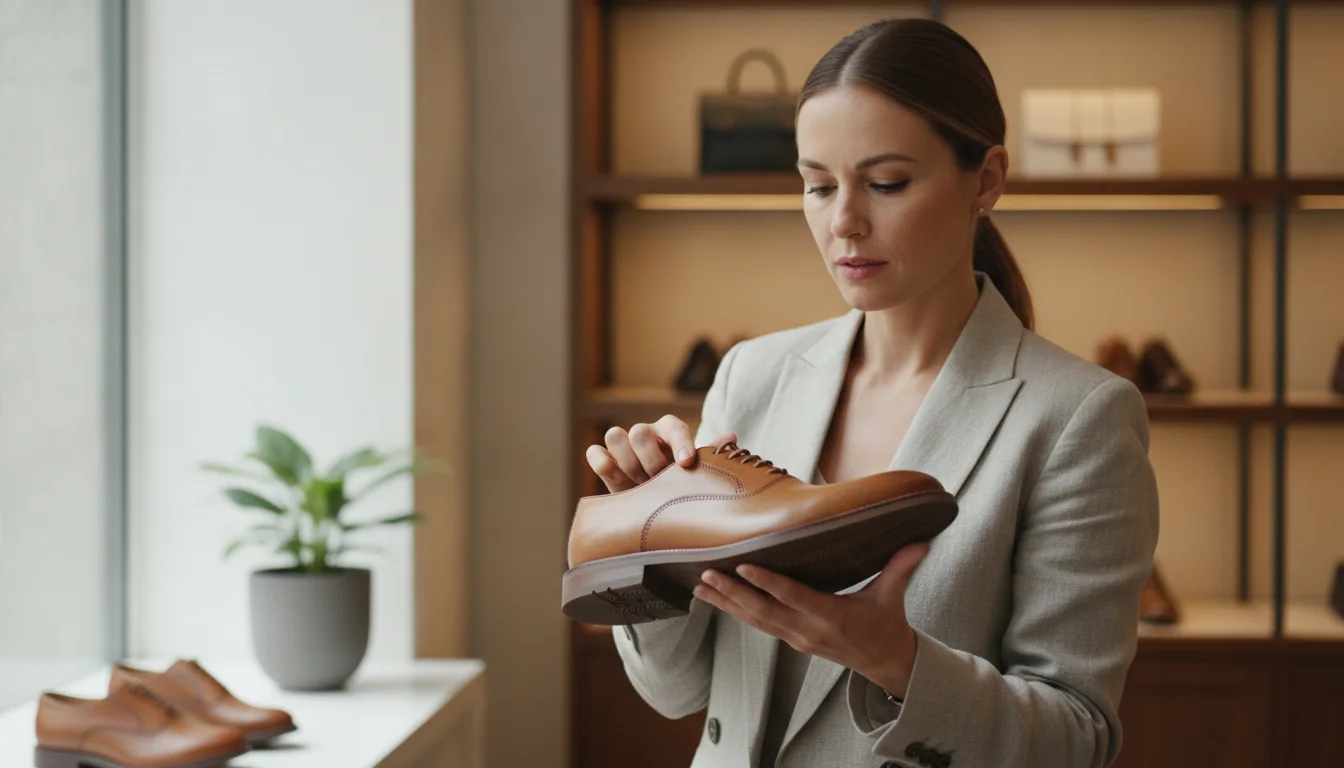
In summary, offering high color accuracy images and dynamic video content helps customers form realistic expectations and prevents returns due to visual causes.
The most effective way to reduce post-sale returns is to detect problematic products before they enter inventory. Quality checks during wholesale footwear procurement reduce the number of defective products reaching end consumers to near zero.
Sample inspection is critical in supplier selection and new season purchases. The shoe’s stitch strength, outsole adhesion quality, and mold balance must be physically checked. Symmetry differences between right and left shoes in men’s sports and casual models are also important criteria in physical inspection.
High return rates prolong product shelf time in the warehouse, lowering seasonal stock turnover. Preparing returned products for resale involves inspection and restocking, creating significant operational costs. As detailed on our How It Works page, purchasing exclusively from verified suppliers with ready stock supports maintaining fast delivery and consistent quality standards, helping preserve your stock turnover.
In summary, applying strict quality control during procurement prevents defective products from entering store inventory and preserves seasonal profitability.
Questions from customers before and after sales are valuable data sources to identify weak points in your product portfolio.
Common customer questions such as "Is the fit narrow?", "What is the sole height in cm?", "Is it a heavy shoe?" should be directly included as information on product pages. Including sole material, heel height, weight, and fit recommendations (e.g., "we suggest ordering one size larger for this model") on product cards noticeably reduces return rates.
Categorizing reasons for returned products (tight fit, stiff sole, color difference, etc.) should guide your next wholesale purchase decisions. Eliminating suppliers with continuous fitting problems or preparing additional guidance text for those models reduces operational burden on retailers. To keep up with industry innovations and tips, you can check updated strategies under the Bulkoon Tips category [1].
In summary, continuously updating product pages by analyzing customer questions and return reasons proactively prevents future returns.
Sustainable profitability in footwear retail is achieved not only by increasing sales volume but also by minimizing return rates. Returns caused by misinformation and quality deficiencies multiply logistics and operational costs, eroding margins.
Providing transparent and accurate information about product fit, sole material, and color details strengthens customer trust. When consumers receive products that fully meet their expectations, brand loyalty increases and their tendency to repurchase strengthens.
Adding the right products to your portfolio from over 10,000 models with carefully inspected physical features, quality soles, and upper material structure in the wholesale supply process puts your business a step ahead. The combination of correct products and accurate information maximizes the operational efficiency of your store.
In summary, quality supply and transparent content management are the most reliable ways to reduce returns and increase profitability in footwear retail.
Information in this article draws on the following sources.
Working with a single supplier initially simplifies operations but leaves your business vulnerable to serious long-term risks. Unexpected issues like stock shortages, sudden price hikes, or quality problems can jeopardize your business continuity. This article explains why diversifying your supplier network is not just an option but a strategic necessity and how to manage this process effectively.

High sales volume does not always mean high profit. Factors such as low profit margin, high return rates, or leftover sizes can erode the real profitability of a best-selling shoe model. This article explores how to make more profitable decisions by focusing on product-based net earnings and stock turnover rather than just sales numbers.

Determining how many cartons of a shoe model to order is possible not only with intuitive decisions but with a data-driven strategy. This guide explores how to create a profitable stock depth by combining critical factors such as target audience analysis, size distribution, seasonal sales velocity, and supplier capacity.