You might also like

 3 colors
More Color Options


 6 colors
More Color Options
 3 colors
More Color Options

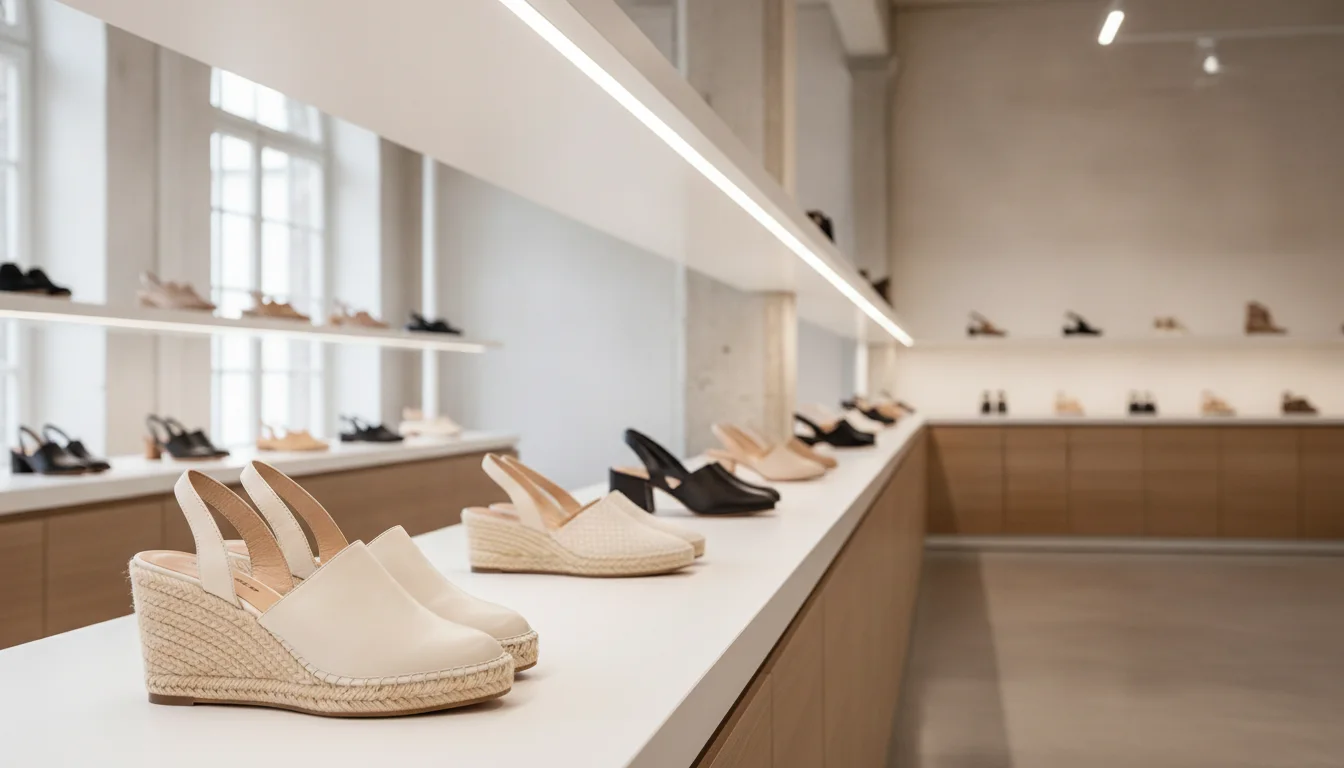
Determining the right color depth when wholesale purchasing shoes is crucial for capital management and stock turnover rate. Discover effective ways to establish the ideal color balance for your store.
Six different colors of stilettos or eight colors of sneakers lined up side by side in the storefront visually provide a captivating variety; however, each new color option represents a substantial cash burden for the retailer. One of the most common mistakes in wholesale footwear purchasing is the desire to put every color variation of a model on the shelf. Investments in colors made without sufficient data and proper planning return to your business as unsold broken sizes and locked working capital at the end of the season. To run a sustainable retail or e-commerce operation, it is essential to correctly establish the stock depth and color matrix.
Offering a wide color palette might seem like an effective way to attract customer attention. However, consumer behavior studies often observe that too many choices lead to indecision and delay the purchase decision. While a green, purple, or orange shoe on the store shelf may catch the eye, the final sale typically happens in basic tones. Marginal colors purchased for display purposes, if not properly managed, turn into idle capital on the shelf.
When you split your budget across eight different colors of a single model, you are effectively purchasing eight separate mixed size assortments for that same model. In wholesale trading, each color corresponds to a separate stock keeping unit (SKU). Instead of spreading your capital over many colors, it is key to deepen in the two or three best-selling main colors to maintain cash flow and high stock turnover. In the wholesale women's shoes category, increasing the number of colors exponentially raises warehouse costs.
Each added color means an additional mixed size carton and extra capital commitment.
A wide color range may cause stock-outs of sizes in the best-selling main colors.
To preserve cash flow, prioritizing fast-turning color depth over color diversity is essential.
Increasing the number of colors in wholesale purchasing does not guarantee sales; rather, it risks your cash flow. Protecting your capital requires focusing on the right depth in the right colors instead of broadening the spectrum.
3 colorsMore Color Options
6 colorsMore Color Options
3 colorsMore Color Options
Every footwear category has essential basic colors. Black, nude, and beige tones constitute the majority of total sales in women's stilettos and classic-leaning groups. In sports and casual groups, white, black, and tan lead the way. These fundamental colors are considered seasonless and have the lowest risk. Allocating between 60% to 70% of your store's stock to this risk-free basic color group is a sound commercial approach.
Seasonal standout pastel or vibrant colors add freshness to the storefront and attract fashion-focused customers. However, these colors carry high risk. When purchasing trend colors, ensure they do not exceed 30% of your total order volume. Ordering minimal mixed size assortments in trend colors reduces end-of-season discount pressure.
Basic Colors (60%-70%): Black, white, beige, tan, navy. Provide consistent sales throughout the season.
Seasonal Trend Colors (20%-30%): Powder, fuchsia, khaki, metallic tones. Offer high margin and storefront appeal.
Experimental Colors (0%-10%): Should only be purchased as tests by large-scale stores targeting niche customer bases.
While basic colors guarantee turnover, trend colors refresh your store's perception. A successful stock matrix depends on correctly balancing these two groups.
In wholesale footwear trade, products are usually sold in standard mixed size cartons. For example, if a mixed size carton contains eight pairs (like sizes 36:1, 37:2, 38:2, 39:2, 40:1), when you buy four different colors of a single model, you implicitly accept a stock of 32 pairs. Choosing colors without considering size distribution causes the accumulation of marginal unsold sizes in different colors of the same model in your warehouse.
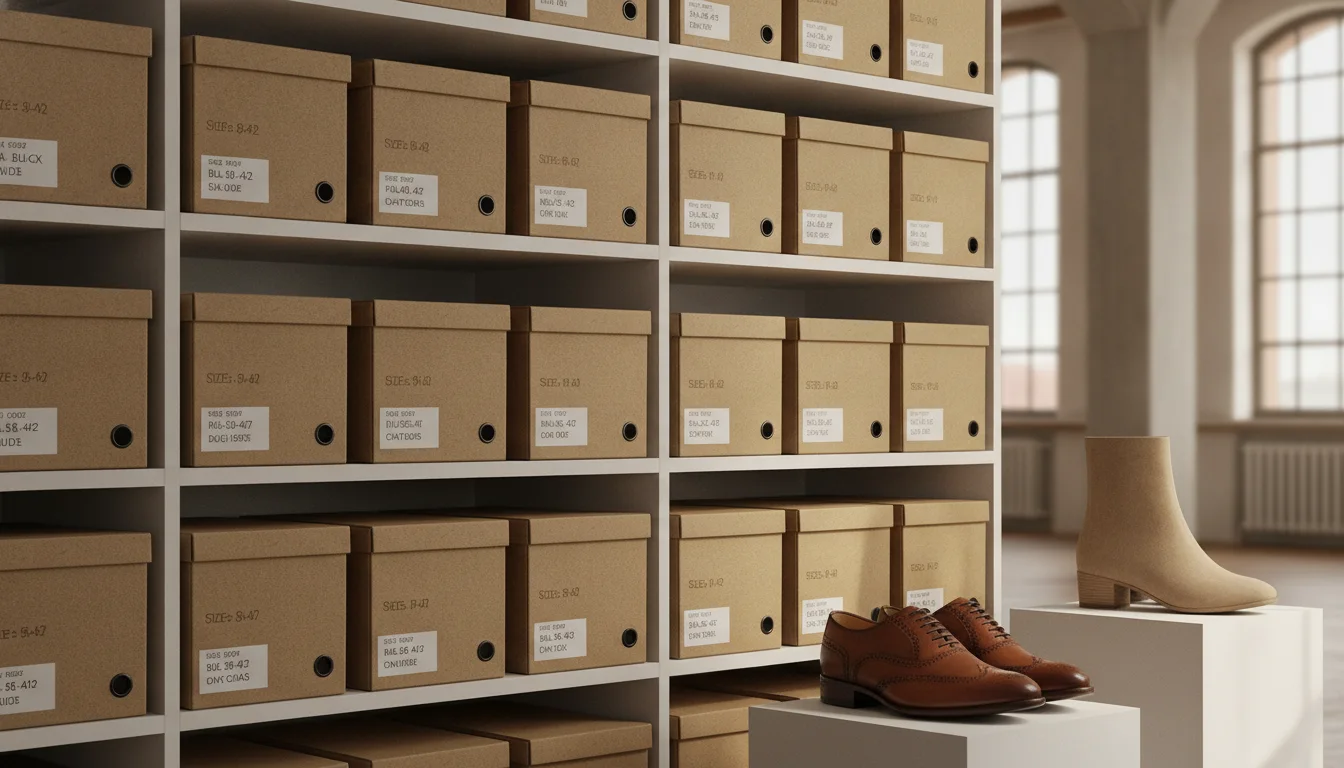
Mid-range sizes (such as 37 and 38) tend to sell out quickly, while sizes 36 and 40 may remain unsold. If many colors of that model are stocked, this results in a cluster of unmatched, leftover "broken sizes." Instead of stocking many colors, acquiring two mixed size cartons of the popular main color to boost middle sizes minimizes broken size risk and prevents customer loss.
Size distribution in the mixed assortment carton should align with the foot biomechanics of your target region.
Purchasing too many colors amplifies broken size ratio and shelf space imbalance.
Increasing mixed size assortment depth in the fast-selling color directly enhances profitability.
Size distribution and number of colors are directly linked. Each color variation adds operational responsibility that amplifies the risk of broken sizes [1].
Instead of stocking five different colors of a model in large quantities at the season start, applying a test and reorder strategy is highly rational. At season entry, bringing two basic and one trend color of the model into your store allows you to monitor sales performance. Thanks to Bulkoon’s platform with over 10,000 model options and ready stock only policy, you can identify a standout color in seconds and quickly complete depleted sizes.
Stock turnover rate shows how many times your invested capital converts to cash annually. When stocking many colors, marginal colors you try to liquidate at season end erode the profit margin earned from main colors. Even in fast-moving categories like wholesale women's sports shoes, you should complete color eliminations by mid-season to maintain turnover rate.
Conduct small-scale test purchases early in the season to measure customer demand.
Immediately start in-season promotions for slower-moving color variations.
Utilize your supplier’s ready stock strength to quickly reorder the selling colors.
Maintaining a high stock turnover rate eliminates the cost burden from unsold colors. A dynamic, constantly turning stock structure stabilizes your store’s profitability [2].
Physical boutiques have limited shelf space. Displaying five colors per model in a 50-square-meter boutique takes away space from other models. Although online stores seemingly have unlimited shelf space, digital advertising budgets split across each color variation individually. Therefore, whether you operate a boutique or e-commerce business, structure your color decision system according to your store scale.
Review your past sales data before placing an order. Which colors had what share during the same season last year? Is your customer base conservative or trend-focused? The answers to these questions clarify how many colors you should order. To simplify your ordering process, you can visit our How It Works page and confidently plan your wholesale purchases with options like paying in 3 or 6 installments at cash price and free shipping across 81 provinces in Turkey.
Small Boutiques: Maximum 2 colors per model (1 Basic + 1 Seasonal).
Mid-Sized Stores: 3 colors per model (2 Basic + 1 Trend).
Large Stores and Chains: 4-5 colors per model (3 Basic + 2 Trend).
Your store size and customer profile determine the stock load you can handle. Color variety without data reduces operational efficiency.
There is no single answer to how many colors to stock from a shoe model; however, the golden rule is to meet demand without risking capital. The right color selection maintains your store’s cash balance while improving shelf quality. Focusing on main colors with strong sales power eliminates discount pressures caused by unnecessary color variations.
You do not have to load high quantities of colors in traditional wholesale purchases. By working with verified suppliers, you can order the needed colors and assortments just in time. You can strengthen your stock strategy with expert advice by accessing other practical sectoral guides we prepared at our guides section to boost your commercial success.
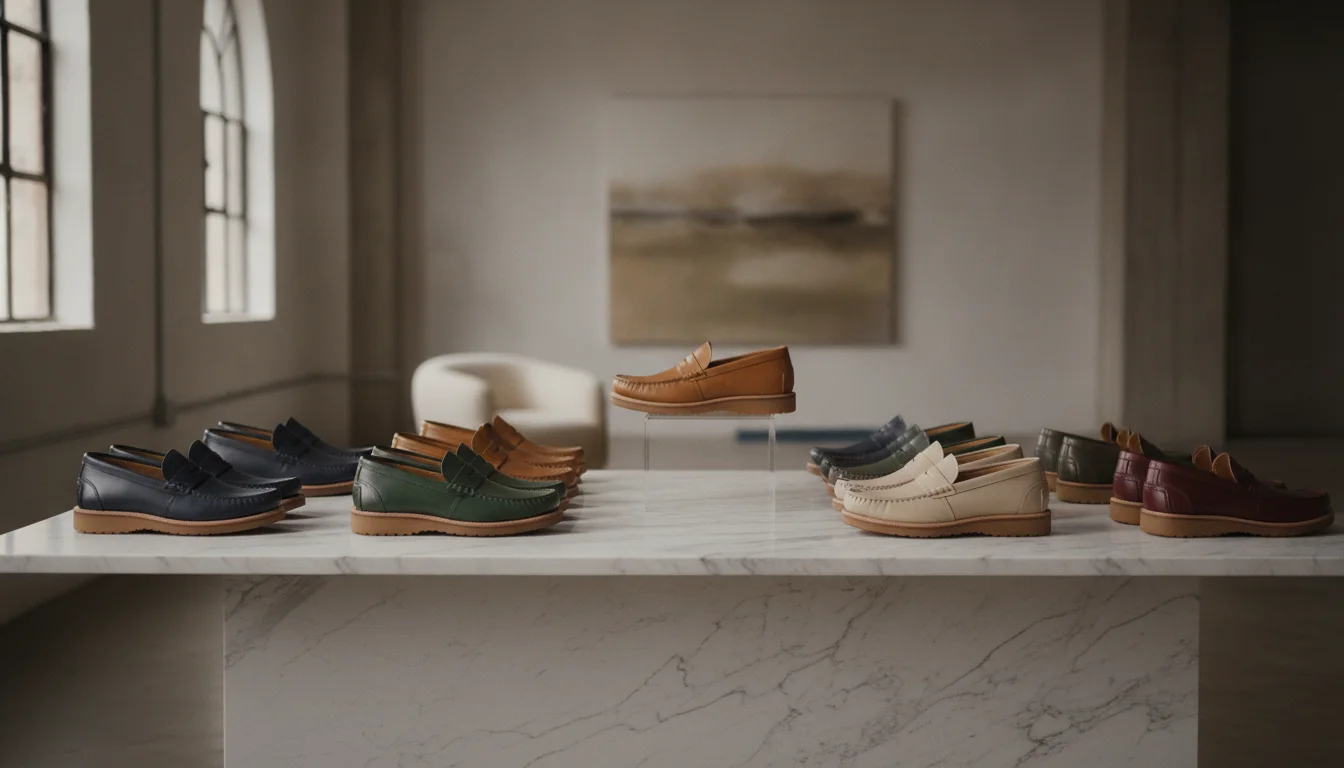
In conclusion, controlling the number of colors is a strategic decision that directly increases store profitability. With a correctly planned color and assortment matrix, you can reduce stock risks to zero and maximize capital efficiency.
Information in this article draws on the following sources.
Learn how to accurately calculate the reorder point (ROP) in shoe retail to avoid stockouts, manage assorted size distribution, and implement seasonal stock turnover strategies.
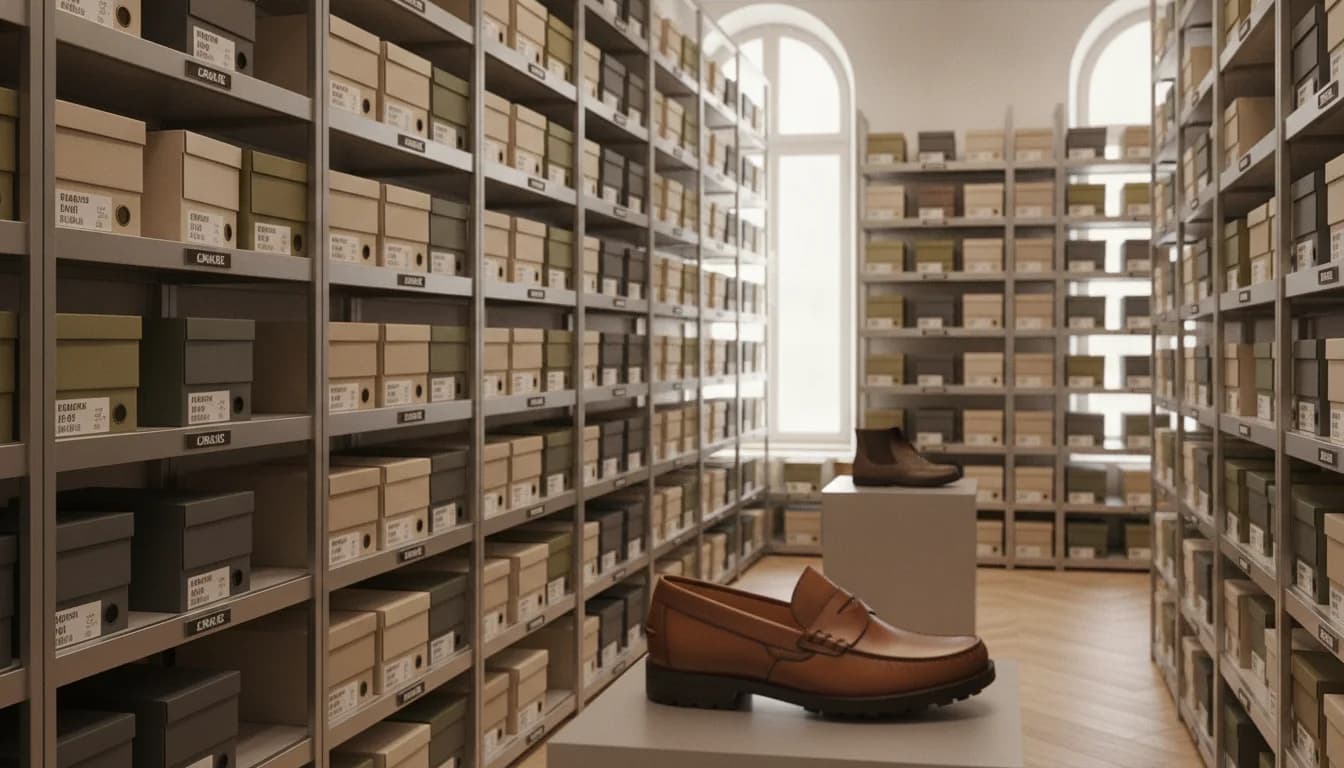
A guide to properly managing the inventory budget in shoe stores using ABC analysis, assorted size planning, inventory turnover, and wholesale ordering strategies.
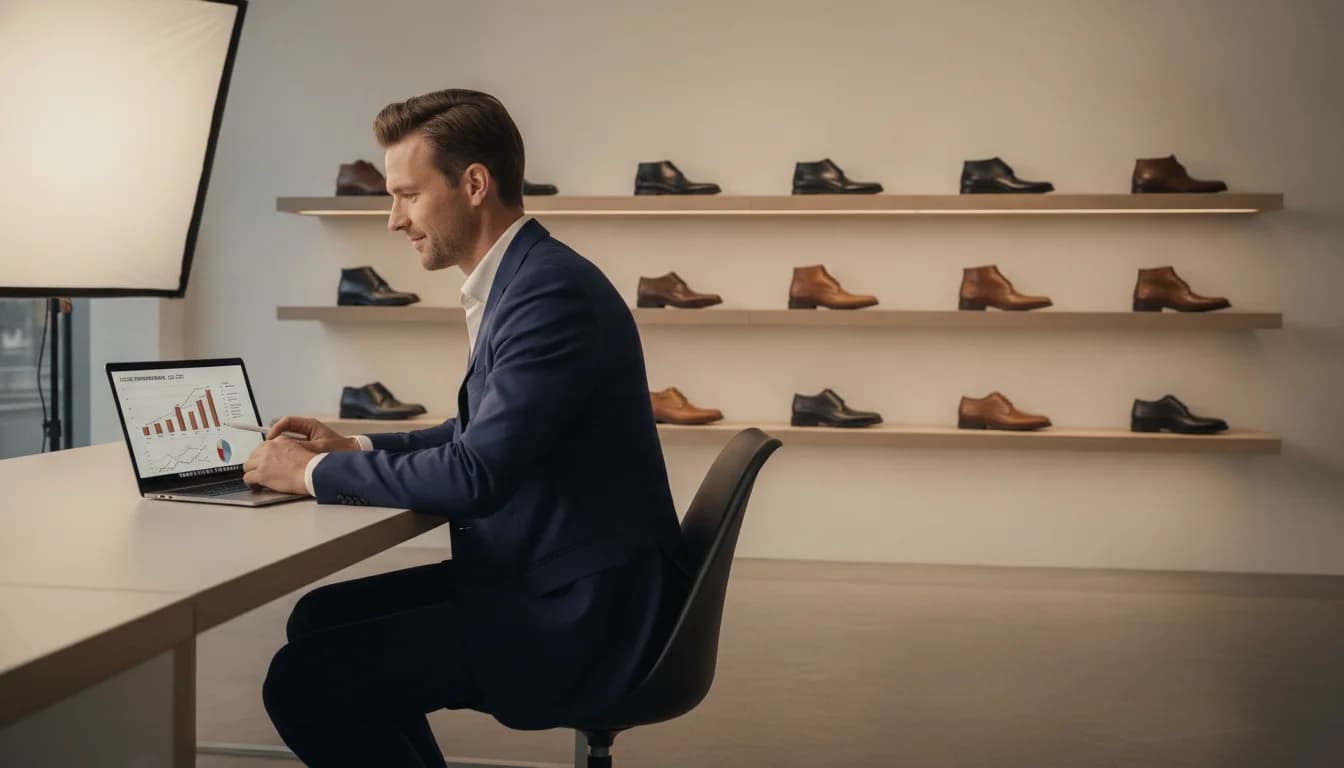
Protect tied-up capital by preparing stock aging reports in footwear stores. Track stock groups by 0-30, 31-60, 61-90, and 90+ days, assortments, and cash flow strategies.


