How to Plan a Free Shipping Strategy for Shoe Retailers
Free shipping is a powerful tool for gaining customers but directly impacts profitability. Discover how to plan sustainable free shipping models like minimum order value, product-based campaigns, and loyalty programs for shoe retailers and how to integrate your wholesale purchase costs into this strategy.
One of the most competitive areas in e-commerce is undoubtedly the delivery process. For customers, the "free shipping" offer has become one of the most critical incentives between adding a product to the cart and completing the purchase. However, for shoe retailers, this offer is a double-edged sword that must be managed carefully: on one side customer satisfaction and increased sales volume, on the other side logistics costs that erode profitability. A successful strategy involves creating a sustainable model aligned with the business’s financial structure and goals rather than blindly offering free shipping. This planning is not just a marketing tactic but also a matter of operational efficiency.
The Impact of Free Shipping on Customer Behavior
Free shipping psychologically lowers the total cost perceived by the consumer. A customer tends to prefer a shoe priced at 275 TL with free shipping over a 250 TL shoe with a 25 TL shipping fee. This encourages focus on the product’s value while eliminating the feeling of "loss" caused by additional costs. Understanding this psychological advantage is fundamental for shoe retailers.
This offer also positively affects brand perception. It is seen as a gesture that shows the brand values the customer and aims to make the shopping experience easier. Especially for newly established or boutique stores aiming to expand their customer base, free shipping can be an important tool to compete with larger and more established competitors. The fewer the obstacles customers face during shopping, the more their trust and loyalty towards the brand increase.
Accelerating the Purchase Decision
Many consumers keep multiple tabs open and compare prices when shopping online. Shipping fees, as an unexpected cost at checkout, can delay or even cancel the purchase decision. Free shipping removes this friction and speeds up the customer’s decision-making process. The thought "I won’t pay extra anyway" can trigger impulse buying and directly increase conversion rates.
Reducing Cart Abandonment Rates
One of the biggest reasons for cart abandonment in e-commerce is unexpected shipping fees appearing at the payment stage. When a customer accepts the product price but then encounters additional last-minute charges, they may feel deceived. Offering free shipping prevents this negative experience from the start. A transparent and clear offer allows the customer to confidently complete their cart and helps reduce one of the biggest problems for businesses: cart abandonment rates.
Accurately Calculating Your Shipping Costs
The first step in offering a sustainable free shipping strategy is to understand your current shipping costs in detail. This calculation should include not only fees paid to the shipping company but also packaging materials, labor, and possible return logistics. For bulky and boxed products like shoes, these costs become even more critical. Offering free shipping without a proper cost analysis risks unexpected holes in profitability.
Knowing your average shipping cost allows you to decide which free shipping model suits your business. For example, your average order value and profit margin will be key reference points when setting a minimum cart limit. Without these data, a limit set too high will fail to encourage customers, while a limit set too low will cause losses on every order.
Variable and Fixed Logistics Costs
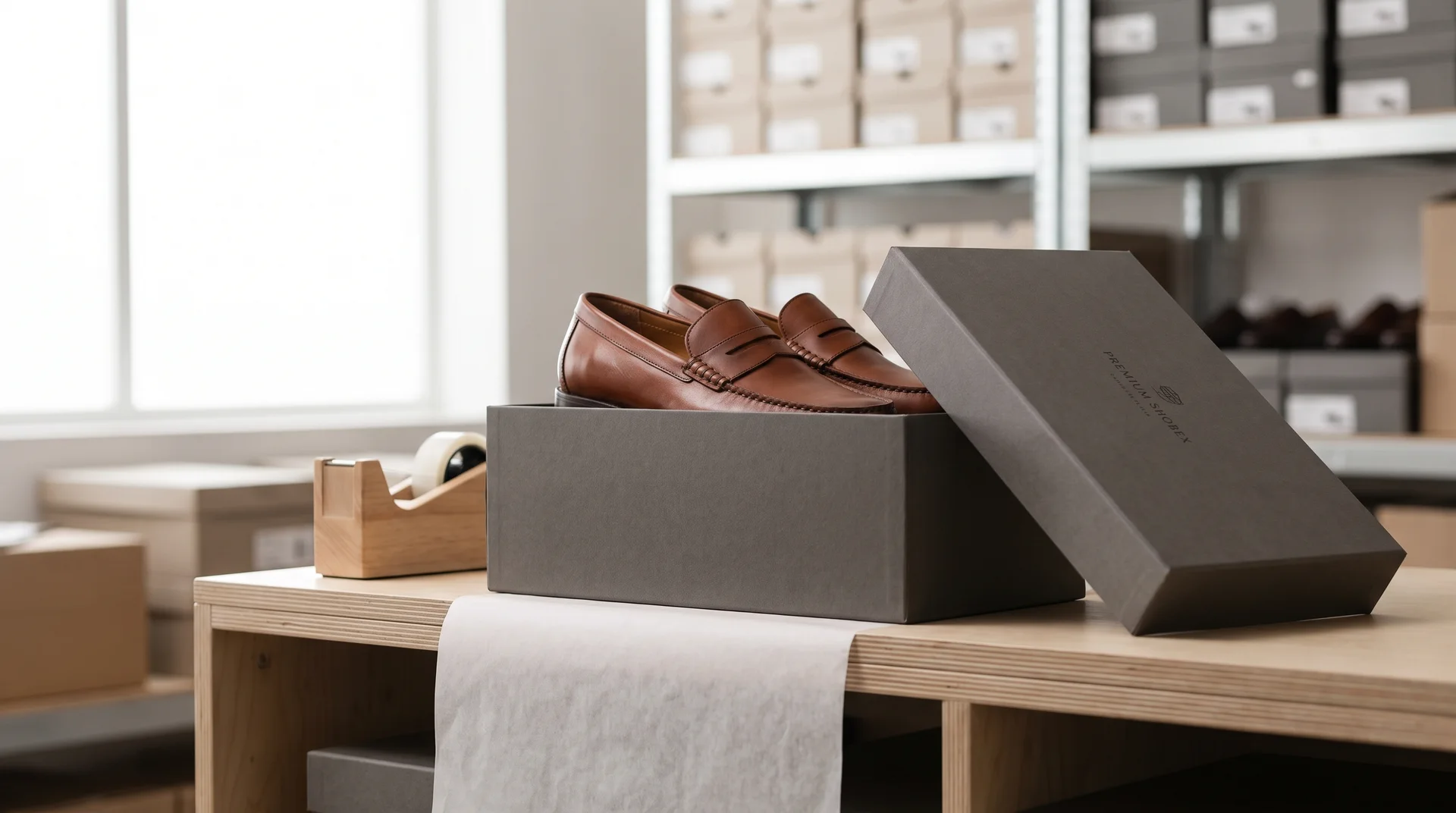
Shipping costs include more than the per-shipment fee. Variable costs encompass fees determined by the shipping company based on dimensional weight or actual weight, fuel surcharges, and insurance costs. The volume of shoe boxes often becomes a more significant cost factor than weight. Fixed costs include packaging materials such as cartons, tape, protective materials, and the labor cost of the packaging staff. Summing all these components, you should calculate your "total logistics cost per order".
The Role of Product Weight and Size
The footwear category includes a variety of weights and sizes due to product diversity. For example, the shipping cost of a pair of women’s sandals will differ from that of a pair of men's boots. When planning your strategy, consider the average dimensional weight of your products. In some cases, offering free shipping only on products within certain weight or size ranges rather than on all products may be more logical. This segmentation helps control costs.
Sustainable Free Shipping Models
There is no single free shipping model that fits every business. The right strategy depends on your product price range, your target audience’s shopping habits, and your profit margins. The goal is to increase customer satisfaction while maintaining the company’s financial health. To strike this balance, you can test various models or adopt hybrid approaches. For example, you might offer unconditional free shipping during certain periods while applying a minimum order limit during normal times.
Another approach is to partially reflect shipping costs in product prices. Although not entirely transparent, this method is often used to preserve profit margins. However, prices should remain competitive when using this strategy. Otherwise, free shipping advantages may lose appeal due to high product prices. It is crucial that the chosen model is both attractive to customers and profitable for your business.
Setting a Minimum Order Value
This is one of the most common and effective models. For example, setting a threshold such as "free shipping on purchases over 500 TL" encourages customers to add more items to their cart. This increases the average order value (AOV) and allows absorption of shipping costs within higher-profit orders. When determining the minimum limit, targeting an amount about 15-20% above your current average order value is usually a good start.
Applicability on Specific Product Groups or Categories
Offering free shipping only on certain products instead of the entire catalog is a wise way to control costs. You can apply this strategy in the following ways:
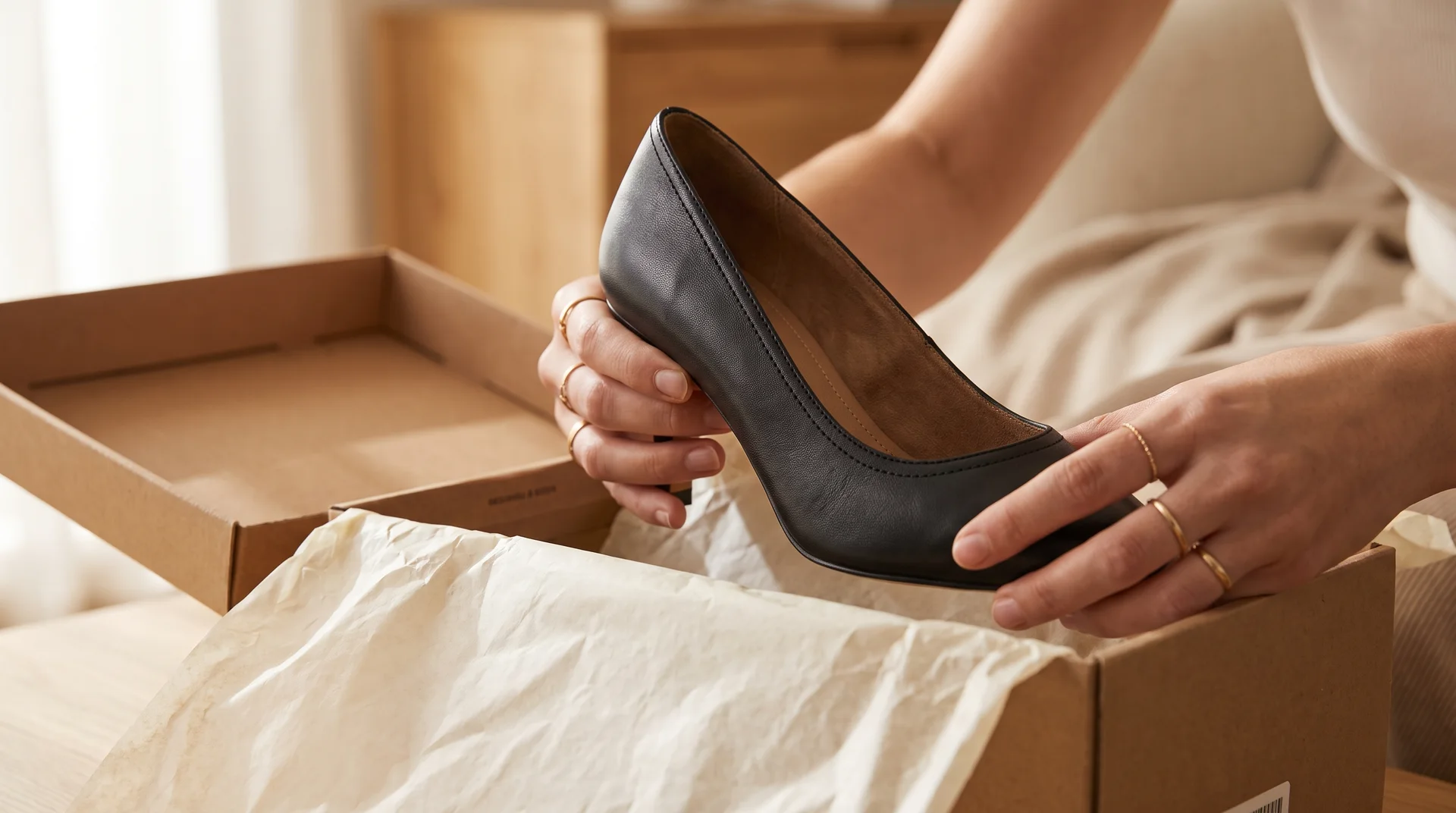
High-Margin Products: Easily cover shipping costs with products that have high profit margins such as women’s heels.
New Season Products: Launch free shipping campaigns on new collections to promote them and accelerate initial sales.
Excess Stock Products: Use free shipping as a marketing tool to encourage sales of leftover or end-of-season inventory.
Exclusive Shipping for Loyalty Program Members
You can position free shipping as a privilege rather than a standard service. Offering free shipping exclusively to customers enrolled in your loyalty program or who reach a specific spending level increases customer retention and allows more targeted use of this costly service. This model makes customers feel special and encourages long-term relationships with your brand.
Supply Chain and Pricing Strategy Integration
The sustainability of free shipping in retail greatly depends on efficiencies in wholesale purchasing processes. The better terms you get for your wholesale shoe purchases, the more flexible and generous offers you can provide to your retail customers. Shipping costs should be considered as part of the entire chain from the product acquisition cost to the end consumer delivery.
Digital wholesale platforms play a key role in enabling this integration. For instance, platforms like Bulkoon reduce logistics costs from supplier to store, giving you an important advantage. Thanks to digital wholesale purchasing processes, you save on traditional procurement expenses like travel and accommodation. These savings can be directly allocated to customer-focused marketing efforts, such as a free shipping budget.
Incorporating Wholesale Purchase Costs into the Shipping Budget
When calculating the unit cost of a shoe, include not only the price paid to the supplier but also all logistics expenses incurred until the product arrives at your store or warehouse. B2B advantages like Bulkoon’s free shipping to all 81 provinces in Turkey eliminate this initial cost component. This gives you more flexibility when setting the retail price and planning shipping offers to customers. Every cost advantage gained in wholesale turns into a competitive edge in your retail operations.
The Impact of Supplier Selection on Logistics Processes
The operational efficiency of your wholesale supplier directly affects the quality of service you provide. Working only with reliable suppliers who operate with ready stock and ship orders promptly makes it easier to keep your delivery promises. Delays caused by suppliers can undermine your promise of free and fast shipping. Therefore, it is strategically important to consider not only product quality and price but also logistics capabilities when selecting suppliers.
Leveraging Technology and Platforms
Efficiently managing a free shipping strategy requires more than manual effort. Modern e-commerce infrastructure, shipping integrations, and data analytics tools enable you to automate and continuously improve this process. Using technology correctly helps reduce costs while maximizing customer satisfaction. This is a critical advantage especially for small and medium-sized shoe retailers with limited resources.
With the right tools, you can analyze which shipping company delivers most cost-effectively to specific regions, manage shipping from a single dashboard, and provide customers with real-time tracking information. This automation reduces operational burdens, allowing you to focus more on strategic planning and marketing. Remember, efficient operations are the foundation of a profitable marketing strategy.
Shipping Agreements and Integrations

As your order volume increases, you can negotiate special agreements with shipping companies to reduce per-unit shipping costs. Many e-commerce platforms offer ready integrations with popular shipping firms. These integrations automatically transfer order details to shipping systems, generate shipping labels, and send tracking numbers to customers. This process saves time and eliminates errors that stem from manual data entry. Regularly compare shipping offers to ensure you get the best service at the most reasonable price.
Optimizing Strategy with Data Analysis
You should continuously monitor data to understand how successful your free shipping model is. Key metrics to watch include:
Average Order Value (AOV): Does the free shipping threshold increase AOV?
Conversion Rate: How much do free shipping campaigns affect sales?
Profit Margin: Are shipping costs negatively impacting overall profitability?
Customer Lifetime Value (CLV): Are customers benefiting from free shipping making repeat purchases?
By analyzing this data, you can make fine adjustments and determine which model is most efficient for your business. You might consider raising your minimum order limit slightly or experimenting with different categories like men’s sports shoes.
Conclusion: Free Shipping as a Tool for Profitable Growth
When planned correctly, free shipping turns from a cost into a strategic investment that builds customer loyalty and market share. The key for shoe retailers is to adapt this popular offer to the realities of their own business model. Accurately calculating your costs, testing different models, and leveraging advantages gained in wholesale purchase processes in your retail strategy will help you maintain this balance. Ultimately, a well-designed free shipping strategy not only increases sales but also enables you to build a customer-focused brand that stands out in the competition.