How to Start a Wholesale Footwear Business? A Roadmap for New Entrepreneurs
A comprehensive guide for entrepreneurs looking to enter the footwear industry from scratch. You can find all the critical steps in this roadmap, from market analysis to finding reliable suppliers, from capital planning to initial order strategies and determining sales channels.
The Dynamism of the Footwear Industry
The dynamism and aesthetic appeal of the footwear sector present an attractive starting point for many entrepreneurs. However, there is a strategic gap between liking shoes as a consumer and creating a profitable collection as a business owner. This journey requires more than just good taste; it necessitates an understanding of market dynamics, financial discipline, and the ability to find the right business partners. Stepping into the wholesale footwear business is a process of transforming passion into a professional plan, and the first step of this plan is to clarify who, what, and how you will sell.
You might also like


Market Analysis and Niche Definition: Who Will You Sell To?
The idea of selling shoes to everyone initially seems to have the potential to appeal to a wide audience, but it often leads to scattered resources and the lack of a brand identity. The foundation of a successful shoe business is establishing a clear niche that focuses on a specific customer segment. This not only shapes the type of product but also influences the price point, perceived quality, and brand message. For instance, will you sell vegan children's shoes made from sustainable materials or stylish heels for women with larger shoe sizes? Each scenario requires entirely different supply chains, marketing strategies, and customer profiles.
Market research plays a crucial role in determining your niche. Who are your competitors? What needs are they not meeting? What are the price ranges? What deficiencies are mentioned in customer reviews? The answers to these questions will help you identify gaps and opportunities in the market.
When the niche you define intersects with an area you are passionate about, it becomes easier to create an authentic story for your brand. Opening a shoe store or setting up an e-commerce platform becomes a much stronger start when built upon this foundation.
Business Model and Capital Planning: Preparing the Financial Ground
One of the biggest misconceptions when entering the shoe business is thinking that the initial capital consists solely of product costs. However, realistic capital planning should encompass all expenses necessary for the business to survive during the first 6-12 months. This includes not only wholesale purchasing costs but also operational expenses. Are you going to set up a physical store or an e-commerce site? Each model has its own unique cost items.
The key costs you need to consider while charting your financial roadmap are:
Initial Inventory Cost: The wholesale budget required to create your first collection.
Operational Expenses: Rent, utilities, and decoration for a physical store; platform fees, hosting, theme, and plugin costs for e-commerce.
Legal and Administrative Expenses: Company formation, trademark registration, accounting services, and necessary licenses.
Marketing and Promotion Budget: Product photography, social media ads, launch campaigns, and digital marketing tools.
Emergency Fund: A reserve to keep the business afloat in case of unexpected expenses or lower-than-expected sales.
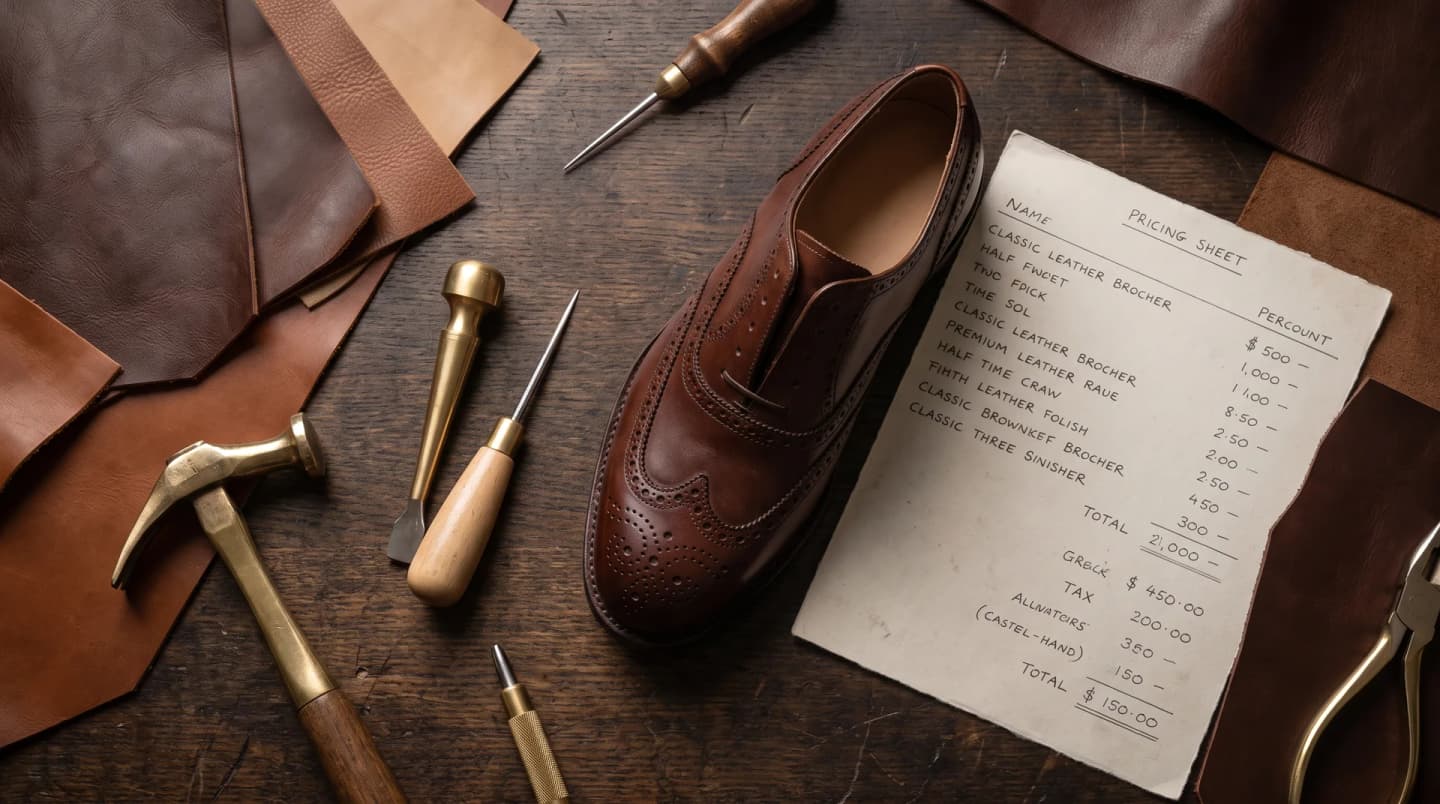
Detailing these items into a comprehensive budget table allows you to clearly see how much capital you need and manage your financial resources most efficiently.
The Art of Finding Reliable Suppliers: How to Choose Your Production Partner?
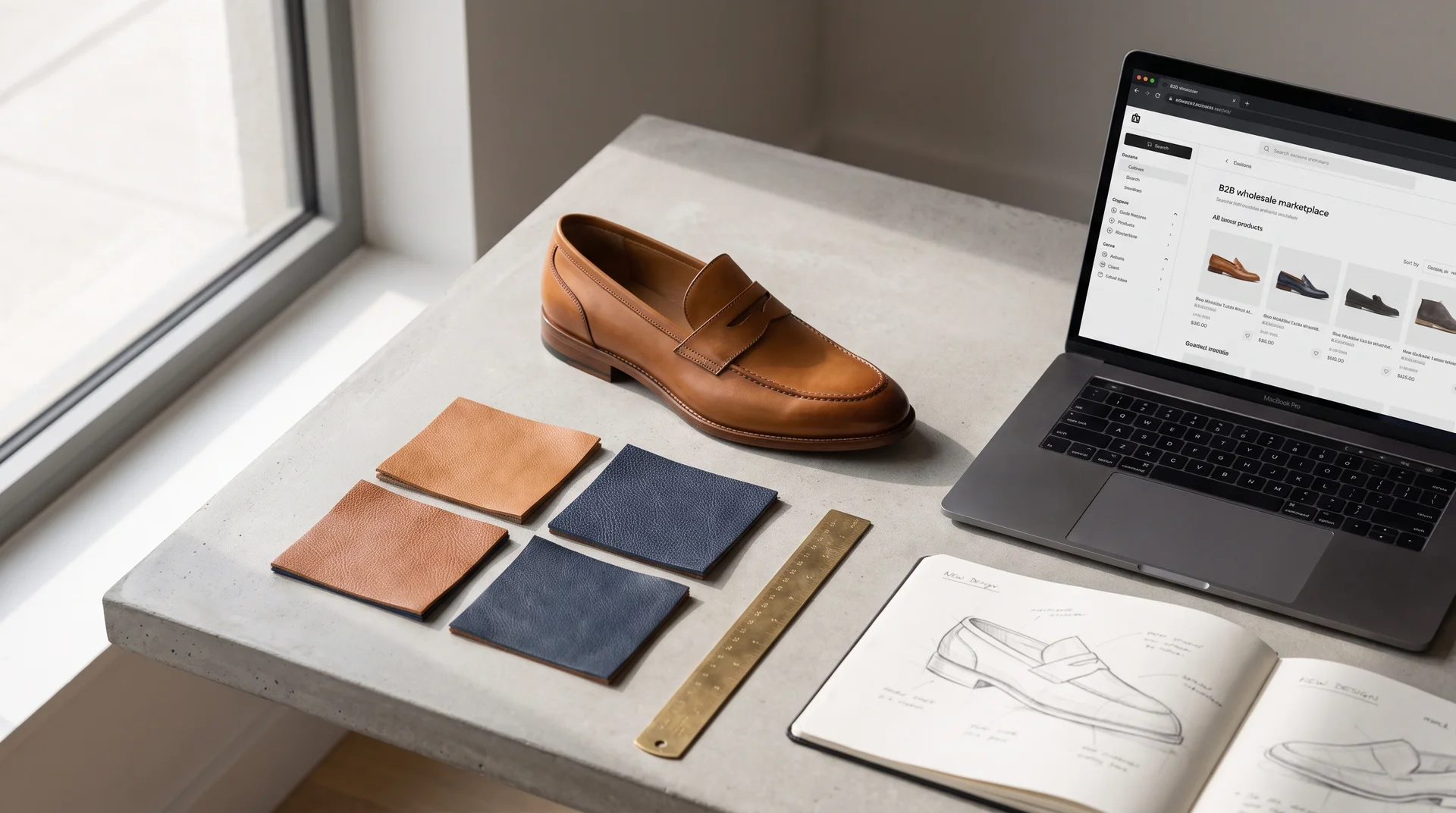
The backbone of your business model is finding a reliable shoe supplier who can continuously provide you with quality and timely products. The right supplier is not just a goods provider, but also a strategic partner contributing to the growth of your business. When starting your supplier search, digital B2B marketplaces like Bulkoon offer you the opportunity to reach hundreds of manufacturers through a single platform and compare their portfolios. Additionally, industry fairs like AYMOD provide invaluable opportunities to meet manufacturers face-to-face and see product quality firsthand.
There are critical questions to ask when evaluating a potential supplier:
What are their production capacities?
How do their quality control processes work?
Are their Minimum Order Quantity (MOQ) policies compatible with your initial budget?
What are the payment terms and delivery times?
Are their communication approaches transparent and solution-oriented?
The answers to these questions will give you important clues about whether you can establish a long-term business relationship. If possible, always request samples before placing a large order to see the product's quality, fit, and materials with your own eyes.
Product Selection and Initial Order Strategy: Shaping Your Showcase
After identifying your supplier, the next step is to create your first collection. Here, the aim is to prepare a consistent selection that aligns with your defined niche and brand identity rather than offering a broad range. Your first order is the showcase of your brand and tells customers what you promise. Therefore, focusing on a few key models that can be referred to as "hero products" that carry your brand's signature is a wise strategy.
In the wholesale shoe culture in Turkey, products are typically sold in series. A series usually consists of a standard size distribution for a model (for example, from size 36 to 40). Be careful when deciding how many different models and how many series of each model you will order in your initial purchase. Instead of spreading your budget too thinly across many models, investing in fewer models that you believe will sell reduces stock risk. When negotiating wholesale shoe prices, noting that the first order is a trial period and that you aim for a long-term collaboration can help you gain more flexible terms.
Sales Channels and Marketing: Reaching the Customer
A great collection and a reliable supply chain mean nothing if you cannot reach the customer. Determining your sales channels will be guided by your business model and target audience. A physical boutique allows you to establish a strong local connection by providing customers the opportunity to touch and try on products. However, it comes with high initial costs and geographic limitations. On the other hand, selling shoes through e-commerce offers the potential to reach a much wider audience with lower initial investment costs.
Setting up your e-commerce site (for example, with Shopify or WooCommerce) gives you complete control over your brand. Selling on marketplaces like Trendyol or Hepsiburada allows you to leverage existing customer traffic, but they also come with high commission rates and intense competition. Regardless of which channel you choose, investing in professional product photography is essential. High-resolution photos that clearly show the texture, color, and details of the shoes directly affect conversion rates in online sales. Building your social media presence from day one and engaging with your target audience is vital for brand awareness.
Operational Preparation and Launch: The Final Steps to Success
Once all strategic planning is completed, it is time for operational preparations. This stage is one of the unseen but most critical parts of the business. Where will you store your products when they arrive? What materials will you use to package orders? Which shipping company will you partner with? These logistical details directly affect customer satisfaction. Initially, you might use a room in your house as storage, but as business grows, you will need to establish an efficient inventory management and order preparation process.
As you conduct the final checks before the launch, make sure everything works flawlessly. Is the payment system on your website functional? Have you designated an email address or phone number for customer service? Is your return policy clear and understandable? Establishing these fundamental operational processes ensures that your first customers have a smooth shopping experience. Starting a wholesale footwear business is a marathon that requires thorough preparation and continuous learning. Every step built on a solid foundation brings you closer to becoming a lasting player in the industry.