Which Product Photos Build More Trust in Online Footwear Sales?
Bulkoon Editorial TeamB2B Wholesale Commerce Content Team
The Bulkoon editorial team publishes practical guides grounded in wholesale footwear sourcing and digital B2B commerce.
· 8 min read
Discover visual standards, angle techniques, and detailed photo methods that increase customer trust and reduce return rates in online footwear sales.
In online footwear shopping, consumers cannot touch the product, feel the material, or try on the fit. This transforms the product photos in your digital storefront from merely a marketing tool into a direct trust criterion. When a consumer enters a digital store, clear visuals taken from the right angles that highlight details are the key elements that ease uncertainty. Incomplete or misleading photos lead to high return rates and customer loss; meanwhile, transparent and technically rich visuals significantly boost conversion rates. Let’s explore the photography standards that create trust in your e-commerce store and how these visuals can be supported by correct sourcing processes.
Fundamental Angle Standards That Create Trust in Footwear E-Commerce
A single photo of a shoe taken from only one angle is insufficient to resolve customer doubts. Buyers want to mentally visualize the product’s three-dimensional form. Therefore, a standard product page on e-commerce sites should include at least five different key angles.
Multi-angle presentation provides customers with the sensation of holding the product in-store and examining it. This is especially critical for models where symmetry and lines matter, such as women’s stilettos or classic men’s dress shoes, where these angles must be complete.
Technical Requirements for Front, Side, and Rear Shots
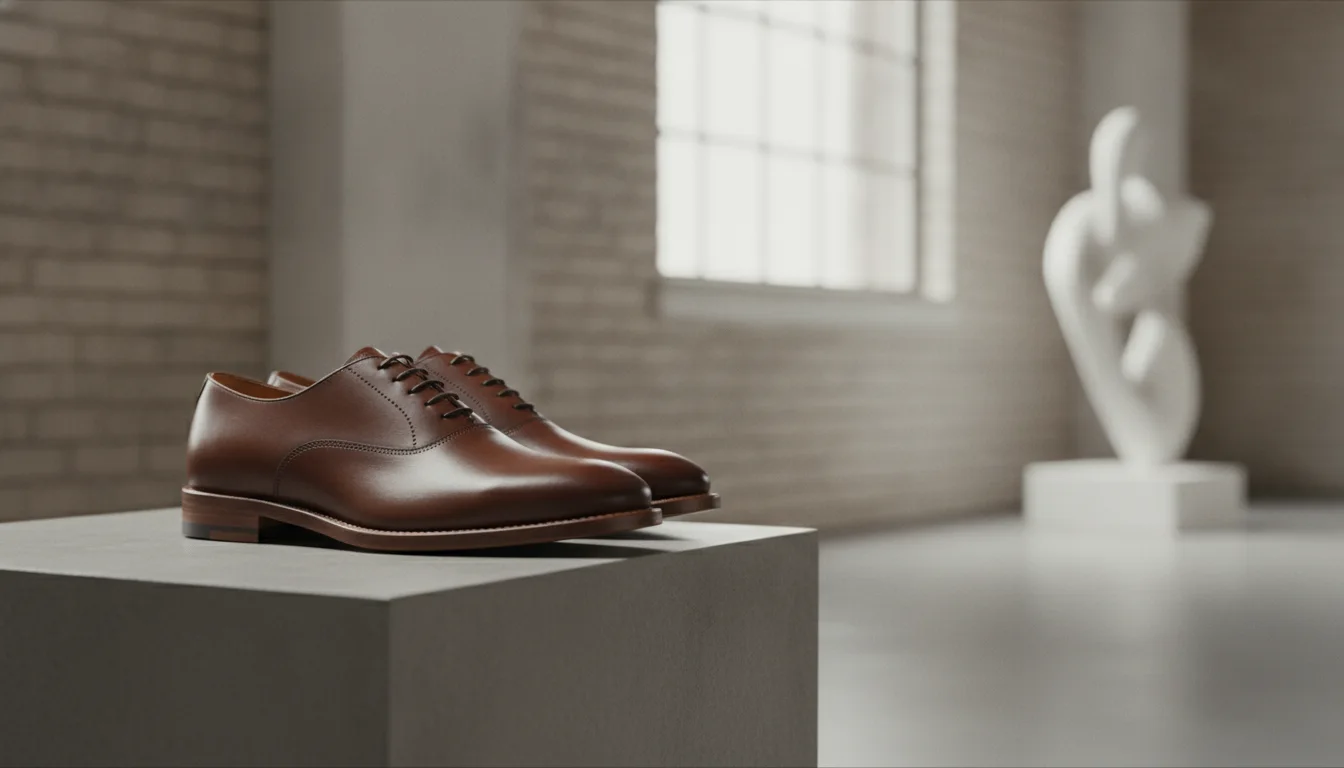
Side Profile Shot: This is the main angle that best shows the toe curve, heel slope, and overall silhouette of the shoe. Generally, the left side profile is preferred for catalog listings.
Front View: It reveals the structure of the toe (pointed, rounded, blunt) and the arrangement of laces or straps. Through this angle, the shoe’s width when viewed from the front is understood.
Rear Shot: This displays the heel construction, stitch endings, and ankle height. It is a critical angle for buyers who prioritize heel stability.
Role of Top-Down and Insole Images in Customer Perception
The top-down angle shows how the wearer will look at the shoe from their perspective. Details such as the insole structure, lining material, and brand imprint directly impact quality perception. Features like cushioned insoles or softness highlight comfort for customers prioritizing that aspect.
Including internal detail photos in the product set conveys that your business has nothing to hide and that you trust every feature of the product. This noticeably increases corporate trust in your brand.
In summary: Fundamental angle standards enable the customer to fully visualize the product in their mind. A complete set of side, front, rear, top-down, and insole photos is the first step in eliminating purchase hesitation.
Close-up Shots of Material Texture and Technical Details
One of the main concerns customers face when buying shoes online is material quality. Doubting that a product looking like leather in photos may actually be synthetic or low quality prevents purchases. The way to overcome this barrier is to use macro close-up shots.
Close-up photos reveal the textural features, providing a digital equivalent of the tactile experience. Micro details of the material are the strongest proof of craftsmanship quality.
Showing Upper Material and Stitch Quality in Close-up
The upper material forming the shoe’s body should be shown via macro shots highlighting pore structure for leather, nap texture for suede, or gloss level for patent leather. The evenness of stitch intervals and finishing quality at joining points must be clearly photographed.
Especially in the women’s ankle boots category or for genuine leather products where durability is a key expectation, close-ups of upper stitching and material thickness play a decisive role in convincing the customer.
Scaling Heel Height and Outsole Thickness
The written note "heel height: 7 cm" alone may not have a concrete meaning for every customer. The construction of the outsole and the heel height should be visually demonstrated on the product.
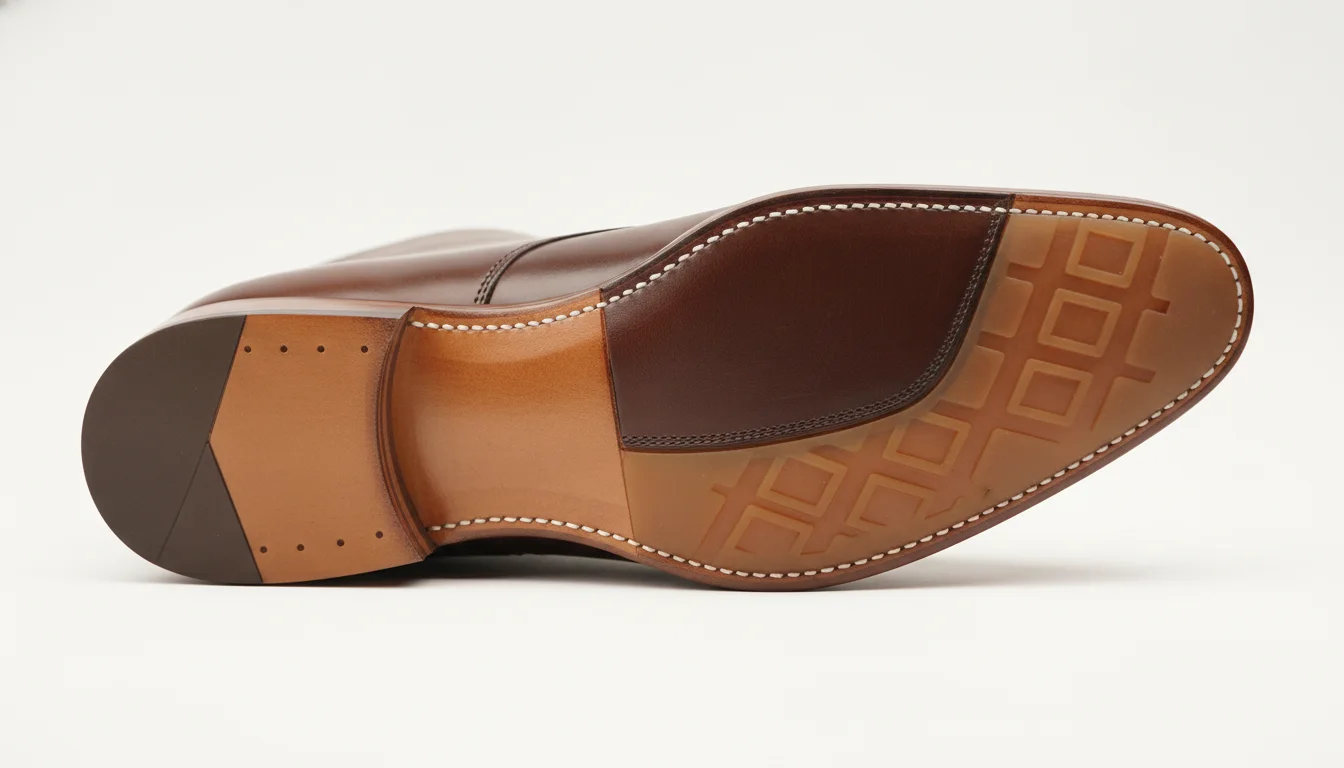
Outsole Pattern Shot: The tread pattern, slip resistance, and material type (rubber, polyurethane, neolite) should be captured from a low angle.
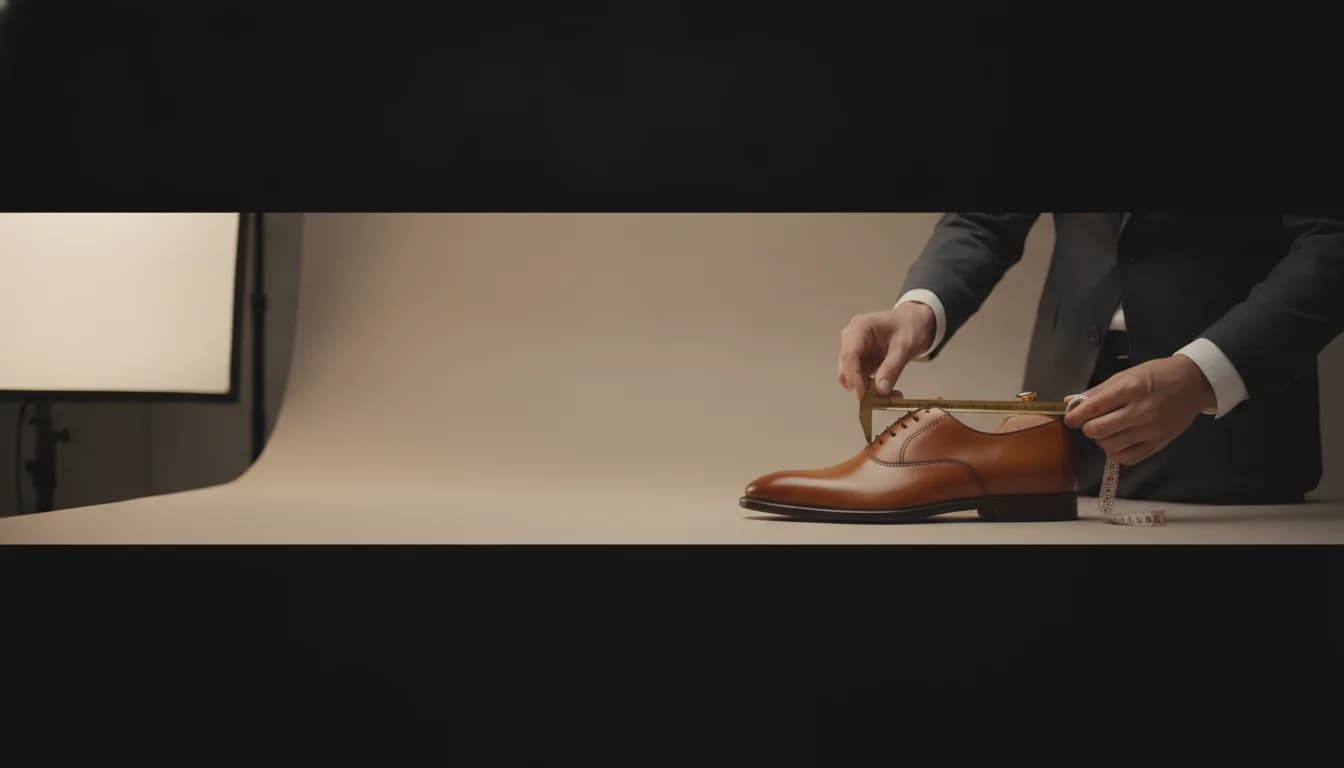
Proportional Visualization: Heel height and platform thickness should be clearly framed in side photos to accurately convey proportional perception.
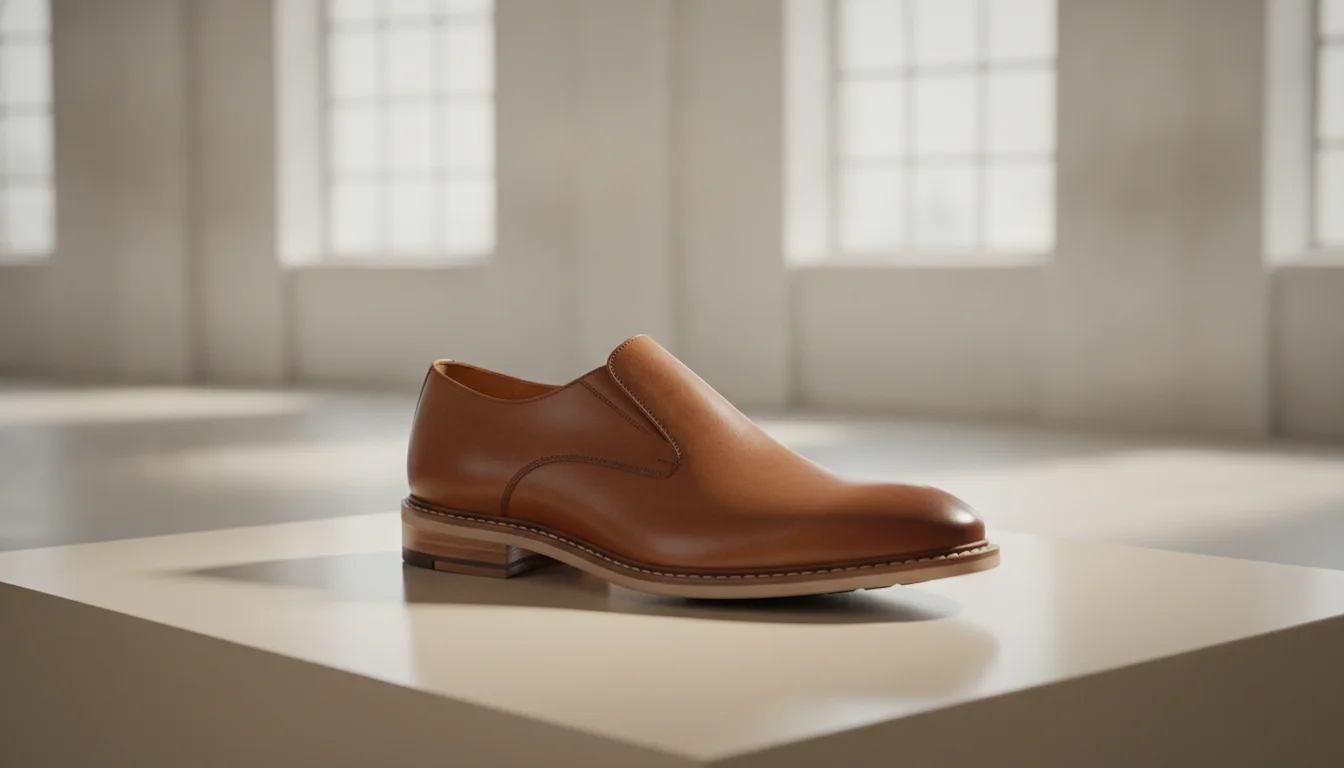
The shoe's outsole structure and stitching craftsmanship are key visual details that directly shape the customer's trust in product quality.
In summary: Macro detail and outsole photos prove material quality and craftsmanship. Texture and stitch clarity resolve all customer doubts regarding quality.
The Impact of On-Foot and Lifestyle Shots on Purchase Decisions
Studio photos with white backgrounds are excellent for conveying technical details, but to add emotion and evoke the moment of use, on-foot and concept shots are necessary. Customers want to see how the shoe fits on the foot and wraps around the ankle.
Particularly in casual and sports categories, how the product is styled directly triggers sales. When customers can imagine themselves wearing the shoe, purchasing decisions accelerate.
Fit Silhouette and Ankle Fit Images
Photos taken on a foot model clearly reveal the shoe’s last structure. The foot instep posture, ankle cut height, and foot wrapping are clarified in these shots. In men’s sports shoes or shoes with flexible fabric uppers, on-foot shots provide the most accurate information about the product’s form.
Balance of Natural Light and Verifying Angles
Excessive filter use or misleading color adjustments should be avoided in concept shoots. On-foot photos taken in natural daylight serve to verify the product’s real life color and reflections.
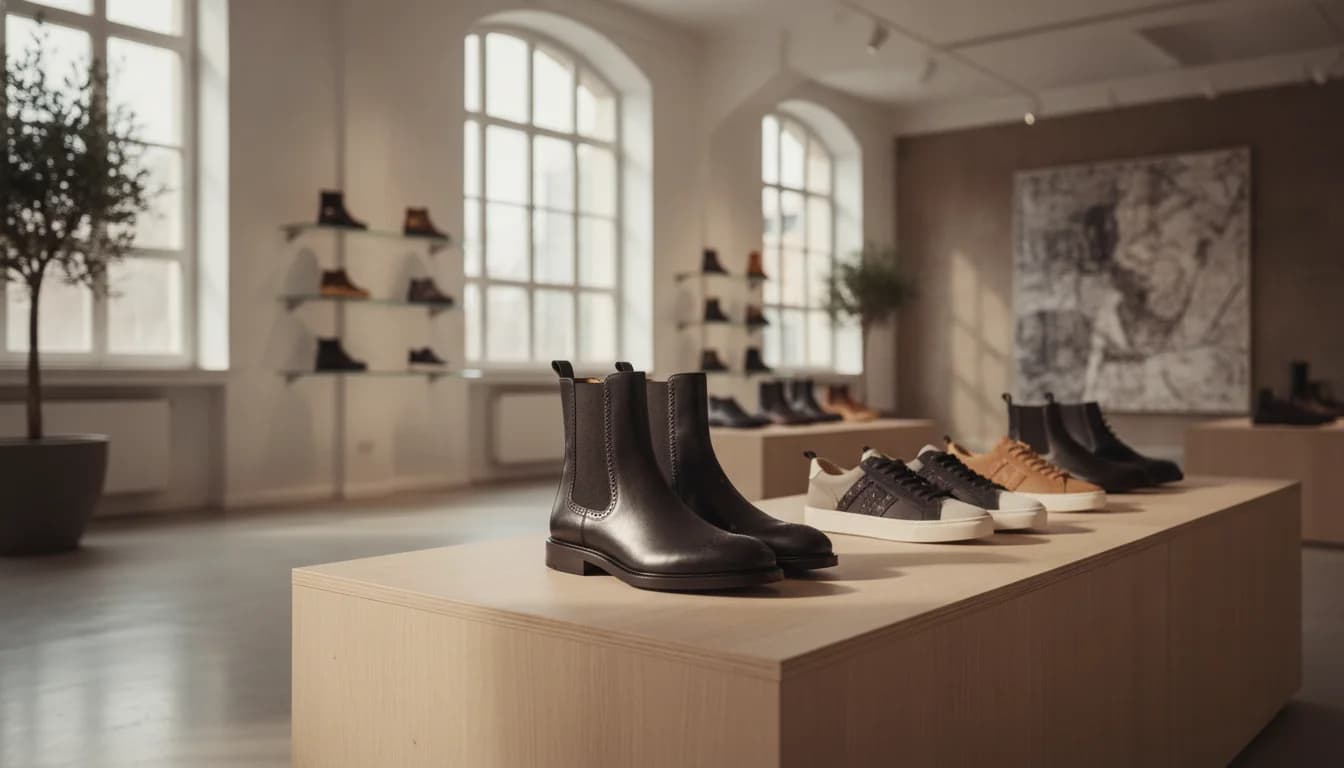
Product pages that present both studio and lifestyle shots simultaneously satisfy different customer segments seeking either technical detail or aesthetic harmony.
In summary: On-foot photos display the last and ankle fit, mentally placing customers in a usage scenario. These visuals enhance aesthetic perception and increase conversion rates.
Managing In-House Shoots and Supplier Images
One of the biggest operational challenges for boutique or e-commerce stores is sourcing visuals. Businesses without their own studio to shoot every product often rely on catalog photos provided by wholesalers or manufacturers.
However, if no consistent standard is maintained between supplier photos and in-house shots, a visual chaos emerges on the e-commerce site that damages brand professionalism.
Standardizing Supplier Catalog Images
When purchasing footwear wholesale, check if the manufacturer provides professional product photos and videos. Background whiteness, crop ratios, and light temperature of images from different suppliers should be equalized using digital editing tools.
Using the same angle (e.g., left side profile) and consistent crop ratio on the main cover photos for all products creates an organized corporate appearance on your site.
Low-Budget Studio Setup Standards for Boutiques
If supplier visuals are not available, boutique owners can take quality photos with practical solutions:
Light Tent and Softbox: Neutral light evenly distributed (5500K daylight balance) softens shadows and reveals the true color of the material.
Fixed Angle and Tripod: Shooting all products from the same height and distance ensures catalog consistency.
Neutral Background: Pure white or light gray backgrounds help focus attention fully on the shoe.
In summary: Visual consistency is essential for a professional retail store look. Standardizing supplier photos or applying practical shooting rules improves your storefront quality.
The Effect of Visual Accuracy on Return Rates and Stock Turnover
One of the highest cost factors in footwear e-commerce is return processes. The most common reasons for returns include "product not matching the photo" or "fit differing from expectations." Misleading visuals may generate sales short term but erode profitability long term.
As visual accuracy improves, the gap between customer expectation and received product narrows. This significantly reduces return rates and helps maintain stock turnover and profit margins.
Managing Color Deviation and Misleading Angle Risks
Excessive studio light glare or mismatches in screen color profiles often cause the product color to appear differently. Photos should capture the product’s true color tone as closely as possible, and color descriptions should be included in product texts if needed.
Manipulative lens angles that exaggerate heel height or make the toe appear slimmer cause customer disappointment and direct returns.
Protecting Stock Margins with Correct Assortment Visualization
When purchasing wholesale footwear by cartons, size distribution must be properly planned. Showing the shoe’s last width and size fit clearly in visuals prevents returns caused by faulty size orders.
Turning over products stocked at season start into cash quickly depends on visual quality. Stores with higher stock turnover rates protect against dead stock risk and sustain profitability.
The shoe's outsole structure and stitching craftsmanship are key visual details that directly shape the customer's trust in product quality. - different scene
In summary: Honest and technically accurate photos minimize returns. Correct visual presentation directly contributes to rapid stock clearance and margin preservation.
Visual Transparency and Choosing Correct Models in Wholesale Footwear Sourcing
Whether you run an e-commerce store or physical boutique, the visual quality of the models you display is determined at the sourcing stage. Buying from a reliable B2B platform guarantees that the delivered product matches the visual you saw online exactly.
In specialized footwear trade networks, detailed angles, material contents, and sole structures are transparently provided. This allows store owners to select correct assortments and models without surprises.
Speeding Up Sales Processes with Ready Stock Visuals
Offering only ready stock products ensures that operations start the moment an order is placed. Ready stock supported with correct visuals allows pre-sale or display on your e-commerce site even before products physically arrive.
Being able to directly download detailed videos and multi-angle photos from the supplier panel significantly reduces digital content creation costs and time for boutiques.
Strengthening Storefront with Bulkoon’s Digital Supply Network
Bulkoon, Turkey’s focused B2B footwear marketplace, unites 100+ approved manufacturers and suppliers on a single platform offering over 10,000 model options. By examining detailed visuals and product videos on the platform, you can easily choose the most suitable models for your store. To learn how the process works, visit our How It Works page.
Orders placed via the platform benefit from financing options such as 3 and 6 installments at cash price, free shipping across all 81 cities in Turkey, and fast order tracking. For international shipments, you have the flexibility to choose any shipping company. For tips in different categories and sector-specific guides, explore our How-To blog and refresh your store windows with trustworthy visuals and quality products immediately.
In summary: Working with the right supplier platform brings access to quality visuals and ready stock advantages. Transparent product presentation is the foundation of sustainable success in e-commerce.
Sources
Information in this article draws on the following sources.
Discover technical methods to present lasting information accurately and in detail to reduce return rates and increase customer satisfaction in online shoe sales.
Calculate your actual net profit and minimum sales price accurately by factoring in commissions, shipping, advertising, and returns costs when selling shoes on marketplaces.
Discover the methods to seamlessly use the same inventory pool in physical stores and online sales channels, centralized inventory integration, and assortment balance.


 8 colors