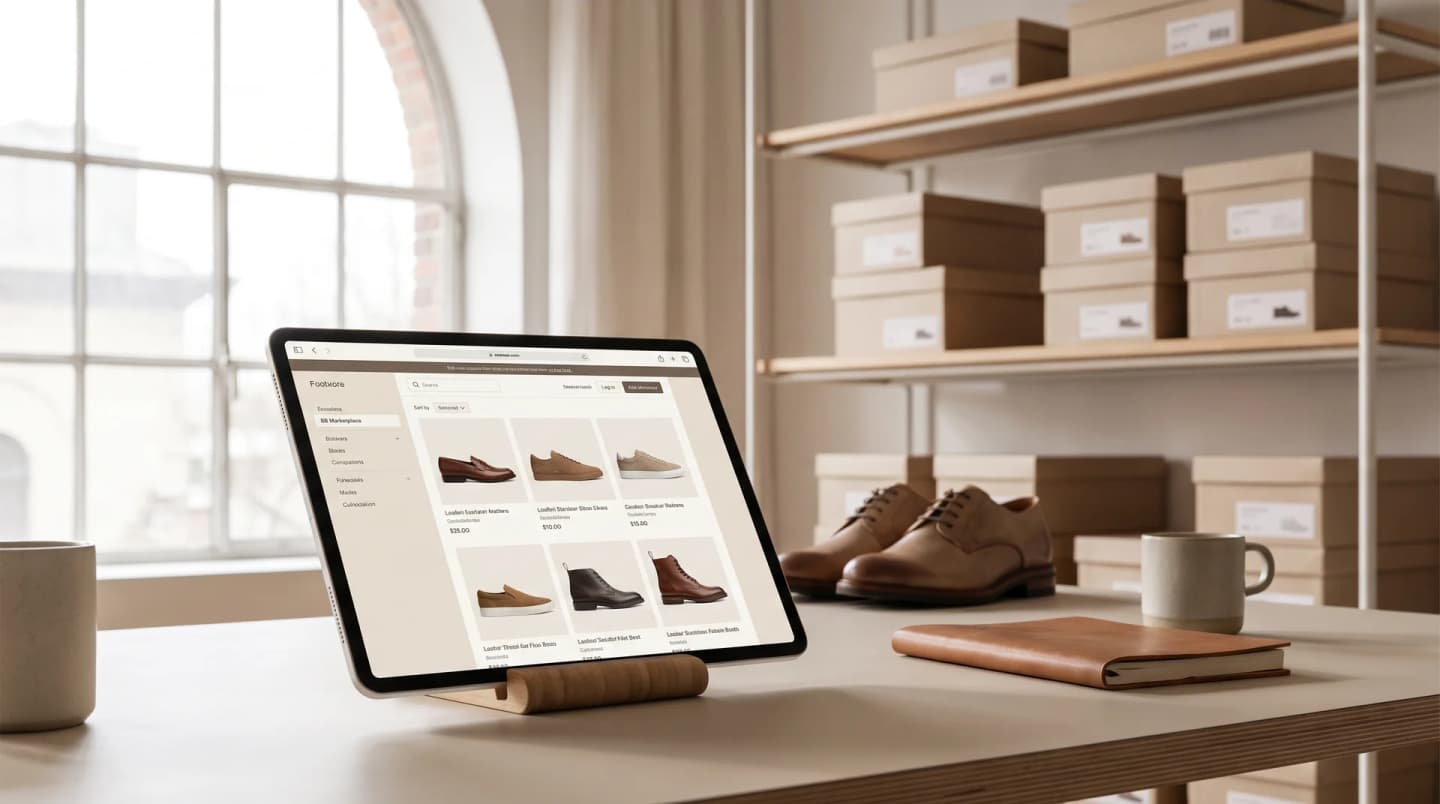
Should You Sell a Shoe Model That Goes Viral on Social Media?
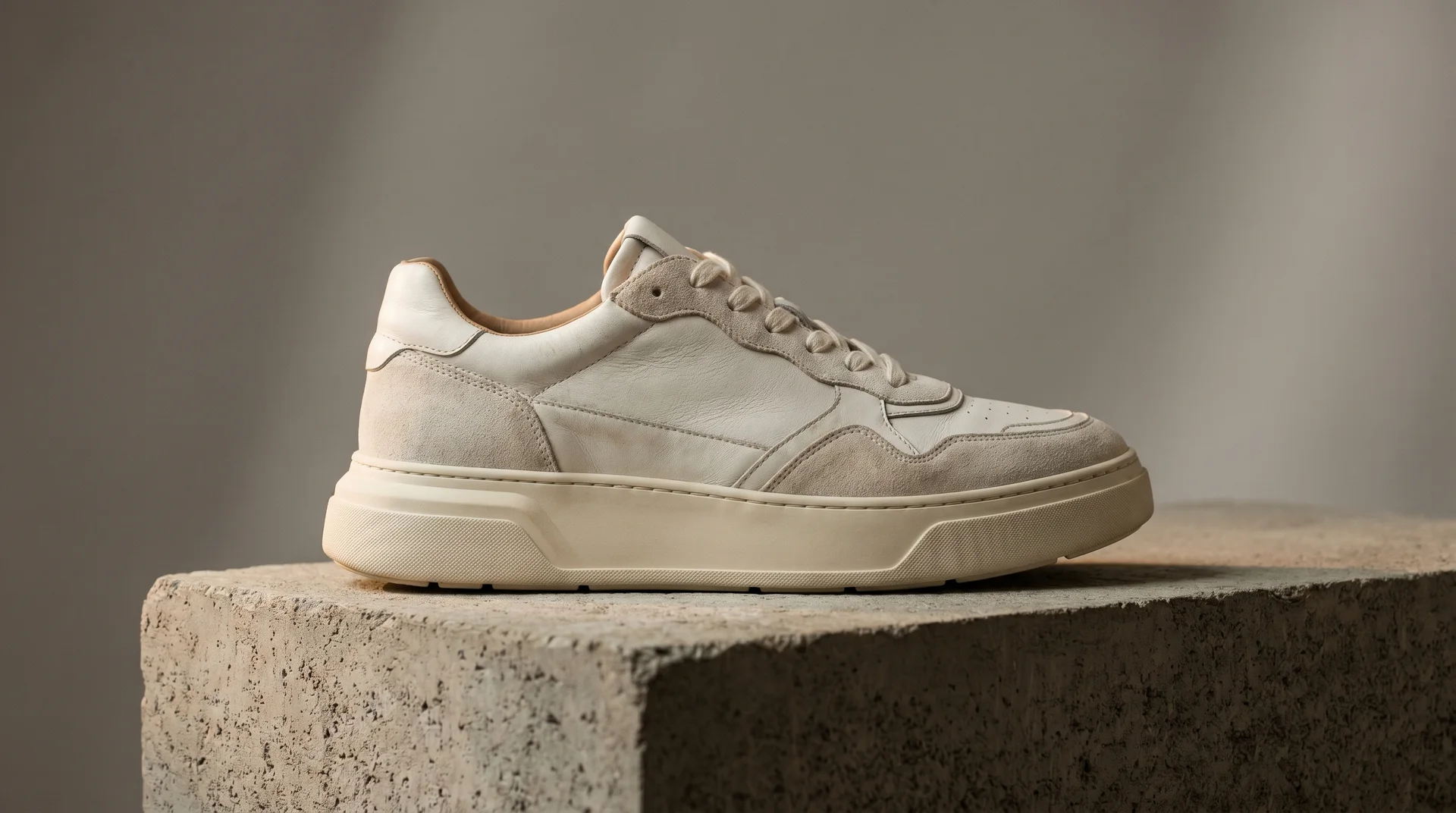
Adding a shoe model that rapidly spreads on social media to your inventory might seem like a great opportunity. However, before making this decision, you need to carefully analyze the nature of viral trends, stock and supply risks, and profitability potential. This guide aims to help wholesale buyers and boutique owners make informed moves.
Think about that shoe model that suddenly appears in your social media feed and quickly shows up everywhere. Influencers are wearing it, users are sharing it, and demand explodes overnight. As a retailer, your first question is probably: Should I immediately add this viral model to my stock? This tempting opportunity is also a complex business decision carrying serious risks. The rapid sales potential brought by momentary popularity can turn into the cost of leftover stock if the trend fades just as fast. Therefore, rather than rushing a decision, conducting a strategic analysis is the key to long-term success.
The Anatomy of Viral Trends: Opportunity or Trap?
Social media platforms have become powerful mechanisms that instantly shape consumer demands. A shoe that becomes popular overnight can significantly increase turnover for retailers who act at the right time. However, this dynamic also brings unpredictability. It is critical to understand how long a trend will last, which demographics it affects most, and whether it will translate into real purchasing power.
Micro Trends and Macro Effects
Not every trend emerging on social media has the same impact. Some remain as "micro trends" lasting only a few weeks, while others influence a broader consumer base, leading to lasting style changes. For example, a women's sports shoe model highlighted with a specific color or material might be a short-term focal point. However, if this model is part of a larger macro trend towards comfortable and stylish shoes in general, its popularity can be more sustained. Wholesale buyers’ ability to distinguish this directly affects return on investment.
How Do "Likes" and "Shares" Turn Into Real Sales?
High engagement rates do not always mean high sales. A product going viral shows that it has been seen and talked about by many, but how much of this interest converts to purchase intent is uncertain. Potential customers may like or save the product but might lack the motivation to proceed to payment. Factors such as product price, accessibility, and the target audience’s purchasing power come into play here. Before deciding to sell a viral product, you need to question the true demand behind the engagement.
Demand Analysis and Risk Assessment
The decision to add a viral model to your inventory should be based more on data than instincts. Correctly analyzing potential demand and anticipating risks protects you from turning a profitable investment into an unsellable stockpile. This process requires understanding both your own customer base and your supply chain capabilities.
Alignment of Your Target Audience with the Trend
If your store has a loyal customer base, the first question to ask is: Does this viral model fit the style and expectations of my existing customers? For instance, if you're a boutique selling classic and timeless pieces, stocking a flashy and momentary trend may conflict with your brand identity. Consider a hypothetical scenario: A store that typically sells women's heels and classic ballet flats brings in a neon-colored, chunky-soled sneaker model just because it’s viral; the existing customers might not be interested in this product. Instead, you could reduce risk by adapting the trend to your clientele, for example by offering a more subdued color variant of the viral model.
Supplier Reliability and Production Capacity
When a product goes viral, demand can quickly exceed production capacity. This situation paves the way for unlicensed producers to flood the market with low-quality imitations. Finding a reliable supplier is crucial here. You must ensure your supplier can meet sudden demand swiftly without compromising quality standards. Platforms like Bulkoon help minimize this risk by working only with approved suppliers. Clarifying the supplier’s stock availability, minimum order quantity (MOQ), and delivery times clearly will prevent operational issues.
Stock Management: Does Fast In Mean Fast Out?
Stock management is the most critical aspect of viral products. Their popularity curve usually shows a very steep rise followed by an equally rapid decline. Therefore, you need a more agile and dynamic approach rather than traditional stock management strategies. The goal is to maximize sales while the trend is at its peak and minimize leftover stock when the trend fades.
Assortment and Size Distribution: The Footprint of the Viral Model
A standard shoe size run (for example, sizes 36-40) may not always be the right fit for a viral model. Since the demographics driving the trend tend to be younger, demand for middle sizes like 37-38 can increase disproportionately. Ordering with the wrong size distribution can cause best-selling sizes to sell out quickly, leaving you with excess stock in sizes like 36 or 40. To manage this risk, it’s wise to start, if possible, with smaller, focused assortments or discuss flexible ordering terms with your supplier.
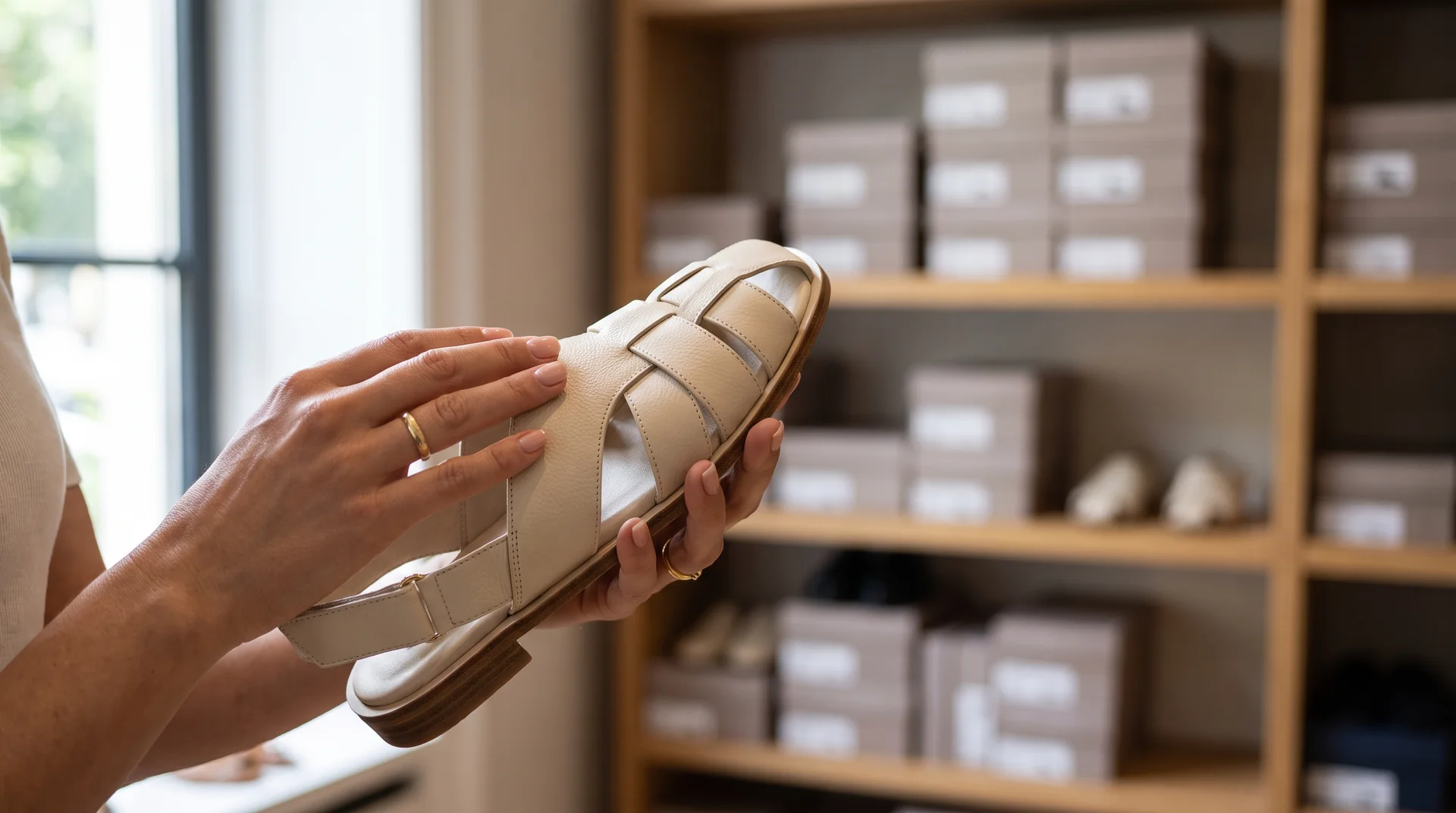
Season and Stock Turnover Rate: Calculating the Life Span of the Trend
The stock turnover rate of a viral product should be much higher than that of a classic model. You do not have the luxury of holding these products in stock for long. From the moment you place the order, you must realistically estimate how long the product’s popularity will last. Typically, the life span of such trends is between 4 and 8 weeks. You should aim to sell all stock within this short time frame. The fact that products on Bulkoon are only ready stock offers a significant advantage in these time-critical operations. Your order ships quickly, allowing you to offer the product to your customers during its hottest period.
Pricing and Marketing Strategies
The success of a viral product depends not only on sourcing it at the right time but also on correct pricing and effective marketing strategies. High demand provides an opportunity to increase profit margin, but incorrect pricing can alienate customers or harm your brand image. Marketing is the key to converting this temporary interest into tangible sales.
The Art of Maintaining Profit Margin
Raising the price somewhat on a highly demanded product might be tempting. However, this must be done carefully. Excessive price hikes can create a perception of "opportunism" among customers. Instead, aiming for gains through volume by maintaining or slightly increasing your standard profit margin is a more sustainable strategy. Additionally, you can increase average basket size by offering the product bundled with other items. For example, marketing a viral sneaker model together with matching socks or shoe care products.
In-Store and Digital Marketing Tactics
Once you add the product to your stock, you need to announce it. There is no need to create a marketing campaign from scratch for a product already popular; riding the existing wave is enough. Announce the arrival on your social media accounts, reshare content from influencers using the product, and encourage user-generated content from your customers. Allocating special space in your store window or on your website homepage enhances visibility. In this process, messages emphasizing why customers should buy from you (fast shipping, trusted seller, etc.) are important.
Do Not Neglect Quality and Customer Satisfaction
One of the biggest pitfalls of fast fashion and viral trends is quality. As producers accelerate processes to meet increasing demand, they may skip quality control steps. Though this might boost short-term sales, it can seriously damage brand reputation in the long run. Customer satisfaction is far more valuable than a passing trend.
Quality Risks of Fast Production
The sudden popularity of a shoe model puts great pressure on the supply chain. Under this pressure, material quality may be compromised, stitching defects can increase, or inconsistencies in mold shapes may occur. Before buying wholesale, it is important, if possible, to request a sample or research the quality of your supplier’s past products. Working with reliable and established brands significantly reduces this risk. Remember, a customer disappointed by a poor-quality product is unlikely to buy from you again.
Return Rates and Brand Reputation
Low-quality products also lead to high return rates. Each return represents both an operational cost and potential loss of customers. Being known as a store that consistently sells problematic products can erode the brand trust you have built for years. When entering a viral trend, ensure the product aligns with your brand’s overall quality perception. Every product you offer carries your signature. Therefore, never compromise on quality for short-term gain.
Conclusion: Making an Informed Decision
Selling a shoe model that goes viral on social media can be a highly profitable venture if managed correctly. However, this decision should be treated more like a strategic chess move than a gamble. Understanding the nature of the trend, evaluating its fit with your target audience, ensuring supplier reliability, and carefully calculating stock risks are critical steps. Hasty decisions often lead to regret. Instead, a data-driven, calm evaluation protects you from financial losses and strengthens your brand reputation. Digital wholesale platforms like Bulkoon are designed to make this process easier. You can explore the wide product range, review models from approved suppliers, and confidently place your orders to stay ahead in this dynamic market.
Sources
Information in this article draws on the following sources.