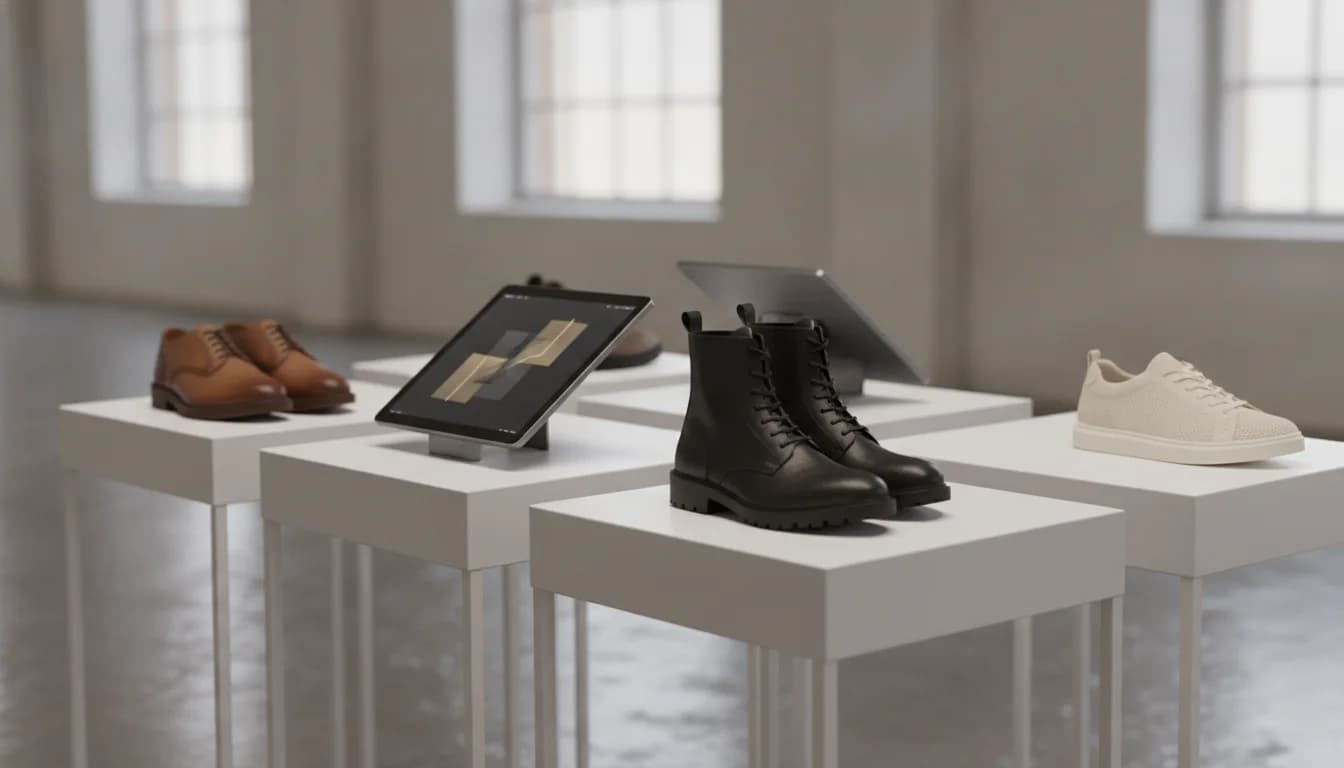
The Future of Digital Wholesale Shopping: Are Physical Showrooms Becoming Obsolete?

As wholesale purchasing processes digitize, the role of physical showrooms is transforming. Advantages like 24/7 access, extensive product catalogs, and data-driven decision-making highlight digital platforms. Discover what this change means for the footwear industry and the future of hybrid models.
Wholesale footwear purchasing once meant lengthy intercity trips, tightly scheduled appointments, and hours spent inside physical showrooms. This process was indispensable for viewing suppliers' collections, feeling material quality, and manually placing orders. However, technology is radically transforming this traditional commerce dynamic. The 24/7 accessibility, instant stock updates, and one-click access to thousands of models offered by digital wholesale platforms leave buyers with this question: Are physical showrooms now unnecessary?
The Traditional Showroom Experience: Pros and Cons
It may still be premature to completely discard physical showrooms. This traditional model offers some unique advantages, especially in a sector like footwear where tactile quality is critical. Yet, these advantages come balanced with significant operational and financial burdens.
Touch and Feel Advantage
Feeling the softness of the shoe’s leather, the flexibility of the sole, or the sturdiness of its stitching is among the most important decision criteria for a buyer. Physical showrooms allow direct contact with the product. Testing how colors appear under different lighting conditions and assessing the fit and size firsthand are experiences that digital platforms cannot fully replicate. This direct interaction plays a critical role in building trust, especially when engaging with a new supplier or evaluating a premium collection.
Logistics and Time Costs
The greatest disadvantage of the traditional showroom model is logistical complexity and high costs. Visiting multiple suppliers across cities or regions requires considerable travel, accommodation, and time investment. This poses a significant barrier especially for small and medium boutique owners. Digital solutions offered by platforms like Bulkoon eliminate these costs and allow buyers to invest capital directly in products. Physical visits also depend on specific seasons or fair schedules, limiting buyer flexibility and market responsiveness.
The Rise of Digital Wholesale and Its Benefits
Digital B2B platforms revolutionize wholesale purchasing by making it more efficient, accessible, and data-driven. These platforms democratize trade by removing geographic and time limitations that traditional models impose.
24/7 Accessibility and Geographic Independence
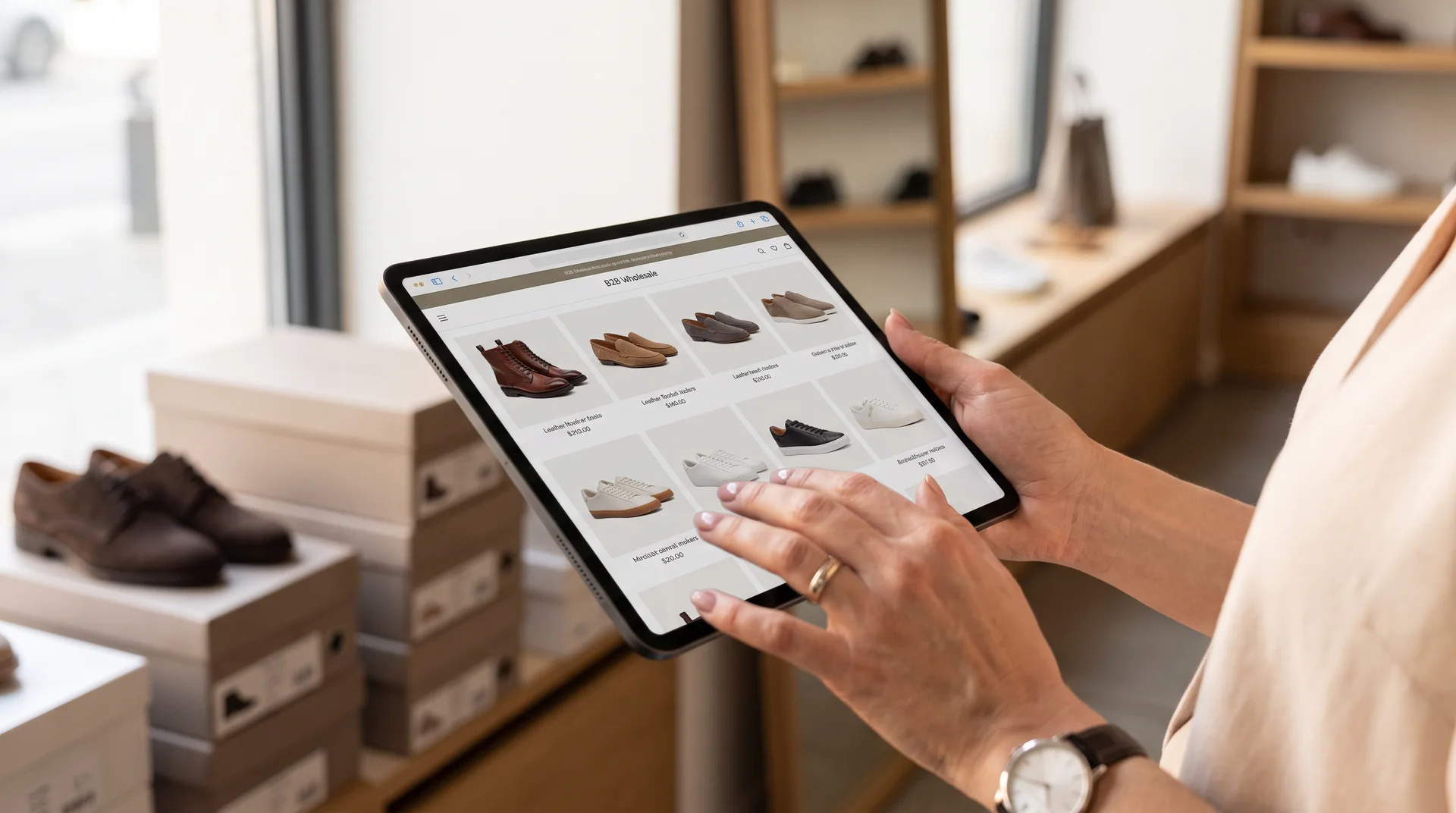
The primary advantage of a digital marketplace is removing time and location restrictions. A store owner can browse thousands of products anytime and anywhere in the world. They can immediately meet a stock need at midnight or explore new seasonal collections during a quiet weekend. This flexibility lets buyers source supplies at the optimum time for their workflow. For instance, Bulkoon’s selection of over 10,000 models delivers a range far too vast to explore in just a few days of travel.
Data-Driven Decision Making
Digital platforms equip buyers with powerful analytical tools. It is easy to filter best-selling products, popular colors, or price ranges within specific categories. Artificial intelligence-supported smart selection tools offer personalized recommendations based on a buyer’s previous preferences and store profile, thus accelerating the discovery process. This data-driven approach replaces gut decisions with informed, strategic purchases. Buyers can analyze which women’s sneakers are most in demand or which men’s sneakers styles offer higher margin potential to make more profitable choices.
Integrating Physical and Digital Worlds: The Hybrid Model
The question does not have to be “physical or digital.” The future most likely lies in a hybrid model that combines the best of both. This model unites digital efficiency with physical tactile assurance to provide an optimized buyer experience.
Digital Discovery, Physical Verification
The most common hybrid scenario begins the sourcing process on a digital platform. Buyers discover and filter potential models, brands, and suppliers online, forming a shortlist from thousands of products. This pre-selection significantly saves time and costs. Subsequently, they may plan showroom visits only for the finalist products or suppliers. This focused physical visit becomes far more efficient. Buyers go to the showroom knowing exactly what to look for, allocating time to verify the most critical products.
Virtual Showrooms and 3D Models
Technology further blurs the line between physical and digital. High-resolution product videos, 360-degree rotatable 3D models, and augmented reality (AR) applications offer buyers an almost tangible experience in virtual environments. A buyer can better understand the heel structure or material texture of a women’s high heel through detailed videos. These technologies reduce reliance on physical showrooms while enhancing the richness and reliability of the digital experience.
Building Trust and Supplier Relationships on Digital Platforms
Trust is fundamental in wholesale trade. In the physical world, trust builds through face-to-face meetings and long-term relationships. Digital platforms develop different mechanisms that often ensure greater transparency and scalability.
The Importance of an Approved Supplier System
A trustworthy digital marketplace verifies every supplier through a meticulous screening process. Bulkoon’s approved supplier policy guarantees buyers work only with firms that have clean records, established production capacity, and reliability. This curation abolishes high-risk and time-consuming research that buyers would otherwise conduct across hundreds of potential suppliers. Buyers can be confident that the brands and suppliers meet specific quality standards.
Transparent Communication and Order Tracking
Digital platforms centralize communication and order management, increasing transparency. Buyers can track every stage of their orders (approval, preparation, shipping) in real time. All correspondence and agreements with suppliers are recorded on the platform, preventing disputes. Instant notifications and transparent process management open a continuous communication channel between buyer and seller, removing uncertainties caused by physical distance and establishing a solid business relationship.
Operational Effects of Digitalization in the Footwear Industry
The shift to digital wholesale platforms is not merely a change in purchasing method but a strategic step that affects the operational efficiency of retailers. This effect is especially visible in inventory management and responsiveness to market trends.
The Power of Real-Time Data in Inventory Management
Under traditional methods, order confirmation and stock status after a showroom visit could take days, leading to significant stock planning errors. Digital platforms typically list products with only ready stock, meaning the items seen and ordered are truly available. Real-time stock data enables store owners to rapidly replenish sold-out items and avoid costly overstock. This improves cash flow and raises inventory turnover rates.
Capturing Trends and Rapid Reaction
Footwear fashion changes rapidly. A color or model popular one season can be completely replaced by new trends the next. Digital platforms display hundreds of suppliers’ new collections simultaneously, enabling buyers to keep market pulse. Boutique owners can discover the latest trends before competitors and bring them to their stores faster. This agility is critical for gaining a competitive edge and satisfying customer expectations. For further information and industry analysis, visit the Bulkoon Blog.
Conclusion: Is the Future Digital or Hybrid?
Physical showrooms may not completely disappear, but their role is certainly evolving. They no longer serve as the primary discovery and purchasing centers but become places for final verification or experience areas for niche, premium products that begin their journey digitally. The cost savings, time efficiency, product variety, and data-driven decision-making offered by digital wholesale platforms make them indispensable for modern retail. For footwear buyers, the future will be shaped by a smart and flexible hybrid model that centers digital speed and efficiency while taking advantage of physical contact power when necessary.
Sources
Information in this article draws on the following sources.