Which Footwear Is More In Demand During the Winter Season?
The winter season can be the peak period for profitability with the right product selection for wholesale buyers. This guide offers strategies to help you identify the most in-demand boots, shoes, and waterproof models for your store, plan stock and size runs, and work with reliable suppliers.
The winter season is both a major opportunity and a challenging period requiring proper planning for footwear retailers. Consumers seek models that not only protect from cold and precipitation but also combine style and functionality. This situation necessitates wholesale buyers to be far more strategic when building their collections. Having a successful season is possible not only by stocking popular models but also by effectively managing material quality, size distribution, and supply processes. This guide will detail which boots, shoes, and waterproof footwear to focus on when building your winter collection and what key points to consider throughout this process.
Winter Season Essentials: Boot and Shoe Categories
The stars of footwear departments in winter are undoubtedly boots and shoes. However, knowing which styles stand out within this broad category is critical for making the right purchasing decisions. Consumer demands balance timeless classic designs with functional models reflecting current trends. Creating a mix that suits your store’s customer profile will maximize your sales potential throughout the season.
Investing in the right categories ensures fast-selling stock, while incorrect choices may leave you with leftover items at the end of the season. Therefore, keeping up with market tendencies and offering variety that covers both basic categories and niche demands is essential. This distinction is especially evident for women's boots and shoe models and men’s collections.
Classic and Timeless Models: Chelsea and Leather Boots
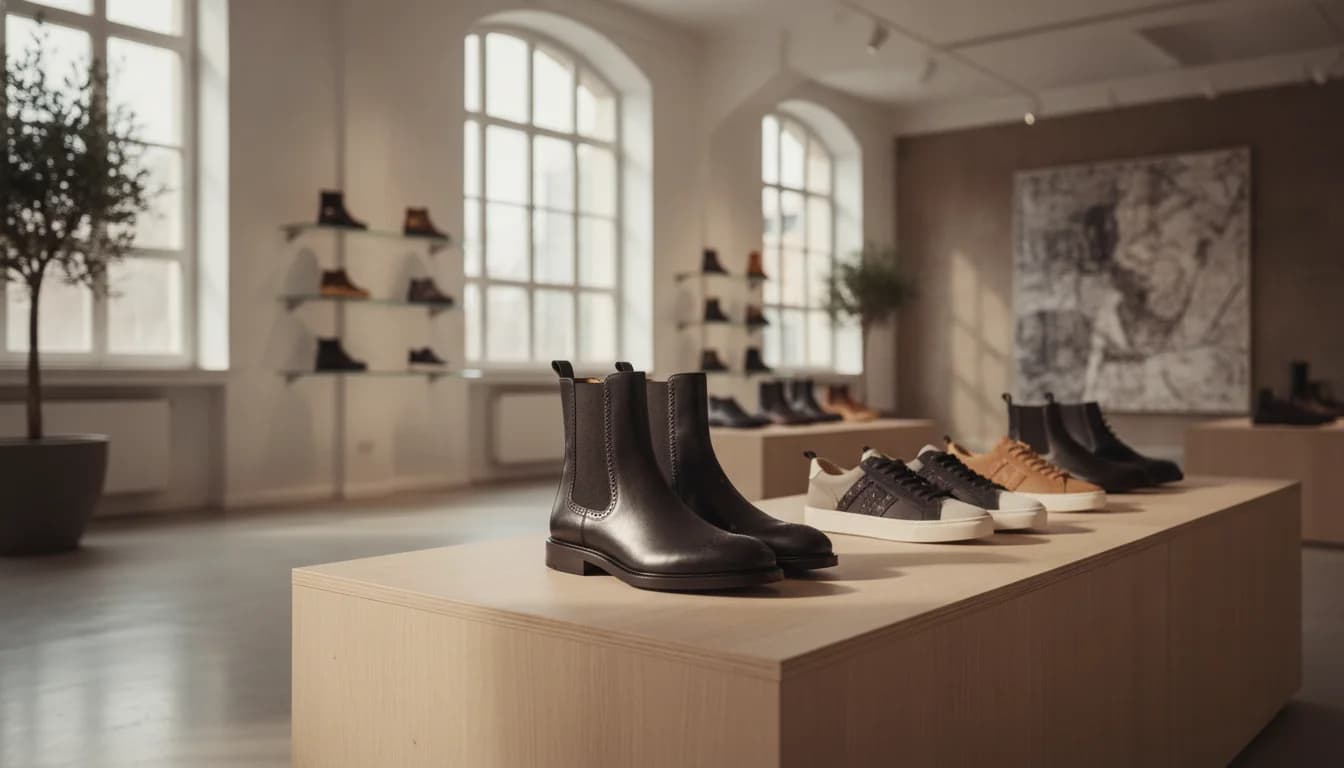
Some models maintain their popularity every winter season. Chelsea boots top this list for both men’s and women's collections. Their easy slip-on design and compatibility with various outfits make them a favorite among urban consumers. Versions made from genuine leather or high-quality synthetic leather consistently attract demand as they combine durability and elegance. Including Chelsea boots in key colors like black, brown, and tan in your wholesale purchases is a safe investment.
Functional and Trend-Focused Choices: Snow Boots and Waterproof Lace-Up Shoes
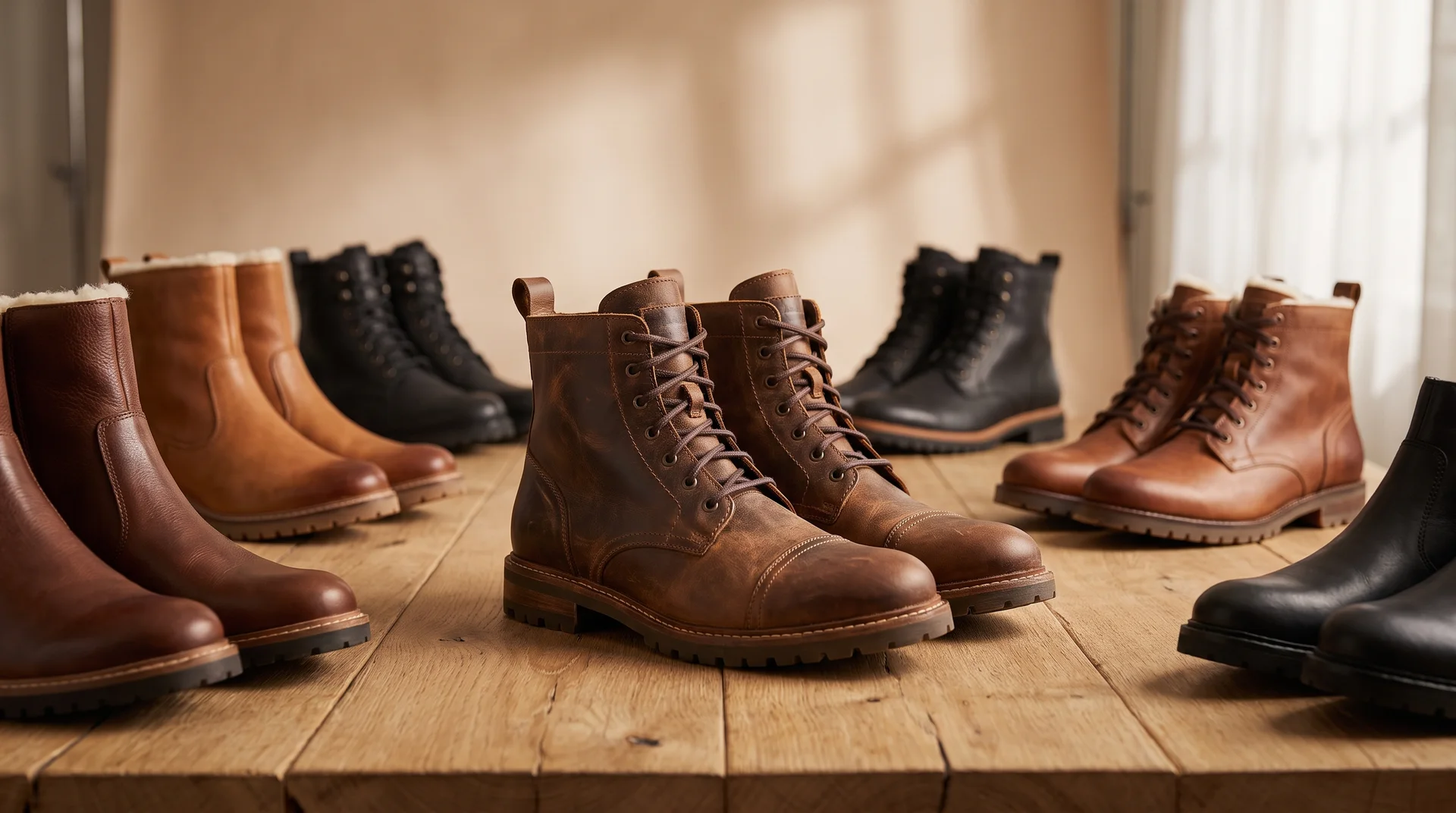
In recent years, functionality has overtaken aesthetics. For customers in regions with severe winter conditions, snow boots and waterproof lace-up shoes are essential. These models with thick, slip-resistant soles and insulated inner linings provide not only protection but are also part of outdoor and street fashion trends. Lace-up shoes are particularly popular among young and active lifestyle consumers. When buying in this category, clearly understanding the technical features (waterproofing, sole material, etc.) from suppliers allows you to provide accurate information to customers.
The Importance of Material Quality and Technology
The value of a winter shoe is largely determined by the quality of materials used and the technological features it possesses. Customers now focus not only on design but also on how well the footwear will protect them in harsh weather conditions. Hence, material details and production specifics become criteria as important as price when buying wholesale. High-quality materials extend product lifespan and increase customer satisfaction, fostering brand loyalty.
When selecting suppliers, working with companies that provide clear information about materials and technology in product descriptions offers long-term advantages. On platforms like Bulkoon, you can review product details and sometimes even product videos to get a clearer idea of material quality. This enables more informed decisions even without physically seeing the product.
Waterproofing and Insulation Features
During winter, “waterproof” labeling is one of the strongest selling points. Leather and synthetic materials reinforced with waterproof membranes or treated with special processes keep feet dry. When purchasing, it is important to inquire not only about the material but also whether stitching is insulated, as water often seeps in through seams. Good insulation keeps feet warm in cold weather. Inner linings like wool, fleece, or thermal materials directly affect the comfort and functionality of footwear.
The Role of Sole and Lining Selection
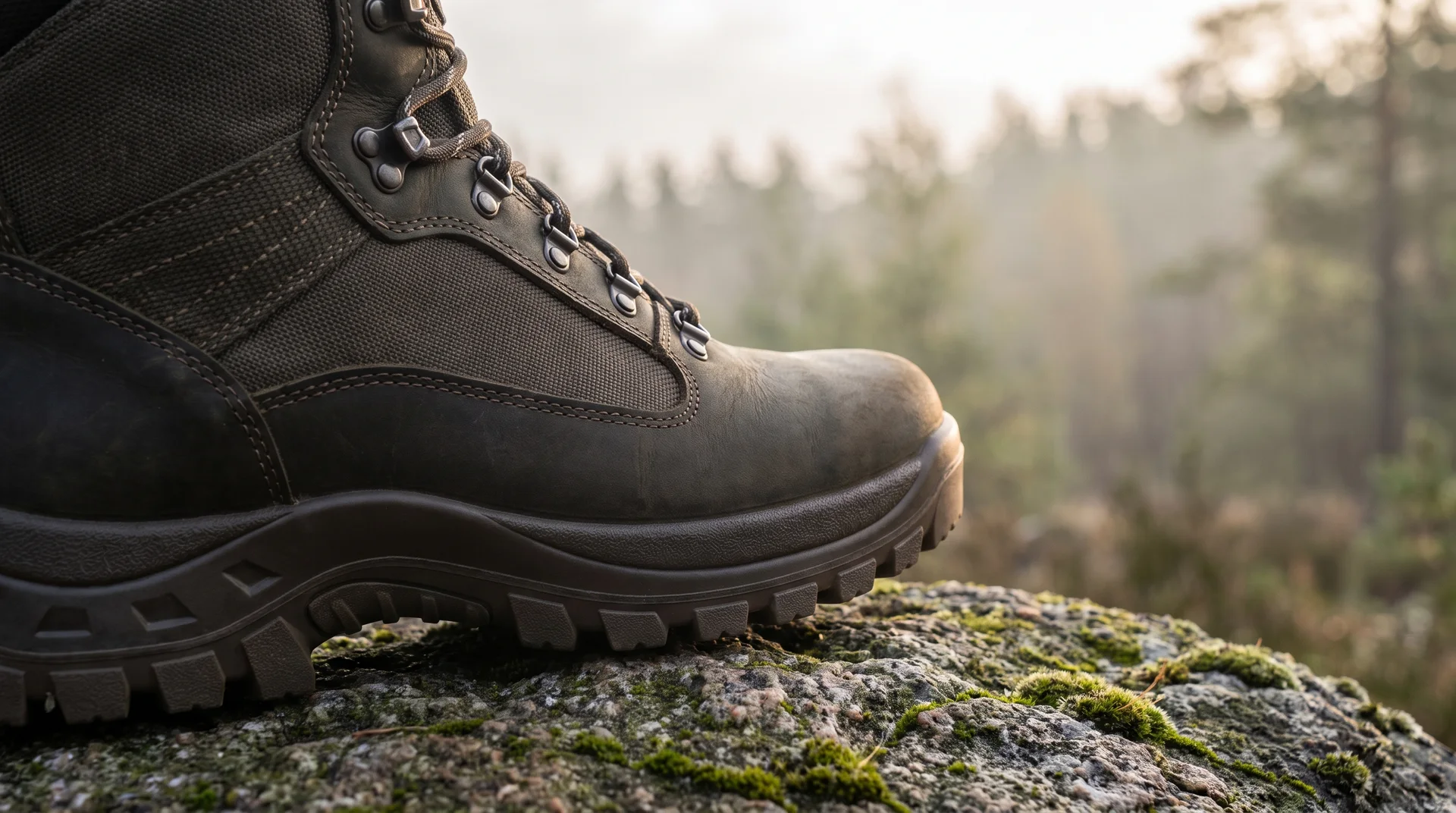
The sole serves as the foundation of safety and comfort in winter shoes. In particular, soles made from flexible materials such as rubber with deep treads, which prevent slipping on snowy and icy surfaces, should be preferred. Thermoplastic or polyurethane soles are also good alternatives for lightness and durability. The lining selection determines the shoe’s capacity for warmth retention. Natural wool linings provide the best insulation, while synthetic thermal linings can be cost-effective and efficient solutions. These details influence the product price and the target customer segment directly.
Profitability through Stock and Size Run Management
Sales concentrated within a specific period, such as the winter season, make stock and size run management vital for retailers. Choosing the right models is only part of the equation; having these models available in the correct sizes and at the right time in stock is the key to profitability. Leftover sizes or sold-out popular models by the end of the season can directly affect your potential income. Therefore, your wholesale purchasing strategy should be data-driven and predictive.
Effective management starts with pre-season planning and continues with dynamic adjustments during the season. Having reliable supply channels is essential to accelerate stock turnover for fast-moving models. Platforms like Bulkoon, which offer only ready stock, ensure orders are quickly processed and help retailers avoid unplanned stock costs.
How to Plan the Correct Size Distribution (Size Runs)?
Size distribution in winter boots and shoes can differ from summer footwear. Customers might prefer a half or full size larger considering wearing thick socks. Generally, sizes 37-38-39 for women and 41-42-43 for men are best sellers, but demand for neighboring sizes such as 40 and 44 may increase in winter products. Instead of ordering a standard size run, it is wise to discuss flexible size run options with your supplier or create custom assortments with more popular sizes included. Analyzing sales data from previous seasons is the most reliable guide for this planning.
Seasonal Stock Turnover Rate and Supply Processes
The winter season is short, and most sales concentrate in certain months. Maintaining a high stock turnover rate, meaning selling products quickly after reaching the shelves, is essential. The goal is to enter the end of the season with minimal leftover stock before large discounts begin. For this, it is important to work with suppliers who can promptly provide additional orders upon evaluating sales performance after the initial purchase. Access to a network of trustworthy and approved suppliers prevents sales losses by quickly replenishing your best-selling models.
Consumer Trends and Marketing Strategies
Presenting the right product to customers appropriately is as important as sourcing the right product. Today’s consumers seek products that meet not only their needs but also their values and aesthetic expectations. Considering current trends and consumer preferences while marketing your winter collection will give you a competitive edge. Every detail-from the color palette and material choices to sustainability emphasis and digital marketing channels-can impact sales performance.
Adapting your storefront and social media posts to the season’s vibe is an effective way to attract potential customers. For example, a short video highlighting the features of a waterproof boot or a photo of a shoe presented with various outfit combinations better communicates product value. Such content positively influences customer purchasing decisions.
Sustainability and Ecological Materials
Environmental awareness is increasing among consumers. Products made from recycled materials, vegan leather, or those with reduced water and carbon footprints during manufacturing have become important choices, especially for conscious audiences. When purchasing wholesale, asking your suppliers if they offer such products and including sustainable options in your collection adds value to your brand. Highlighting these features on product labels and marketing materials helps build a deeper connection with your target audience.
Key Trends in Color and Style Palette
As every winter, classic colors like black, brown, gray, and tan form the backbone of collections. These safe colors consistently achieve the highest sales volumes. However, incorporating trend colors such as cream, khaki, burgundy, or olive green adds dynamism to your collection and attracts fashion-focused customers. In terms of style, besides minimalist and simple designs, bold models with chunky soles and metal accessories like chains or buckles also see demand. A balanced collection appeals to both classic and trend-oriented customers.
Supplier Selection and Reliability in Wholesale Purchasing
The supplier you work with during a critical period like the winter season directly affects your success. The right supplier not only provides quality products but also ensures timely delivery, consistent quality, and transparent communication. A poor supplier choice can result in delayed deliveries, quality issues, and stock problems, risking your entire season.
Therefore, when selecting suppliers, evaluate factors such as their history, production capacity, and market reputation-not just price. A reliable partner will support you in overcoming challenges you may face throughout the season. Working with suppliers specializing in specific categories like men’s winter footwear can be particularly beneficial.

Production Capacity and Delivery Times
Timing is everything for seasonal products. Boots you order need to be in your store on time-not after snowfall. Before finalizing a supplier agreement, clearly understand their production capacities and average delivery times. Considering you may need to place additional orders mid-season, inquire about their ability to produce and ship quickly. Large, established manufacturers usually provide more reliable delivery times, while smaller and flexible workshops can respond faster to special requests.
Advantages of Digital Wholesale Platforms
Traditional wholesale purchasing methods require traveling city to city and attending fairs, while digital platforms radically change this process. B2B marketplaces like Bulkoon gather hundreds of manufacturers and thousands of models on a single screen. This saves buyers time and cost. Without expenses like flights or accommodation, you can compare and find the right products from over 10,000 model options across Turkey. Detailed filtering lets you list models with desired features (e.g., waterproof, leather, specific sole types) within seconds. This efficiency saves you time to make strategic decisions, especially during busy seasons.
Final Steps to Successfully Build Your Winter Collection
Increasing footwear sales in the winter season is achievable through careful planning and right product selection. A successful collection balances timeless classics like Chelsea boots with functional and protective models like snow boots. Material quality, waterproofing, and slip-resistant soles directly influence customer satisfaction and perceived product value. Wholesale purchases made considering these factors will determine your store’s seasonal performance.
Optimizing stock turnover and planning the correct size assortment are keys to maximizing profitability. Working with reliable suppliers and leveraging the efficiency offered by digital wholesale platforms provide you with a competitive advantage in this process. Now, you are ready to consciously build your winter collection and offer your customers the best products that combine style and protection. For more strategies, you can check our other blog posts.