5 Major Trends Changing Footwear Retail in 2026

As 2026 approaches, footwear retail is undergoing a profound transformation driven by digital sourcing, data-driven purchasing, and micro trends led by social media. Success in this change requires adaptation to new generation dynamics like real-time inventory management, mobile-first wholesale trade, and sustainability.
Footwear retail is rapidly moving away from the slow and cumbersome supply models of the past. Success for store owners today means not only finding the right product but also sourcing it at the right time, the right price, and in the most efficient way possible. With 2026 on the horizon, dynamics that fundamentally change the industry and invalidate traditional methods are becoming more apparent. In this new era, gaining a competitive edge depends on the ability to adapt to technology, data, and instantaneous shifts in consumer behavior. Long trips and uncertain delivery times are giving way to a digital, real-time supply ecosystem manageable right from your smartphone.
1. Digital Sourcing and Real-Time Inventory Management
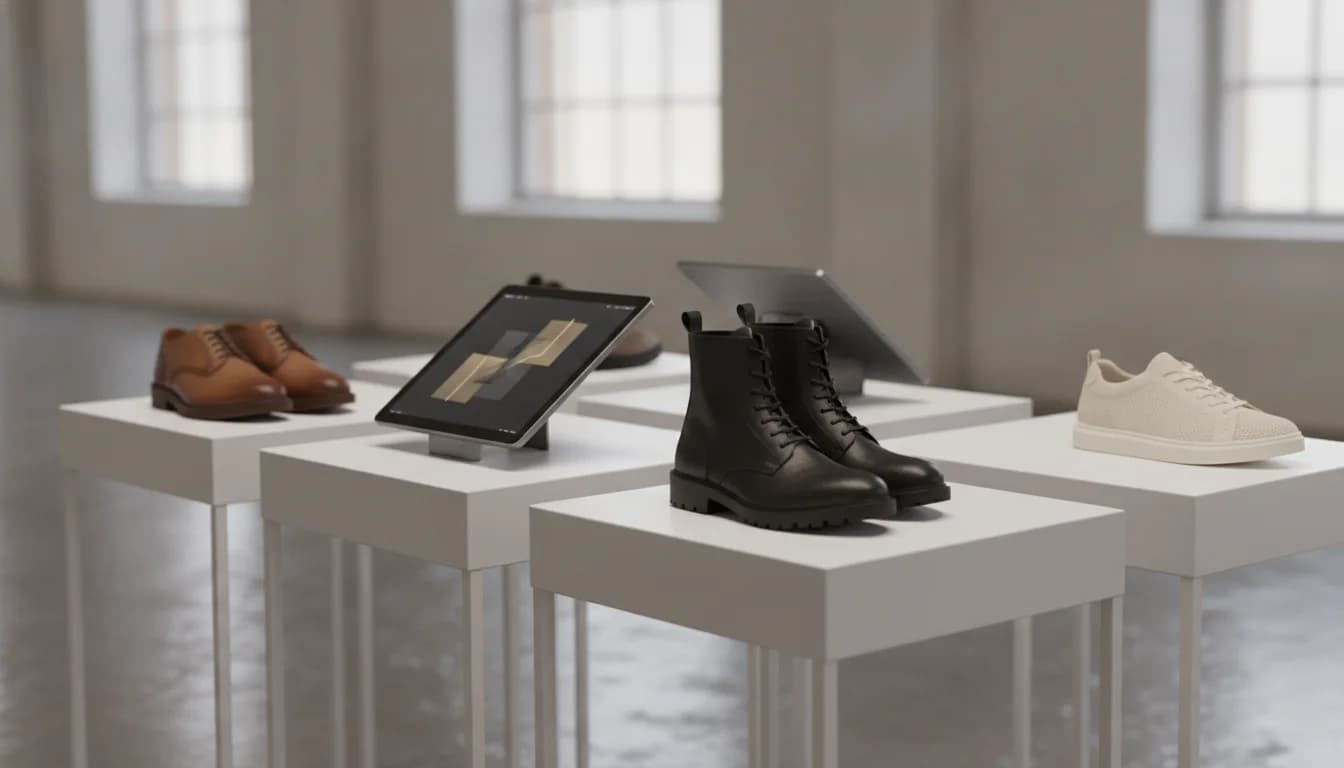
Traditional wholesale purchasing processes - touring trade shows, spending time at wholesale centers, and waiting for long production cycles - are losing efficiency in today’s fast-paced retail world. Digitization is rewriting the rules by making the supply chain more transparent, faster, and accessible. Store owners can now instantly access hundreds of manufacturers and thousands of models regardless of geographic constraints.
The Rise of Wholesale Marketplaces
Online B2B marketplaces have become central discovery and sourcing platforms for footwear retailers. These platforms aggregate numerous approved suppliers and brands across various segments under one roof, offering buyers an immense variety. Whether a boutique owner searches for a niche model fitting their store concept or a large chain looks for essential women’s sport shoes, both can use the same platform. This saves significant time and costs associated with travel. Platforms like Bulkoon create a secure trading environment with verified suppliers, minimizing buyer risk.
The Importance of the “Ready Stock” Model
In a market experiencing micro trends and instant surges in demand, waiting months for production is a huge commercial risk. Therefore, supply models operating on “ready stock” have become critically important. Retailers expect products they find and like in digital catalogs to be shipped within days of ordering. Approaches like Bulkoon listing only ready stock items enable buyers to rapidly refresh their showcases and immediately restock popular sold-out models. This agility increases inventory turnover and reduces the cost of unsold products.
Digital sourcing combined with the ready stock model empowers retailers to respond instantly to market conditions. This means capital is used more efficiently and customer demands are met more accurately.
2. Data-Driven Purchasing Decisions
The era of instinct-driven purchasing is ending. Successful retailers now use concrete data to decide which shoes to buy, in which sizes, and in what quantities. Technology allows store owners to analyze their own sales performance and broader market trends, enabling more profitable and less risky inventory planning. This approach minimizes guesswork and ensures capital is invested in the right products.
Analyzing Sales Data
Every store has a unique sales dynamic tied to its customer base. Data obtained from your point-of-sale (POS) system is invaluable. Analyzing which model sells faster in which color and size range, and which product category yields a higher profit margin, provides the most reliable roadmap for your next wholesale order. For example, seeing 37 and 38 size stiletto models sell quickly while size 40 remains on the shelf helps optimize size distribution in your next assortment order.
Trend Forecasting Tools and Platform Data
In addition to your own data, it’s important to track overall market trends. B2B wholesale platforms provide indirect data such as which products are viewed most, newly added items, and popular categories. AI-powered smart selection and advanced filtering features on Bulkoon help buyers easily find products matching rising trends among thousands of models. These tools can be used not only to discover popular current items but also to identify models with potential to become trending in the future.
A data-driven approach turns inventory management from an art into a science. This results in fewer discounted products and higher profitability.
3. The Power of Social Media and Micro Trends
Fashion trends no longer originate solely from runways or large brands’ seasonal collections. TikTok, Instagram, and other social platforms can cause a specific shoe model to go viral within days, suddenly driving very high demand. These “micro trends” usually have a short lifespan but create effective sales opportunities. Retailers unable to keep pace with these dynamics in 2026 risk missing significant revenue potential.
The “TikTok Made Me Buy It” Effect
A specific loafer model or retro men’s sport shoe shared by an influencer can suddenly become a product sought by thousands of consumers. This effect poses both an opportunity and a challenge for retailers. It is an opportunity because there is a ready demand wave. It is a challenge because meeting this demand requires very fast action. Store owners must monitor these trends in real-time and structure their supply channels accordingly.
Flexible Supply for Quick Reaction
When a micro trend explodes on social media, responding with traditional supply chains is nearly impossible. This is where digital wholesale marketplaces come into play again. A retailer can search the platform for a product similar to the viral model and place an order from ready stock in minutes, receiving it in a few days. This agility helps the store project an up-to-date, trend-savvy image and turn momentary sales opportunities into profit.
Capturing demand waves created by social media has become one of the most critical skills in modern retail. This is only possible with a flexible and rapid supply infrastructure.
4. Mobile-First Wholesale Trade Experience
Retail professionals no longer manage their business solely from offices or stores. Smartphones have become powerful hubs capable of managing all aspects of a business. Wholesale purchasing processes also benefit from this mobile transformation. Buyers increasingly prefer mobile devices to browse supplier catalogs, discover new models, and place orders. This trend necessitates that B2B platforms design user experiences with mobile-first priorities.
Freedom to Order from Anywhere
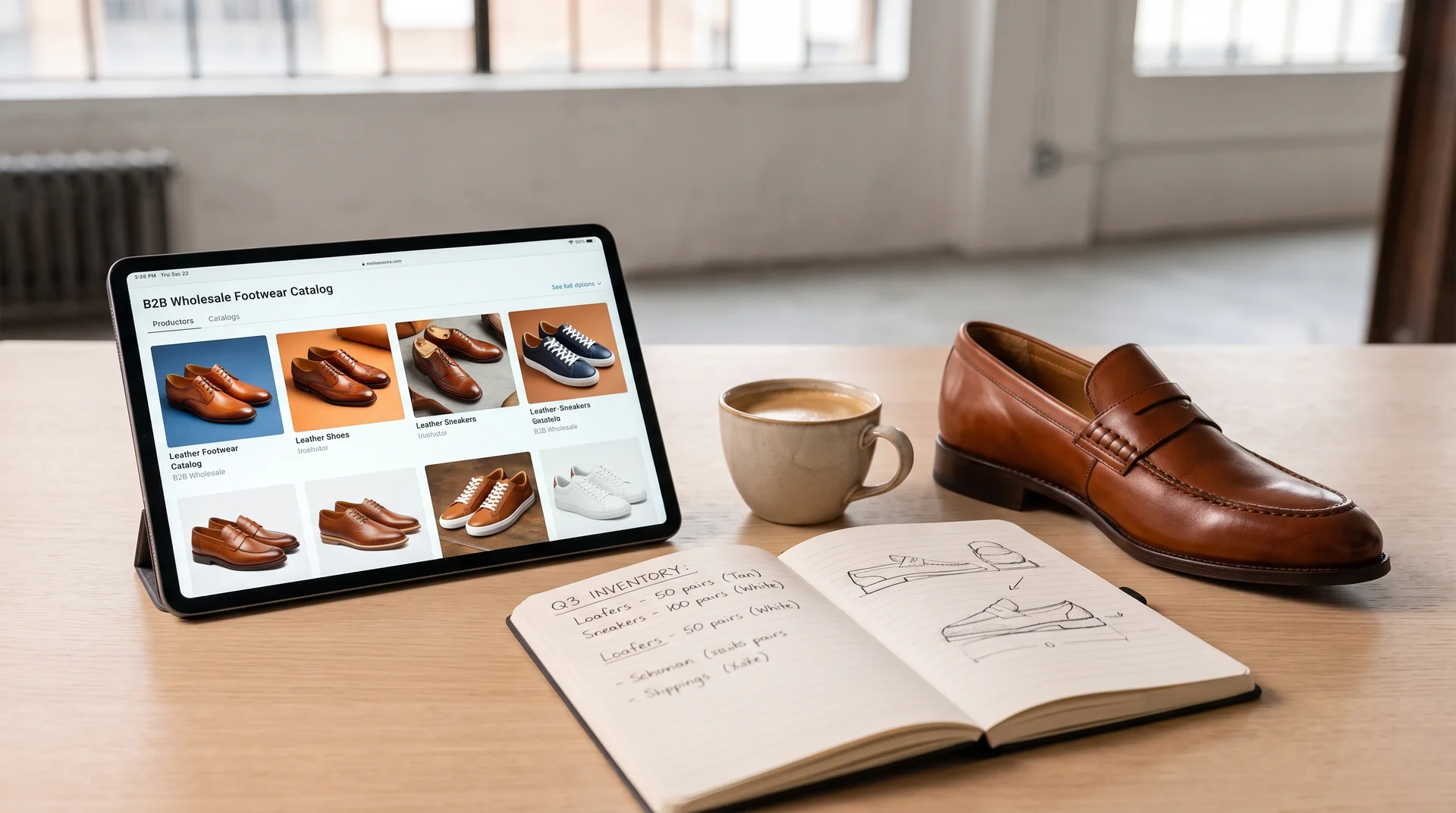
A store owner should be able to create orders for the new season while counting stock in the warehouse, sitting in a cafe, or at home. A mobile-friendly wholesale platform provides this flexibility, accelerating decision-making and ordering processes. Instant notifications alert buyers about newly added products or ongoing campaigns, ensuring no opportunity is missed. This trend boosts work efficiency and improves time management.
Visual-Centric Discovery and Video Content
Visuals are critical when evaluating a product on a mobile screen. High-resolution photos, 360-degree views, and especially product videos help buyers better understand the shoe’s quality, material, and fit. Features like product videos available on Bulkoon reduce the need for physical touching and ease online purchasing decisions. A successful mobile experience supported by rich visual content increases buyer confidence and may lower return rates.
Mobile commerce makes wholesale purchasing more dynamic, real-time, and efficient, giving retailers a competitive advantage. The future of wholesale trade is shaping up right in our pockets.
5. Demand for Sustainability and Transparency
Consumer awareness is increasing across all areas of retail, including footwear. Customers now care not only about a shoe’s design and price but also about how it was produced, what materials were used, and the brand’s ethical values. This expectation pressures retailers to be more transparent and responsible in their supply chains. Sustainability is no longer just a marketing slogan but a fundamental business strategy.
Expectations of the Conscious Consumer
The new generation of consumers questions the environmental and social impacts of the products they buy. Shoes made from recycled materials, with reduced water consumption during production, or manufactured under fair working conditions are increasingly preferred. Store owners must request such information from suppliers and include products with these attributes in their collections. This strengthens the brand’s reputation and attracts a conscientious customer base to the store.
Traceability in the Supply Chain
Demand for transparency necessitates traceability in the supply chain. Retailers need to be informed about the origin of the products they sell. At this point, who you work with matters greatly. Working with reliable and audited manufacturers facilitates this process. Verified supplier systems offered by B2B platforms can help buyers reach more trustworthy sources. Providing information about a supplier’s production standards and certifications also enables retailers to confidently convey this information to end consumers. [2]
Sustainability and transparency are foundational pillars for building trust and loyalty in the retail of the future. Businesses that embrace these values will hold stronger market positions in the long term.
Preparing for the Future: A New Course in Footwear Retail
On the path to 2026, footwear retail is undergoing an evolution shaped by technology and changing consumer habits. Digitization, data analysis, the speed of social media, mobile access, and rising sustainability awareness are now powerful trends that cannot be ignored. Retailers who view these changes as opportunities and adapt their business models accordingly will be the winners of the future.

Succeeding in this transformation begins with choosing the right tools and partners. Digital platforms like Bulkoon are designed to support this new generation retail approach. By simplifying discovery, review, and ordering processes, they allow store owners to focus on their core business-serving customers and growing their business. Preparing for the future is possible by taking the right steps today.
Sources
Information in this article draws on the following sources.