You might also like

 2 colors
More Color Options


 3 colors
More Color Options
 3 colors
More Color Options
 3 colors
More Color Options

 5 colors
More Color Options


Discover 7 critical data points to track, including product-based profit, stock turnover rate, size distribution, and return rates, to increase your shoe store's profitability.
One of the most common strategic mistakes in footwear retail is measuring a store's success solely by the cash balance at the end of the day or total revenue. While high sales figures may seem satisfying at first glance, product groups with low gross profit margins, dead stock decaying on shelves, or unsellable models due to broken size runs silently consume the business's cash flow. Achieving financially and operationally sustainable growth in a shoe store depends on interpreting commercial transactions inside the store with numerical data. Proper data analysis transforms the entire retail operation, from new season sustainable sourcing decisions to campaign planning.
Total revenue is a superficial indicator that hides the cost of sold products and ancillary expenses. Real profitability emerges when the net difference between the purchase price and the selling price of each shoe model is calculated. Looking by category, a high-revenue sports shoe model may contribute little to the store due to a low profit margin, while a less sold classic shoe can sustain the business because of its high margin.
When tracking product-based profit, in addition to direct purchase costs, shipping, storage, and possible discount shares must also be included in the calculation. This data clearly shows which product categories require more capital allocation.
The average basket value is obtained by dividing total revenue by the total number of transactions. Increasing the number of customers entering your store is costly, whereas encouraging the current customer to add a second product to their basket is a much more profitable strategy.
Offer complementary products alongside shoes such as care sprays, shoehorns, or insoles.
Organize cross-selling campaigns that offer additional discounts when certain spending limits are exceeded.
Apply tiered pricing for second-pair purchases.
In summary: Focusing on product-based profit margin and basket value instead of total revenue prevents low-profit items from consuming store budgets and optimizes earnings per unit sold.
2 colorsMore Color Options
3 colorsMore Color Options
3 colorsMore Color Options
3 colorsMore Color Options
5 colorsMore Color Options
Stock turnover rate indicates how many times a store renews its inventory within a specific period. Since seasons change rapidly in footwear retail, this data is vital. A high stock turnover rate shows that capital is quickly converted to cash and the store keeps up with trends.
For fast-moving categories such as women's sports and everyday shoes, stock replenishment cycles should be kept short, whereas for niche models with long shelf times, order quantities should be restricted.
Days on hand calculates how many days current products will remain in the warehouse or on shelves at the current sales rate. If a model remains in stock for more than 90 days, it means capital is tied up and the product is outdated.
Hypothetical example: If a retailer purchased 100 pairs of a ballet flats model at the start of the season but sold only 20 pairs in 60 days, the days on hand is at a critical level. Immediate decisions like discounts or window display changes are required.
In summary: Maintaining high stock turnover and monitoring days on hand prevents capital from being locked in dead stock and keeps shelf space dynamic at all times.
The fundamental factor that distinguishes footwear retail from other retail sectors is size variation. Regardless of how stylish or high-quality a model is, if the customer's foot size is not available on the shelf, the sale cannot be realized. Therefore, size-based sales analysis is more critical data than overall model sales.
In the Turkish market, the most sold (middle) sizes for women's shoes are typically 37 and 38, while for men's shoes, sizes 41 and 42 lead. Sales speed of extreme sizes (36 and 40 for women; 40 and 44 for men) are lower.

When the best-selling sizes within an assortment run out, the "broken size run" problem occurs. Stock may appear available but sales are missed because the desired sizes are absent. To prevent this, size sales ratios should be tracked weekly.
Request special assortments or single size replenishments aligned with the size map of your region when buying wholesale.
Focus on restocking missing sizes instead of repurchasing the entire assortment when middle popular sizes decline.
Work with suppliers offering ready stock in fast-moving categories like men's sports mid-season to immediately fill broken size gaps.
In summary: Regularly reviewing size-based sales data eliminates the risk of lost sales due to broken size runs and enables accurate assortment planning.
The return rate shows what percentage of sold products are returned. High return rates in footwear signify issues such as size inconsistency, manufacturing defects, or poor material quality. A model with a high return rate may seem profitable on paper, but returns incur shipping and operational costs, leading to losses.
Performing return analysis by supplier provides clear data on whom to continue partnering with. Models with fitting issues should quickly be removed from the portfolio.
The repeat purchase rate is the percentage of customers who make multiple purchases in a given period. A high rate indicates product quality and customer satisfaction.
Offer exclusive pre-season sales opportunities to loyal customers.
Keep popular products like women's ballet flats or comfort series always in stock favored by repeat customers.
Record customer feedback and reflect size and fit warnings on product tags.
In summary: Reducing return rates and increasing repeat purchases enhance customer satisfaction while cutting hidden operational costs from faulty product procurement.
You do not need complex and expensive software to track these 7 data points. At the startup phase, a basic Excel spreadsheet or entry-level POS (Point of Sale) software can cover all your needs. The essential factor is regularly entering data daily and weekly into the system.
With simple formulas created in Excel, stock turnover and size-based sales percentages can be calculated automatically. In digitizing retail, data tracking is not a luxury but a necessity.
Your data directly determines how much order you place from your supplier in wholesale procurement processes. Thanks to the Bulkoon platform’s 100+ approved suppliers and 10,000+ model options, retailers can quickly order only the depleted sizes and profitable models. You can easily learn the stages of digital wholesale trade by checking the How It Works page.
Hypothetical example: A store owner who identifies from sales data that size 38 stiletto stocks are depleted, instead of waiting weeks for new production, can order via Bulkoon's ready stock option and replenish shelves within 1-2 business days.
In summary: Disciplined data tracking enables you to make mathematical rather than intuitive decisions and use your wholesale sourcing budget most efficiently.
Monitoring only the cash balance is like driving a store blindly in the dark. Product profitability, stock turnover, size distribution, days on hand, return rate, basket value, and repeat purchase rate are the seven fundamental pillars of a store. Regularly reading these data makes the retailer resilient against market fluctuations.
Having the right data is as important as having supply flexibility to match it. Businesses can make their stock management more sustainable by taking advantage of free shipping options delivered to all 81 provinces of Turkey with the possibility of 3 and 6 installment payments at cash price.

In summary: Data-focused store management and flexible wholesale supply channels are the key to long-term profitability and growth in footwear retail.
Information in this article draws on the following sources.

Discover practical applications of artificial intelligence for small and medium-sized shoe stores. Learn how AI can help with stock analysis, marketing, customer service, and sales forecasting.
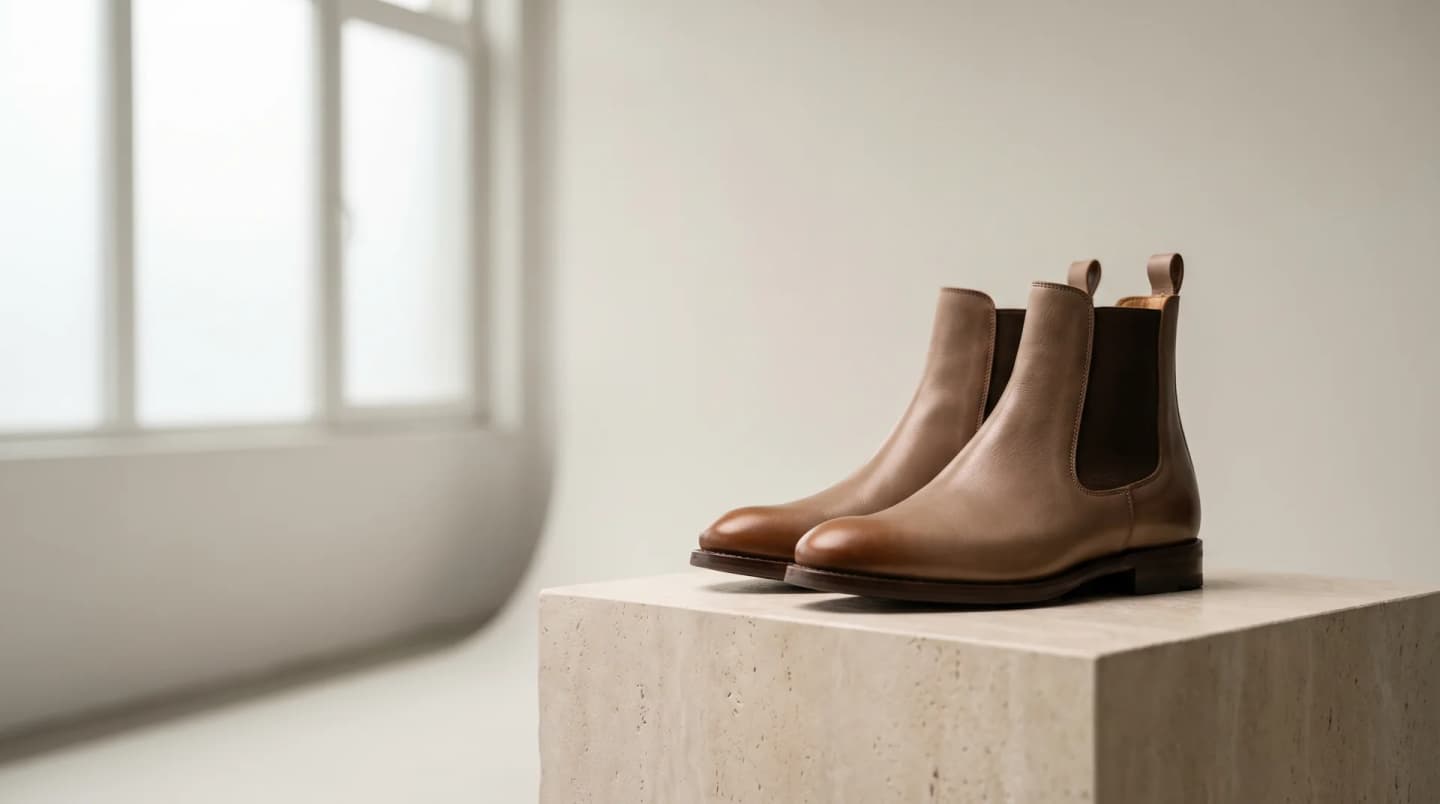
As the risks of intuitive product selection in footwear retail increase, sales data, trend analyses, and digital marketplace insights become key to creating a profitable collection. This guide explains how to choose the right products for your store using a data-driven approach and how to optimize inventory management.

The rigid rules of the fashion calendar are loosening. Success for wholesale footwear buyers now depends not on large seasonal orders but on agile, continuous supply strategies that rapidly respond to micro trends. Discover the dynamics of this transformation and how to stand out in next-generation wholesale.