Precautions When Offering Waterproof Guarantees

The "waterproof" label on footwear is both a strong sales argument and a serious responsibility. Learn how to minimize commercial risks by making informed choices about supplier selection, membrane technologies, legal labeling, and managing customer expectations.
The "waterproof" or "water-resistant" label is a powerful sales promise, especially for fall-winter seasons and outdoor footwear categories. For customers, it means dry and comfortable feet, but for retailers, if not properly managed, it can become a serious commercial risk. Claiming a product is waterproof is not merely a marketing slogan but a guarantee given to the consumer. Upholding this guarantee starts from the very beginning of the supply chain, namely the wholesale purchasing process. Accurate product information, transparent supplier relationships, and clear customer communication form the foundation for reducing return rates and increasing brand reliability.
Fundamentals of Waterproof Technology
To truly understand if a shoe is waterproof, it is essential to know the technology behind the label. This knowledge enables you to source the right product and provide informed advice to your customers. Waterproofing is generally a system where different components work together rather than a single material.
Membrane Technologies: Gore-Tex and Alternatives
The core of waterproof shoes usually consists of a membrane technology with microscopic pores in a synthetic lining. The best-known membrane is Gore-Tex; however, many manufacturers have developed their own patented technologies working on similar principles. The secret of the membrane lies in its pores being thousands of times smaller than water droplets but larger than water vapor molecules. This structure prevents liquids like rain, snow, or puddles from penetrating, while allowing moisture vapor from foot perspiration to escape. This feature is known as "breathability," creating a comfortable microclimate inside the shoe.
Structural Integrity and Supporting Features
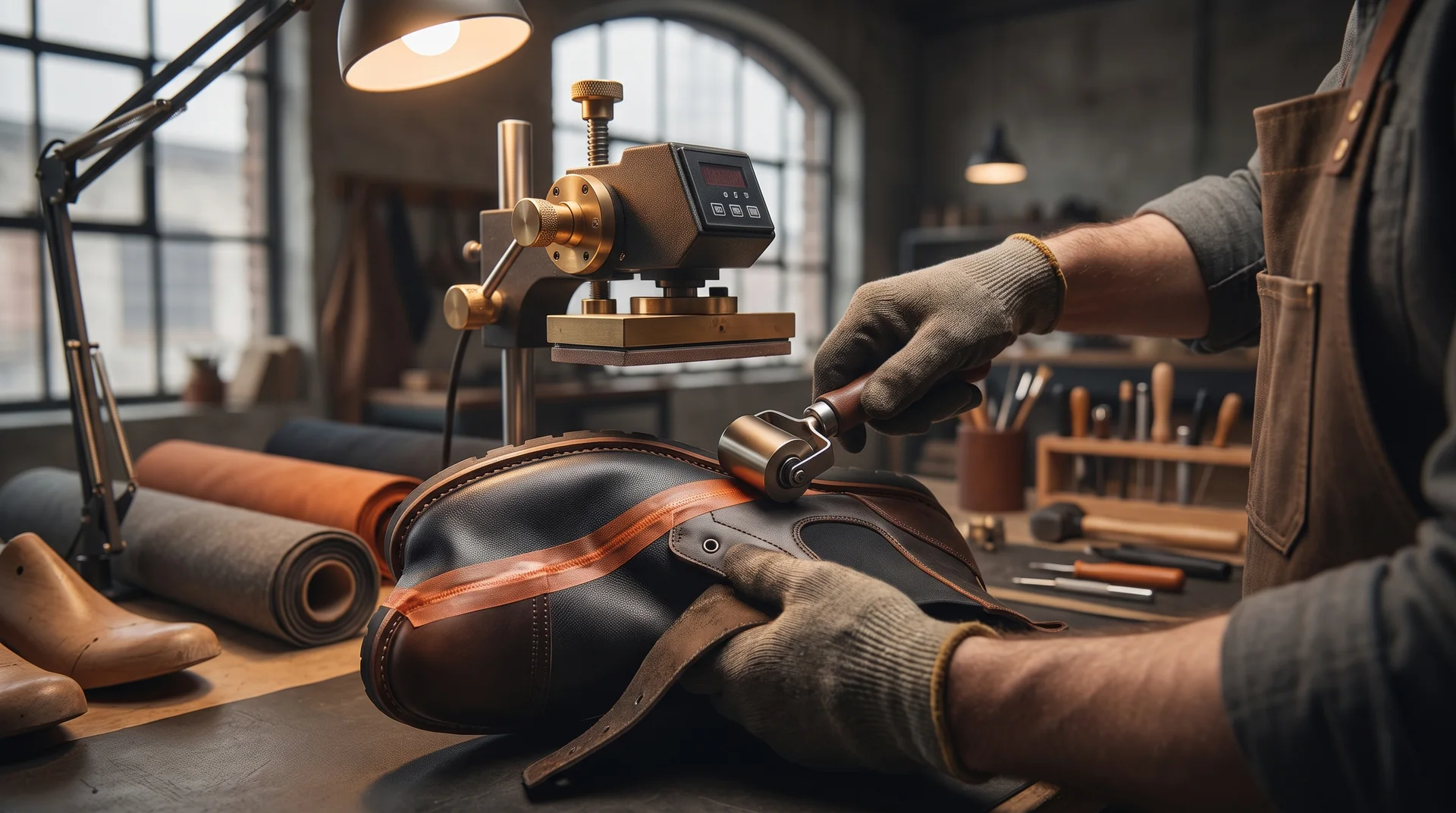
A membrane alone is not enough to make a shoe fully waterproof. The product's structural integrity is critical. Stitching points are the weakest spots where water can leak. Therefore, in high-quality waterproof shoes, all internal seams are sealed with a special heat-applied tape (seam sealing). Additionally, the shoe tongue is connected to the sides with a gusseted tongue design to prevent water and dirt from entering through the eyelets. Many outdoor shoes also have a Durable Water Repellent (DWR) coating on the outer surface. This coating causes water to bead up and roll off the fabric, preventing the material from absorbing water and becoming heavy. However, it should be noted that DWR treatment wears off over time and with use, supporting the "water-resistant" property but alone not guaranteeing full waterproofness.
Verifying "Waterproof" Claims in Supplier Selection
When purchasing wholesale, it is insufficient to rely solely on a supplier's claim that "this model is waterproof." It is important to question the technical basis of this claim and request proof to protect yourself from potential future customer complaints and returns. A trustworthy partner will openly share their product's technical specifications.
Technical Data Sheets and Certifications
Professional manufacturers can provide Technical Data Sheets (TDS) for the materials used. These documents include hydrostatic head test results (usually in millimeters), indicating the membrane's resistance to water pressure, and MVTR (Moisture Vapor Transmission Rate) values that show breathability. These technical data facilitate objective comparisons of waterproof performance between products. Requesting certificates that comply with internationally recognized test standards (for example, ISO 811) demonstrates how seriously the supplier approaches quality control.
Production Processes and Quality Control
During meetings with your supplier, ask detailed questions about the production processes. Questions such as "Are seams heat-taped?", "Is random waterproof testing performed on finished products?", or "What is the membrane brand or its technical specifications?" allow you to assess the supplier's expertise and production quality. Platforms like Bulkoon facilitate the establishment of this trust by connecting buyers exclusively with approved suppliers. A verified supplier network helps anchor product claims on a more reliable basis.
Product Labeling and Marketing Communication
The next stage after sourcing the product is to present this feature accurately to your customers. The expressions used in labeling and marketing determine both your legal responsibilities and shape customer expectations. Incorrect or exaggerated claims can turn the highest quality product into a return nightmare.
Legal Responsibilities and Consumer Rights
Applying a "waterproof" label to a product is a legal commitment beyond a mere promise. Customers expect their feet to remain dry under the specified conditions. If the product does not meet this expectation due to a manufacturing defect, consumers have legal rights for returns or exchanges. Therefore, use the "waterproof" terminology only for products supported by technical documents and supplier guarantees. When uncertain, choosing safer terminology reduces commercial risks.
Terms Like "Water-Resistant" and "Weatherproof"
Not all shoes offer the same level of protection. Aligning marketing language with the product's true capabilities is critical. Water-Resistant: Used for products that protect against light rain, drizzle, or splashes but may leak under sustained or heavy water exposure. These typically include shoes with DWR coating or tightly woven materials. Weatherproof: Suitable for products offering some protection against wind, light rain, and cold weather conditions but without a full waterproof guarantee. This clear distinction helps prevent customer dissatisfaction.
Managing Customer Expectations and Return Processes
Even the best waterproof shoe can lead to complaints if misused or if expectations are unrealistic. Proper training during the sales process and clarity in return policies are fundamental parts of managing this. The goal is both to satisfy customers and to protect your business from unjustified returns.
Accurate Information at Point of Sale
Ensure your sales staff are knowledgeable about the product's capabilities and limitations. For example, explain that water can enter if it exceeds ankle level or that breathability can be optimized with appropriate sock choices (synthetic or wool). Also, inform customers that DWR coatings may need periodic renewal and provide care instructions. This proactive communication extends product lifespan and sets realistic performance expectations. It reduces many complaints such as "my shoes are leaking" from the outset.
Return Request Evaluation Criteria
Establish a standard procedure to fairly assess return requests. Carefully inspect the shoes for user-caused damage such as punctures or tears. Determine whether the shoe was used in inappropriate situations (for example, using city shoes to cross streams). If a manufacturing defect is clear (e.g., seam tape opening, membrane failure), approving returns or exchanges strengthens customer trust. However, if the issue is misuse or excessive wear, kindly explain the situation to the customer and perhaps offer a discount on the next purchase to maintain the relationship.
Selecting the Right Models for Wholesale Purchasing
When adding waterproof products to your store or e-commerce inventory, consider your target customer's needs and market dynamics. Not every "waterproof" labeled product suits every customer profile. Strategic selection directly affects profitability.
Waterproof Levels According to Usage Purpose
Analyze your customer base. Are you targeting urban residents who need protection only on rainy days, or adventure enthusiasts who hike and trek? A women’s sports shoe designed for city use will have different waterproof specifications compared to a men’s outdoor boot built for rugged terrain. Request from suppliers products with different performance levels suitable for these scenarios. Bulkoon offers more than 10,000 model options and AI-powered smart selection features that simplify finding products matched to specific needs.
Seasonal Demand and Stock Management
Demand for waterproof footwear varies by geography but usually peaks in autumn and winter. Planning your stock according to seasonality reduces dead inventory risks. Conduct market research to source appropriate models before the season starts. Wholesale platforms allow efficient review and comparison of collections from different suppliers in one place. Especially platforms with ready stock enable rapid responses to sudden demand increases during the season.
Conclusion: Building Trust and Reducing Risk
Offering a "waterproof" guarantee is a double-edged sword for retailers. When managed properly, it generates customer loyalty and high profit margins; when unprepared, it increases return rates and operational costs. The key to success is understanding the technology, properly verifying suppliers, transparently informing customers, and setting realistic expectations. By following these steps, you can transform the waterproof promise from a risk into a reliable strength for your business.