Orthopedic Footwear Market: The Potential of Health-Focused Sales

Discover the potential that the orthopedic footwear market offers to wholesale buyers. Learn how to excel in health-focused sales with the right product selection, supplier criteria, and marketing strategies.
Although aesthetic concerns have always been a priority in footwear retailing, market dynamics are now reshaping around comfort and health. Orthopedic shoes have evolved from a niche category associated only with medical needs to a daily priority for the conscientious consumer. An aging population, increasing health awareness, and long working hours are raising the importance of foot health, turning this category into a strategic growth area for retailers. Understanding this potential correctly and sourcing the right products is key to creating a loyal customer base and sustainable profit margins for your store.
Consumer Trends Shaping the Orthopedic Footwear Market
The rise in demand for orthopedic footwear is no coincidence. Behind this increase lie profound socio-demographic and cultural changes that retailers and wholesale buyers must understand. Correctly interpreting these trends is the first step in making informed stocking decisions and shaping marketing strategies.
Impact of Demographic Shifts and an Aging Population
The global and Turkish increasing average lifespan accentuates the influence of the elderly population’s consumption habits. Foot sensitivities, joint issues, and comfort needs that emerge with advancing age make this demographic the primary target audience for orthopedic and anatomical shoes. However, this group now demands not only functionality but also aesthetics. Brands offering modern designs that are stylish yet comfortable gain a significant competitive advantage in this growing market.
Rise in Health and Wellness Awareness
The wellness trend extends beyond nutrition and sports, deeply affecting clothing and footwear preferences. Particularly consumers in the young and middle-age groups increasingly seek products they view as long-term health investments. Professionals who stand all day, those embracing an active lifestyle, and conscious consumers aware of the impact of foot health on overall body health look for comfortable footwear. This situation even raises demand for anatomically supportive models within categories like women's sports shoes and men's sports shoes.
The orthopedic footwear market now appeals not only to specific age groups or health issues but has become central to a general quest for comfort and health. Understanding this expanding customer base offers retailers significant growth opportunities.
Criteria for Sourcing the Right Orthopedic Products
Succeeding in the orthopedic footwear category requires not only detecting demand but also selecting the technically appropriate products. For wholesale buyers, evaluating the product's quality, technologies used, and potential customer satisfaction is critical. This goes far beyond superficial aesthetic assessment.
Material Quality and Sole Technology
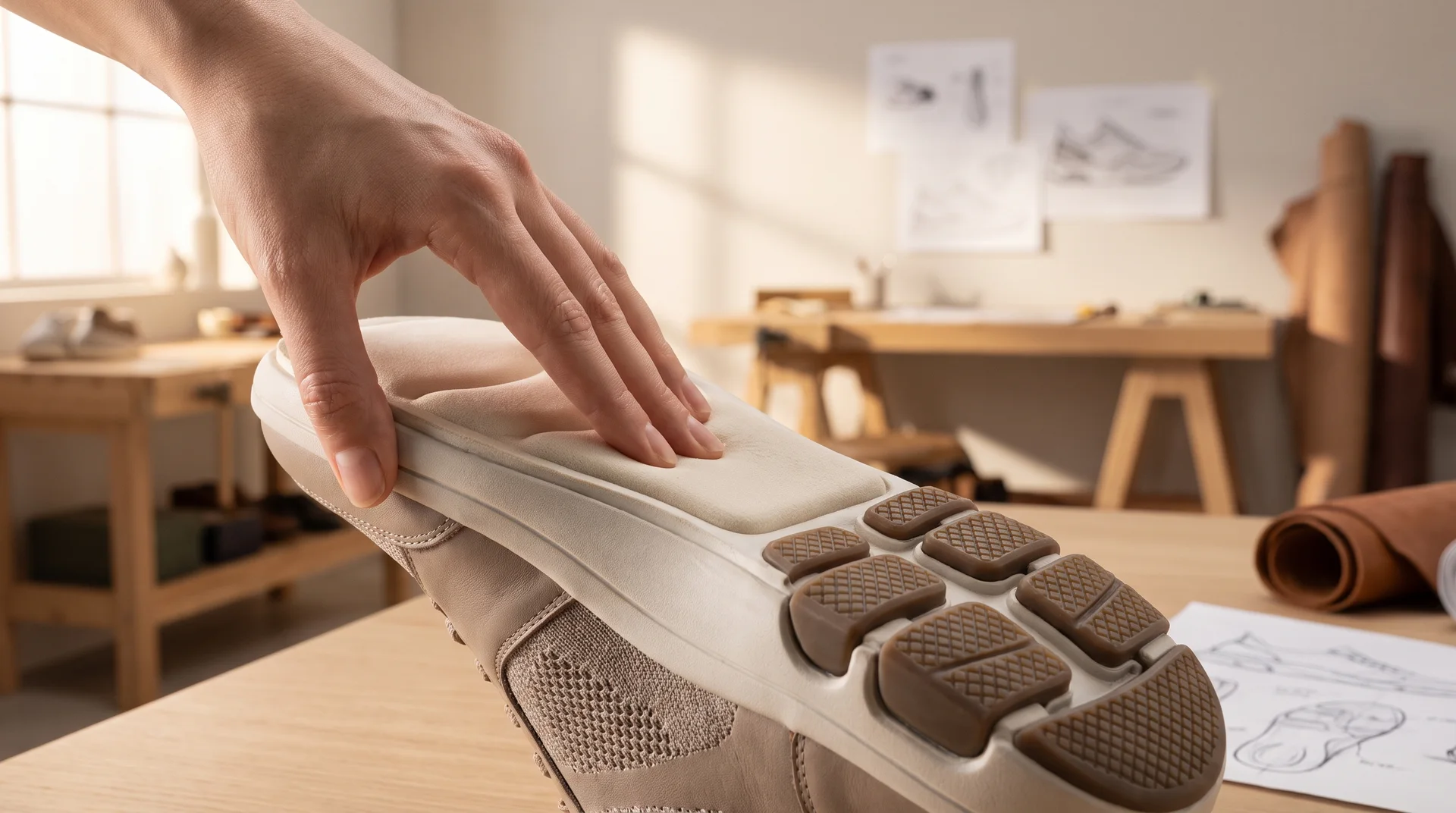
The fundamental factor determining a shoe’s orthopedic nature is its materials and sole construction. Breathable materials like genuine leather help protect foot health, while flexible and lightweight synthetic materials offer freedom of movement. However, the key differentiator is sole technology. When buying wholesale, attention should be paid to these features:
Shock Absorption: Materials such as EVA (Ethylene Vinyl Acetate) or polyurethane that absorb impact, especially in the heel area, during walking.
Arch Support: Anatomical insoles that support the natural curve of the foot to reduce fatigue and improve posture.
Flexibility: A flexible outsole that allows the shoe to adapt to the foot’s natural movement.
Lightweight: Made from materials light enough to avoid fatigue during all-day use.
Certification and Medical Compliance
While not every orthopedic shoe must have a medical certificate, the manufacturer demonstrating compliance with certain standards is a trust signal. Some suppliers may have documents or test reports verifying their products’ suitability for specific foot health conditions. Such certificates can be a powerful marketing tool and positively influence customers’ purchase decisions. When communicating with your supplier, it is important to request detailed information about which standards the products meet and which comfort features they emphasize.
Choosing products with the right technical specifications not only increases customer satisfaction but also reduces return rates, directly impacting your store’s profitability.
Considerations in Supplier Selection
Finding the right product is important, but finding a partner who can provide it consistently and reliably is equally crucial. Selecting suppliers in a specialized field like orthopedic footwear is vital for your business’s long-term success. Reliability, expertise, and communication are key pillars throughout this process.
Production Capacity and Area of Expertise
Not every shoe manufacturer specializes in orthopedic or comfort-focused footwear production. This field requires special molds, materials, and production techniques. When selecting a supplier, investigate the company's experience and references in this area. Working with manufacturers featuring anatomical and comfort series in their portfolio, rather than those focused solely on fashion, yields better outcomes. Platforms like Bulkoon simplify finding the right supplier by bringing together hundreds of manufacturers with varying expertise. Bulkoon’s extensive catalog offering over 10,000 models and advanced filtering options make it practical to find products with specific sole technologies or material features.
Reliability and Transparent Communication
Trust is everything in wholesale trade. Timely delivery and meeting stated quality standards are critical to preventing disruptions in your stock planning. Suppliers are expected to be transparent about past performance, delivery times, and minimum order quantities (MOQ). When starting a new business relationship, placing a small trial order or requesting samples can be a good starting point. Approved suppliers listed on Bulkoon undergo a verification process, adding an extra layer of assurance for buyers. This eliminates intermediaries’ costs and enables direct, secure access to products.
Building a reliable supplier network is a strategic investment that safeguards your store’s inventory quality and operational efficiency.
Positioning and Marketing Orthopedic Shoes in the Store
After sourcing the right products, the next step is to present these products correctly to customers and convey their value. Marketing orthopedic shoes requires a different approach compared to standard fashion products. The focus here is not only on aesthetics but also on the benefits and comfort the product provides.
The Art of Communicating Product Information to Customers
Customers want to understand why a shoe is more expensive or different. It is critical for your sales staff to be knowledgeable about the product’s technical specifications. Instead of just saying, "This shoe is orthopedic," explaining tangible benefits such as "This model's memory foam sole distributes your body weight evenly throughout the day, helping reduce back and knee pain," is much more effective in convincing customers. Including details about sole technology and material features on product tags or in-store information materials increases the perceived value of the product.
Presentation in Online and Physical Stores
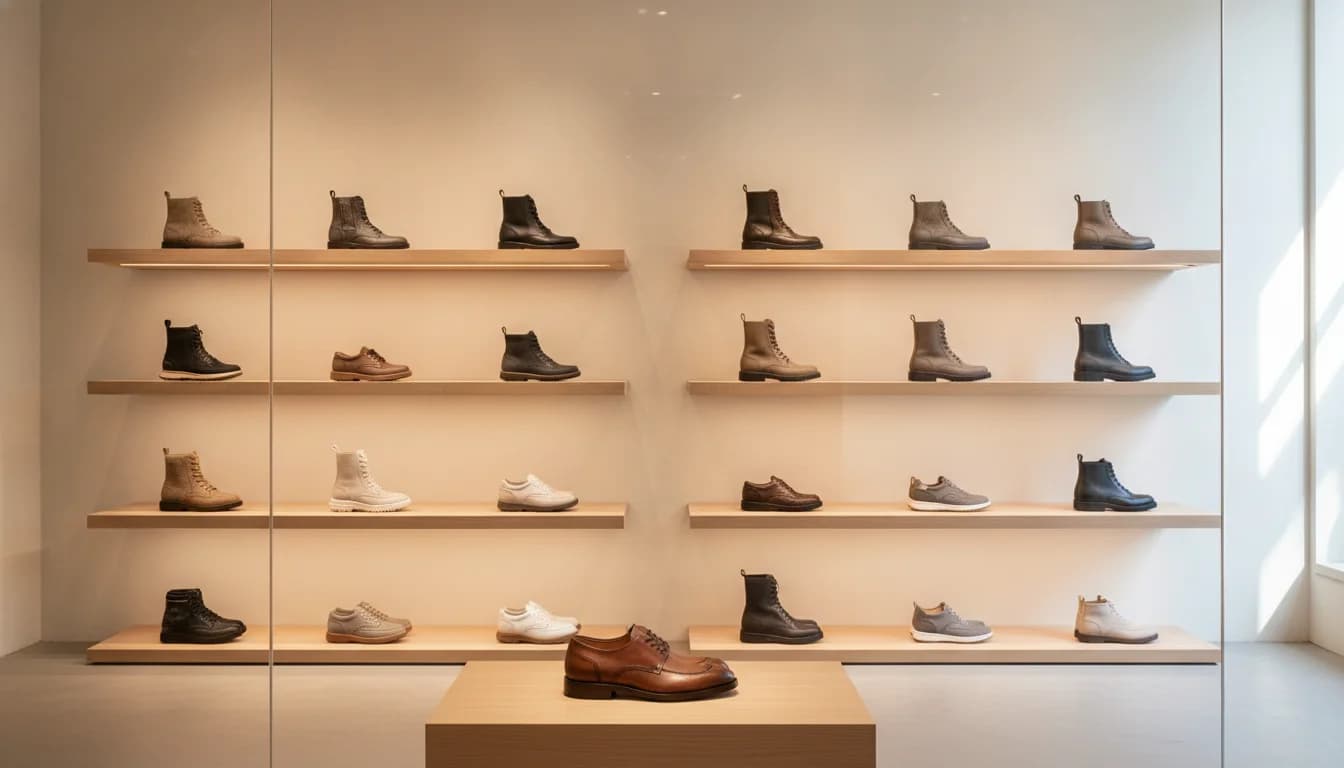
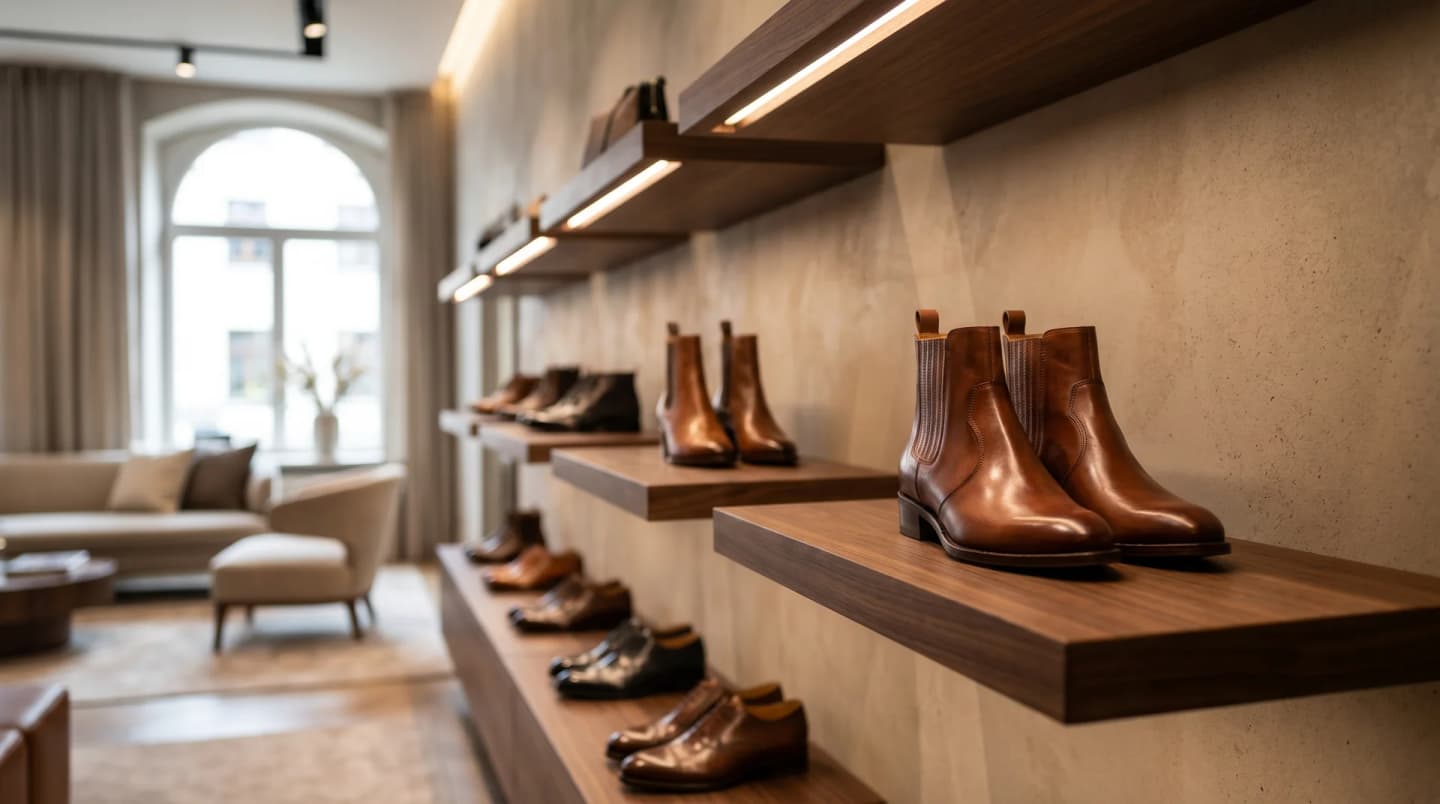
In physical stores, instead of segregating orthopedic shoes into a “health corner,” displaying them under lifestyle themes such as daily wear (casual) or travel strengthens the image of the products as modern and accessible. In online sales channels, product descriptions play a vital role. Bullet points listing benefits, detailed photos showing the sole construction, and even product videos help customers better understand the product digitally. Short videos demonstrating flexibility or cushioning features can significantly increase conversion rates.
An effective marketing strategy transforms orthopedic shoes from a necessity into a desire by explaining their technical superiority in customer-friendly terms.
Pricing and Logistics Processes in Wholesale Purchasing
The wholesale purchasing process for orthopedic shoes may differ somewhat from standard shoes. Production costs, packaging sensitivity, and profit margin expectations require careful management by buyers. Properly planning these processes directly affects the category’s profitability.
Price-Performance Balance and Profit Margin
Due to special materials and technologies used, orthopedic shoes generally have a higher production cost. This reflects on wholesale prices as well. However, this higher cost also enables a higher retail price and potentially healthier profit margins. Buyers should focus not only on unit cost but also on the value offered by the product and the price the market is willing to pay for this value. Comparing offers from different suppliers and products of similar quality makes it possible to find the best price-performance balance. Global trade data also shows that products in specialized segments carry higher profit potential within the value chain. [1]
Packaging and Delivery Standards
Shoes with anatomical structures must maintain their form during transportation. The supplier must ensure that the shoes are protected with appropriate support materials inside the box and packaged to prevent crushing. Establishing clear agreements on packaging standards with your supplier for wholesale orders is beneficial to ensure products arrive intact. Platforms like Bulkoon simplify logistics operations by digitizing order processes and offering services like cargo tracking, allowing buyers to manage the process easily.
Attention to financial and logistical details in wholesale purchasing maximizes returns from the orthopedic footwear category.
Investing in the Future: Growth Strategy with Orthopedic Shoes
The orthopedic footwear market reflects a permanent shift in consumer expectations rather than a temporary trend. The pursuit of health and comfort has become a primary criterion for shoe selection. Retailers investing in this area not only sell a product but also offer a solution that improves customers’ quality of life. This approach is one of the most effective ways to build strong customer loyalty and a positive brand image.
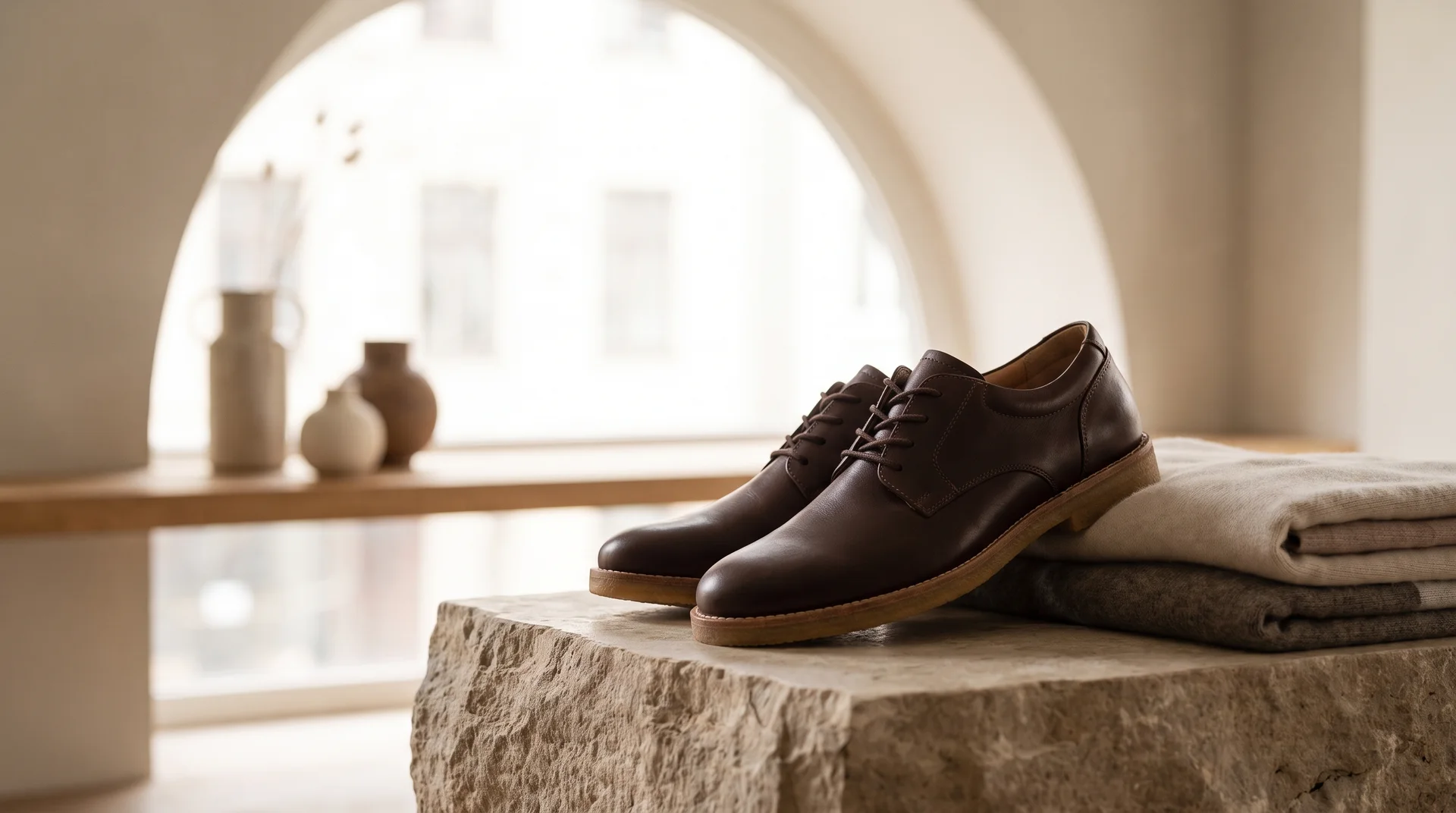
Choosing the right products, working with reliable suppliers, and effectively communicating the product’s value to customers are the foundations of success in this market. Digital wholesale purchasing platforms make this process more efficient and accessible than ever before. Shape your store’s future by responding to the needs of a growing and aware consumer base. You can take this strategic step today by exploring how Bulkoon works.
Sources
Information in this article draws on the following sources.