Customizable Shoes Create a New Market

Consumer demand for unique products is expanding the customizable shoe market. This trend goes beyond standard mass production, offering customers the chance to express their own style. For wholesale buyers and boutique owners, this new market presents significant benefits including high profit margins, increased customer loyalty, and differentiation in competition. We explore the strategic steps to consider when entering this segment, from supplier selection to stock management.
In the retail world dominated by mass production, consumers are now seeking unique and personal products that allow them to express themselves. This quest opens an exciting new door in the footwear industry: customizable models. Extending from choices of color and material to personalized embroidery with names, this trend is not just a fashion movement but also a significant commercial opportunity for wholesale buyers and boutique owners. Offering a tailor-made experience beyond standard models becomes the key to standing out in competition and increasing profitability.
The Rise of the Customization Trend and Consumer Expectations
The modern consumer no longer wants to be a passive buyer but an active participant in the purchasing process. This is especially evident under the influence of Generation Z. For them, a product needs not only to be functional but also to reflect their identity, values, and creativity. Customization directly meets this expectation with a powerful tool.
The Feeling of "Made Just for Me"
A customizable shoe represents much more to its owner than a standard product. The colors, materials, or a monogram they choose make the shoe completely their own. This "made just for me" feeling establishes an emotional connection between the product and the customer. This bond transcends a simple shopping experience, evolving into brand loyalty. The customer does not just buy a shoe but a part of their own story. This psychological effect is one of the most important triggers for purchasing decisions.
Social Media and Influencer Impact
Visually driven social media platforms like Instagram, TikTok, and Pinterest act as catalysts in spreading the customization trend. Users proudly share their self-designed or personalized shoes, inspiring thousands. Influencers’ personally curated shoe collections become objects of desire for their followers. This creates an organic demand, giving retailers the opportunity to offer products that meet this demand. Offering customization options in your store can generate shareable content potential on social media, indirectly reducing your marketing costs.
This fundamental shift in consumer behavior has moved customization from a luxury option to a mainstream expectation. Retailers who understand and develop business models aligned with this expectation will secure a significant place in the market’s future.
Advantages of Customizable Shoes for Wholesale Buyers
Incorporating the customization trend into store operations may seem complex at first glance. However, when approached strategically, it offers wholesale buyers and retailers many more advantages compared to standard models. These benefits are not limited to financial returns but also strengthen brand image and customer relationships.
High Profit Margin Potential
Customization adds value to the product, and consumers are willing to pay more for this added value. While a standard sneaker competes within a certain price range, a shoe with a customer's chosen color combinations or special details can be positioned as a premium product. This directly affects profit margins. Purchasing a base shoe at a cost close to a standard model and selling it at a much higher price through customization services is possible. This acts as an important shield protecting your business in price-competitive markets.
Brand Loyalty and Customer Retention
An unforgettable shopping experience includes the customer in the design process. A customer designing their own shoe forms a special relationship with your store and brand. This positive experience increases the likelihood they will choose you again for future purchases. Additionally, their satisfaction triggers word-of-mouth marketing, one of the most effective channels for you. Customers buying standard products might easily switch to another brand next time, whereas those who experience customization show greater brand loyalty.
This model offers businesses the opportunity to provide not only products but experiences and services, a critical advantage for sustainable success in today’s competitive retail environment.
How to Integrate Customization Models into Your Store
Transforming the customization concept into a business model requires proper planning and the right partnerships. There are multiple ways to integrate this process into your store, and selecting the most suitable one depends on your business size and target market. Essentially, it is necessary to establish a reliable supply chain and design the interface presented to customers.
Supplier Selection and Collaboration Models
The cornerstone of this business is working with reliable suppliers who have flexible production capacities. Not every manufacturer specializing in mass production can meet customization demands. Therefore, finding workshops and factories capable of small-batch or made-to-order production is critical. Platforms like Bulkoon facilitate finding the right partner by bringing together 100+ manufacturers and suppliers with varying production capacities. When working with suppliers, you can consider these models:
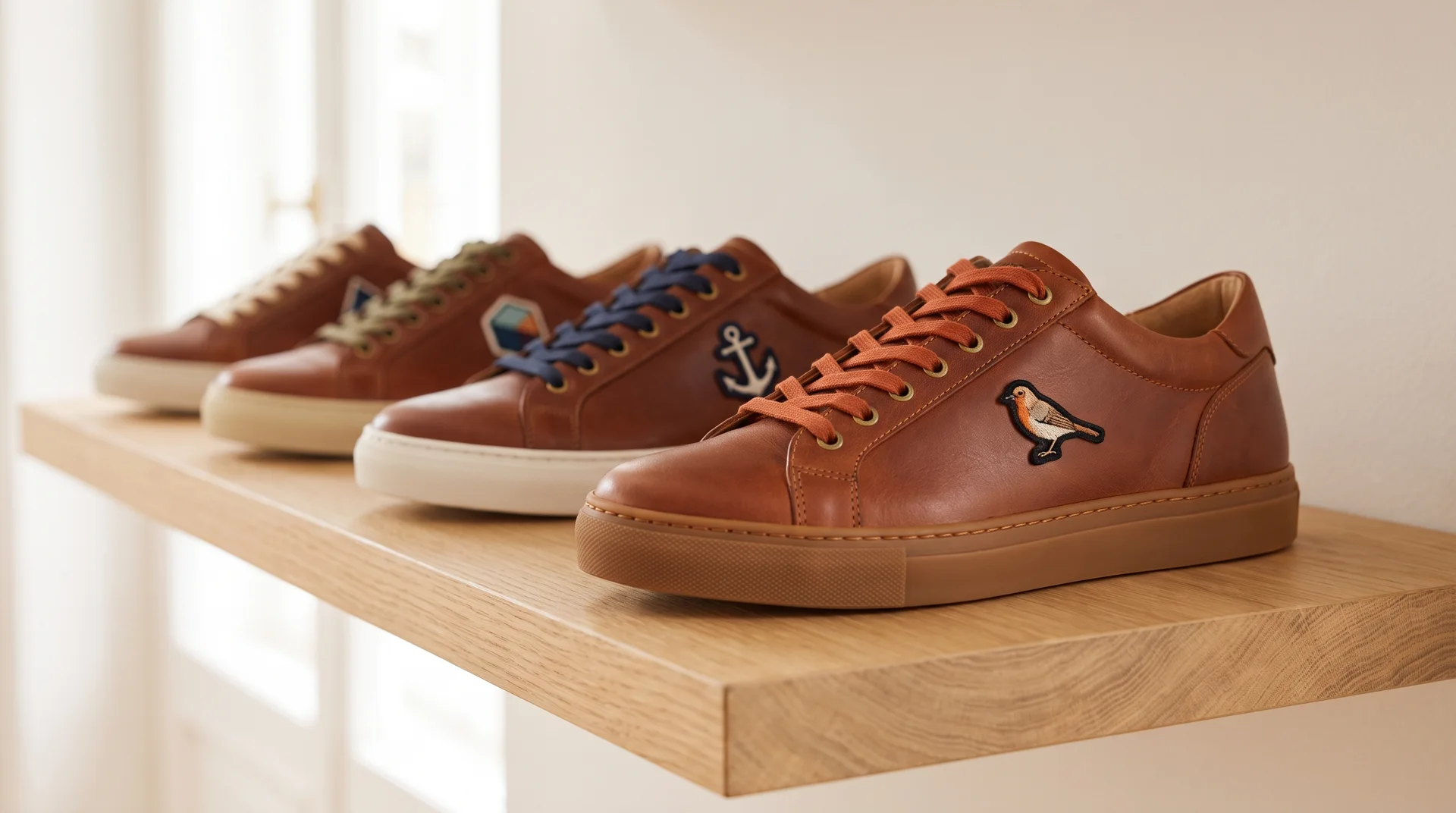
Basic Model and Component Supply: You can source standard base shoe models suitable for customization (e.g., a completely white women's sneaker) and components for customization (different colored laces, metal accessories, attachable patches) separately from the supplier.
Made-to-Order (MTO): After receiving the order from the customer, you forward the design details to the supplier to start production. This model eliminates stock costs but may extend delivery times.
In-Store or Online Configurators
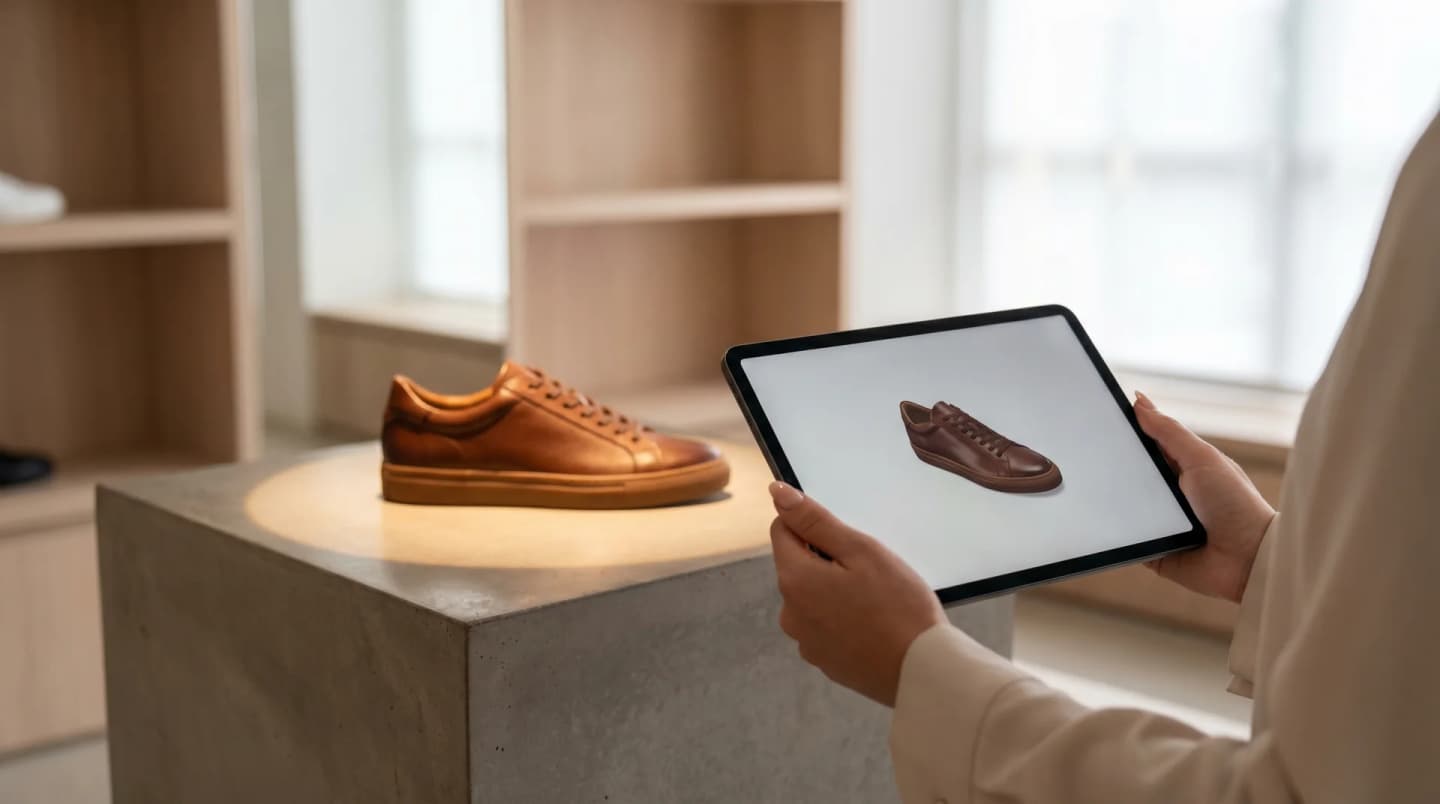
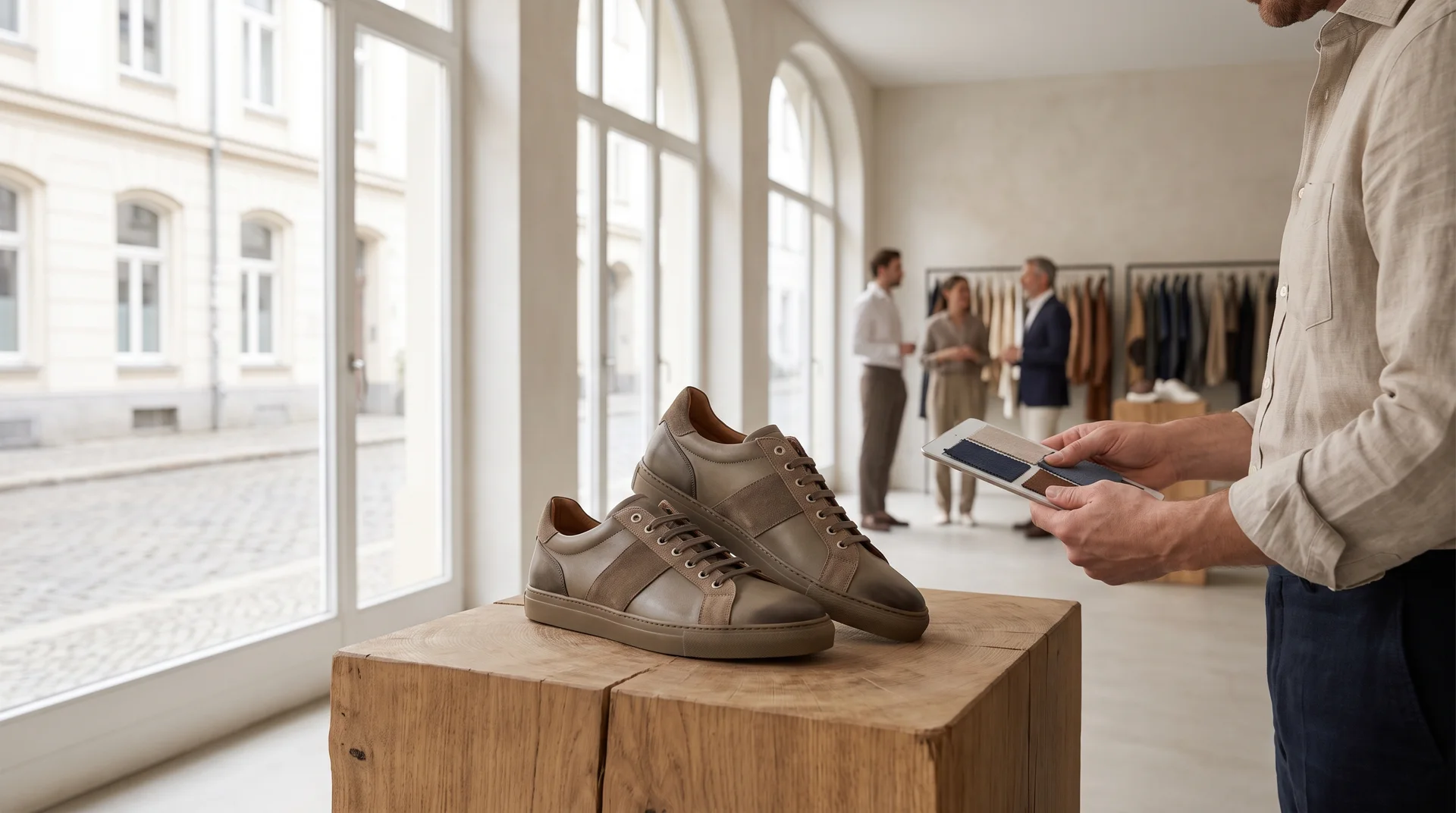
You need to provide customers with a tool to create their own designs. This may start simply in a physical store; for example, placing the base shoe model on a table alongside different laces, accessories, or color swatches so customers can create their combinations. A more technological approach is a 3D shoe configurator integrated into your website or installed on tablets inside the store. These tools allow customers to change colors of different parts of the shoe, add text or logos, and see their final design instantly before placing the order.
When the right supplier and technology are combined, customization services can be operationally managed and evolve into a scalable business line. This process gives your business a unique competitive advantage.
Stock Management and Operational Challenges
The customizable shoe model changes the traditional rules of stock management in retail. Businesses entering this field need to rethink assortment planning and order processes to maintain profitability and efficiency. Success depends more on managing component stock than finished products stock.
Assortment Management: Balancing Standard and Customizable Parts
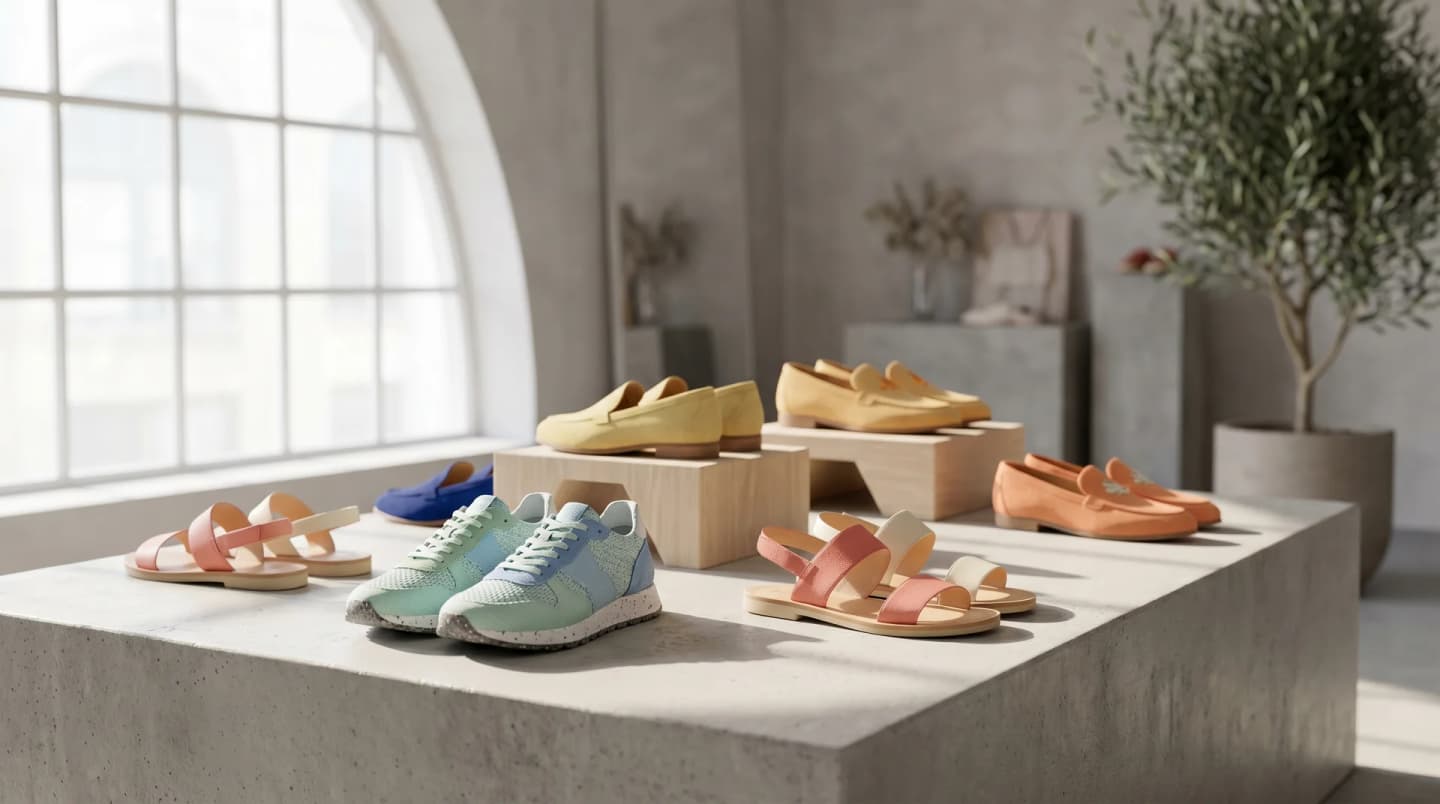
The traditional model stocks assortments-series of a shoe in different colors and sizes. In customization, this approach is risky. Instead, assortment management adopts a dual-layer structure. The first layer contains the main shoe models forming the basis of customization (for example, white and black versions of a men's sneaker or a women's ballet flat). The size distribution of these base models should be planned based on standard sales data. The second layer contains a wide range of components used in customization: laces in various colors, replaceable tongue labels, metal buckles, leather or fabric parts in different shades. The goal here is to minimize finished product risk while offering maximum variety to the customer. You can quickly procure stocks of base models from ready stock options available on platforms like Bulkoon, gaining operational flexibility.
Ordering Processes and the Importance of Delivery Speed
The production process of a customized product may take longer than that of a standard product. Properly managing customer expectations at this point is vital. The estimated delivery time must be clearly communicated at the time of order. Operationally, seamless communication and workflow between you and your supplier are essential. All order details from the customer (color codes, material choices, size, etc.) must be accurately conveyed to the manufacturer. To shorten delivery times, hybrid models can be developed, such as keeping the most preferred customization options or semi-finished products in stock. Stock turnover speed is now measured not only by how long finished products stay on shelves but also by how quickly the basic components are converted into customized products and delivered to customers.
Although this new operational model requires more attention and planning, it reduces waste, lowers the risk of unsold stock, and ultimately positively impacts your business's financial health.
The Future of Customizable Shoes in the Turkish Market
The customization trend proven strong in global markets also offers significant opportunities for Turkey’s footwear industry. Turkey’s robust manufacturing infrastructure and dynamic consumer profile create a fertile ground for this trend to be rapidly adopted. The spread of digitalization and e-commerce are among the most important factors supporting this process.
The Role and Opportunities for Local Manufacturers
Turkey hosts many footwear manufacturers capable of flexible and high-quality production. For these producers, customization is a field that creates competitive advantages not only in the domestic market but also in exports. Companies shifting from large-scale mass production to high value-added, made-to-order models can attract global buyers’ attention. Especially boutique brands and retailers in European and Middle Eastern markets may find Turkey an attractive partner due to its geographical proximity and manufacturing capability. Local manufacturers investing in this area will contribute to the national economy and increase the brand value of Turkey’s footwear industry.
The Contribution of Digital Wholesale Platforms
One of the biggest hurdles for retailers to access these flexible manufacturers is establishing the right connections. At this point, digital B2B wholesale platforms like Bulkoon play a crucial role. These platforms simplify the discovery and sourcing process for buyers by bringing together approved suppliers and manufacturers from across Turkey under one roof. A boutique owner can examine different manufacturers’ capacities, communicate directly with those offering customization options, and digitally manage their orders with just a few clicks. This eliminates travel and research costs inherent to traditional wholesale trade and enables small- to medium-sized businesses to enter this innovative market.
For retailers and manufacturers in Turkey, customization is advancing towards becoming the standard of the future. Businesses that adopt this trend early and effectively use digital tools will have the chance to become market leaders.
Conclusion: A Differentiating Step
Customizable shoes represent a lasting change in consumer expectations rather than a passing trend. This market allows retailers to break free from the price competition created by standard products, providing customer-specific value and increasing profitability. Although initially more complex operationally, with the right supplier partnerships and smart stock management strategies, this model can become a sustainable success story. In this new era, where the customer is not only a consumer but also a design partner, businesses that place customization at the core of their business models will be the winners of the future.
Sources
Information in this article draws on the following sources.