
How Will the Shoe Stores of the Future Operate?
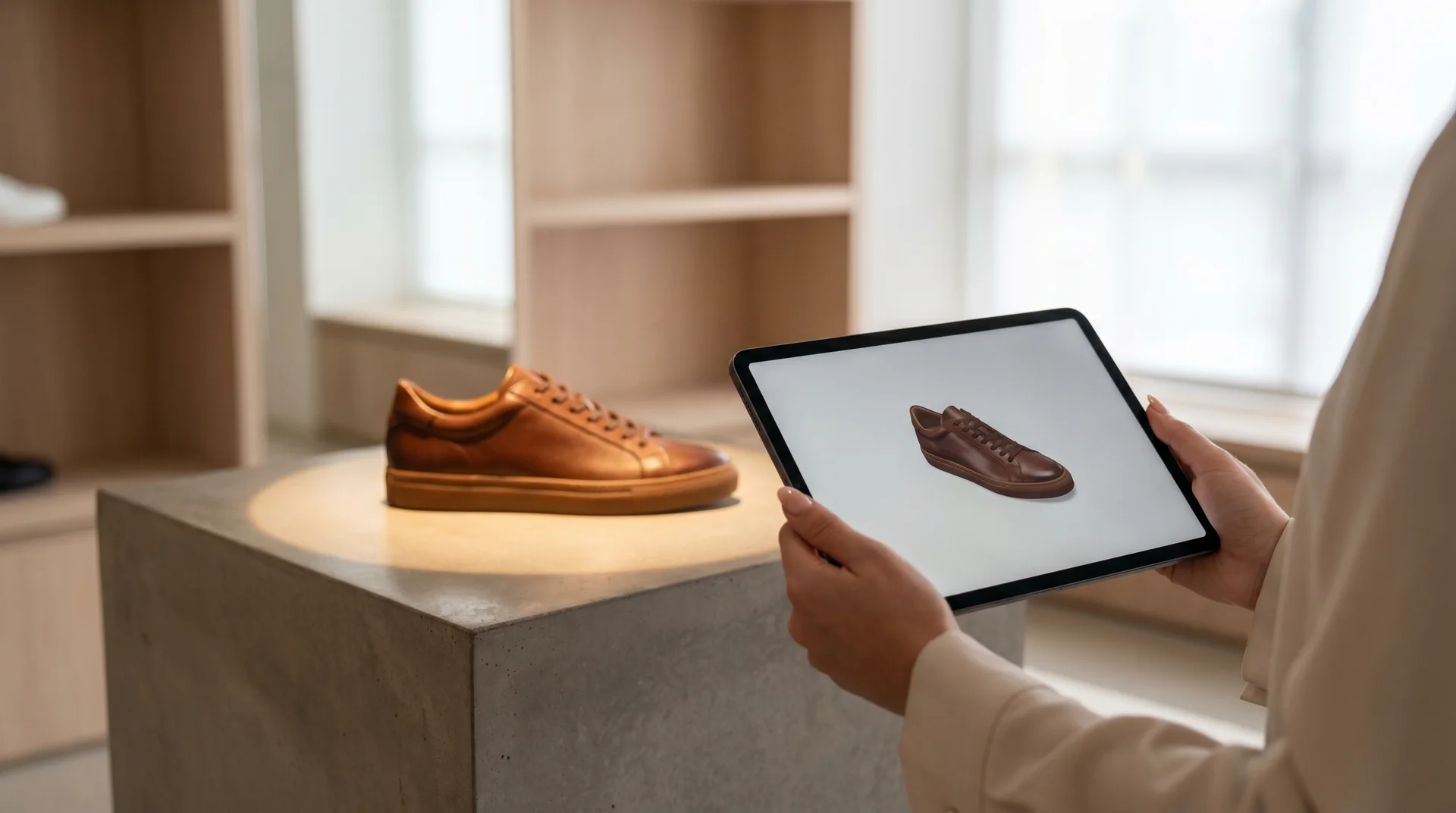
Shoe retail is undergoing a profound transformation driven by digitalization. Digital catalogs, AI-supported supply systems, and data-driven purchasing processes are reshaping the operational model of future stores. Succeeding in this new era requires combining technological tools with the right strategies.
Shoe retail is rapidly evolving beyond traditional buying habits and physical supply chains toward a digital future. Processes that once involved lengthy trips to manufacturers' headquarters, physical catalog reviews, and intuitive stocking decisions are now being replaced by data analytics, online platforms, and smart technologies. The shoe store of the future will be not just a place to sell shoes but a dynamic entity optimizing its entire operation from supply to sale using technology. This transformation offers both new challenges and great opportunities for boutique owners and wholesale buyers.
Digital Catalogs and Enriched Product Presentation
One of the most influential factors in the wholesale shoe buying decision process is thoroughly examining the product. Digital and interactive presentations have replaced traditional printed catalogs or low-resolution photos, offering buyers an unprecedented inspection experience. This reduces the need for physical touch while enhancing the accuracy of purchasing decisions.
Beyond Static Photos: Product Videos
One of the most effective ways to understand a shoe's posture, flexibility, and material quality is to see it in motion. Product videos clearly show how the model looks from different angles, how it forms while walking, and the material's reflections under light. Product videos on platforms like Bulkoon provide significant assurance for store owners buying from a new supplier for the first time. This enriched content reduces return rates while increasing customer satisfaction and sales potential.
360-Degree Visuals and Detailed Technical Information
A successful digital catalog is not just about aesthetic visuals. Buyers want quick access to technical details such as outsole materials, inner lining, fit features, and manufacturing location. 360-degree rotatable product images, zoom functions, and detailed descriptions help buyers visualize the model mentally. This transparency especially minimizes order errors and builds trust between suppliers and buyers in categories where technical characteristics matter, such as wholesale women's sports shoes.
Data-Driven Purchasing and Inventory Management
Intuition will always matter in retail decisions, but the successful stores of the future will be those that back this intuition with concrete data. Digital wholesale platforms provide buyers with critical data such as market trends, popular models, and inventory turnover rates, enabling smarter purchasing decisions. This reduces dead stock risk and directly impacts profitability.
Trend Analysis and Demand Forecasting
Knowing which colors are trending, which outsole types are losing popularity, or which models sell better in specific regions gives you a competitive edge. Online B2B platforms analyze the behavior of thousands of buyers to generate valuable insights like these. Store owners can use this data not only to focus on what sold in the past but also to anticipate what will sell in the future, maintaining a fresh and in-demand inventory.
AI-Powered Personalized Recommendations
Artificial intelligence increases efficiency by personalizing wholesale buying processes. Advanced algorithms analyze a store’s past orders, customer demographics, and geography to suggest the most suitable products. Features like Bulkoon’s "AI-powered smart selection" prevent buyers from getting lost among thousands of models and help them focus on products with the highest sales potential. Acting as a digital buying assistant, this technology saves time and helps make accurate decisions.
The Rise of Online Supply Processes
Digitalization of the supply chain is one of the biggest revolutions in shoe retail. Store owners can now access manufacturers and brands worldwide or nationwide from a single platform. This eliminates geographical barriers and enables the creation of a more diverse and competitive product range.
Removing Geographic Limits
Traditionally, boutique owners were typically limited to wholesalers in their own city or nearby regions. Digital marketplaces bring hundreds of approved suppliers from various production centers across Turkey right to buyers’ screens. This makes it easy for a store owner to discover niche, differentiated products tailored to their customer base. Platforms offering over 10,000 model options enable stores to build unique collections that reflect their identity.
Trust and Transparency: Approved Supplier Systems
One of the biggest challenges in online commerce is trust. In high-volume wholesale purchases, the reliability of the supplier is crucial. Future B2B platforms solve this problem with “approved supplier” systems. Manufacturers are financially and operationally verified before being accepted onto the platform, adding a layer of assurance for buyers. Buyers can review the suppliers' past performance, product quality, and delivery speed to make more informed decisions.
Digital Integration of In-Store Experience
Digitalization not only transforms supply processes but also the physical store’s operations. The stores of the future will offer a richer customer experience through hybrid models combining online and offline worlds. This integration helps reduce stock costs while increasing product variety.
The “Endless Aisle” Concept
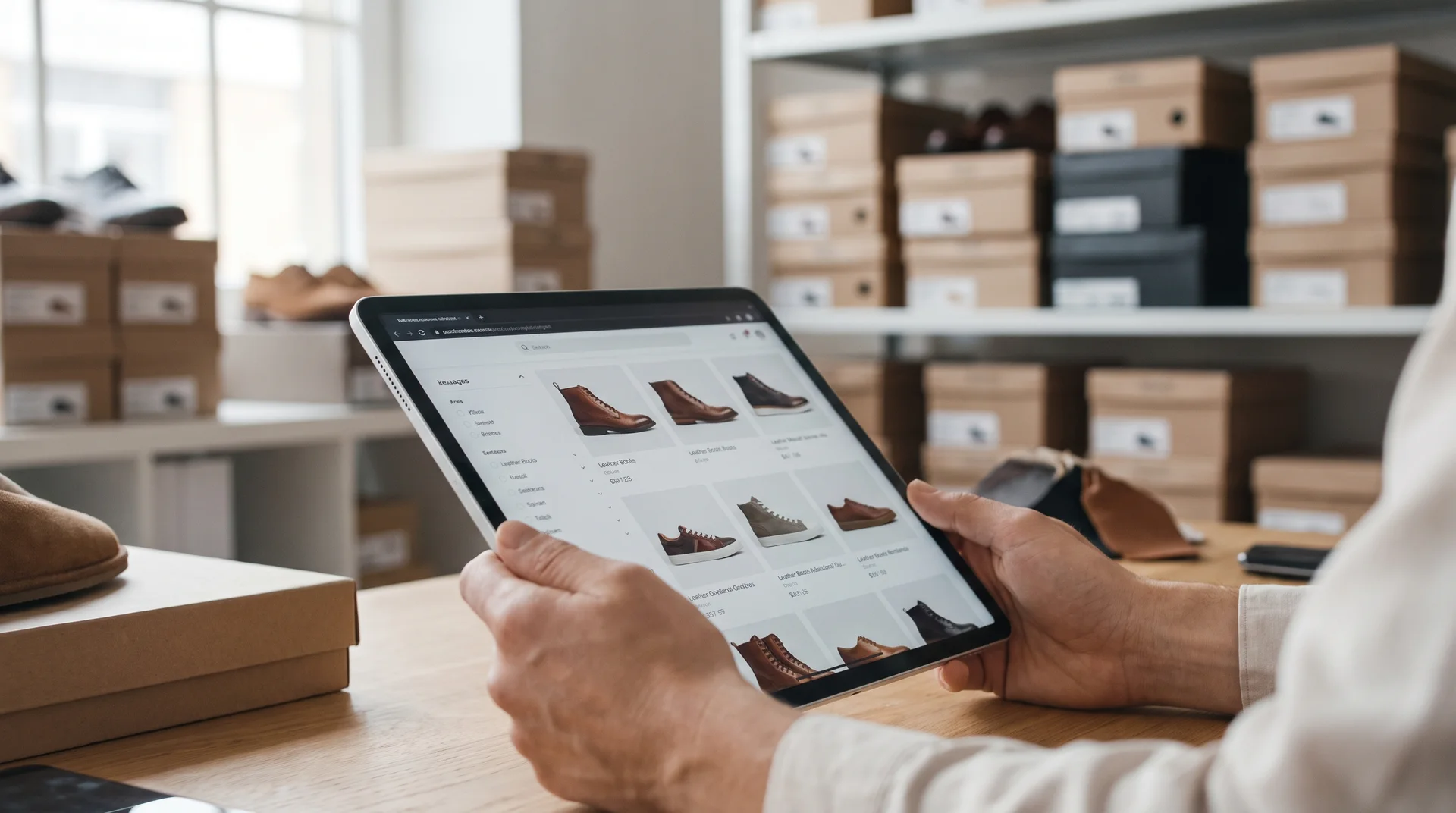
One of the biggest limitations of a physical store is shelf space. The "Endless Aisle" concept removes that limitation. Store staff can access the supplier’s digital catalog on a tablet or kiosk inside the store if the desired size or color is out of stock. Customers can view and order, for example, a men’s sports shoe model unavailable in-store directly from this screen, and the product can be shipped straight to the customer’s address or the store. This system prevents lost sales and allows the store to offer a much wider inventory than physically possible.
Personalized Customer Journey
Data plays a key role not only in supply but also in customer relations. Stores can analyze customer data to offer personalized deals, notifications about new arrivals, and special discounts. For example, sending an email about the new season stiletto collection to a customer who regularly buys high heels significantly increases the likelihood of a sale. This personalized communication strengthens customer loyalty.
Operational Efficiency and Cost Advantages
Digital tools provide a competitive advantage by alleviating operational burdens and reducing costs in shoe stores. Many processes from supply to logistics become more efficient through automation and digital platforms. This allows store owners to focus more on strategic issues.
Savings on Travel and Time
Traveling to other cities for wholesale purchase is both a significant cost and time loss. Expenses for flights, hotels, and meals add to product costs. Digital B2B platforms eliminate these costs entirely. Store owners can review thousands of models from hundreds of suppliers from their seats, compare prices, and place orders with a few clicks. The resulting savings directly improve business profitability.
Fast and Integrated Logistics Solutions
As important as placing the order is ensuring the products arrive on time and without problems. Modern wholesale platforms digitize logistics processes as well. Real-time shipping status, live tracking, and delivery notifications help buyers plan their operations. Systems offering advantages like free shipping to all 81 provinces of Turkey reduce logistics costs to zero, greatly facilitating small and medium-sized enterprises.
Conclusion: Building a Shoe Store Ready for the Future
The shoe store of the future will view technology not as an end but as a means to achieve business goals. Data-driven purchasing, digital supply chains, and online-offline integration are no longer options but necessities for staying competitive. Success in this new era depends on adaptability and working with the right technological partners. Platforms like Bulkoon help store owners easily navigate this transformation and secure a strong position in the retail world of the future.