You might also like

 3 colors
More Color Options


 4 colors
More Color Options
 3 colors
More Color Options

 5 colors
More Color Options


Initial sales velocity in wholesale footwear purchasing can be misleading. Learn how to measure a shoe model's reorder potential through size balance, inventory turnover rate, and supplier continuity.
The rapid sell-out of an initial batch in a shoe display or an e-commerce dashboard often creates a misleading excitement for store managers. The high sales momentum of a newly ordered women's sports or ballet flat model within the first few days doesn't necessarily mean that the same product should be immediately restocked in the warehouse. Sustainable profitability in retail and wholesale trade is determined not just by the initial sales excitement; it depends on the model's commercial lifespan, size-based depletion balance, and the speed of the supply chain. Measuring reorder potential is a strategic expertise for buyers who want to efficiently use store budgets without risking idle inventory.
Not every fast-selling shoe model is a candidate to become a long-term store classic. A particular model may sell out within 48 hours due to social media trends or momentary changes in consumer taste. However, this does not guarantee that the product will maintain the same sales speed throughout the season. When analyzing first sales speed in wholesale footwear supply, it's critical to distinguish whether the demand is organic or a temporary surge.
Especially colorful or unique designs based on micro-trends initially attract intense interest. Once consumers purchase the novelty, demand momentum may suddenly drop sharply. For such models, ordering in small lots quickly is logical, while large-volume reorder risks accumulating leftover end-of-season stock.
On the other hand, staple products suitable for daily use, such as women’s loafers or black-soled work shoes, exhibit a more balanced sales curve. Even if they don’t sell out immediately in the first week, they continue to sell in steady quantities weekly. The highest reorder potential is found among these timeless designs with sustainable demand.
Trend-Focused Models: High sales in the first 10 days followed by a sharp decline.
Core Models: Stable and predictable sales momentum throughout the season.
Seasonal Necessities: Sudden demand spikes depending on weather conditions.
When the motivation behind initial sales momentum is correctly analyzed, the risk of placing large reorders for the wrong product is significantly reduced.
3 colorsMore Color Options
4 colorsMore Color Options
3 colorsMore Color Options
5 colorsMore Color Options
One of the most common mistakes in footwear retail is making decisions based on overall series sales without deeper analysis. The rapid sale of the most popular middle sizes like 37 and 38 in an assortment does not mean the entire batch is successful. The size-specific depletion balance must be carefully examined before deciding on reorders.
For example, a retailer buying an 8-pair assortment may sell out sizes 37 and 38 in the first 3 days while holding on to sizes 36 and 40. If the retailer reorders the same assortment based only on the number of pairs sold, the outer sizes start accumulating in the warehouse. This situation is called "assortment imbalance" and leads to locked-up capital.
True reorder potential emerges when balanced depletion occurs across all sizes. If there is no significant gap between the sales velocity of middle sizes and the turnover rate of end sizes, the product has reached an ideal mold and target customer base. Stores should digitize size-based stock tracking to detect where stock is getting stuck.
Middle Size Depletion: Percentage sales of sizes 37-38 (women) or 41-42 (men).
End Size Retention: Shelf duration of sizes 36 and 40.
Single Size Completion: Ability to order missing sizes instead of full assortments from suppliers.
Reordering a model with unbalanced size depletion creates broken series that occupy warehouse space and reduce profitability.
Inventory turnover rate is a fundamental financial metric that shows how long a shoe model remains on the shelf and how quickly invested capital converts to cash. Retailers must calculate the remaining season length and turnover ratio before pressing the reorder button.

A product with high inventory turnover in the first month may not perform the same in the second or third month. Reorders mid-season must consider shipping and production lead times. If a model with a 4-week sales window takes 3 weeks to replenish, the product may arrive during a discount period.
Late reorders cause the product to miss the full-price sales window, forcing the retailer to discount at a loss at season’s end. In categories like men’s sports or casual footwear, rapidly and digitally managing order processes is critical to maintaining inventory turnover.
Order Timing: Reorders during the first 30% of the season yield the highest profit margins.
Lead Time: Number of days from order placement to shelf availability.
Cash Flow Balance: Time for invested capital to return as cash.
Uncontrolled reordering of high-turnover but long lead-time products can erode profitability due to end-of-season margin reductions.
Even if initial sales figures look excellent, ignoring qualitative customer feedback and return rates may lead to disastrous reorder decisions. The physical quality and fit of a shoe model become clear only through customer use.
A model that sells 50 pairs in the first week may accumulate high return rates in the second week due to narrow fit, stiff soles, or stitching irritations. Rushing into reorder decisions without gathering customer feedback from e-commerce or physical stores can damage store reputation.
An acceptable return rate in retail ranges between 3% and 5%. If returns or exchanges exceed 10%, reorder processes must be halted regardless of sales speed. Products that fail to satisfy customers may generate short-term revenue but cause long-term customer loss.
Fit Size Mismatch: Consumers' tendency to purchase a size larger or smaller.
Material Deformation: Cracks in leather or sole during initial use.
Tracking Return Reasons: Whether complaints arise from manufacturing defects or expectation mismatches.
Models that don’t pass the customer experience test should be removed from reorder lists, even if sales velocity remains high.
Even with high reorder potential, if the manufacturer or wholesaler lacks stock continuity, this potential cannot translate into commercial gain. Retailers must manage their supplier network correctly and develop alternative sourcing paths.
Traditional manufacturing can take weeks to reproduce a model. Here, B2B platforms specializing in ready stock offer a vital advantage. With over 10,000 models available and guaranteed ready stock on Bulkoon, stores eliminate the risk of waiting weeks for production of bestsellers.
When production of a best-selling model stops or supplier stock runs out, alternative models with similar soles and uppers must be deployed immediately. Thanks to Bulkoon’s network of over 100 approved manufacturers and suppliers, it is possible to source a comparable model from a different vendor and continue sales without interruption.
Ready Stock Verification: Real-time visibility of supplier warehouse inventory.
Alternative Model Matching: Substitute products offering similar aesthetics and comfort to consumers.
Multiple Supplier Access: Refreshing stock without being dependent on a single manufacturer.
Reorder strategies without a reliable supplier infrastructure invite shelf emptiness and revenue loss.
Store owners and wholesale buyers should systematize stock management by classifying products in their catalogs with clear labels. This discipline clarifies when to reorder each product.
For stock risk management, products should be divided into three main groups: "Tested" items ordered initially in low quantities for data collection; "Reorderable" models with verified size balance and mold that are stocked continuously; and "Seasonal" products intended to sell out within a specific month range. This classification ensures proper allocation of the purchasing budget.
Digital platforms that eliminate expenses related to travel, accommodation, and sample collection allow stores to place smaller but more frequent orders. With AI-powered smart selection tools and detailed filters, retailers can quickly complete missing sizes in their best-selling categories. As can be seen on the How It Works page, following steps like Discover, Explore, and Order makes maintaining store stocks highly practical. The nationwide free shipping to 81 provinces and installment options at cash prices ensure financial sustainability throughout the reorder process.

Test Group: New designs tested with small lots to collect data.
Continuity Group: Models forming the store’s main revenue and subject to regular reordering.
Season End Group: Periodic products with reordering closed after season’s end.
Combining correct product classification with digital B2B supply conveniences enables stores to maintain profitability and offer customers a seamless product range. To keep up with industry trends and negotiation dynamics, explore other guides in our Trends category.
Information in this article draws on the following sources.

Adding a shoe model that rapidly spreads on social media to your inventory might seem like a great opportunity. However, before making this decision, you need to carefully analyze the nature of viral trends, stock and supply risks, and profitability potential. This guide aims to help wholesale buyers and boutique owners make informed moves.
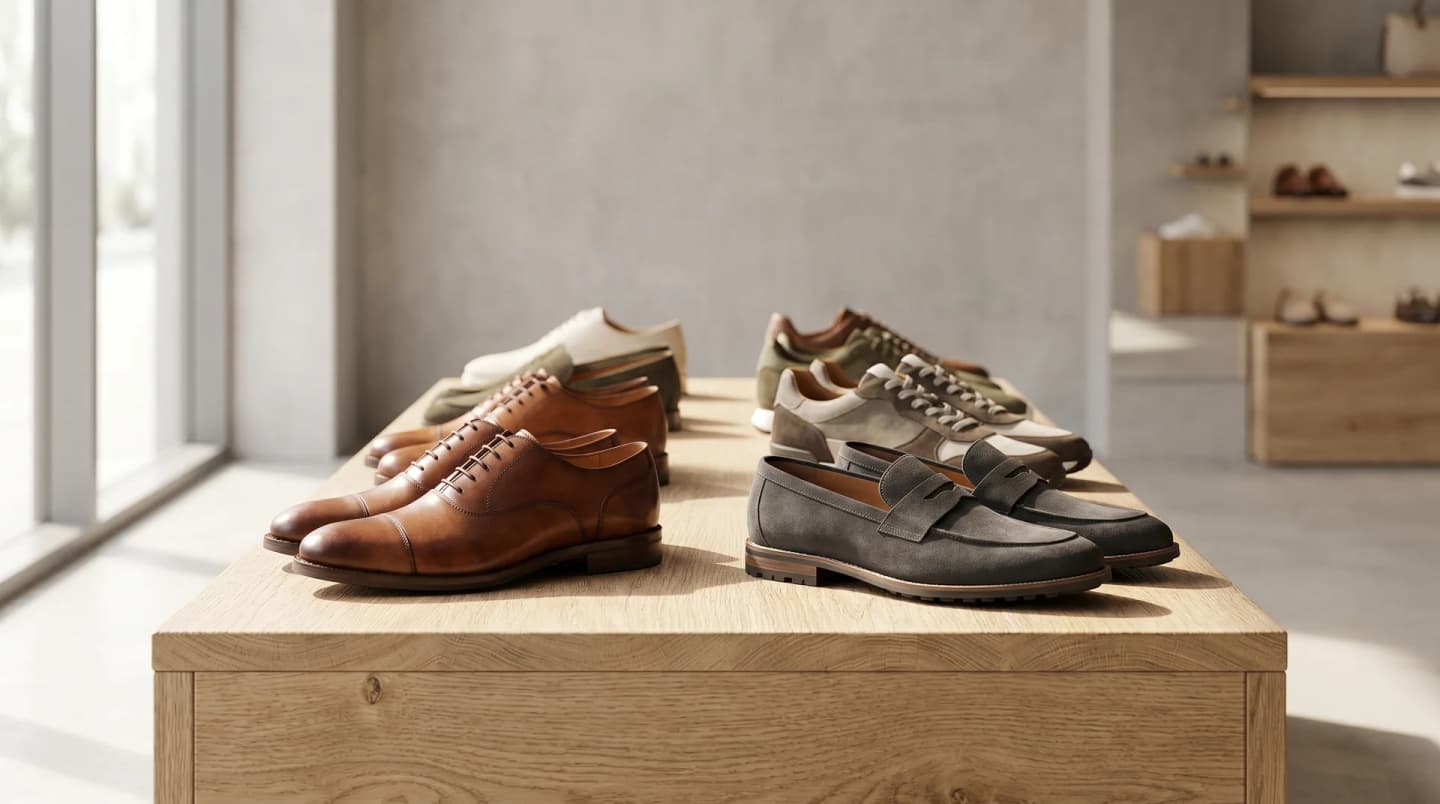
Men's adult sizes footwear, representing EU sizes 40-44, is a core category in the wholesale footwear industry. This guide explains what the men's adult sizes category is, highlights popular models, offers profitable assortment strategies, and details how to find reliable suppliers for new boutique owners and buyers.
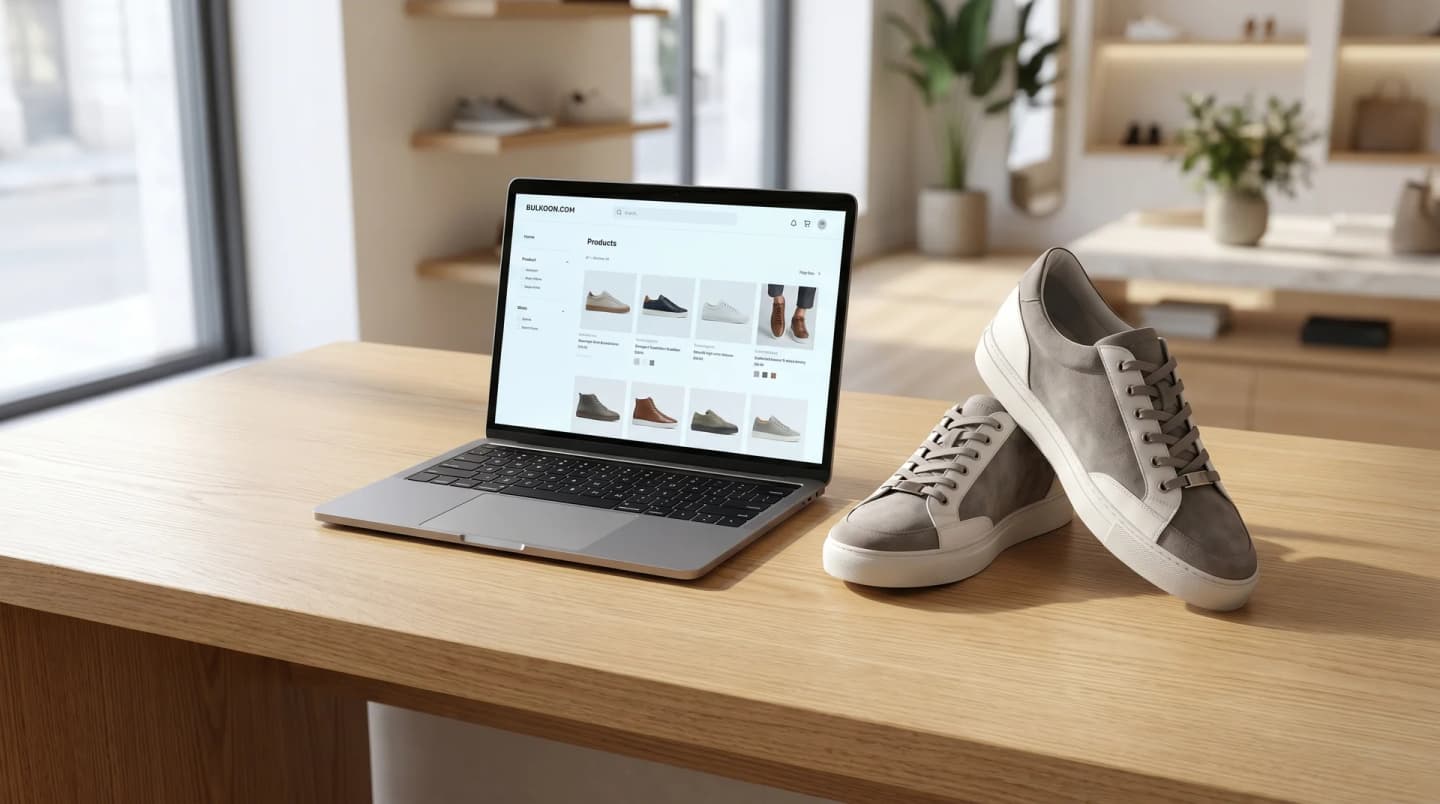
Discover how digitizing your wholesale footwear purchasing process can boost operational efficiency. Learn key benefits of using Bulkoon, such as time savings, extensive product variety, fast stock replenishment, and a reliable supplier network.