How Does the Shipping Process Work in Wholesale Footwear Orders?

The shipping process in wholesale footwear purchases involves many critical details from cost to delivery security. Understanding volume weight calculation, carton standards, damaged product procedures, and the importance of proper packaging directly affects your store operations. This guide explains all the steps of wholesale footwear logistics and important considerations.
A successful season in wholesale footwear trade is not only about choosing the right models but also ensuring these products reach your store on time, undamaged, and with predictable costs. Logistics and shipping processes are often overlooked but constitute an operational pillar that directly affects profitability. Every step from the moment the order is placed until the products are shelved requires a professional approach. Disruptions in this process can slow stock turnover, lower customer satisfaction, and lead to unexpected expenses. Therefore, understanding how the shipping process works is fundamental for every wholesale buyer.
Fundamental Concepts of Wholesale Footwear Logistics
Knowing the terminology and standards used in wholesale footwear shipments enables healthier communication with suppliers and assists in calculating costs more accurately. Concepts such as volume weight and carton form the foundation of this process and are metrics every buyer should be familiar with. These standards aim to optimize every detail from the space occupied by the shipment to its weight.
Volume Weight Calculation: The Importance of Volume and Weight
One of the primary criteria in shipping fees is "volume weight". This refers to the volumetric weight of a package, and shipping companies determine the shipping fee by comparing the actual weight of the package with its volumetric weight; they charge based on whichever is higher. The volume weight is calculated using the formula: (Width x Length x Height) / 3000. For example, a shoebox carton sized 50 cm x 40 cm x 30 cm has a volume weight of (50 * 40 * 30) / 3000 = 20 volumetric kilograms. If the actual weight of this carton is 15 kg, the shipping company charges based on 20 volume kilograms. Therefore, efficient volumetric packaging by the supplier directly reduces your shipping costs.
Carton and Size Run Concept: Packaging Standards
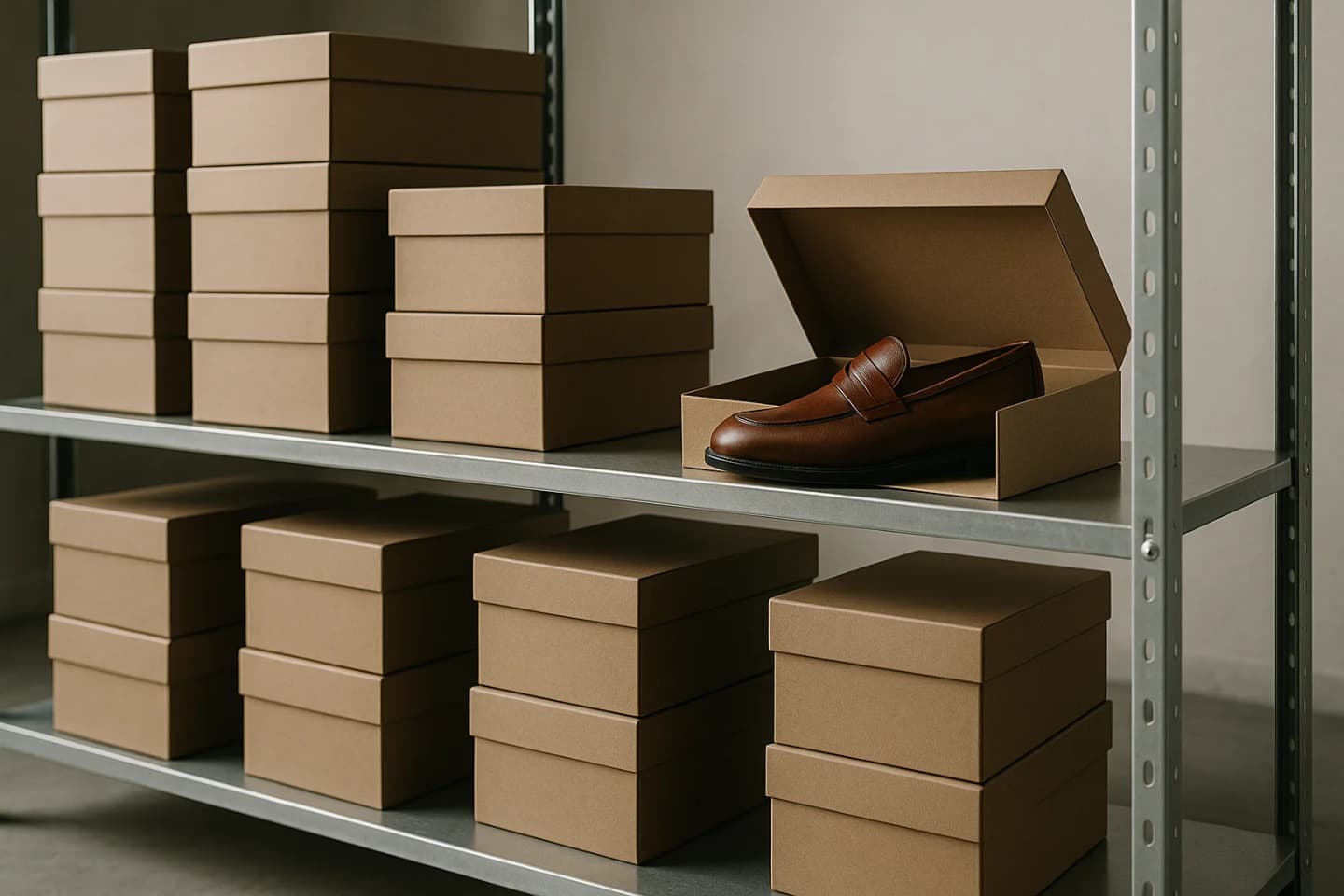
In footwear wholesale, products are generally shipped in standard cartons. A carton typically contains a "size run" of different sizes of a single model. For example, a standard size run for a women's sports shoe model may include sizes from 36 to 40. Suppliers strive to keep these cartons in standard dimensions for logistical efficiency. This standardization simplifies storage and makes shipping volume weight calculations predictable. As a buyer, knowing the supplier’s carton size run structure and carton dimensions helps you plan your order quantities and related shipping costs. These standards become even more important in multi-carton shipments.
Understanding volume weight and carton standards in wholesale footwear logistics is the first step to cost control and operational efficiency. Volumetric weight and packaging arrangements directly determine shipping fees.
What Factors Affect Shipping Costs?
Shipping costs can make up a significant part of the total cost in wholesale orders. Multiple dynamics influence this cost. Every detail from shipping distance to total package weight, and from requested additional services to insurance options shapes the final invoice. Understanding these factors helps you better manage your budget and avoid surprise expenses.
Shipping Distance and Intercity Logistics
One of the most decisive factors in freight pricing is the distance between the shipment origin and destination. In Turkey, intercity shipments typically use regional pricing tariffs by cargo companies. Sending a shipment from Istanbul to Kars will naturally cost more than sending one from Istanbul to Bursa. Digital wholesale platforms can offer significant advantages here. For example, platforms like Bulkoon provide benefits such as free shipping to all 81 provinces of Turkey, allowing buyers to eliminate this cost factor. This represents considerable savings, particularly for boutiques in remote cities.
Impact of Package Size and Weight on Price
The volume weight concept mentioned earlier comes into play here. Shipping cost depends not only on the package’s weight in kilograms but also on the space it occupies. A large but light carton can be more expensive to ship than a small but heavy one. It is therefore critical that suppliers pack products efficiently in tightly packed cartons with minimal empty space. When ordering multiple cartons, the volume weight and weight of each carton are calculated separately to find the total cost. As a buyer, requesting estimated carton counts and dimensions from your supplier before ordering makes cost forecasting easier.
Shipping costs are a combination of distance, volume, and additional services. Correctly analyzing these variables and leveraging advantages offered by digital platforms can significantly reduce logistics expenses.
From Order to Delivery: Steps of the Shipping Process
When you place a wholesale footwear order, a series of operational steps that need meticulous management begin behind the scenes. Every stage from order confirmation, product preparation, shipment handover, until delivery to you, is crucial for process speed and security. Knowing these steps helps you set realistic expectations and prepare for potential issues.

Order Preparation and Delivery to Shipping Time
After order confirmation, the supplier starts gathering, inspecting, and packing products in the warehouse. The speed of this process depends on the supplier’s inventory management and operational capacity. Suppliers listed on platforms like Bulkoon often integrate with digital workflows, accelerating this process. Systems listing only ready stock items enable immediate processing of orders. For example, commitments to ship orders placed before 3 PM on the same day allow buyers to replenish stock much faster. This speed is critical, especially for fast-selling products such as men's sports shoes to keep up with the season.
How Do Shipping Tracking Systems Work?
When products are handed over to shipping, buyers typically receive a tracking number. This number allows you to follow the shipment's journey step by step within the logistics network. By entering this number on the cargo company's website or mobile app, you can see the parcel location, which transfer hubs it has passed through, and the estimated delivery date. Modern logistics systems improve transparency with real-time location updates and even notifications through WhatsApp. This tracking system enables buyers to prepare for delivery and proactively receive information about any delays.
The speed of dispatch and transparent tracking provide trust and ease of planning in wholesale purchases. Ready stock and digital infrastructure are key factors that increase process efficiency.
Buyer Responsibilities for Smooth Delivery
The success of the wholesale shipping process depends not only on the supplier and cargo company but also on the buyer’s responsibilities. Providing correct information and performing necessary checks at delivery can prevent or speed up solutions to possible problems.
The Importance of Correct Address and Contact Information
This step may seem simple, but incorrect or incomplete address information is one of the most common issues in wholesale logistics. It is critical to provide your store’s full address, including neighborhood, street, building, and door number with no missing details. Also, providing an up-to-date and reachable phone number is compulsory for the cargo personnel to contact you. Indicating that the address is a business location and noting working hours reduces the risk of failed deliveries. Parcels returned or held at transfer centers due to incorrect addresses cause both time loss and additional costs.
Procedures to Follow in Case of Damaged or Missing Products
Before accepting cartons at delivery, always check the external packaging thoroughly. If there are visible damages like crushing, tearing, or wetness on the carton, request the cargo personnel to prepare a “damage report.” This report serves as official evidence that the loss occurred during transportation and is essential for claim processes. Do not sign for the carton before the report is completed. Even if there is no obvious external damage, if you find missing or damaged products after opening the carton, immediately document the situation with photos and contact both your supplier and the cargo company. Knowing these procedures in advance helps protect your rights.
Accurate information from the buyer and careful checks at delivery ensure the successful completion of the final step in the shipping process. Following correct procedures in damage situations is the most effective way to prevent financial losses.
The Critical Role of Packaging in the Logistics Process
The journey of wholesale footwear from the supplier to your store is fraught with risks if packaging is done incorrectly. Packaging is not just a container holding products together; it is also armor protecting them from shocks, moisture, and other external factors during transport. Quality packaging preserves brand image, while poor packaging can cause serious financial and operational problems.
How Incorrect Packaging Harms Stores
Insufficient or incorrect packaging leads to multiple negative outcomes for stores. Firstly, shoeboxes that are crushed or deformed during transit reduce the product’s shelf value. Customers may hesitate to purchase products in damaged boxes. Worse still, the shoes themselves may be damaged-a scratched leather, broken heel, or stained fabric can render the product unsellable. This means direct loss. Additionally, return and exchange procedures generate extra costs and operational load by requiring time and additional shipping. Working with reliable and well-known brands in the industry generally ensures higher packaging standards.
Choosing the Right Packaging Materials
Effective protection requires using proper packaging materials. Wholesale shoe cartons are typically made from double-walled corrugated cardboard. This material does not collapse under stacking and is more resistant to impacts. To prevent shoe boxes inside the carton from shifting, filler materials such as bubble wrap, foam, or kraft paper should be placed between them. Especially delicate models like stilettos with slim heels or embellished designs must be individually protected. The carton outer side must be securely sealed with packing tape and marked with warning labels like “Fragile” to encourage careful handling by transport staff.

Proper packaging is not a cost item but an insurance that protects the product investment and brand value. Considering packaging quality as a criterion in supplier selection helps prevent many problems in the long term.
Advantages of Digital Platforms in Wholesale Footwear Logistics
Managing logistics processes in wholesale footwear trade has become much easier and more efficient thanks to digitalization. B2B platforms like Bulkoon offer significant advantages by simplifying shipping and delivery processes for buyers. These platforms allow managing purchases from different suppliers at a single hub, standardizing shipping processes, and reducing costs. For example, tracking the shipping status of orders placed through the platform from one dashboard eliminates the need to deal with different cargo companies individually.
Centralized Tracking and Standardized Procedures
In a digital marketplace, even if you source products from hundreds of different suppliers, shipping and delivery processes usually operate according to standards set by the platform. This allows you to follow a familiar single workflow instead of learning different procedures for each order. Information such as order confirmation, shipping dispatch notifications, and tracking numbers are delivered in a standardized format. This represents a major operational convenience particularly for industry professionals and boutique owners working with multiple suppliers.
Cost and Time Savings
One of the greatest benefits of digital wholesale platforms is the cost advantage they provide through logistics economies of scale. Thanks to high shipment volumes, they can negotiate special agreements with cargo companies and pass these discounts to buyers. Services like free shipping across Turkey are hard for individual buyers to achieve on their own. Additionally, operational speed such as processing orders quickly and dispatching the same day makes your store’s inventory management more dynamic and prevents missing sales opportunities.
By simplifying shipping processes, reducing costs, and increasing transparency, digital wholesale platforms ease the logistics burden on buyers. This way, buyers can focus on their core tasks of product selection and sales instead of operational details.