How Much Does Product Photography Really Affect Sales?
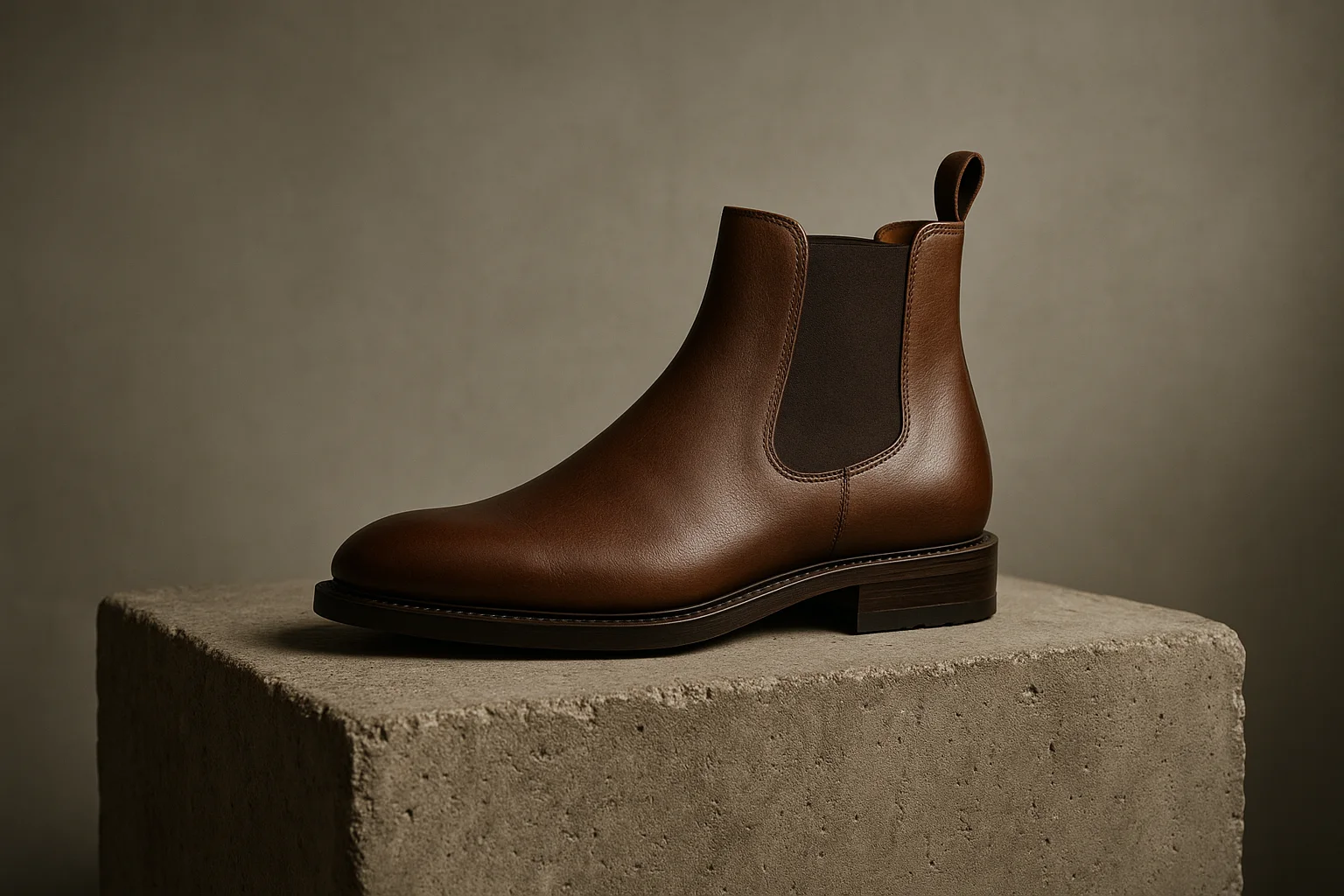
In e-commerce and social media, a customer's first interaction with a product is visual-before price or description. Quality product photography increases perceived value, builds trust, and directly impacts conversion rates. This article explores professional photography techniques, lighting use, correct angles, and the power of video content that will boost your footwear sales.
What catches the attention of a buyer browsing hundreds or even thousands of products in a digital marketplace? It is not the price tag, brand name, or product description. The first contact is a visual interaction that happens within seconds. This rule is even stricter for footwear retail: the customer cannot touch the product, feel its material, or try it on. At this point, product photography ceases to be just a representation tool and becomes the product itself. A poor photo can make even the highest-quality shoe look ordinary, while a professional image creates value, quality, and desire in the potential buyer’s mind. Therefore, the quality of photography that forms the foundation of your visual marketing strategy is not a luxury but a commercial necessity.
Fundamental Principles: The Power of Light and Background
The foundation of a successful product photo lies in two critical elements: lighting and background. These two elements ensure the shoe’s shape, texture, and color are accurately reflected, allowing the customer to visualize the product mentally. Misuse can make even the most stylish design look lifeless and unappealing. Achieving professional results requires understanding these basic principles before investing in expensive equipment.
The Importance of Proper Lighting
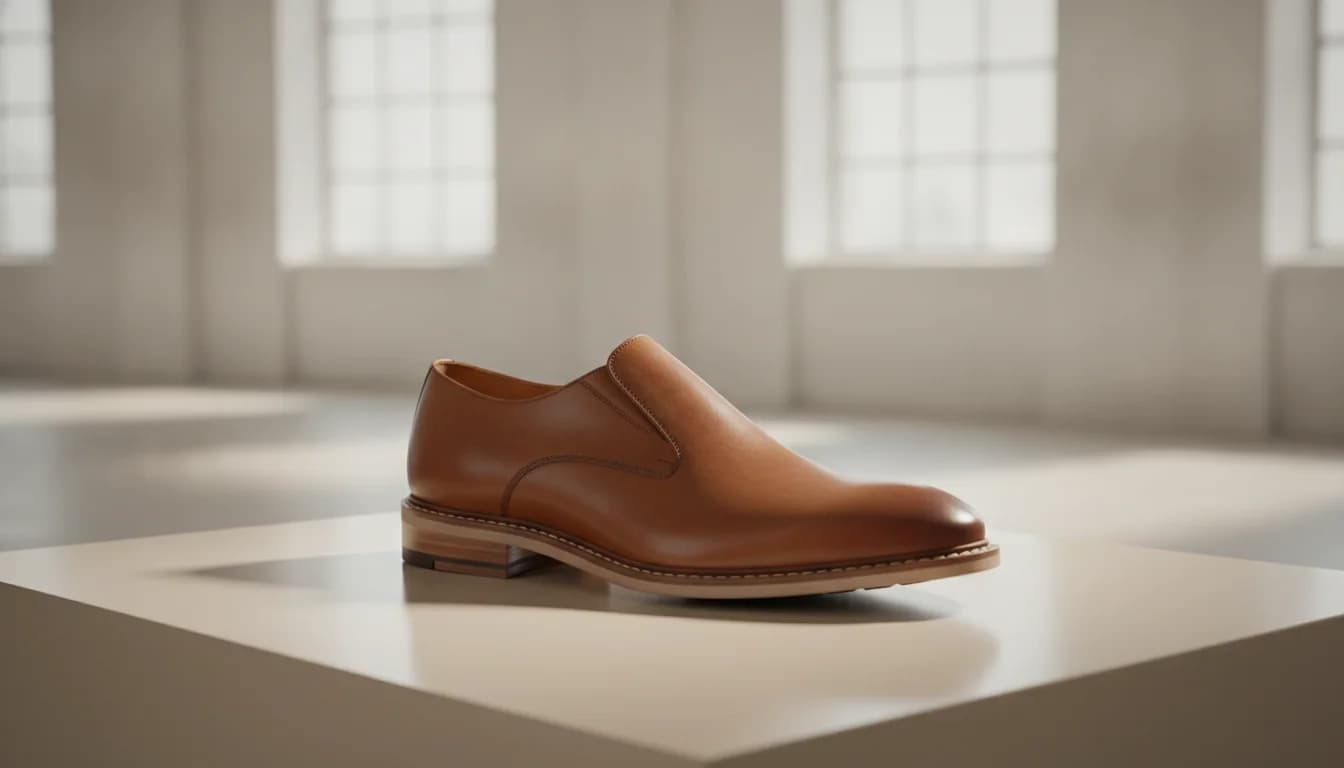
Light is the soul of photography. In shoe photography, the goal is to clearly highlight the material and details of the product. The ideal lighting is usually soft and diffused. Natural daylight from a window reflects colors most accurately and avoids harsh shadows. Direct sunlight should be avoided as it causes excessive glare and sharp shadows that conceal product details. When artificial lighting is used, diffusers like softboxes or umbrellas help achieve studio-quality results. The angle of light should be strategically used to emphasize the shoe’s texture. For example, soft side lighting brings out the velvety texture of a suede shoe or the shine of a leather shoe.
Background Selection and Composition
The background should allow the product to take center stage. The most common and effective choice for e-commerce sites is a neutral background such as white or light gray. These backgrounds do not distract, allow the product colors to be perceived accurately, and create a consistent, professional look throughout the site. Keeping the product perfectly in focus simplifies the buyer’s decision-making process. For social media or concept shoots that reflect brand identity, textured surfaces, wooden floors, or minimalist decorative objects can be used. However, even in these cases, care must be taken that the background does not overshadow the product. Basic composition principles like the “rule of thirds” can help make the photo more dynamic and balanced.
The Best Angles and Details That Tell the Shoe’s Story
Customers want to see a shoe online from every angle as they would in a physical store. A single-angle photo provides incomplete information and leaves questions in the buyer’s mind. A comprehensive visual set showing every side of the shoe builds trust and strongly supports the purchase decision. This is especially critical for businesses buying wholesale and wanting to fully understand a model’s features.
Standard and Creative Shooting Angles
There are some essential standard angles for every shoe model that provide the buyer with a 360-degree overview.
Side Profile: The most basic angle showing the shoe’s silhouette, heel height, and sole structure.
3/4 Angle: Shows both front and side simultaneously, creating a sense of depth and is among the most preferred angles.
Top View: Provides information about the shoe’s last, insole, and toe shape.
Back View: Displays heel details, brand logo, or craftsmanship on the ankle area.
Sole Shot: Especially important for models like men's sport shoes, showing the tread pattern, material, and anti-slip properties.
In addition to these standard angles, “worn” photos showing the shoe on a model’s foot provide valuable context about fit and styling possibilities.
Detail Shots That Highlight Material and Craftsmanship
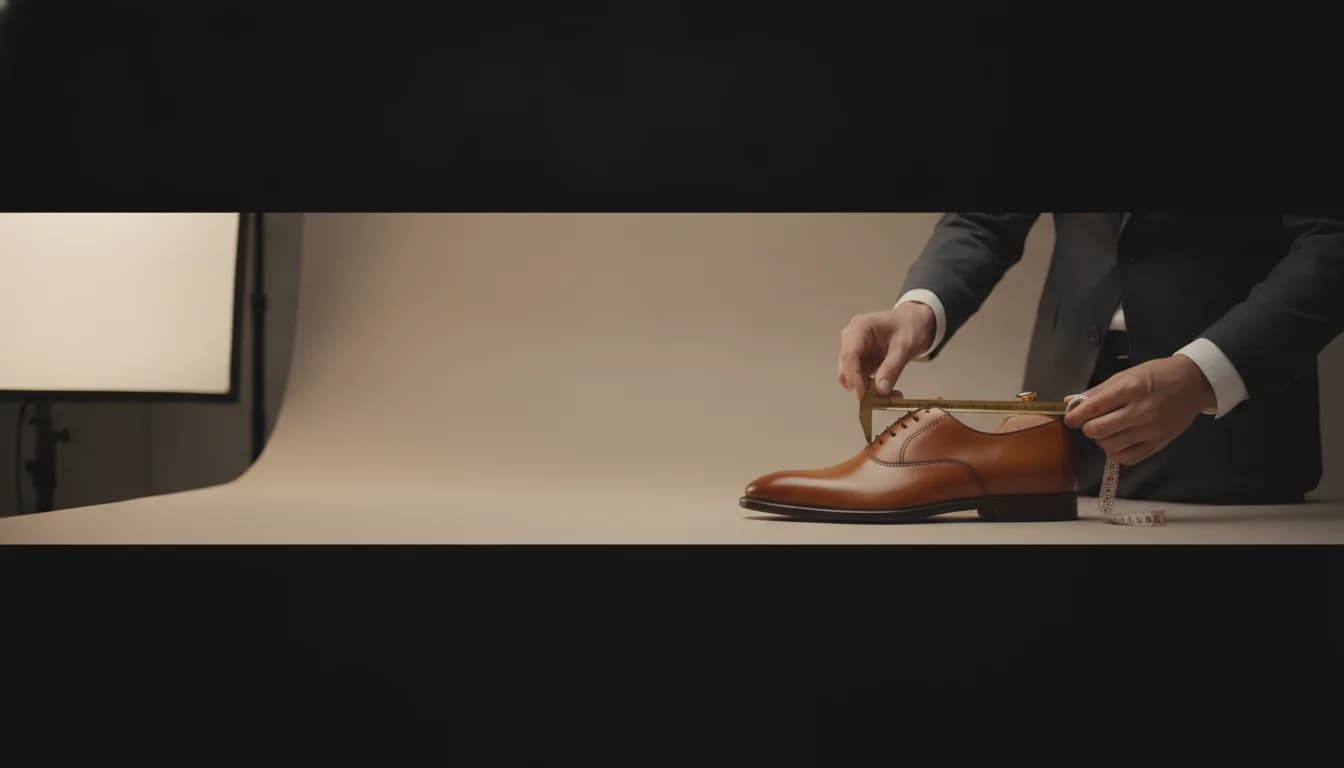
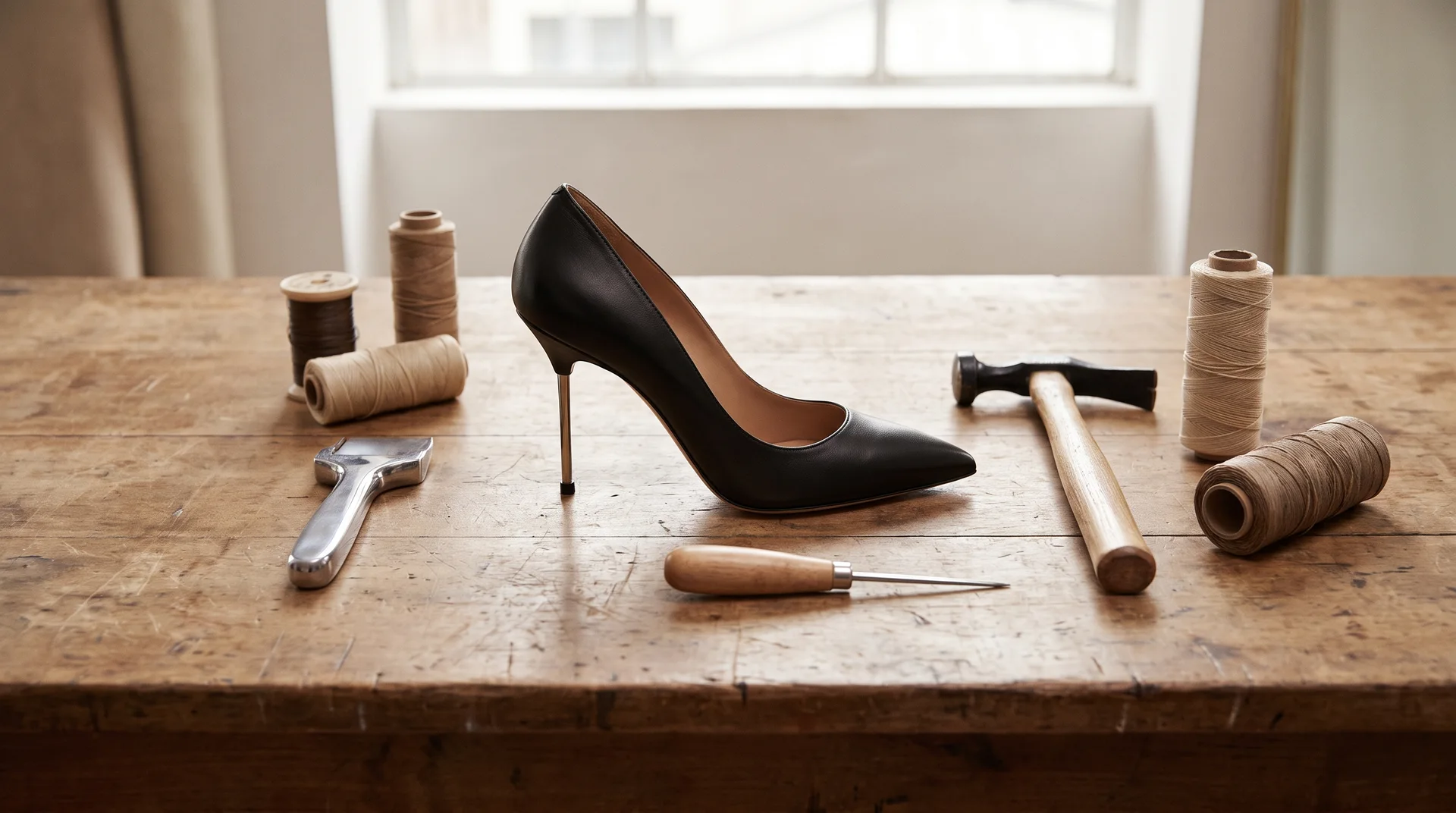
Elements that justify the shoe’s quality and price are often hidden in details. To increase customer trust, these details should be emphasized with macro shots. Stitching precision, texture of leather or fabric, quality of metal accessories, and workmanship of eyelets should be showcased with close-ups. For example, a stylish women’s stiletto heel detail or the hand-stitched seams on a loafer directly enhance the perceived value. These detailed shots communicate the message, “This product is carefully made and of high quality.”
Beyond Static Images: Video and 360-Degree Presentations
No matter how good photos are, static images cannot offer a sense of dynamism and reality. Technology now allows products to be presented in a more interactive and lively way. Videos and 360-degree visuals elevate the customer’s digital interaction with the product, lowering purchase barriers. These modern presentation techniques make a significant difference, especially for products like shoes where form and usage are important.
The Impact of Short Videos on Sales
A 15-30 second short video showing how a shoe looks when walking, its flexibility, or how its material shines under light can be more effective than dozens of photos. Video demonstrates the product in use, answering the customer’s question, “How would it look on my foot?” This is a proven way to increase conversion rates, especially on social media platforms and product detail pages. On wholesale platforms like Bulkoon, some suppliers provide product videos that enable buyers to better analyze collections or models and make more informed stocking decisions. This transparency reinforces trust in B2B trade.
360-Degree Photography Technology
360-degree product photography gives control to the buyer. Customers can rotate, zoom in, and zoom out of the product using mouse or finger gestures. This interactive experience is the closest digital equivalent to physically handling the product in a store. It increases the time buyers spend with the product, enhancing brand loyalty and likelihood of purchase. Technically created by stitching together photos taken from multiple angles, these presentations are also effective in reducing return rates because they leave almost no detail unclear.
Professional Shoot vs. DIY Solutions
Once the importance of quality product visuals is understood, the first question is usually whether to hire a professional photographer or do it yourself. Both approaches have their advantages and disadvantages. The decision largely depends on your budget, time, and the image quality you want for your brand.
Advantages of Working with a Professional Photographer
Collaborating with a professional e-commerce photographer is an investment, not an expense. Professionals have the right equipment, technical knowledge, and most importantly, experience. They know how to position lights, capture the product’s best angles, and calibrate colors correctly during post-production editing. The result is a consistent, high-quality, and impressive visual language for your brand. This is vital for retailers working with a large catalog such as Bulkoon’s over 10,000 models to maintain visual consistency and brand identity. Professional shoots save you time and allow you to focus on your core business.
Budget-Friendly DIY Photography Tips
For budding boutiques or businesses with limited budgets, taking your own product photos is entirely feasible. Today’s smartphone cameras can deliver surprisingly good results under the right conditions. Here are some starter tips:
Find a good light source: A north-facing window provides soft and consistent natural light throughout the day.
Use a tripod for stability: Small tripods designed for phones ensure photos are sharp and clear.
Create a simple background: A large white cardboard or backdrop paper is enough for a clean, professional base.
Make basic edits: After shooting, use free mobile apps to enhance brightness, contrast, and sharpness. Ensure the colors reflect the product accurately.
With these simple steps, you can produce visuals that support your sales without straining your budget.
The Direct Impact of Visual Quality on Conversion Rates
Product photography is much more than an aesthetic concern; it is a strategic tool that directly affects sales and customer satisfaction. Visuals on an e-commerce site or social media profile instantly communicate the professionalism and reliability of your business. This first impression is one of the most important factors determining whether a visitor becomes a customer.
Building Trust and Perceived Value
Clear, bright, and detailed photos signal transparency and professionalism. When customers see every detail of what the product looks like, they develop trust in the seller. Conversely, blurry, dark, or careless photos create the impression that the product is of poor quality or that the seller is hiding something. High-quality visuals also increase the perceived value of the product. The same women’s shoe model looks more luxurious and desirable under professional lighting, which can encourage customers to pay a higher price.
Role in Reducing Return Rates
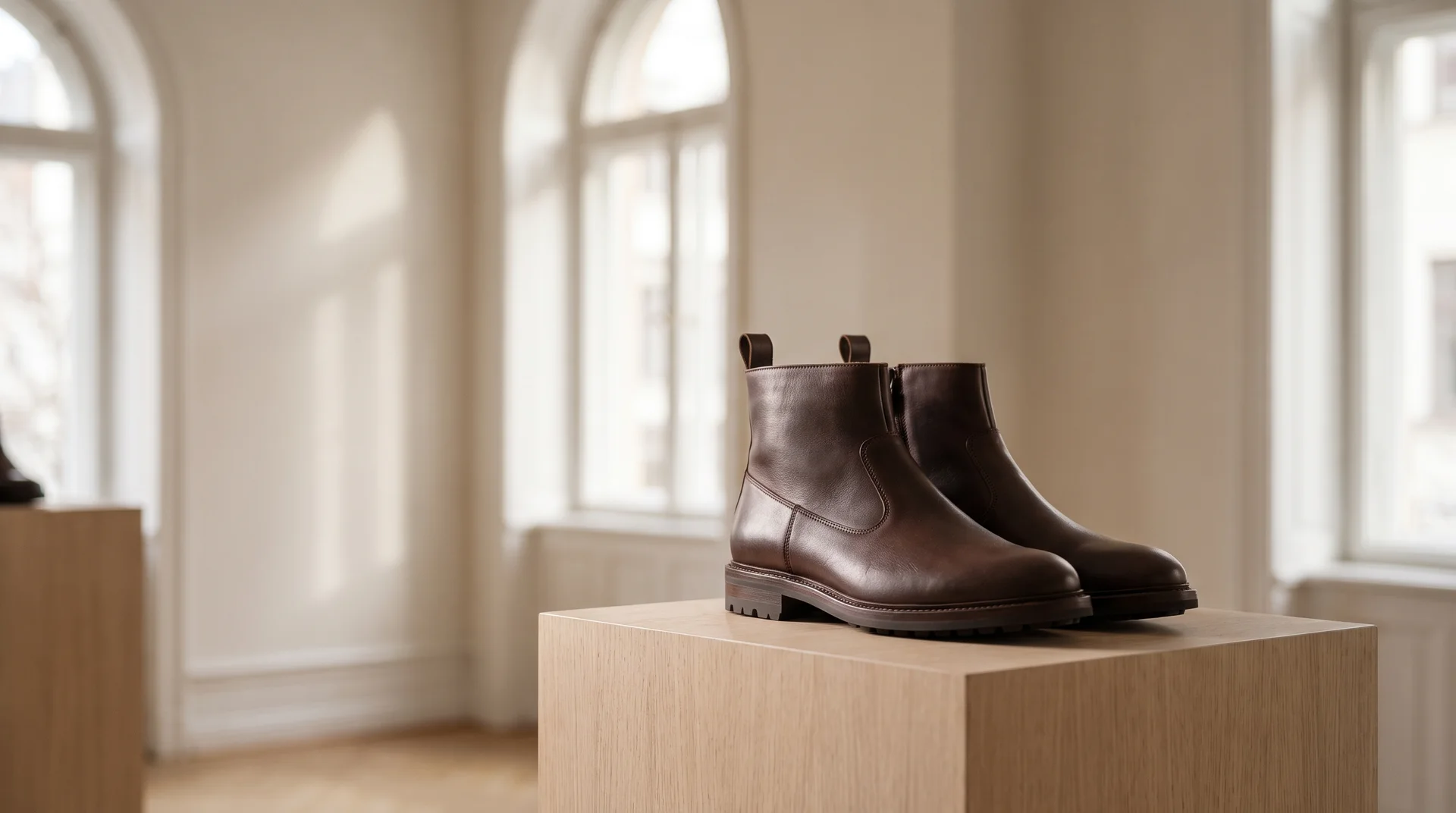
One of the biggest challenges in e-commerce is managing returns. Many returns stem from reasons such as “product not as expected” or “different than the photo.” Realistic photos that accurately depict colors and show all product details-both good and potentially flawed-manage customer expectations correctly. When customers know exactly what they are buying, the chance of disappointment upon receiving the product decreases. Therefore, investing in quality photography reduces return rates in the long run, saving operational costs and increasing customer satisfaction.
Conclusion: Visuals Are the Cornerstone of Your Digital Showcase
In the digital age, product photography is more than just a sales tool; it is the first and strongest bond a customer forms with your brand. Every frame that tells the shoe’s texture, color, craftsmanship, and style removes hesitation in the buyer’s mind and moves them a step closer to purchase. Whether working with a professional team or starting on your own, investing in your visuals will directly reflect in your conversion rates, brand image, and customer loyalty. Remember, in the online world, customers do not buy the product-they buy the product’s photograph. As you explore Bulkoon’s thousands of models, start by thinking about how best to showcase each one in your digital storefront. By studying the platform’s how it works guide, you can find the right products and present them to your customers with the most effective visuals.