How Should Newly Opened Shoe Stores Plan Their First 100 Days?

The success of a new shoe store depends on the steps taken in the first 100 days after opening. Discover how to strategically plan this critical period efficiently, from supplier selection and initial stock purchasing to marketing strategies and cash flow management.
Opening a new shoe store is an exciting venture, but the secret to success lies not only in opening the doors but in strategic planning during the first 100 days. This critical period is a marathon where you establish your brand identity, shape your customer base, and solidify your operational foundations. Every step, from the first order to the initial campaign, impacts the next and lays the groundwork for long-term profitability. Taking data-driven, conscious steps instead of rushed decisions is the key to standing out in the competition during this process.
Day 1 - Day 30: Strong Foundations and Initial Stock
The first month is the busiest period where you establish your store’s physical and operational infrastructure. The steps you take during this period will determine how smoothly the following months proceed. Every detail, from supplier relationships to in-store layout, must be meticulously planned.
Supplier Selection and Initial Stock Purchasing
Reliable suppliers form the backbone of a successful retail operation. Your initial stock purchase will define your store’s showcase and the first impression on your customers. Therefore, it is important to choose partners who excel not only in product quality but also in consistent delivery and strong communication. Approved suppliers featured on platforms like Bulkoon facilitate this process for you. Working with verified manufacturers offers you price advantages without intermediaries and minimizes potential risks. At the start, instead of investing all your capital in a single style or brand, build a balanced selection from various categories suited to your target audience. For instance, by offering both women’s sneakers and classic styles, you can appeal to a broader audience.
Store Layout and Product Display
The physical arrangement of your store is the silent but most powerful part of the customer experience. How you display your products directly affects sales potential. Create a flow where customers can comfortably browse and easily examine products. Divide your store into logical zones: new arrivals, best sellers, discounted items, and special collections. Instead of merely lining shoes on shelves, use stands of different heights, mirrors, and appropriate lighting to create a dynamic atmosphere. Small decorative touches that tell the story of each product group foster a connection with customers and positively influence purchase decisions.
Profitability and Inventory Management in Footwear Retail
Profitability in the footwear sector is closely linked to having the right product, at the right time, and in the right quantity in stock. Especially for a newly opened store, inventory management is the most critical operational process directly affecting cash flow and end-of-season loss. This section focuses on two fundamental pillars of footwear retail: size assortment planning and stock turnover rate.
How to Plan the Correct Assortment and Size Distribution?
In wholesale footwear purchasing, "assortment" refers to a standard package containing different sizes of a model. Typically, women’s sizes range from 36 to 40 and men’s sizes from 40 to 44. A standard women’s size assortment often follows a "1-2-2-1-1" (36-37-38-39-40) distribution because sizes 37 and 38 receive the highest demand. Initially, relying on these standard distributions is reasonable. However, within the first 100 days, analyze your sales data to understand your customer profile’s size demands. Perhaps your regional customers prefer size 39 more. These insights allow you to request additional purchases outside the assortment or custom size distributions for your next orders. Incorrect size distribution leads to "dead stock," for instance, only the smallest or largest sizes of a popular model remain unsold at the end of the season. Therefore, even for specific products like women’s heels, size analysis should never be overlooked.
Seasonal Planning and Stock Turnover Rate
Stock turnover rate is a performance metric that shows how many times your inventory is sold and replenished within a certain period. A high stock turnover rate means your capital is not tied up in products but is continuously converted to cash. Footwear retail is inherently seasonal. Whichever season your first 100 days correspond to, you should aim to sell a significant portion of your stock by the end of that season. For example, if you open in spring, you should clear sandal and open shoe inventory before the end of summer to free space and capital for the autumn collection. Ready stock products available on Bulkoon enable quick supply, helping you respond instantly to in-season demands. Remember, every unsold product at season end is a cost that reduces your profit margin.
Day 31 - Day 60: Customer Relations and Marketing
Your store is now operational, and you have welcomed your first customers. The second month is the time to turn this initial interaction into a lasting relationship and reach a wider audience. Initiating marketing efforts and systematically collecting customer feedback are priorities during this period.
Opening Campaign and Local Promotion
An official opening event or a special campaign is a great opportunity to make your store’s name known. Offers such as "20% discount for opening" or "gift with first purchase" are effective methods to attract potential customers. Promote this campaign not only in your store window but also in local social media groups, local newspapers, or through collaboration with nearby businesses. For example, organizing a joint campaign with a neighboring boutique or café lets you reach each other’s customer base. The goal is not only to make sales but also to create awareness in the area.
Collecting Initial Customer Feedback
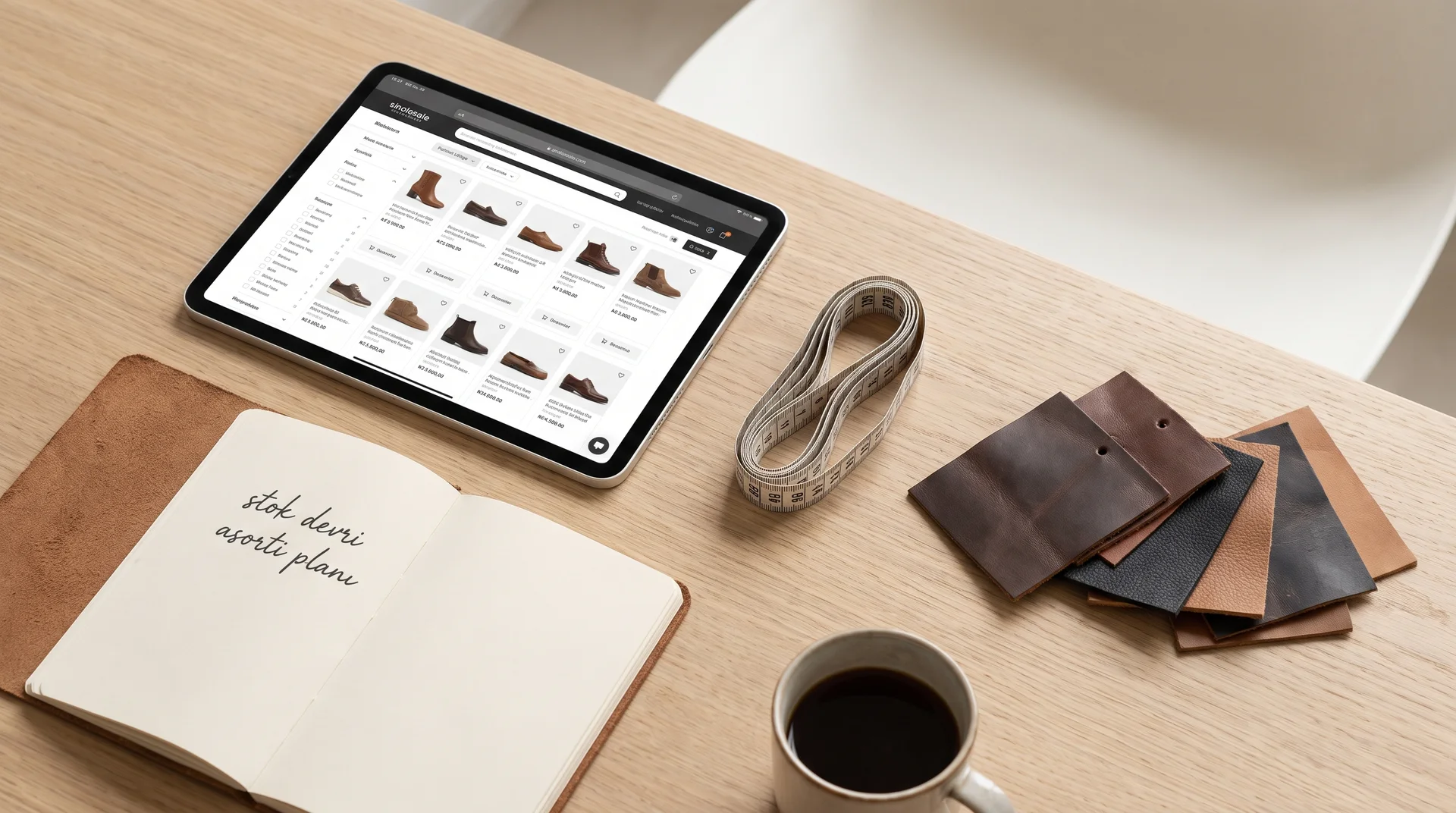
Your first customers are your most valuable source of information. Their experiences, expectations, and criticisms will guide you to improve your business. Talk with customers to learn which products they liked, what models they seek, or what could be improved in the store experience. You can formalize this process with short surveys or simple questions at checkout. This feedback provides concrete data on which men’s sneaker models to prioritize in your next stock purchase.
Day 61 - Day 90: Optimizing Operations
The third month is the period to increase operational efficiency using data gathered in the first two months. You now have concrete information on which products sell, busy hours, and the status of your cash flow. It is time to analyze this data and make smarter decisions.
Analyzing Sales Data
Reports from your sales system provide an X-ray of your business. Which models are best sellers? Which products are slow movers sitting on shelves? Which colors, brands, or price ranges are preferred most? This analysis will show not only what to reorder but also which product groups to discontinue. For example, if shoes with a certain heel height never sell, allocate less budget to that category in your next purchase. This continuous analysis and adaptation process is key to maximizing profitability.
Cash Flow Management
Cash flow is critically important for new businesses. Even if you are profitable, if you do not have cash available to pay your bills and suppliers on time, operations may halt. Monitor income and expenses carefully during this period. Negotiating payment terms with suppliers or using flexible payment options such as Bulkoon’s installment at cash price can help manage your cash flow. Always allocate emergency funds to cover unexpected expenses, ensuring financial health.
Day 91 - Day 100: Strategy for the Future
As you near the end of the first 100-day marathon, you should start planning not only daily operations but also the future. This period is for transforming your learnings into a strategy and laying the foundations for sustainable growth.
Planning Second Season Orders
The sales data and customer feedback you collected over the past 90 days are now your most valuable assets. Use this information to plan next season’s orders more consciously. You know which styles are popular, which size distributions fit your customers best, and which price points perform best. This data-driven approach reduces stock risks and increases your return on investment. When reviewing new season collections, choose items that replicate your current successes and exclude slow-selling categories.
Basics of Loyalty Programs
Acquiring new customers is more costly than retaining existing ones. Begin taking steps to turn customers who preferred you in the first 100 days into a loyal base. This does not require complicated technology. Simple methods such as a card stamping system, collecting contact details for an email newsletter, or offering a small discount on their next purchase are effective starts. The aim is to make customers feel valued and give them a reason to return to your store.
Conclusion: After the First 100 Days
The first 100 days of a new shoe store is a process of learning, adapting, and building. Successfully completing this period means not only making a good start but also establishing a solid foundation for future growth. The experiences you gain in supplier management, stock control, marketing, and financial planning will be your most valuable capital. You now better understand your customer base, manage your operations more efficiently, and take your next steps with greater confidence. For more tips and strategies, you can follow our blog page and check how our platform works to facilitate your wholesale footwear supply process.