Which Men's Shoe Models Sell Faster?
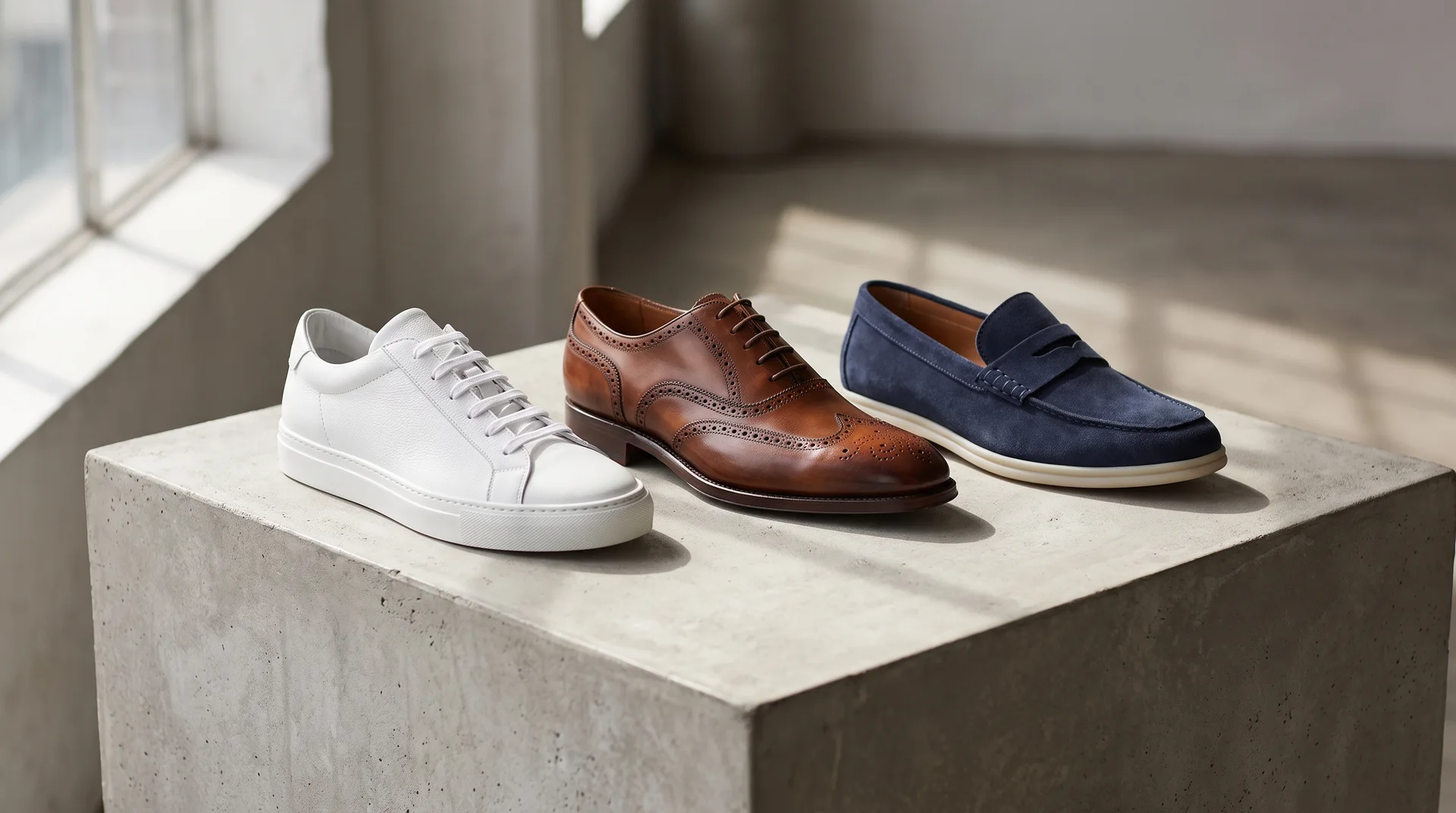
Discover the fastest-selling models in the men's shoe category for retail success. We delve into the sales potential, customer expectations, and wholesale purchasing strategies for sneakers, classic shoes, loafers, and casual footwear. Increase your store's profitability with the right supplier selection and collection planning.
Understanding the Fastest-Selling Men's Shoe Models
The question of which men's shoe model sells the fastest in retail displays cannot be answered solely by looking at sales figures. A successful wholesale buyer is someone who understands the "why" behind these numbers. What allows a sneaker model to escape dust on the shelf and sell quickly is not just its brand or price, but also the lifestyle, expectations of the target customer, and the dynamics of the current season. This analysis offers a roadmap to make your purchasing decisions more informed and profitable by exploring the potential of key models in the men's shoe category.
Sneaker Dominance: The Shift of Comfort and Style Codes
The overwhelming dominance of sneakers in the men's shoe market is no longer a secret. However, understanding the underlying reasons for this dominance is critical for selecting the right models. Sneakers have infiltrated offices, social events, and even semi-formal invitations, moving beyond gyms and running tracks. This transformation is fueled by the modern man's desire to be stylish without sacrificing comfort. Today, consumers expect to adapt to different moments of the day with a single pair of shoes, and sneakers perfectly meet this expectation.
When making wholesale purchases, it is essential to closely follow the micro-trends in the sneaker world. While chunky models with thick and layered soles were once popular, minimalist, retro-inspired designs with clean lines are currently in the spotlight. Material selection is equally important. In addition to traditional leather and suede, breathable technical textiles, recycled materials, and innovative synthetics diversify collections. The color palette is also directly related to the fashion trends of the season. While neutral tones always provide a safe harbor, limited series created with bold and vibrant colors can add dynamism to your store and attract trend-following customers.
The Timeless Place of Classic Shoes
The rise of sneakers does not mean the end of classic shoes; it simply indicates a redefinition of their role. Classic models such as Oxford, Derby, or Brogue have now transformed from a daily preference into a needs-oriented investment that serves a specific purpose. Business professionals, special occasions, weddings, and formal ceremonies are the key areas that keep the sales potential of this category alive. Therefore, when creating a classic shoe collection, the focus should be on quality and craftsmanship rather than volume.
As a buyer, you should have a detailed understanding of the classic models offered by your supplier. The quality of the leather used (glossy, nubuck, patent), the structural design of the sole (whether durable stitching techniques like Goodyear Welt are used or more flexible Blake stitching), and the comfort of the mold directly affect the customer’s decision in this segment. Your customer not only purchases a product but also buys a status and craftsmanship when buying a classic shoe. Therefore, the consistency in your supplier's production and knowledge of materials is vital for your sales success. Including timeless black and brown tones in your collection, as well as more niche colors like tan and burgundy, allows you to appeal to an elite customer base.
The Rise of Loafers and Drivers: Versatility
Loafers are one of the most strategic models that bridge the gap between formal and casual wear. These shoes, especially gaining popularity with the proliferation of the "smart casual" dress code, offer a wide range of usage from jeans to fabric trousers and even shorts combinations. This versatility makes loafers an attractive category for retailers. Consumers love the idea of making multiple combinations with a single pair of shoes, which increases the potential for quick sales.
When selecting loafers, it is important to consider model and material diversity. Different styles such as Penny, Tassel, or Horsebit cater to various tastes. The choice of material also determines seasonality:
Suede Loafers: Especially preferred in spring and summer, paired with more relaxed and colorful combinations. Suppliers offering vibrant color options gain an advantage during this period.
Leather Loafers: A more classic and durable option available year-round. Models made of polished leather are ideal for semi-formal looks.
Unlined Models: Extremely flexible and comfortable due to their unlined structure; they are a perfect alternative for warm weather.
By requesting these different variations from your supplier, you can offer your customers a solution suitable for every occasion and season.
Casual Shoes: Essentials for Everyday Wear
The casual shoe category is perhaps the most extensive and dynamic. This category includes models that accompany consumers in every aspect of their weekend activities and relaxed workdays. A successful purchasing strategy involves correctly segmenting this wide range into subcategories. For instance, driver shoes, boat shoes, canvas sneakers, and desert boots are the most popular players in this category. Each has its unique usage area and customer profile.
In products in this category, comfort and durability take precedence over aesthetics. A customer expects longevity and comfort from a shoe they will wear frequently. Therefore, technical details such as sole material (rubber, EVA), the quality of the inner lining, and the durability of the seams should always be questioned during wholesale purchasing. Additionally, examining the assortments offered by suppliers for the standard men's shoe group (size range 40-44) is important to avoid stock shortages for the most in-demand sizes. Seasonality also plays a role in this category; boat shoes and espadrilles are popular in the summer, while desert boots and leather casual models see higher demand in the fall.
Supplier Selection and Collection Planning Strategies
Knowing which models will sell quickly is just one part of the equation. The other crucial piece is finding a reliable supplier who can offer these models in the right quality, at the right time, and at the right price. Instead of just chasing the latest trends, creating a balanced collection that fits your store's identity and the profile of your customer base is the key to long-term success. As a new boutique owner or buyer, there are some key questions you should ask when evaluating potential suppliers.
A reliable business partner not only sells products but also provides market insights. Transparency in production processes, quality control standards, and logistical capacities are vital for the smooth operation of your business. Digital wholesale platforms like Bulkoon provide the opportunity to compare collections from different manufacturers in one place, discover new and reliable suppliers, and manage ordering processes efficiently. Ensure you clarify the following points before selecting your supplier:
Minimum Order Quantity (MOQ): Does it offer flexibility suitable for the scale of your business?
Quality Consistency: Is there a difference between the sample and the mass-produced product? Are quality standards maintained across production batches?
Delivery Times: How reliable are they to the specified delivery dates? Will you receive products on time at the beginning of the season?
Communication and Support: How quickly and solution-oriented do they respond in the event of an issue (quality, logistics, etc.)?
Conclusion: A Data-Driven and Intuitive Approach
In men's shoe retail, the "fastest-selling" model is not a static concept. This title continuously changes according to geographic location, target customer demographics, the brand positioning of the store, and even current macroeconomic conditions. The formula for success lies in finding a balance between analyzing your own sales data to optimize your inventory and making intuitive decisions by keeping up with the general trends and innovations in the market. Understanding the comfort-driven rise of sneakers, the indispensability of classics on special occasions, and the growing versatility of loafers will help you establish this balance. Ultimately, a collection formed by acquiring the right products from the right suppliers not only achieves quick sales but also lays the foundation for building a loyal customer base.