How to Choose Best Selling Women's Shoe Models?
Choosing best selling women's shoe models for your retail store requires more than just following trends. Understanding your customer base, balancing core and seasonal products, assessing material quality, and working with the right supplier are the cornerstones of creating a profitable collection. This guide details the steps to help you make data-driven and strategic decisions in the wholesale purchasing process.
Retail success is directly linked to the right product selection. Especially in a dynamic category like women's footwear, identifying models to stock your shelves shapes your store's profitability and brand identity. While stocking the season's hottest model may seem appealing, achieving a sustainable sales graph requires a strategic approach beyond trend hunting. This process involves understanding your customer base's expectations, being able to discern product quality, and establishing a reliable supply chain. A successful collection is not a matter of chance, but the result of conscious and methodical selections.
Market Analysis and Defining Your Target Audience
First of all, you must clarify who you are selling to. The demographics, lifestyle, and purchasing power of your target audience directly affect the shoe models you choose. For instance, if you operate in an area with a high concentration of young professionals, stylish, comfortable, and minimalist designs (loafers, ballet flats, low-heeled shoes) may take priority. On the other hand, for a boutique near a university campus, the latest women’s sneaker models and more dynamic designs suitable for casual wear would be a more accurate choice.
Analyzing your customer profile not only determines which styles to choose but also indicates which price range you should remain within. If you cater to a price-sensitive audience, you might lean towards products made from more economical materials such as synthetic leather, but with satisfying design and craftsmanship quality. If you have a customer base with a higher income level, elements such as genuine leather, hand craftsmanship, and brand value take precedence. You can conduct this analysis by reviewing your existing sales data, observing competing stores' displays, and following social media trends.
Demographic Data: What is the age range, occupation, and average income level of your customers?
Lifestyle Habits: Where do your customers primarily wear shoes? In daily life, at special events, or at the office?
Aesthetic Preferences: Do they prefer minimalist, flashy, bohemian, or sporty styles?
Price Sensitivity: What are the average basket amounts, and how much are they willing to spend on a pair of shoes?
You might also like


Balancing Core Models and Seasonal Trends
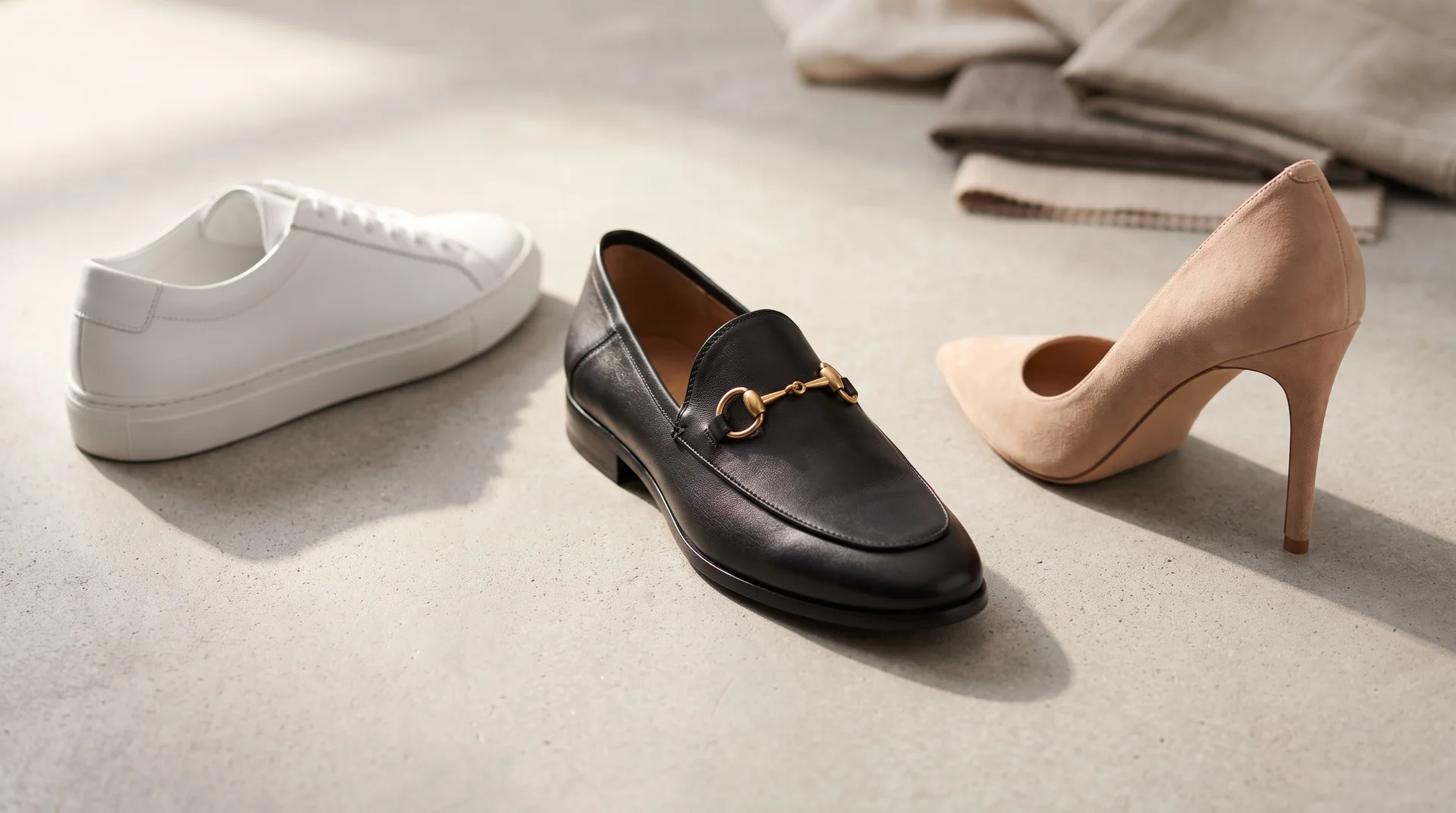
A successful shoe collection consists of a balanced mix of core (basic) models that are always in demand and trendy products that add excitement to the season. Core models are timeless essentials that every wardrobe should have. A white sneaker, a black stiletto, a classic loafer, or a plain ballet flat falls into this category. These products ensure consistent sales volume throughout the year, securing your cash flow.
On the other hand, seasonal shoe trends include colors, materials, or styles that are popular at a given time. For example, one season may feature platform heels, while another may see pointed-toe boots becoming popular. These trend products add novelty and freshness to your store, attracting customer interest and encouraging repeat visits. However, since trends can change rapidly, managing stock risk for these products should be done carefully. As a general rule, planning for 60-70% of your collection to consist of core models and 30-40% of seasonal trends is an effective way to mitigate risk.
When establishing this balance, you may invest more in quality and durability for core models. Customers expect a classic piece to be long-lasting. In contrast, for trend products, you can make bolder color and design choices and set more accessible price points. This strategy allows you to retain your loyal customer base while attracting new, fashion-focused customers to your store.
The Impact of Material Quality and Craftsmanship on Sales
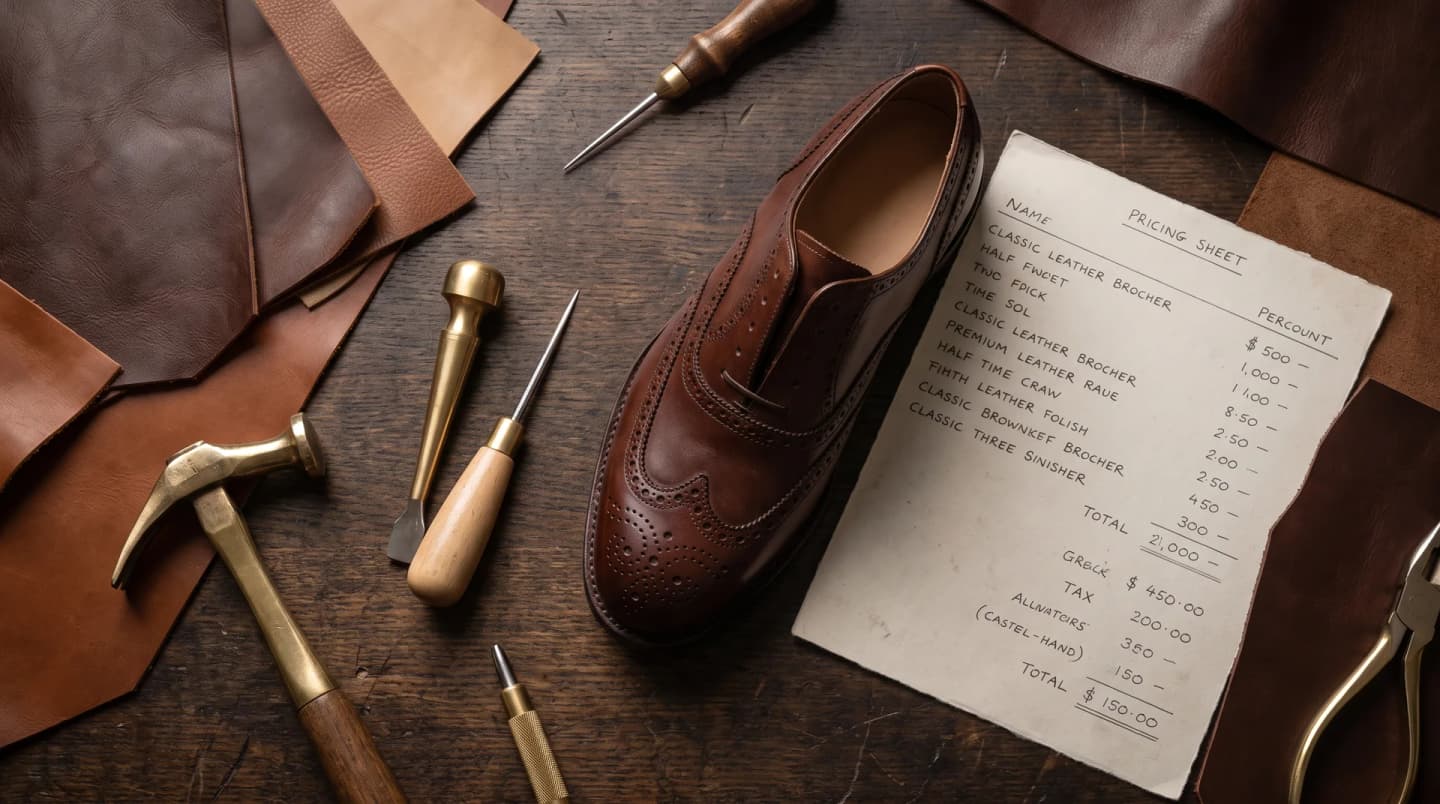
One of the most critical factors determining a shoe’s shelf life and customer satisfaction is material quality and craftsmanship. When making wholesale purchases, deciding based solely on product photos can be misleading. If possible, it is crucial to physically inspect the products by requesting samples or visiting the supplier’s showroom. There are several key points to consider when assessing a shoe’s quality.
Material Type: Is the upper made of genuine leather, suede, textile, or synthetic material? What is the texture and flexibility of the material?
Sole Structure: What material is the sole made of? Is it flexible or rigid? Is the joint between the sole and upper bonded or stitched?
Inner Lining and Insole: Is the inside of the shoe lined with a breathable, comfortable material? Does the insole provide foot support?
Craftsmanship Details: Are the stitches symmetrical and sturdy? Are there any glue residues? Are accessories (buckles, zippers, etc.) of high quality?
The Importance of Choosing a Reliable Shoe Supplier
Collaborating with the right shoe supplier, who can provide you with these products in a timely and consistent quality, is as vital as selecting the right products. A reliable supplier is the backbone of your business. Adopting a price-focused approach when selecting suppliers can lead to problems in the long run. Factors such as production capacity, adherence to delivery times, ease of communication, and problem-solving capabilities are just as important as price.
A good supplier not only sells you products but also supports you with market knowledge and trend insights. Working with manufacturers who regularly update their collections and follow new technologies and materials keeps your store one step ahead in competition. The wholesale women's shoe collection offered by your supplier should align with your store's identity and target audience. By working with multiple suppliers specializing in different styles, you can increase your product variety and reduce the risk of being dependent on a single source.
When establishing supplier relationships, it is essential to clarify commercial terms such as Minimum Order Quantity (MOQ), payment conditions, and return policies from the start. Especially for a startup, suppliers offering low MOQs provide the opportunity to test different models with smaller batches and minimize stock risk. Strong and transparent communication ensures quick resolutions to potential production or logistical issues.
Pricing and Profit Margin Strategy
The commercial success of the shoe models you select depends on the right pricing strategy. While adding a standard profit margin on top of the wholesale purchase price may be a simple method, it is not always the most effective. When setting prices, you should consider various factors, including the product's cost, your target audience's purchasing power, competitors' prices, and the product's perceived value.
For example, a women’s heeled shoe made of high-quality genuine leather and handcrafted deserves a higher price point than a mass-produced model made from synthetic materials. Customers are willing to pay more for quality, comfort, and design. Your pricing should reflect this perceived value. Analyzing the prices set by your competitors for similar products helps you understand the general expectations of the market, but you should not neglect your own cost structure and brand positioning.
Cost Analysis: Calculate the total cost of the product, including wholesale purchase price, shipping, taxes, and other operational expenses.
Value Positioning: What distinguishes your product from similar ones in the market? Do elements such as material quality, unique design, or brand story support a higher price?
Competitive Pricing: At what price range are your competitors selling similar quality products? Your prices need to be competitive within this range.
Psychological Pricing: You can manage customer perception and encourage purchasing decisions by using prices like 99.90 TL.
Optimize Your Collection with Data-Driven Selections
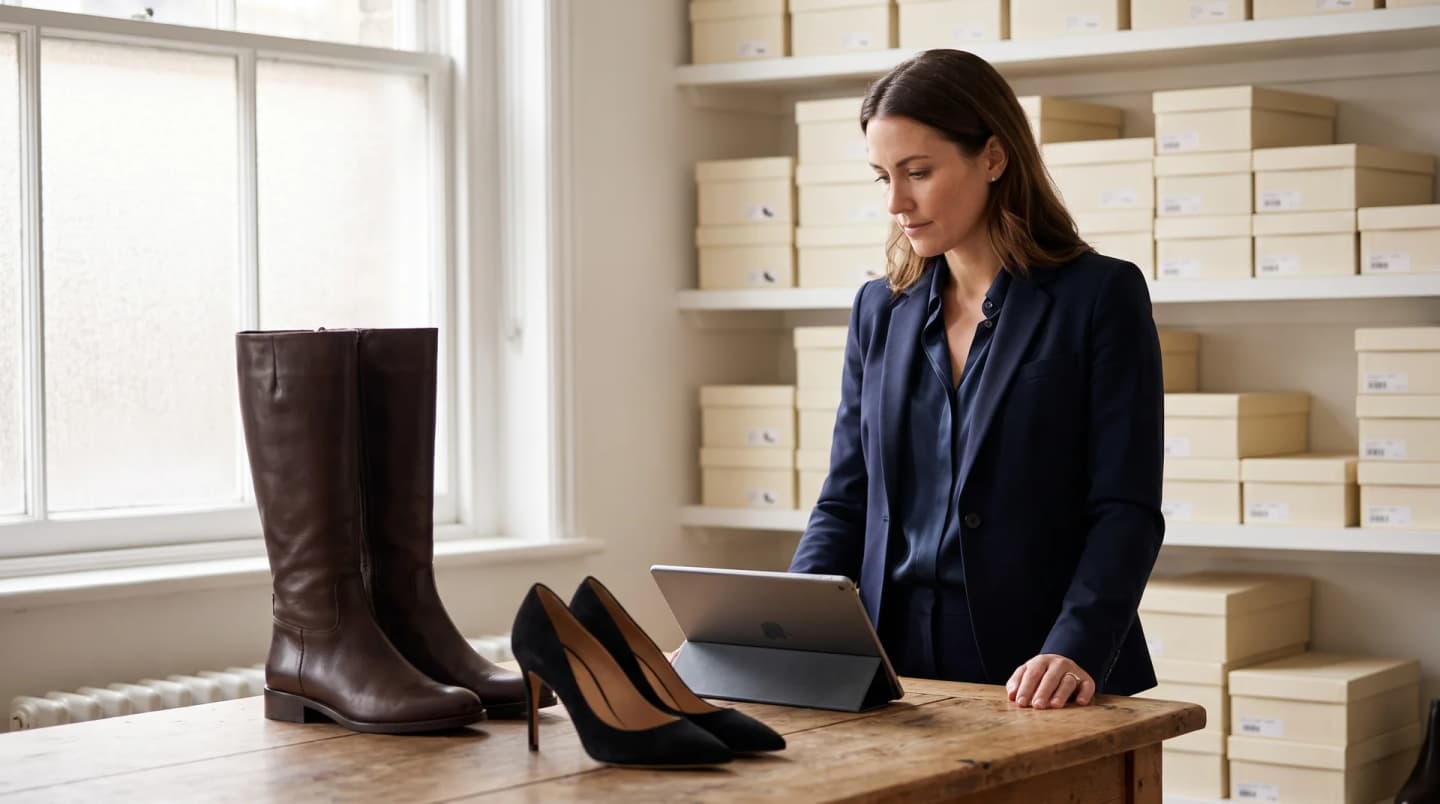
The process of selecting best-selling women's shoe models is not a one-time task but an ongoing optimization cycle. The market research and strategic choices you make initially are important, but true success lies in analyzing the results of those choices and shaping your future decisions accordingly. Sales data is your most valuable guide. You should regularly track which models are running out quickly, which ones are sitting on the shelf, and which sizes and colors are in higher demand.
This data allows you to plan your wholesale purchase orders more intelligently for the next season. You can increase the stock of fast-selling models while removing slow-moving product groups from your collection. Considering customer feedback and reasons for returns also enables you to identify potential issues, such as product quality or fit problems, early on. While trusting your intuition is important, making data-driven decisions minimizes risk and maximizes profitability. Remember, a successful retailer is not only someone who selects good products but also someone who can read market signals accurately and adapt quickly.