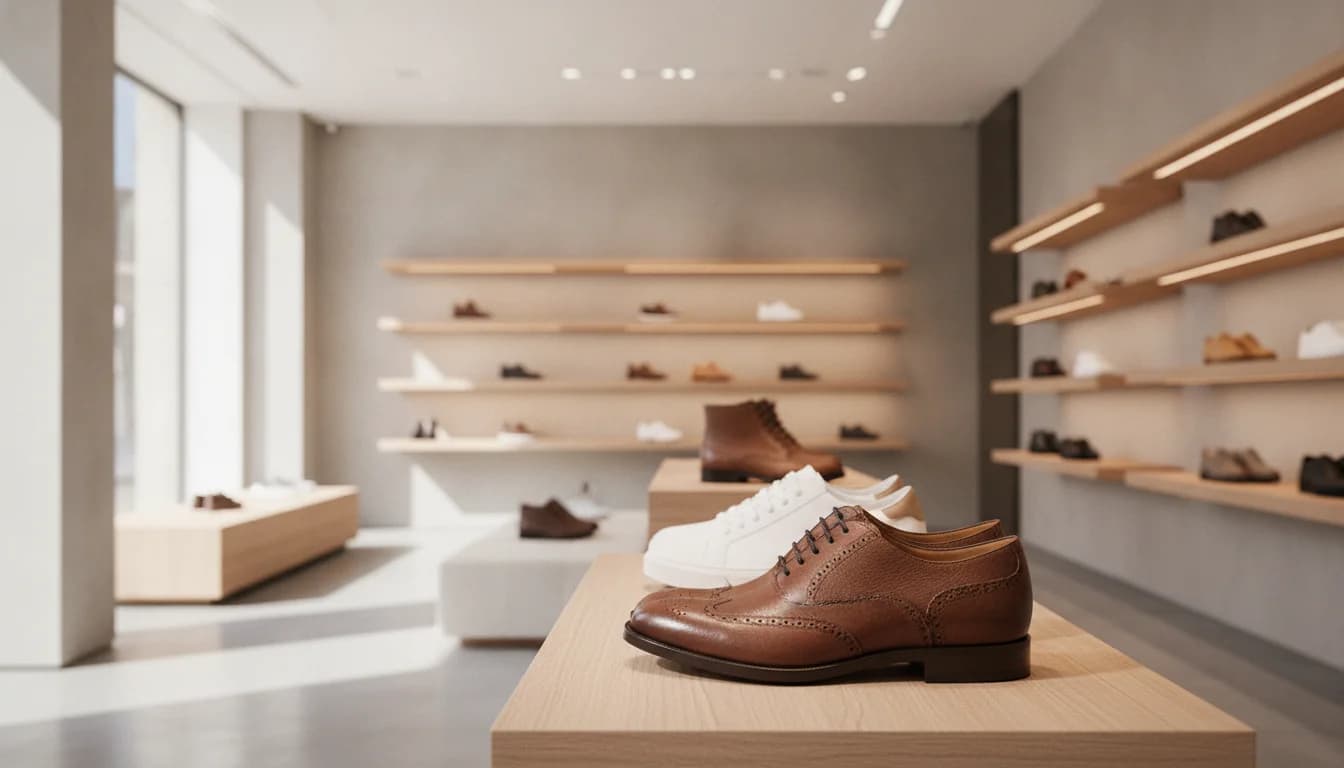
How to Determine if a Shoe Model Is a Trend or Has Lasting Demand

For wholesale footwear buyers, understanding the difference between a temporary fashion trend and a model with long-term sales potential is critical. This guide explains how to make the right stocking decisions using social media impact, design origins, and data analysis.
Whether you are a new boutique owner or an experienced buyer, when you see that bold shoe model rapidly gaining popularity on social media, you ask yourself: Is this the next big profit for my store, or an inventory mistake that will gather dust in a few weeks? Distinguishing the fine line between a temporary fad and sustainable demand in wholesale purchasing decisions is a key to profitability. Making this distinction depends not only on intuition but also on conscious analysis and a strategic approach.
Basic Criteria for Distinguishing Trends and Classics
The first step in predicting a shoe model's future performance is to correctly analyze its fundamental features and place in the market. Not every popular model shares the same fate. Some remain in wardrobes for decades, while others do not last even one season. When making this distinction, the product's life cycle and the underlying philosophy of its design provide the most important clues.
Life Cycle and Market Penetration
Fashion trends usually show a rapid and sharp rise. They suddenly become visible everywhere but fall out of favor just as quickly. These products have a short life cycle. Classic models with lasting demand demonstrate slower and more organic growth. They enter the market gradually, gain acceptance over time, and maintain a stable sales curve over a long period. For example, a classic women's ballet flat model has been in demand for years, whereas a neon-colored platform sandal specific to a particular season can lose popularity rapidly.
Origin of Design and Functionality
Classic shoes mostly originate from a functional need and are designed to meet it. Models such as loafers, boots, or simple sneakers are enduring because they offer comfort and versatility. Their designs avoid exaggeration and feature a timeless aesthetic. Trend-focused models typically prioritize aesthetics over functionality. Oversized soles, unusual materials, or bold details that may only match particular outfits narrow the model's usage and shorten its lifespan. How versatile a model is across different outfits and occasions is a key indicator of its longevity.
Correctly Interpreting Social Media Impact
In the digital age, especially social media, plays a central role in the emergence and spread of trends. However, not all popular content on these platforms turns into commercial success. For wholesale buyers, filtering the noise on social media and capturing genuine demand signals is crucial. This requires looking beyond metrics and understanding the nature of trends.
Looking Beyond Engagement Metrics
A shoe model receiving thousands of likes or shares does not necessarily indicate a strong purchase intent. Examining comments provides more valuable insights. Questions like "Where can I buy this?" or "What is the price?" are stronger demand indicators than passive likes. Also, analyzing the source of popularity is important. Is the interest an artificial wave created by just a few major influencers or organic demand from diverse audiences? Organic spread suggests the product appeals to a broader base and could be more enduring.
Micro-Trends and Macro Movements
Not every trend emerging on social media is equal. Micro-trends are usually small, short-lived fads such as a certain color, pattern, or accessory detail. For example, chain-detailed sandals popular in a specific summer season would count as a micro-trend. Macro movements reflect broader and longer-term changes in consumer behavior. Sustainability, comfort-oriented designs, or minimalist aesthetics are macro movements that can last for years. Basing your purchasing decisions on macro movements aligned with your business model rather than short-lived micro-trends is a safer strategy.
Analysis Methods for Data-Driven Decisions
While intuition is important, basing wholesale purchase decisions on concrete data reduces risk. By analyzing market data, search trends, and supplier behaviors, you can develop a clearer view of a model's potential. This analytic approach prevents emotional decisions and leads to more profitable outcomes.
Search Volume and Marketplace Data
Analyzing the name of a shoe style or model using online search engine trend tools reveals how consumer interest evolves over time. Is there a sudden spike followed by a quick drop, or a steady or gradually increasing search volume? This graph provides insight into the product’s life cycle. Additionally, activity on wholesale platforms like Bulkoon, which host over 10,000 models, is significant. By using advanced filtering options, you can observe how many suppliers offer similar models and their stock availability. The fact many trusted brands and suppliers produce the same style indicates market confidence in that model.

Competitor and Supplier Analysis
Observing what other retailers and brands are doing in the market is also a valuable method. Are leading brands that set the market’s pace adopting this new style into their collections? Or is it adopted only by fast-fashion brands? Adoption by well-established brands usually indicates longer longevity. On the supplier side, whether manufacturers present the model as "ready stock" or produce it only on order is important. Platforms like Bulkoon exclusively list ready stock products, indicating the supplier’s confidence in the model and expectation of quick sales.
Risk Management and Stock Planning in Wholesale Purchasing
After deciding whether a model is a trend or a classic, the next step is to translate this information into your stocking and purchasing strategy. Both types can be profitable but require different capital, risk, and inventory management approaches. The wrong strategy can rapidly erode potential profit.
Assortment and Size Distribution Strategies
When purchasing a model suspected as a temporary trend, limiting risk is essential. In such cases, a narrower size assortment is preferable. For example, in women's footwear, focusing on the most requested sizes like 37-38-39 and acquiring fewer series initially is prudent. In contrast, for a classic and fundamental product like men's sports shoes, a wider size distribution (e.g., 40-44) and deeper stock planning make sense. Purchases for trend products should represent only a small portion of your total budget.
Season and Stock Turnover Expectations
The greatest risk with trend products is they may become unsellable once out of fashion. Therefore, aiming for a very high stock turnover for these products is critical. Ideally, the product sells out within a single season or even weeks, which requires aggressive marketing and correct pricing. Classic models exhibit slower and more predictable stock turnover. These products may retain value from one season to another and experience less discount pressure. Before purchasing, ask yourself: "How much value will this model lose if unsold by the end of the season?" The answer will help define your purchasing volume.
The Role of Supplier Selection and Product Quality
The longevity of a shoe model is directly related not just to design but also to quality. Consumers tend to stay loyal to quality products that provide a good experience. Hence, supplier selection and material composition are critical factors determining whether a model develops lasting demand.
Material Quality and Craftsmanship
Classic shoe models are typically made from durable and aging-beautiful materials such as leather, suede, or high-quality canvas. Good craftsmanship, stitch quality, and sole construction indicate the product’s aesthetic and longevity value. Temporary trends tend to use lower-cost synthetic materials aiming to lower prices and meet sudden demand. Examining material and workmanship quality carefully before wholesale purchasing offers important clues about the product’s market longevity.
Supplier Expertise and Reliability
A supplier specialized in a particular shoe category generally understands trends and quality standards better. Working with an expert who produces, for instance, only women's stilettos or only sports shoes, rather than a supplier making everything popular, results in more reliable products. Platforms like Bulkoon reduce risk by enabling buyers to work only with verified suppliers. A trustworthy supplier can also provide honest feedback about a model’s potential.
Conclusion: Building a Balanced Collection
Success as a footwear retailer does not mean chasing the latest trends alone or relying solely on safe classics. True success lies in balancing these two realms properly. Your store’s foundation should be proven classic models that deliver steady sales and cash flow year-round. On this solid base, you can add carefully selected small quantities of trendy products to offer excitement and novelty to customers. This strategy helps manage risks while keeping pace with market dynamics. To simplify your wholesale purchasing process and access both classic and trend models in one place, explore Bulkoon’s easy and efficient workflow.