You might also like

 3 colors
More Color Options
 2 colors
More Color Options

 5 colors
More Color Options
 5 colors
More Color Options
 7 colors
More Color Options
 2 colors
More Color Options

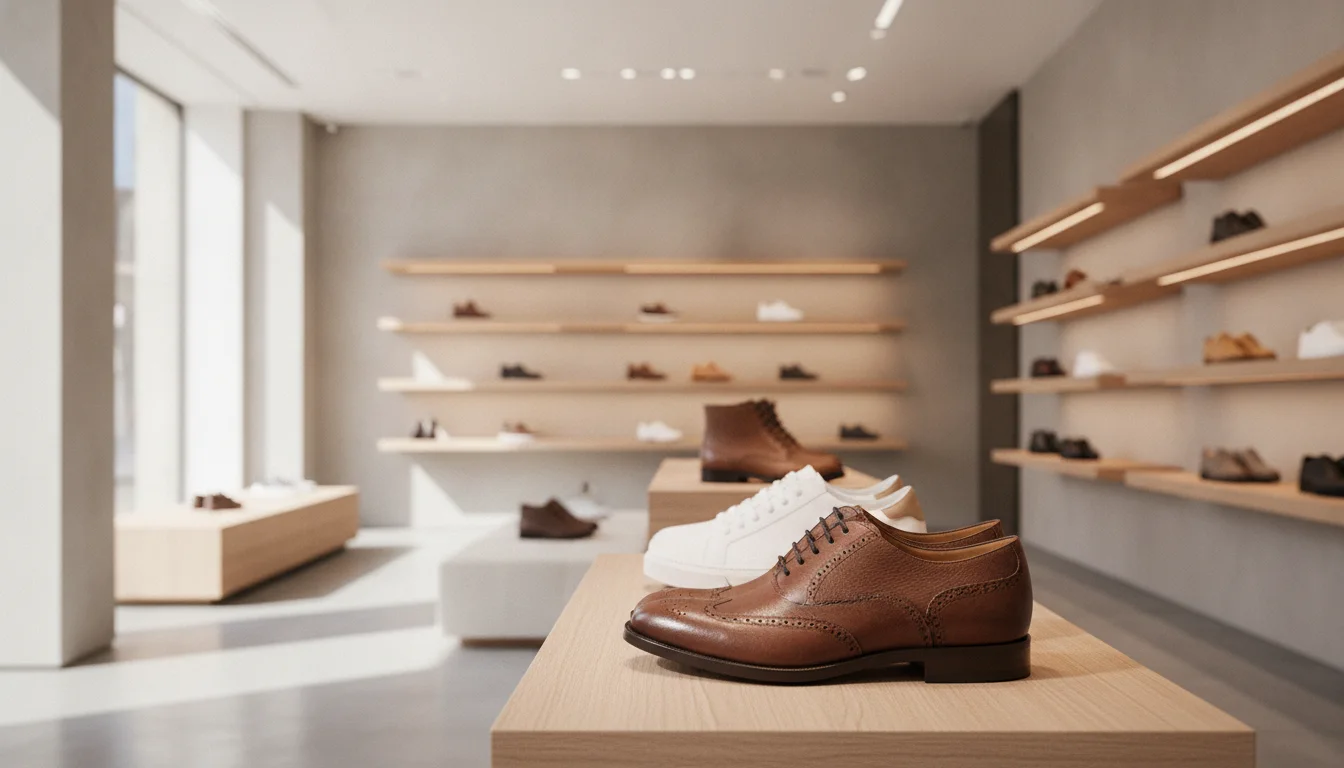
When a new shoe store opens, the first 30 days should focus on building a customer profile, measuring stock turnover rate, and testing size assortment balance rather than achieving high profits.
When opening a new shoe store or e-commerce boutique, the excitement of the launch often coincides with expectations of rapid sales and high turnover. However, commercial reality shows that the primary goal of the first month is not high profit but ensuring the operational calibration of the store. The first 30 days in footwear retailing serve as an excellent test laboratory for examining stock movements, assessing the target audience's foot anatomy and size distribution demand, and collecting customer feedback. Over-focusing on daily turnover during this period can lead to faulty decisions in a business that has not yet settled.
Setting high profit targets in the initial weeks can drive store managers or entrepreneurs toward panic campaigns. Businesses that see slower-than-expected sales might resort to aggressive discounts before accurately analyzing their product range and customer profiles. This can damage the brand perception that is still forming and risk eroding margins.
As a hypothetical example; a new women's shoe store lagging behind its targeted turnover in the first 10 days might start a 40% loss-making discount to clear inventory, which may immediately ease cash flow but significantly reduce the wholesale purchasing budget for the next season. The essential purpose of the first month is not to break turnover records but to gauge the market pulse.
Early discounts made before clarifying customer preferences for styles eliminate per-unit profitability. When wholesale procurement costs, shipping expenses, and store rent are calculated, uncontrolled discounts in the first month hinder capital accumulation.
Comparing daily sales of well-established competitor stores with a newly opened business causes financial stress. Budget management in the first 30 days should allocate funds to ensure operational processes run smoothly rather than excessive marketing expenses.
Key Takeaway: The first 30 days are a period for learning and data collection, not profit explosion. Avoiding early discount pressure and maintaining cash balance ensures the business's longevity.
3 colorsMore Color Options
2 colorsMore Color Options
5 colorsMore Color Options
5 colorsMore Color Options
7 colorsMore Color Options
2 colorsMore Color Options
The most specific and critical operation in the footwear sector is managing the assortment. When size breakdowns of products entering the store are not accurately tracked, fast-moving sizes sell out while marginal sizes remain on the shelves. The biggest success in the first month is mapping a size distribution that matches regional demand.
Especially in the women's sports shoes and casual women's ballet flats categories, sizes 37 and 38 tend to sell quickly. The business owner should record daily sales of each size throughout the first month. Similarly, in the men's sports models group, the sales pace of sizes 41 to 43 forms the basis for assortment decisions in upcoming wholesale purchases.
Tracking stock by size for the first 30 days enables early detection of broken assortment problems. When the stock of best-selling mid-range sizes runs out, the supply chain should quickly step in to avoid turning customers away.
Each location or customer base may differ in foot shape and last expectations. In regions with narrow feet, selling narrow last ballet flats is easier, while wide last models deplete more quickly. The first month is the time to test this anatomical compatibility.
Key Takeaway: Businesses that correctly interpret the assortment balance in the first month minimize leftover broken sizes in subsequent orders.
In footwear retail, capital lies in inventory. Stock turnover rate shows how quickly products convert to cash. Monitoring stock turnover in the first month guides decisions on which product groups should remain on display and which should be moved to the back.
For businesses opening mid-season, stock turnover becomes even more critical. Purchasing only from platforms with ready stock reduces supply risks for new stores. For example, the ability to quickly replenish missing stock as needed allows new businesses to stay flexible without incurring high inventory costs. Bulkoon’s 100+ approved supplier options and the opportunity to pay in 3 or 6 installments at cash prices assist businesses in increasing stock turnover without straining cash flow during their first month.

The longer shoes remain unsold on the shelf, the more constrained the budget for new season products becomes. Weekly stock turnover rates should be measured in the first month, and slow-selling models identified early.
It is essential to replenish stocks of models that perform well according to first month data. Instead of large comprehensive orders, flexible strategies focusing on replenishing depleted sizes should be adopted.
Key Takeaway: Regular monitoring of stock turnover keeps cash flow active and prevents accumulation of dead stock.
Looking only at cash register income in a newly opened store can be misleading. A very high sales day followed by no sales the next day is normal in the beginning. Therefore, performance evaluation should be based on key performance indicators (KPIs) rather than daily turnover.
Store Traffic (Customer Entry Count): The number of unique individuals entering the physical store or visiting the e-commerce site.
Conversion Rate: The percentage of visitors who make a purchase.
Average Order Value (AOV): The average amount spent by customers per shopping session.
Repeat Customer Rate: The number of loyal customers making a second purchase or revisiting the store within the first month.
Stock Movement Rate: How quickly different categories and model groups are sold.
If 100 people enter the store but only 2 make purchases, the issue may lie with the product display, pricing, or staff engagement. Increasing conversion rate is a more cost-effective strategy than attracting new customers from outside.
Increasing basket size by upselling products like socks or care products alongside shoes is a target for the first month. Moreover, customers who leave satisfied and return during the first 30 days are the business's greatest future asset.
Key Takeaway: Focusing on optimizing conversion rates and basket size brings healthier growth than being distracted by daily turnover fluctuations.
At the end of the first month, the business owner accumulates concrete data. Emotional decisions or personal preferences should be set aside, and choices should be made strictly based on sales data.
Which products to reorder and which categories to abandon are determined according to these data. The business can use advanced filtering and AI-supported smart selection tools available in digital infrastructures to easily identify the most suitable models. To explore the speedy ordering processes enabled by digital wholesale trade, visit the How It Works page and follow the steps.
Models that quickly sell out during the first month, receive no customer complaints, and have high margins are the locomotive products of the store. Their supply should not be interrupted.
Products that turn out defective, are regularly returned due to narrow lasts, or attract no interest should be placed on the elimination list. Suppliers causing disruptions in the supply chain should be removed and the business should proceed with more reliable manufacturers.
Key Takeaway: Data-based elimination at the end of the first 30 days frees the store from dead stock burdens.
In conclusion, the first month of a new shoe business is a trial and data-gathering phase. Determining the correct size distribution, measuring stock turnover rate, understanding the customer profile, and addressing operational issues guarantee profitability in the future. To review industry innovations and retail operation guides, you can browse our how-to guides category.
The data tracking infrastructure established in the first month ensures sustainable management of the store for many years. Knowing when a certain size runs out is a commercial strength.

Using digital B2B platforms for wholesale purchases eliminates physical travel expenses, while the shipping services offered throughout the country and flexible payment terms support the business's cash management.
Key Takeaway: Shoe stores that spend their first month as an efficient learning process continue from the second month onward with much higher margins and determination.
Information in this article draws on the following sources.

A step-by-step guide to calculating the true product cost per carton in wholesale footwear buying by factoring in shipping, installments, size assortment breakage, and stock duration.

Transitioning from summer to autumn or winter to spring is a critical period for footwear stores. This guide explains when to reduce current season inventory, which strategy to use for new season models, and how to incorporate regional differences into your plan. Increase your profitability with a three-stage stock plan.

Profitability in footwear trade is not just about sales figures. Especially when starting with limited capital, correctly managing cash flow is critical for business survival. This guide covers how to allocate the initial budget, financing strategies for wholesale purchases, and the effects of inventory management on cash flow.
