In footwear retail, many often equate revenue growth with attracting more customers to the store. However, in a commercial environment where digital advertising costs and location rents are rising, maximizing efficiency from existing customer traffic is a far more sustainable solution. Encouraging a customer to add a second or third product to their basket rather than leaving the checkout with only one item directly boosts store profitability. Increasing the average basket value (Average Order Value - AOV) is achievable through the combined efforts of selecting the right wholesale products, strategic campaign planning, flawless stock management, and a well-trained sales team.
Growing Basket Volume with Cross-Selling and Category Combinations
A customer's intent to buy a single target product does not necessarily mean they will complete their purchase with only that item. In footwear retail, cross-selling is the art of expanding purchase volume by presenting groups of products that are compatible in style or function side by side. When offered the right product combinations, customers recognize an additional need and their purchase decision accelerates.
Effective Combination Suggestions in Women's and Men's Footwear Segments
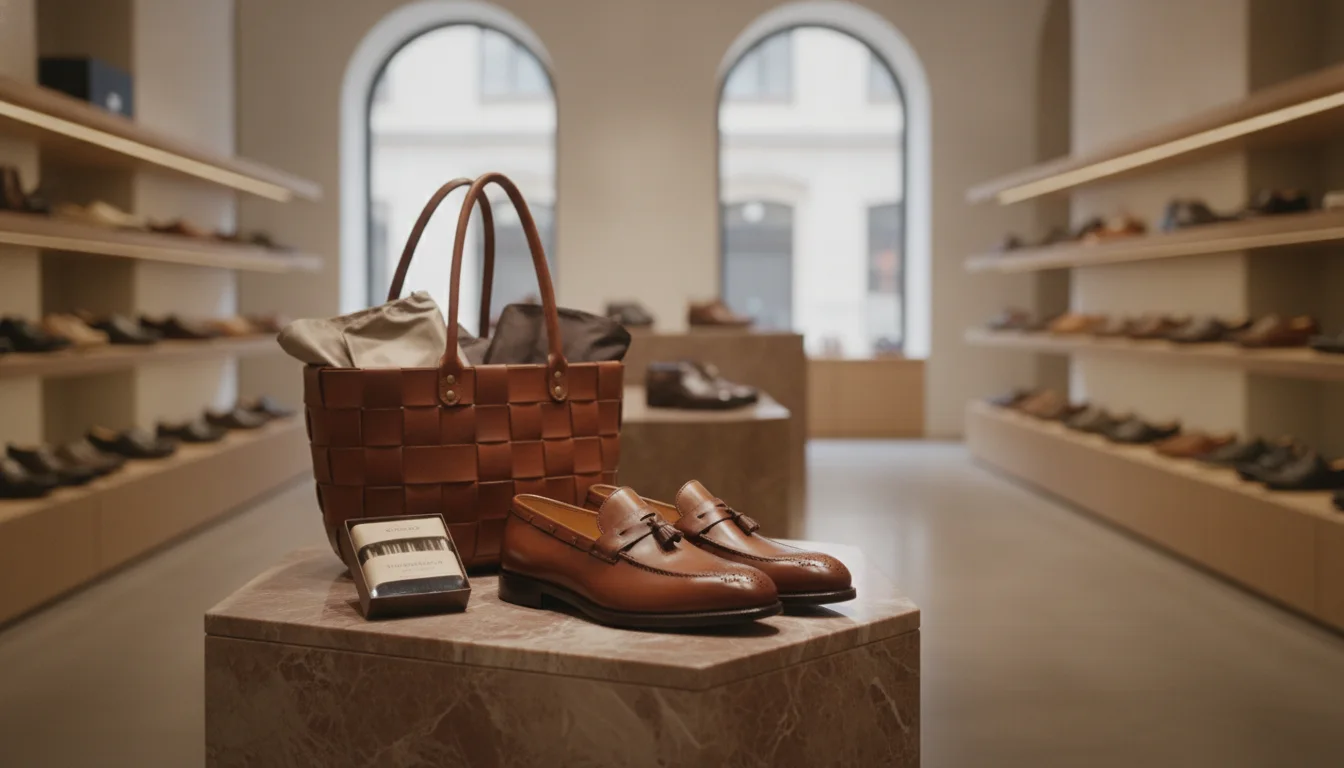
Style cohesiveness is paramount in women's apparel and shoe shopping. For a customer considering an elegant women's stiletto for a special occasion, suggesting a matching evening bag in similar tones or materials or transparent sole pads that enhance foot comfort creates a natural cross-selling opportunity. In the men's category, alongside the essential men's sports models for everyday style, offering leather care sprays, alternative shoelaces, or packs of sports socks noticeably increases front-of-counter sales.
The Impact of Accessory and Add-On Product Integration on Basket Value
In shoe stores, complementary products have high profit margins. Items like insoles, cleaning foam, waterproof sprays, and shoehorns are quick add-ons decided at the checkout due to their low unit prices. Displaying these products around the cashier or nearby shoes in stand arrangements triggers customers’ awareness of protection and maintenance needs.
Takeaway: The goal of cross-selling strategies is not to pressure customers but to offer complementary solutions that extend the lifespan and comfort of the shoes they purchase. Strategic combination suggestions enhance both customer satisfaction and the average transaction amount.
Profit-Preserving Campaign Structures and Tiered Pricing
One of the biggest mistakes in increasing average basket value is reducing profit margins through indiscriminate discounts. Campaigns should be mathematically designed to protect gross profitability alongside revenue. Strategic campaigns that encourage customer spending without disturbing the store’s margin balance must be implemented.
Second-Product Discounts and Basket Threshold Campaigns
Threshold-based campaigns like "30% off the second product" or "250 TRY off purchases over 1500 TRY" directly steer customers toward increasing their basket size. For example, if your store’s average product price is 800 TRY, setting the basket threshold at 1200 TRY encourages customers to buy two products instead of one. Provided the discount on the second product doesn't undercut the wholesale acquisition cost, the gross profit amount rises.
Cost Calculations Preventing Margin Erosion and Wholesale Supply Planning
Before designing campaigns, gross profit margin for each product must be carefully calculated. Reducing supply costs is the fundamental factor enabling flexible discounting. Retailers can lower unit costs by purchasing directly from factories or trusted wholesale platforms. For instance, Bulkoon offers over 10,000 model options and financial benefits such as 3 and 6 installment payments at cash prices-these advantages assist stores in managing supply costs and maintaining profit margins in campaigns.
Takeaway: The basic rule in basket enlargement campaigns is to apply discounts not to the first product but to the second or third products added to the basket. Well-designed basket thresholds combined with cost control increase turnover without sacrificing profitability.
The Direct Effect of Assortment and Size Distribution on Average Basket Value
In footwear retail, not having the sought-after size in stock not only prevents that product's sale but also completely eliminates a potential basket growth opportunity. Proper assortment management and size depth are the only ways to prevent a customer from leaving the store empty-handed after deciding to shop.
Completing Sales Without Losing Customers via Full Series Supply
When a customer wants to buy a women’s ballet flat model along with a pair of sports shoes, and one size is out of stock, they usually postpone the entire purchase. This scenario reduces the basket value to zero. Maintaining deep stock for popular sizes (such as EU 37-38 for women and EU 41-42 for men) directly increases the rate of completed cross-sales.
Depth of Popular Sizes and Risks of Missing Assortment
Working with incomplete assortments limits a retailer's in-store flexibility. Sizes that sell out mid-season need to be replenished quickly. Collaborating with approved suppliers who guarantee ready stock allows stores to replenish missing sizes on shelves within 1-2 business days, avoiding weeks of waiting. Shipping opportunities offered to all 81 provinces in Turkey ensure that stock shortages are filled rapidly, preventing lost sales.
Takeaway: A complete size range and balanced assortment structure are prerequisites for the success of cross-selling strategies. Having the desired size readily available in stock makes it easier for customers to increase their purchase amount.
The Role of Season Planning and Stock Turnover Rate on Revenue
Stock turnover rate is the clearest indicator of how effectively a store uses its capital. Slow-moving stocks lock up store capital, while fast turnover frees budget for new season products and keeps the average basket value fresh.
Fast Stock Turnover and Liquidity Management During Season Transitions
Balancing the liquidation of existing stock and placing the new season collection on shelves during season transitions is critical. For example, late summer sandals remaining on the shelf in autumn can be bundled in promotional packages with the newly arrived women’s ankle boot collection. Seasonal cross-promotions like "40% off summer ballet flats with the purchase of winter boots" convert old stock into cash and significantly increase basket value.
Refreshing Assortment Aligned with Seasonal Trends
Consumer preferences change rapidly each season. Displaying trending products increases in-store interest. Retailers following the How It Works steps on platforms can quickly add trending models to their stores through the discover, review, and order processes, raising stock turnover rates. Models experiencing demand surges during specific periods leverage the basket growth.
Takeaway: High stock turnover ensures dynamic product circulation in-store. Campaign designs that capitalize on season transitions reduce stockload while boosting basket values.
Product Recommendations and In-Store Guidance Strategies by Sales Staff
No matter how well campaigns and stock planning are designed, the targeted average basket value cannot be achieved without qualified sales staff intervention. The product knowledge, communication skills, and timely additional product suggestions by staff directly determine basket volume.
Cross Suggestions Triggering Family Shopping
Presenting products from different age and gender groups to a family visiting the store multiplies the basket size. For instance, suggesting matching or conceptually similar adult sports models to a parent buying school shoes for their child creates extra sales through "family combinations." The staff must carefully listen and direct customers to the right categories.
Store Layout and Visual Merchandising Supported Sales
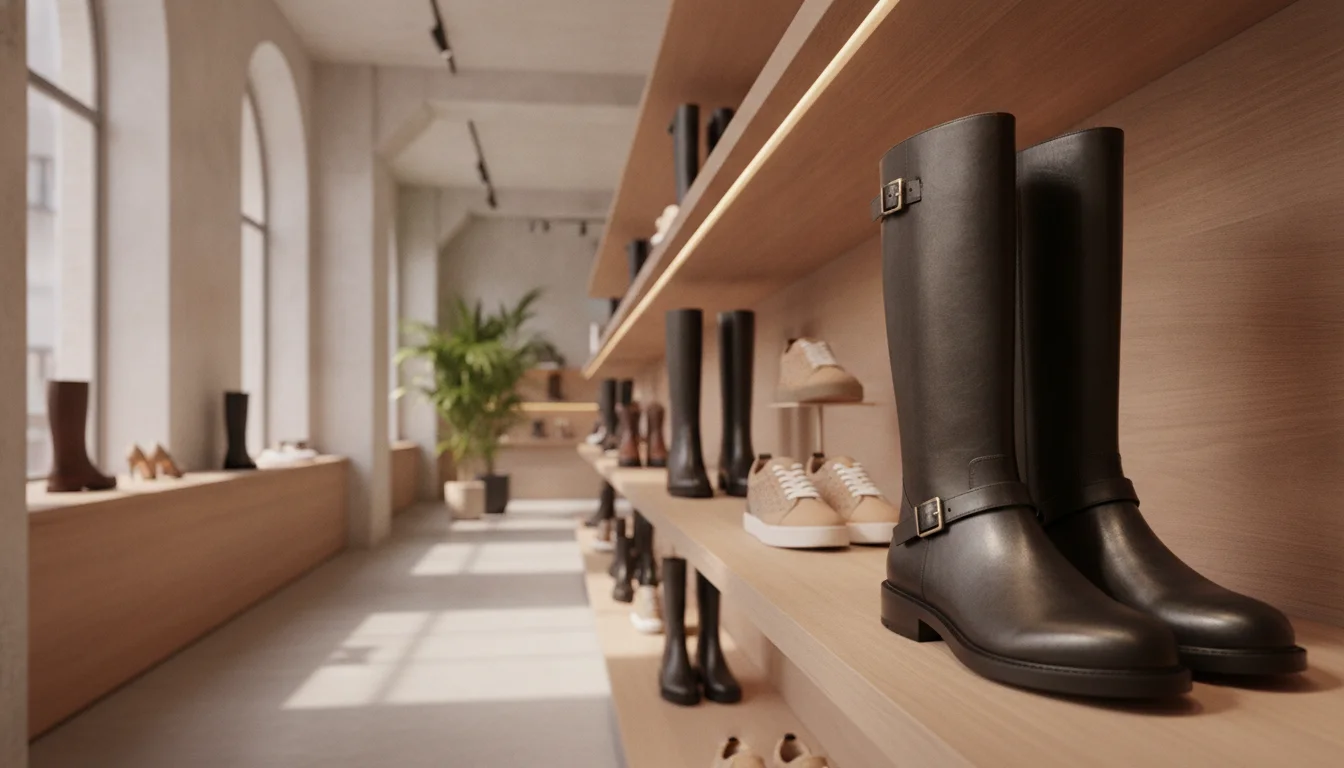
Product placement inside the store is the most important factor that facilitates the sales team’s job. Side-by-side displayed matching shoes and accessory groups naturally create combinations in customers’ minds. Shelves with proper lighting, easy access to sizes, and layouts following visual merchandising rules increase the customer's time in-store and the number of items examined.
Takeaway: A trained and motivated sales team is the strongest engine of in-store cross-selling. Staff suggestions supported by correct store layout and product display permanently increase the average basket value.
Tracking Average Basket Value and Sustainable Retail Success
The success of steps taken to increase the average basket value is proven through regular data tracking and measurement. Without measurement, it is impossible to develop strategy or correct mistakes.
Analysis of Weekly and Monthly Basket Metrics
Store owners can calculate the simple average basket value by dividing total turnover by the number of customers. Tracking this data weekly and monthly concretely shows the impact of applied campaigns or staff trainings on sales. For example, in a hypothetical scenario, if a store’s weekly average basket value increases from 950 TRY to 1350 TRY, it indicates that cross-selling and threshold campaigns are effective.



 6 colors