You might also like

 3 colors
More Color Options

 2 colors
More Color Options

 3 colors
More Color Options
 3 colors
More Color Options
 3 colors
More Color Options
 5 colors
More Color Options

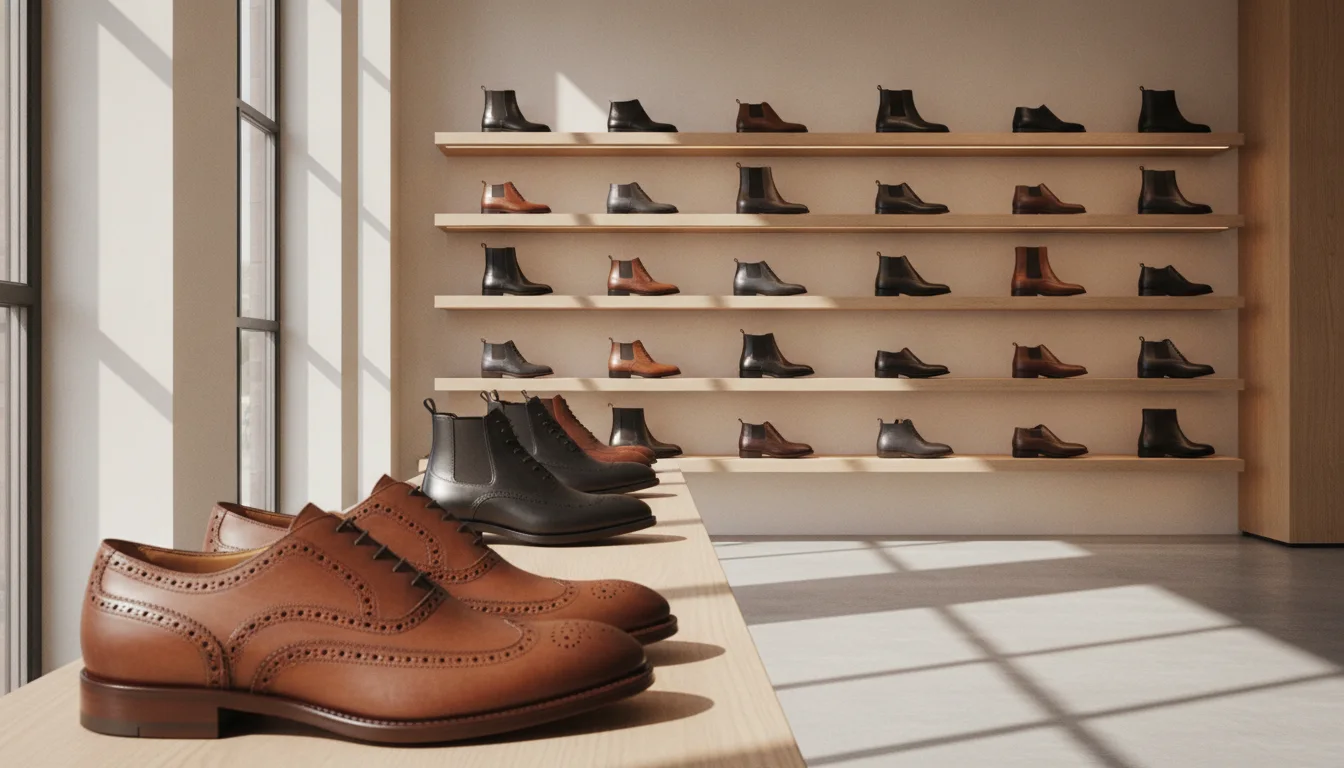
In footwear retail, customer trust is built not only through brand name but also by accurate size information, balanced assortment planning, transparent return policies, and realistic promises.
As competition intensifies in footwear retail, the primary factor determining customer loyalty is not just large marketing budgets or aggressive discounts. Because the shoe buying process depends on sensitive expectations such as size fit, material quality, and delivery speed, consumers scrutinize even the smallest details when making decisions. Whether you are running a new boutique or showcasing wholesale models on your e-commerce site, customer trust is built through consistent operational discipline that spans from product presentation to post-sale communication.
One of the most common reasons for shoe returns in the industry is choosing the wrong size. When it is not clearly communicated whether a model runs narrow or true to size, the negative experience a customer faces directly harms the brand's credibility. Presenting foot length in centimeters on product detail pages, explaining the insole construction, and indicating the effect of toe shape on the fit in categories such as women's stiletto shoes noticeably increases sales closing rates.
Visual transparency is crucial in digital shopping where consumers cannot physically touch the product. Studio shots should clearly show not only the side profile but also stitching details, outsole texture, and heel height. Particularly in women's sports shoe groups, providing short videos that demonstrate the shoe's flexibility and sole structure eliminates uncertainty. When consumers see exactly what they are buying, purchase decisions speed up and return rates decrease.
Accurate fit descriptions and high-resolution visuals minimize online purchase hesitations. Transparent product presentation directly increases customer satisfaction and creates long-term brand loyalty.
3 colorsMore Color Options
2 colorsMore Color Options
3 colorsMore Color Options
3 colorsMore Color Options
3 colorsMore Color Options
5 colorsMore Color Options
The first condition for retailers to build trust with customers is to immediately offer the size requested. The assortment structure designed for wholesale shoe purchases directly determines your store's stock health. Purchases made without analyzing the target market’s size distribution in the commonly used standard series packages cause leftover extreme sizes and run out of mid sizes. For example, in markets where sizes 37 and 38 in women's loafer models sell faster, adjusting assortment depth accordingly is critically important.
When customers cannot find their preferred model in their own size, it negatively affects their trust in the store and their desire to shop. An ideal stock plan considers not only the assortment structure but also whether your supplier provides fast replenishment options. A correctly arranged size distribution keeps your shelves consistently updated and prevents customers from leaving your store empty-handed.
Balanced assortment management prevents stock lock at the store and allows customers to always find the sizes they need. Correct size distribution is the fundamental pillar for the retailer’s commercial continuity and customer trust.
Shoe sales are highly subject to seasonal dynamics. The turnover rate of products entering the store at the beginning of the season directly determines the financial balance of the business. To keep stock turnover high, it is necessary to catch trends on time and keep the supply chain flexible. Stagnant stock mid-season forces stores to offer discounts at a loss and negatively impacts the business’s prestige.
Delays during the supply phase cause retailers to fail in keeping promises made to their customers. Accordingly, benefiting from infrastructures that operate with a ready stock model-as detailed on the how it works page-instead of pre-order risks adds significant operational strength to stores. When working exclusively with ready stock, ordered models quickly reach your store and you can adhere to delivery times promised to end consumers.
Optimizing in-season stock turnover helps maintain capital efficiency while enabling consumers to access current products. Choosing ready stock in sourcing eliminates operational disruptions and delivery delays entirely.

In physical retail, customer trust is directly shaped by the store atmosphere and sales staff’s product knowledge. For consumers who physically experience the leather quality, inner lining softness, and sole comfort of a shoe, the attitude of staff is a complementary factor. Sales representatives providing accurate information about product material properties and care reinforce the store's perception of expertise.
In digital sales channels, trust is established by removing uncertainties. Transparent return policies, real-time shipment tracking, and accessible customer services are fundamental details that facilitate sales. The availability of shipping options to all 81 provinces within Turkey and instant updates through WhatsApp support lines maximize consumer satisfaction. For international shipments, offering flexible solutions with the buyer’s preferred shipping companies ensures transparency in global sales.
While expert staff and physical experience stand out in stores, process transparency and uninterrupted communication define trust in e-commerce. In both channels, solutions that eliminate customer doubts bring sales success.
Building trust from scratch for a newly opened shoe store or boutique takes time. Highlighting genuine customer reviews, using a regular and professional content style on social media platforms positively impacts the initial perception. Emphasizing the product’s real advantages instead of exaggerated claims in marketing activities aligned with marketing strategies achieves more lasting results.
The quickest way to lose customers is by making promises that cannot be kept. Pledging delivery times that cannot be met or marketing a synthetic product as genuine leather causes irreparable reputation damage. Working with verified and approved suppliers to maintain standard quality levels ensures newly established brands can permanently grow their market share.
New businesses can only sustain themselves in the sector with transparent, honest, and sustainable promises. Realistic information and consistent customer relations are the foundation of long-term reputation.
Success in the footwear trade depends on managing all processes holistically, from supplier selection to packaging sensitivity. When fit transparency, correct assortment planning, fast stock circulation, and honest communication come together, customer trust forms naturally.
Brands that earn consumer trust do not just make one-time sales; they gain a loyal customer base and increase profitability through repeat sales. Attention to small operational details will be your strongest competitive advantage on the retail journey.
Customer trust is not accidental but achieved through disciplined application of proper stock management and honest information processes. This focus is the key to lasting success in footwear retail.
Information in this article draws on the following sources.

Discovering niche customer groups, managing assortments, and employing low-risk wholesale purchasing strategies to avoid intense price competition in the retail footwear trade.

Discover the essential digital marketing, assorted size management, and local collaboration steps for a newly opened shoe store to gain its first 100 customers.

Competing by cutting prices in shoe retailing erodes profit margins. Growth strategies through product selection, assortment management, stock turnover, and strong value propositions beyond price competition.