Opening an Instagram Boutique or a Physical Store? Which is More Logical?
Are you stuck between opening an Instagram boutique and a physical store as you step into shoe retailing? We compare the capital needs, operational costs, risk factors, and growth potentials of the two business models in detail. Discover how digital wholesale platforms influence this decision.
Introduction
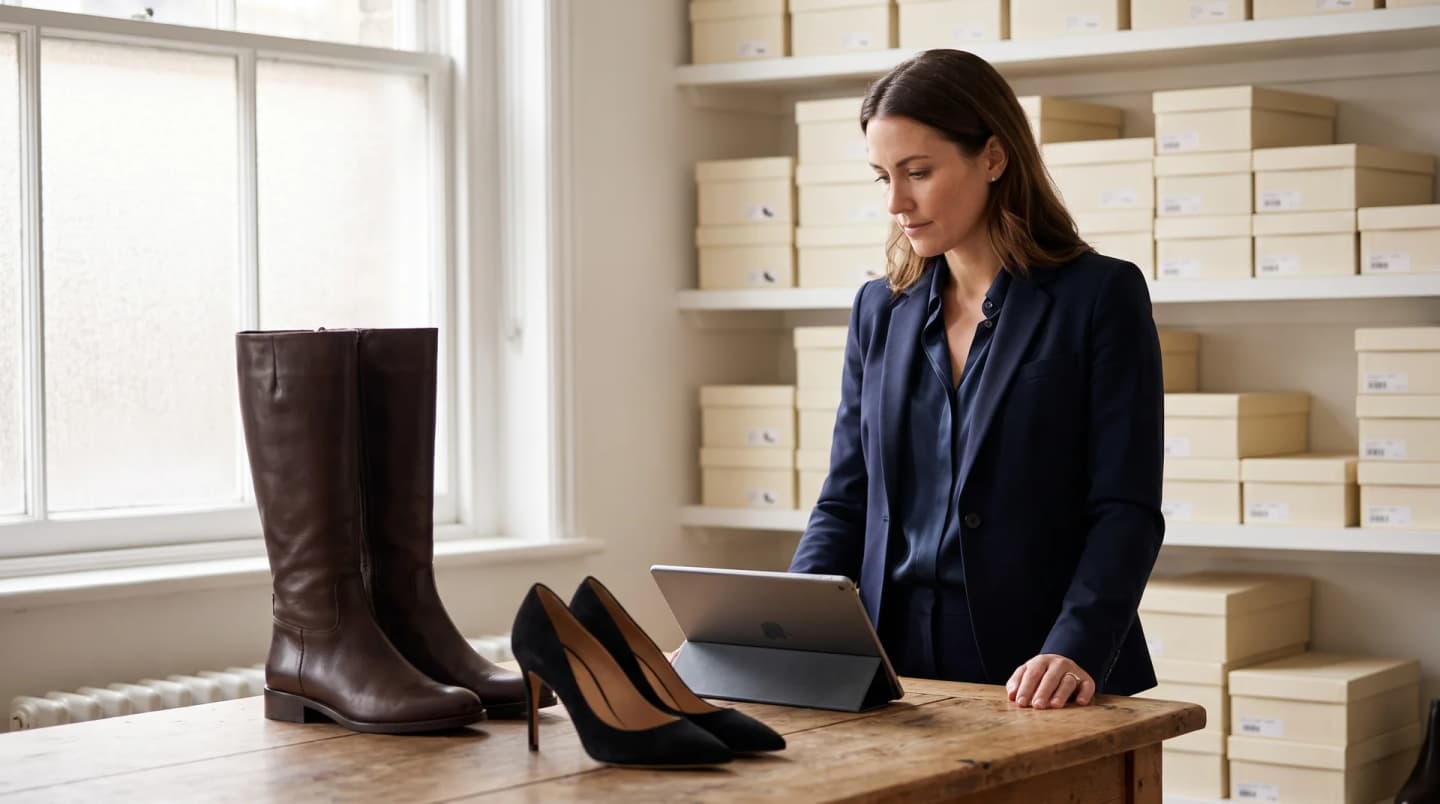
One of the fundamental questions that arises in the minds of every entrepreneur considering stepping into the retail world is about the quality of the business model: Should you choose a physical store where customers can shop by touching and trying products on a busy street, or an Instagram boutique that can reach millions of potential customers through a screen? This decision is not just a matter of preference; it is a strategic crossroads shaped by capital, risk appetite, and long-term vision. The balance between the tangible security of traditional retail and the unlimited reach of digital commerce becomes even more critical, especially in a product category like footwear, which is both aesthetic and functional.
You might also like


Initial Capital and Financial Risks: The Lightness of Digital
One of the first and most decisive steps in starting a business is the initial capital. The process of opening a physical store requires inherently high financial commitment. The rent deposit that varies depending on the location of the store, monthly rent expenses, a comprehensive decoration and renovation budget, fixtures such as shelving systems, lighting, cash register, and POS systems are just the visible side of the initial investment. Moreover, when you add a significant initial stock to fill the window and shelves, the total cost can easily exceed tens of thousands of lira. This constitutes a high-risk investment that may take a long time to return.
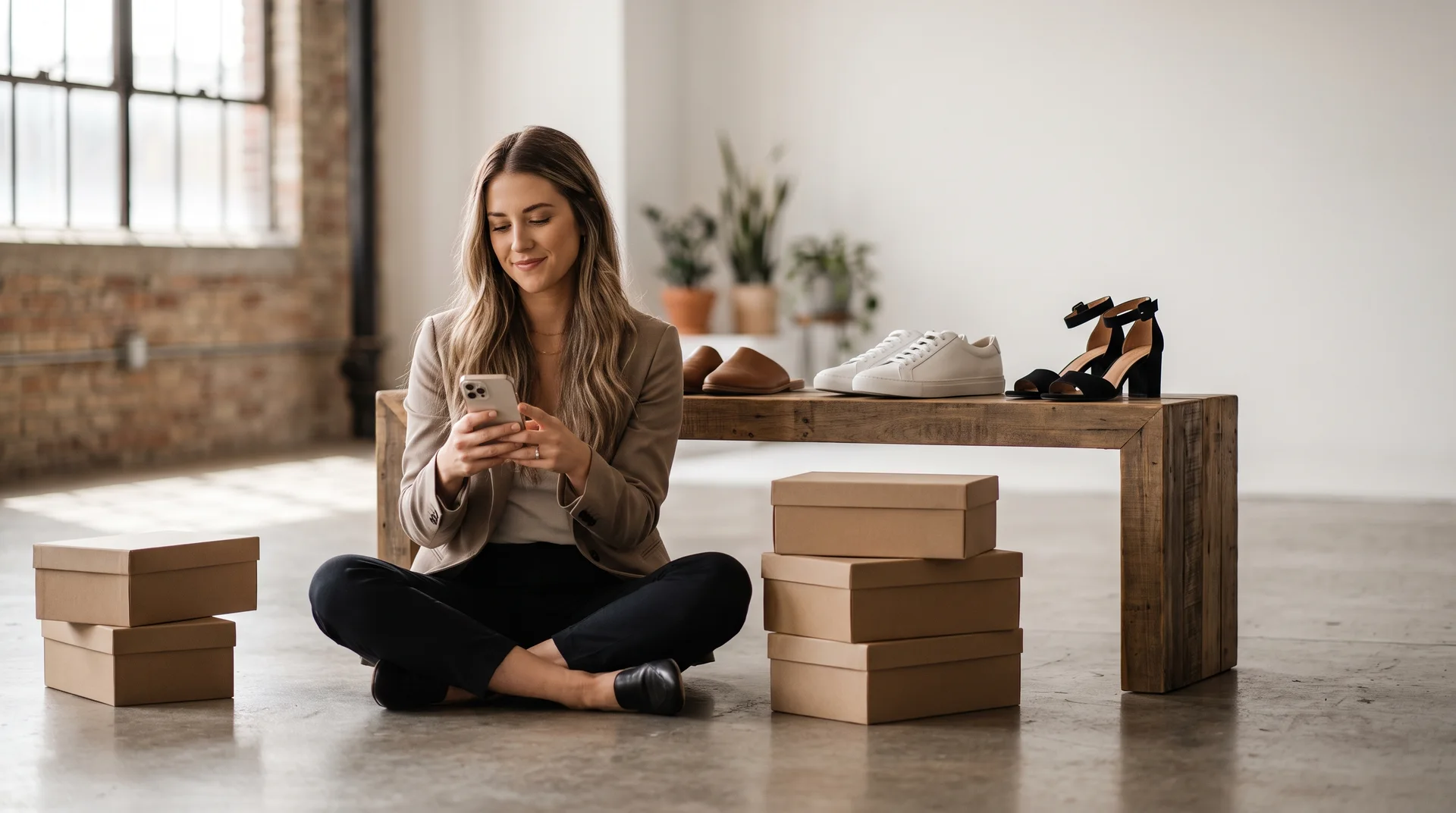
On the other hand, an Instagram boutique almost eliminates the financial entry barrier. There are no fixed expenses such as rent, decoration, utilities, or employee salaries. The basic tools needed are a smartphone capable of taking quality photos, basic lighting equipment, and a small space to store the products. The biggest initial cost is the products themselves. At this point, digital wholesale platforms like Bulkoon come into play, eliminating the high Minimum Order Quantities (MOQ) requirement of traditional wholesale. This way, you can start with much lower budgets and small batches of different models, keeping financial risk to a minimum while gauging the market.
Operational Costs and Daily Management
Once you open the doors of your business, the operational processes exhibit distinct differences between the two models. A physical store means a continuous flow of costs. Regular expenses such as employee salaries, electricity, water, heating, internet, security systems, cleaning, and legal permits take a toll on profitability each month. The requirement for the store to be open during specific hours ties the entrepreneur's time directly and restricts flexible working opportunities.
The operational costs of an Instagram boutique, however, are much more variable and largely depend on sales volume. Basic expenses include shipping and packaging materials, digital marketing and advertising expenses, and potential platform commissions. This model offers tremendous flexibility, especially for a one-person operation. You can manage orders from home or a small office, setting your own working hours. Since customer service and marketing processes are conducted entirely through digital channels, you have the freedom to run your business from anywhere in the world.
Customer Access and Marketing Dynamics
Strategies for reaching customers are perhaps the area where the two models most sharply diverge. The customer base of a physical store is largely limited to the foot traffic of its location. Marketing efforts are typically local: window displays, ads in local newspapers, handouts, or regional events. Building a loyal customer base requires time and patience, but the bond established tends to be more personal and stronger.
Instagram, on the other hand, breaks down geographical boundaries, opening your boutique to a national, or even international market from day one. Marketing is entirely data-driven and based on measurable dynamics. With proper targeting, you can show your ads directly to potential customers, rapidly increase brand awareness through influencer collaborations, and showcase your products to millions using formats like Reels or Stories. This digital window allows you to receive instant feedback and rapidly adapt to market trends. The marketing approaches of the two models can be summarized as follows:
Physical Store: Leverages the customer's advantage of touching and trying the product. Focused on personal consultancy and instant sales. Built on trust and local recognition.
Instagram Boutique: Strong visual content (photo and video) production is essential. Grows through community building, audience engagement, and targeted advertising. Speed and adaptability to trends are critical.
A hybrid approach—initially building brand awareness through Instagram and then opening a physical experience point in a strategic location with the data and customer base gained—is one of the most popular growth models today.
Product Sourcing and Stock Management: The New Generation of Wholesaling
Regardless of which business model you choose, the key to success is being able to source the right product at the right price and the right time. Traditional wholesale purchasing processes have often been arduous for physical store owners. Visiting wholesale sales centers, negotiating with countless suppliers, and the obligation to purchase large quantities often required tying up significant amounts of capital in stock. This situation directly threatened profitability by increasing the cost of unsold products, especially for seasonal footwear models.
Digitalization has fundamentally changed the dynamics in this area. Online wholesale marketplaces like Bulkoon are game changers for both Instagram boutiques and modern physical stores. You can now instantly access thousands of shoe models from hundreds of manufacturers through a single platform. You can compare collections from different suppliers, see prices transparently, and most importantly, place orders in smaller quantities suitable for your business model. You can test several lines of a sports shoe model on Instagram and quickly reorder based on the demand. This agility increases the stock turnover rate, minimizes dead stock risk, and keeps cash flow healthy.
Growth Strategies and Future Vision
Each model has its unique growth pathways. For a physical store, growth typically means opening a second branch, franchising, or moving to a larger square meter. Each of these steps requires serious financial resources and planning, similar to the initial investment. Building an online presence can be a subsequent process that requires separate expertise.
Growth for a boutique starting on Instagram is generally more flexible and layered. The first step usually involves broadening reach by increasing the advertising budget. Following that, steps such as creating an e-commerce site, starting to sell on different marketplaces, or expanding the product range come next. The success and brand strength achieved digitally lay a solid foundation for opening a pop-up shop or a permanent showroom in the future. This 'digital to physical' transition strategy is increasingly preferred today as it minimizes risks and proves customer demand.
Decision Moment: Which Model is Right for You?
In conclusion, there is no single correct answer to the question 'Instagram boutique or physical store?'. The answer lies in your personal goals, financial situation, and risk tolerance. If you want to test and grow your business with limited capital, in a flexible work arrangement, and by catering to a wide geography, an Instagram boutique is the most logical starting point for you. The low fixed costs and the conveniences provided by digital wholesale supply platforms make this path more accessible than ever.
If you have sufficient capital and want to create a strong brand experience in a specific location, build face-to-face relationships with customers, and highlight the tactile experience of the product, a physical store remains a strong alternative. However, it should not be forgotten that in today's competitive market, the most successful models are often hybrids that combine the best aspects of both worlds. Starting digitally and then transferring that power to a physical space after establishing your brand and audience offers one of the most solid formulas for sustainable success.