Large Size Women's Shoes: A Significant Gap and Profit Opportunity in the Market
Bulkoon Editorial TeamB2B Wholesale Commerce Content Team
The Bulkoon editorial team publishes practical guides grounded in wholesale footwear sourcing and digital B2B commerce.
Updated: · 8 min read
The difficulty of finding women's shoes in sizes 41-44 in the retail sector illustrates the substantial profit potential of this niche market. Businesses investing in this area can achieve high customer loyalty and gain a competitive advantage. It is possible to turn this gap into a profitable business model through wholesale purchasing strategies, proper supplier selection, and inventory management.
For many women, shoe shopping is a pleasurable experience, but for those with shoe sizes 41 and above, this process often turns into a disappointment. The inability to find a favored model in their sizes, the limited options, and those that are often aesthetically unpleasing demonstrate that this customer segment is continuously overlooked. However, for retailers, this scenario actually opens the door to significant business opportunities. A business that steps outside standard patterns to meet this need not only makes sales but also builds an exceptionally loyal customer base. In this article, we will examine in detail why the gap in the large size women's shoe market is a profit opportunity and how wholesale buyers can succeed in this niche market.
Overlooked Market: Demand for Large Size Shoes
The shoe industry typically shapes its production and inventory planning according to average demand curves. This generally means a concentration of production and variety in the size range of 37-39, while sizes 41, 42, 43, and 44 are often considered "non-standard" and produced in limited quantities. However, the demand for these sizes is much more widespread than assumed, and this demographic consistently feels excluded in their shopping experiences.
Focusing on this market segment offers the chance to operate in an area with less intense competition. Most large chain stores and boutiques fall short in meeting this need, thus a retailer investing in this area quickly becomes noticeable and a preferred destination. This situation also serves as an important advantage in terms of branding and carving out a unique place in the market.
Women searching for large size shoes typically possess a conscious and knowledgeable consumer profile. Years of inability to find what they seek leads them to value quality, comfort of fit, and contemporary design. For them, it is not enough to just "find" a shoe; they are also seeking a stylish and modern product that reflects their taste. This customer base places value on a product and service that fully meets their needs rather than being price-focused. Therefore, when the right product is presented, they are prepared to pay a higher price, positively affecting profit margins.
The Power of Loyalty and Word-of-Mouth Marketing
One of the greatest rewards in this niche market is customer loyalty. A customer who finds a brand that offers them special solutions and understands their needs is unlikely to seek other alternatives. This leads to repeat sales and long-term customer relationships. Furthermore, these customers become strong brand ambassadors within their social circles. By recommending you to friends and family who share similar problems, they create an organic and highly effective marketing channel. A single positive experience from a customer can help you reach dozens of potential new clients.
How to Create a Large Size Wholesale Purchasing Strategy?
The most critical step for a retailer deciding to enter the large size women's shoe market is to determine the right wholesale purchasing strategy. This process involves different dynamics than standard product purchases and requires careful planning. Every stage, from supplier selection to assortment creation, should be tailored to the needs of this unique market. Success is possible not only by stocking large sizes but also by procuring the right models from the right suppliers.
Digital platforms like Bulkoon offer significant advantages to buyers in this process. The opportunity to review products from hundreds of approved suppliers in one place makes it easier to access manufacturers that either produce or have the potential to produce in this niche area. This prepares the ground for establishing the right partnerships while saving both time and costs.
Finding the Right Supplier: Production Capacity and Quality
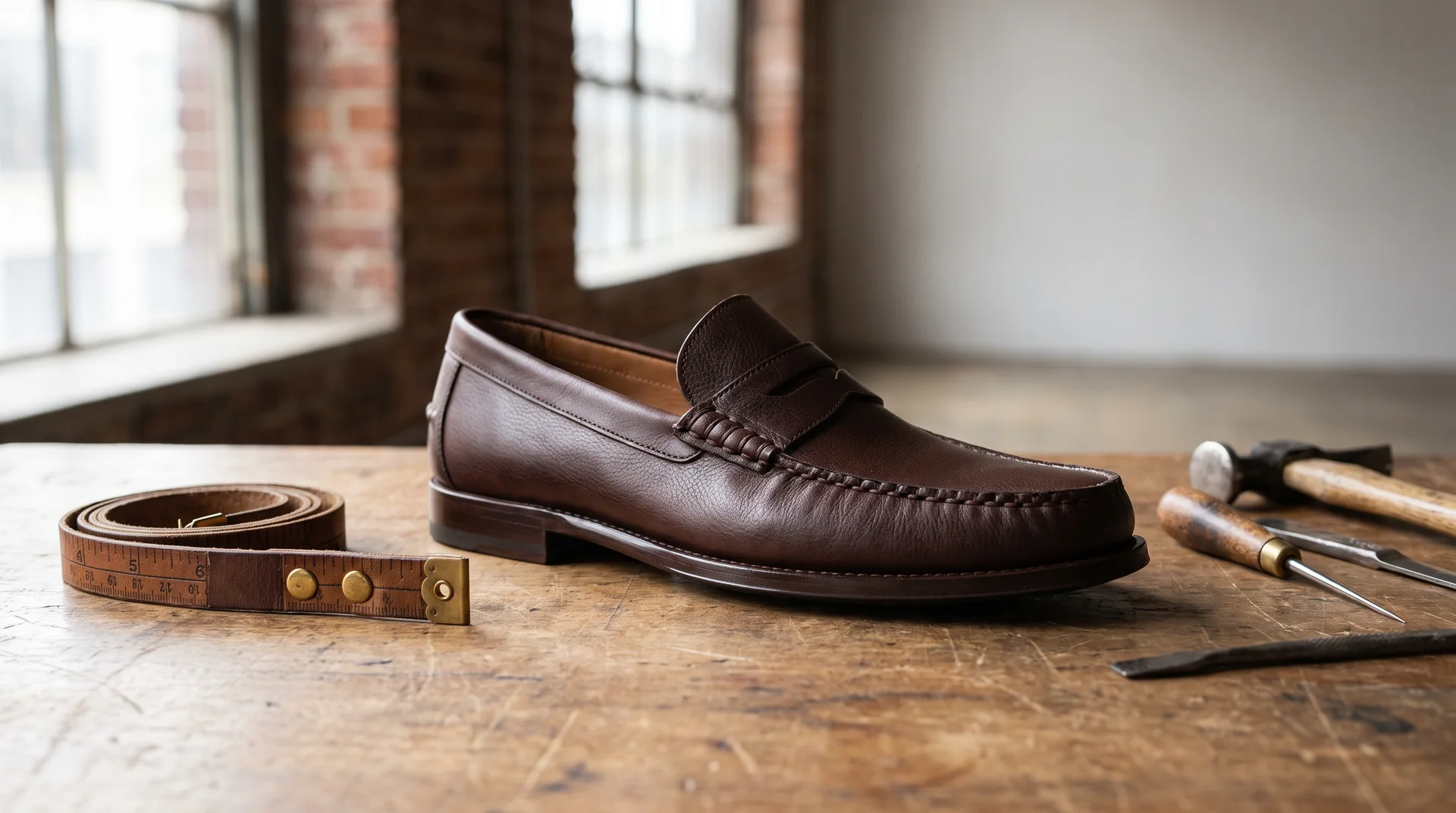
Not every shoe manufacturer specializes in large size molds. Therefore, the first step is to find reliable suppliers that can produce sizes 41-44 without compromising on aesthetics and quality. When selecting a supplier, it is important not to only consider the price but also the ergonomics of the molds they use, the quality of materials, and the details of craftsmanship. Working with approved suppliers reduces risks and guarantees a certain quality standard. It is also essential to ask if the supplier has previously produced in these sizes and to request samples if possible for a proper start.
Bulkoon editorial image illustrating the article topic.
Assortment Planning: Going Beyond Standard Series
In wholesale shoe purchasing, a standard series (assortment) typically includes pairs ranging from size 36 to 40. When entering the large size market, these standards need to be relaxed. Discussing special assortment options with suppliers can be one method. For example, special collections that only include sizes 40-44 can be requested. Initially, it may be wise to focus on sizes that are likely to be in higher demand, such as 40, 41, and 42, and to order fewer numbers of 43 and 44 to spread the risk. This allows you to control inventory costs while gauging the market's response.
Profitability and Inventory Management: The Dynamics of the Large Size Category
The large size women's shoe category can be quite profitable when managed correctly. However, this profitability requires careful inventory and financial planning. An inventory structure that may move more slowly compared to standard sizes necessitates a different perspective and management strategy. In this section, we will address critical issues such as size distribution specific to the large size category, assortment depth, and inventory turnover rate.
Success in this niche area is not only about finding the right products but also about balancing the inventory costs and sales pace of these products correctly. Initially placing smaller and more diverse orders is important to understand which models and sizes sell faster. Bulkoon's offering of only ready stock models allows retailers to quickly replenish their inventories in response to demand without waiting for long production times.
Size Distribution and Assortment Depth: Managing Risk
A standard women's shoe series usually consists of 8 pairs (sizes 36-40), while this structure changes for large sizes. Many retailers begin by adding a few pairs of sizes 41 and 42 in addition to the 36-40 series. However, to become a serious player in this market, a bolder assortment plan is required. For example, you might aim to create a 5-piece assortment of a model ranging from sizes 40-44. A hypothetical example scenario could involve placing an additional order for your most popular women's stiletto model alongside a standard series (e.g., 40-1, 41-2, 42-2, 43-1). This approach keeps stock of the most in-demand large sizes while mitigating the risk in less sought-after extreme sizes.
Seasonal Trends and Inventory Turnover Rate
The inventory turnover rate in the large size category may be slower compared to popular sizes. However, this condition is balanced by higher profit margins and a loyal customer base. Customers become less price-sensitive when they find the size they are looking for. Adapting seasonal trends to this category is key to boosting sales. For example, offering a flat in the season's fashion color or a popular sandal model in sizes 41-44 will instantly differentiate you from competitors. To optimize the inventory turnover rate, it makes sense to maintain a deeper stock of staple, timeless models (such as black stilettos or white sneakers) while starting with a shallower stock of seasonal and audacious models.
Product Variety and Marketing Communication
Another key to success in the large size women's shoes market is to provide sufficient product variety and to reach the target audience with the right marketing messages. Customers seek not only shoes that fit their feet but also various alternatives that complement their styles for special occasions or daily use. Therefore, by diversifying your portfolio and tailoring your marketing communication to this special audience, you can stand out in the competition.
The language and visuals used in your marketing activities play a critical role in establishing a connection with this customer segment. Adopting a sincere communication tone that conveys you understand the challenges they face and that you offer a solution will strengthen your brand perception.
Second editorial photograph for the article - different angle or scene.
Model Selection: From Stilettos to Casual Shoes
It is crucial to offer your customers a wide range. Your collection should not focus solely on a specific style. You should provide options across different categories, from stylish heels and stilettos to comfortable daily and casual shoes, and versatile athletic shoes and sandals ideal for the weekend. Chic and elegant heeled models will be in high demand for this demographic, particularly for special occasions like weddings and graduations, where they struggle to find formal shoes. Among the 10,000+ model options on the Bulkoon platform, it is possible to find and enrich your collection with products suitable for this niche market.
Reaching the Target Audience: The Right Channels and Messages
In your marketing messages, you should emphasize "large sizes" clearly. Using targeting options in social media advertising allows you to reach this audience directly. For example, using clear and solution-oriented headlines like "Stylish heels in sizes 41-44 have arrived!" will attract attention. Creating a separate category called "Large Sizes" on your website or marketplace store will help customers easily find what they are looking for. Featuring customer reviews and feedback builds trust for potential buyers and offers social proof.
Entering the Large Size Market with Digital Wholesaling
Traditional wholesale purchasing methods can be time-consuming and costly for retailers looking to enter niche markets. Visiting manufacturers individually, attending trade shows, and searching for the right products brings significant operational burdens. Digital wholesaling platforms fundamentally change this process, facilitating and making entry into specialized categories like large size easier and more efficient. These platforms provide buyers access to a wide network of suppliers without geographical limitations.
This digital transformation creates significant opportunities for small and medium-sized boutiques to compete with large chains. By making data-driven decisions and reducing operational costs, it becomes feasible to grow profitably in niche markets.
Advantages of Online Platforms: Variety and Access
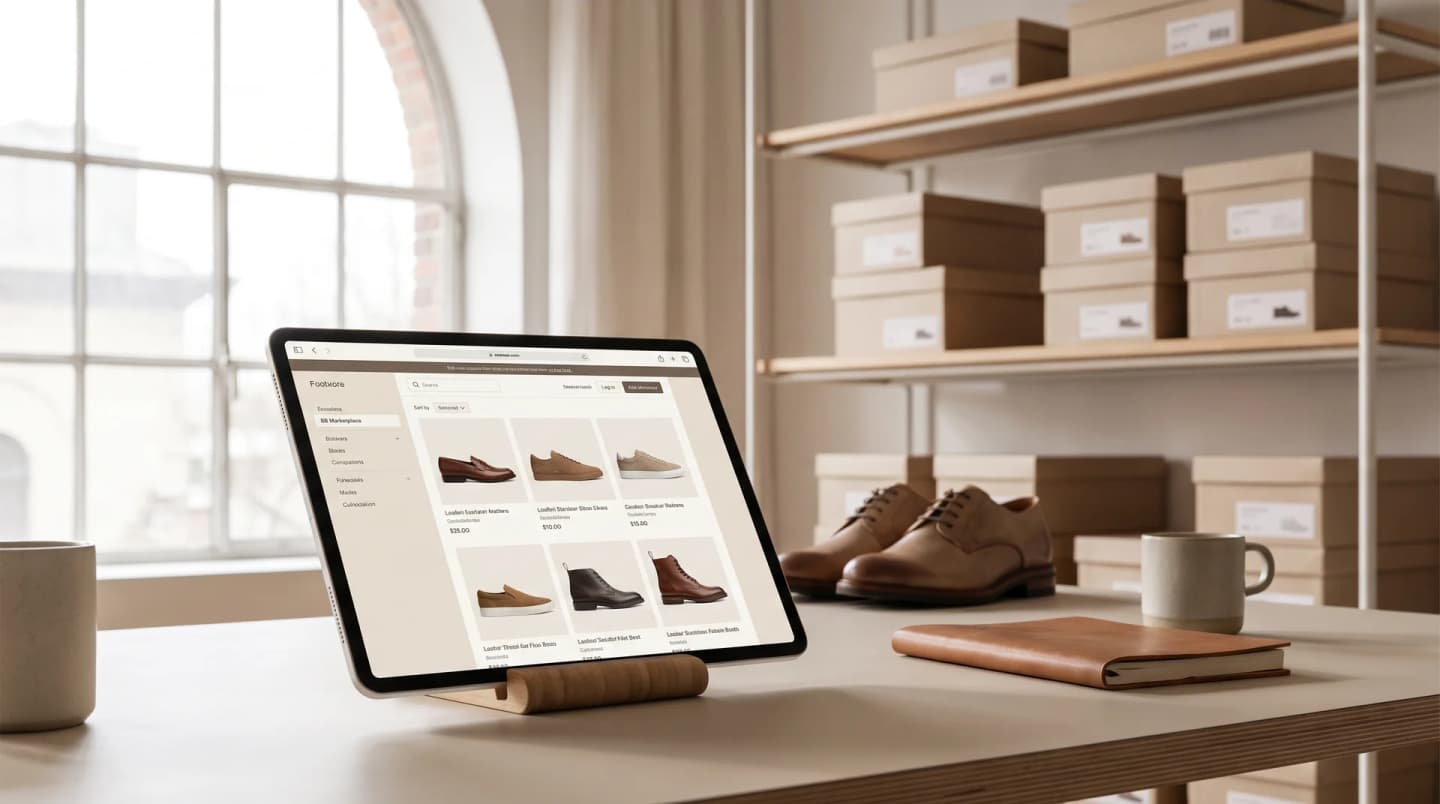
B2B marketplaces like Bulkoon bring together manufacturers and wholesalers from all over Turkey under one roof. This means a buyer can access more suppliers and models than they would typically be able to. You can use detailed filtering options to find suppliers who produce large size shoes or can show flexibility in this regard. This way, you can easily select the products best suited to your store's identity and your customer base's expectations. Understanding how this works will further enhance the efficiency of the process.
Making Data-Driven Decisions
Digital platforms provide valuable data, such as which models are most viewed and which brands are popular. By analyzing this data, you can make predictions about which large size models may have greater demand. Basing your inventory decisions on concrete data rather than intuitions reduces your financial risk and increases your return on investment. Additionally, with product videos and high-resolution photos on the platforms, you can gain detailed insights about the quality of the products even without seeing them physically.
Final Steps to Become a Leader in This Niche Market
The large size women's shoe market holds significant potential for bold and visionary retailers. Filling the gap in this area represents not just a commercial move but also an opportunity to show that you value an overlooked customer base. By establishing the right supplier partnerships, wisely planning inventory management, and connecting sincerely with your target audience, you can stand out in this domain. Remember, success in this market will translate into long-term profit marked by high customer loyalty and a strong brand identity.
Footwear wholesale is undergoing a profound transformation driven by technological innovations such as AI-powered product recommendations, real-time inventory management, and digital B2B payment solutions. These digital applications enhance operational efficiency for small and medium-sized stores, enabling them to gain competitive strength.
Don't risk your capital when stocking shoe trends that suddenly go viral on social media. Discover balanced inventory and assortment strategies that keep your store profitable.



 3 colors