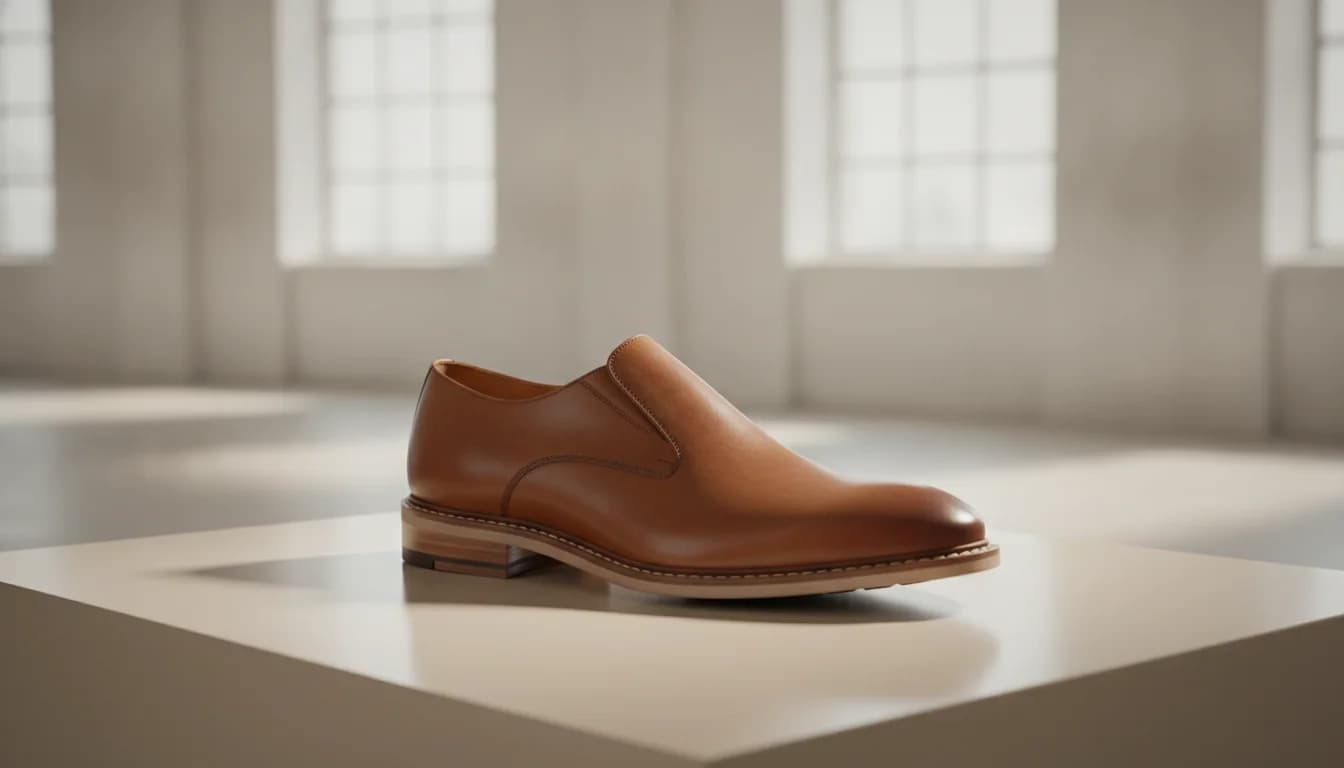
Product Selection Guide for Online Shoe Sales
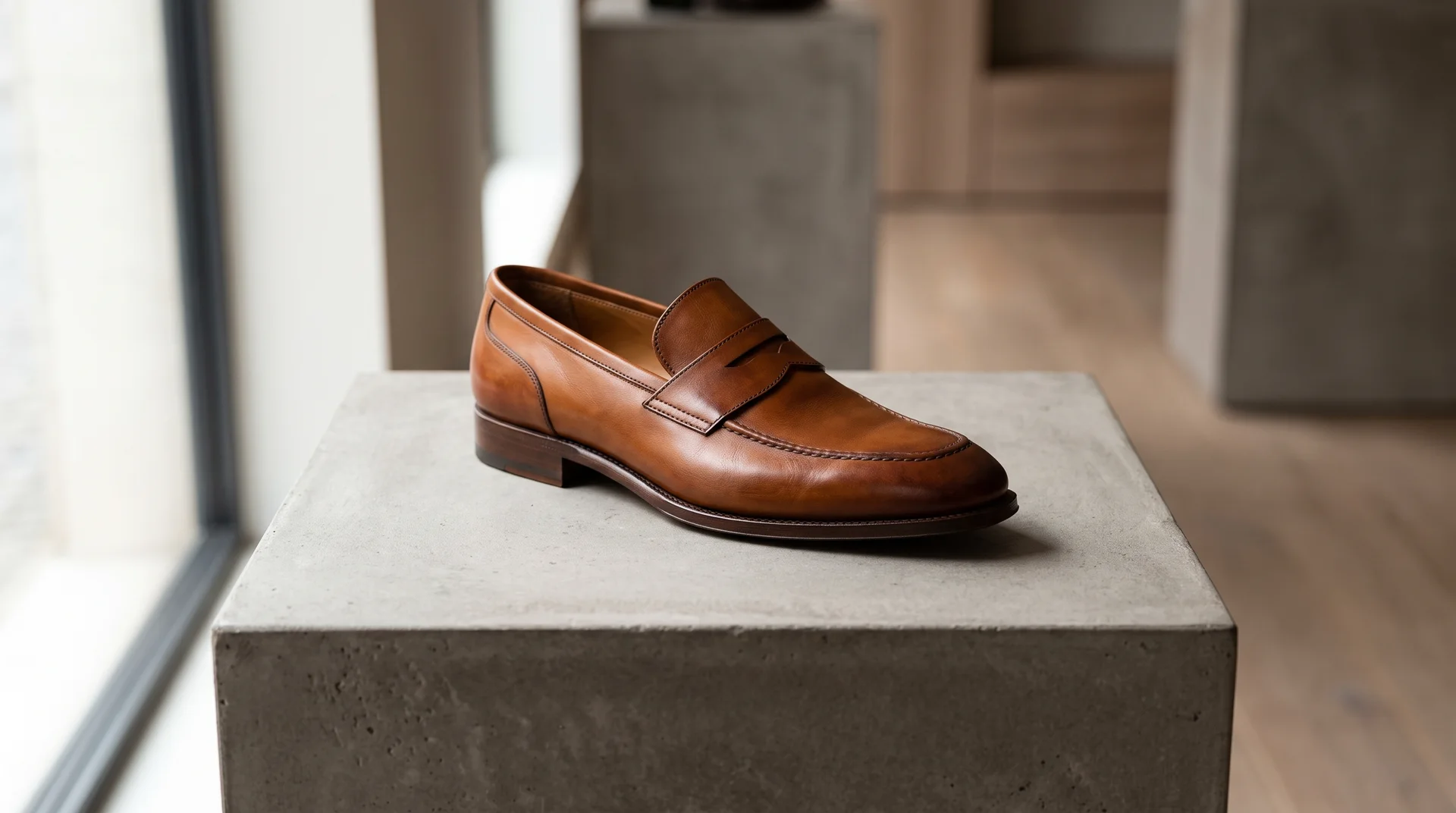
Choosing the right products for selling shoes online is the key to success. This guide explains step by step how to find the most profitable and popular shoe models for your online store-from market analysis to supplier selection, stock planning, and visual presentation.
Online shoe sales can turn into a profitable venture when you identify the right products. However, determining which models among thousands fit your customers and brand is the first step to success. Simply opening a website is not enough; standing out in the competition requires creating a product portfolio that meets your target audience’s expectations, is visually appealing, and profitable. This guide will help you shape your online store’s showcase, starting from the wholesale purchasing process.
Market Analysis and Defining the Target Audience
Trying to sell everything to everyone is one of the most common mistakes, especially when starting out in e-commerce. Successful product selection starts with clearly defining who you want to sell to. Understanding your market and customers allows you to predict which shoes will sell and direct your marketing efforts properly.
Exploring Niche Markets
Rather than competing with large brands in a broad market, niche markets focusing on specific needs offer higher potential for success. For example, a boutique specializing only in large-size women’s shoes, sports shoes made from vegan materials, orthopedic-based daily shoes, or a style-specific boutique (e.g., retro, minimalist) can build a stronger bond with its target audience. A niche market helps you make your marketing messages more specific and build a loyal customer base. It also helps keep your stock costs at a manageable level.
Creating a Customer Persona
Who is your ideal customer? The answer directly influences your product selection. Creating a customer persona makes this process concrete. Consider the persona’s age, gender, income level, lifestyle, fashion tastes, and shopping habits. Are you targeting university students, office workers, or active individuals who enjoy weekend activities? For example, a profile of a 25-35-year-old urban woman who is employed and wants to combine comfort with style will likely show more interest in women's loafers or quality ballet flats. This persona clarifies which categories you should prioritize.
Shoe Categories with High Conversion Potential
After identifying your target audience, analyzing which shoe categories have higher conversion rates in online sales is important. Some categories see steady demand year-round, while others offer seasonal opportunities. Structuring your portfolio around this balance is key to maintaining healthy cash flow.
All-Season Favorites: Sports and Casual Shoes
Sports and casual shoes hold the most stable sales performance in e-commerce. The rise of comfort and street fashion makes these shoes appealing to customers of all ages and demographics. To succeed in this category, offering variety is essential. A collection enriched with different colors, materials, and designs lets you appeal to a wider audience. Bulkoon’s extensive catalog providing over 10,000 model options makes it easy to find the variety you need in popular categories such as women's sports shoes and men's casual shoes.
Special Occasions and Seasonal Opportunities: Heels and Sandals
Events like weddings, graduations, and special invitations boost women's heeled shoe sales. Similarly, summer months increase demand for sandals and slippers. These categories typically offer higher profit margins but have seasonal demand. When adding these products to your portfolio, it’s crucial to carefully plan stock levels. End-of-season leftover products can erode profits. Therefore, closely monitoring trends at the start of the season, selecting the right models, and maintaining high stock turnover rates are critical.
Factors Affecting Product Selection in the Supply Chain
After determining the right categories, the next step is to find the best products in those categories. Online customers cannot touch or try products. Therefore, quality, reliability, and presentation directly affect purchasing decisions. A trustworthy supply network is the foundation of your business.
Material Quality and Craftsmanship Details
Customers zoom in on product photos and videos to inspect stitching details, material textures, and craftsmanship quality. The quality of synthetic leather, genuine leather, suede, or textile materials determines the perceived value and durability of the product. Transparently sharing material details in product descriptions increases customer confidence and reduces return rates. Some products on Bulkoon include product videos that allow you to examine models from various angles in detail, providing clearer insights into materials and craftsmanship. This is a significant advantage when buying wholesale without physically seeing the product.
The Importance of Choosing Reliable Suppliers
Consistent product quality, timely delivery, and accurate stock information from a supplier ensure smooth e-commerce operations. Delays or quality issues originating from suppliers directly harm customer satisfaction and your brand reputation. To minimize this risk, platforms like Bulkoon provide access only to approved suppliers. This allows you to trade directly and securely with manufacturers, ensuring the same quality standard with every order. The vast supplier network also offers flexibility to find products across various price and quality segments.
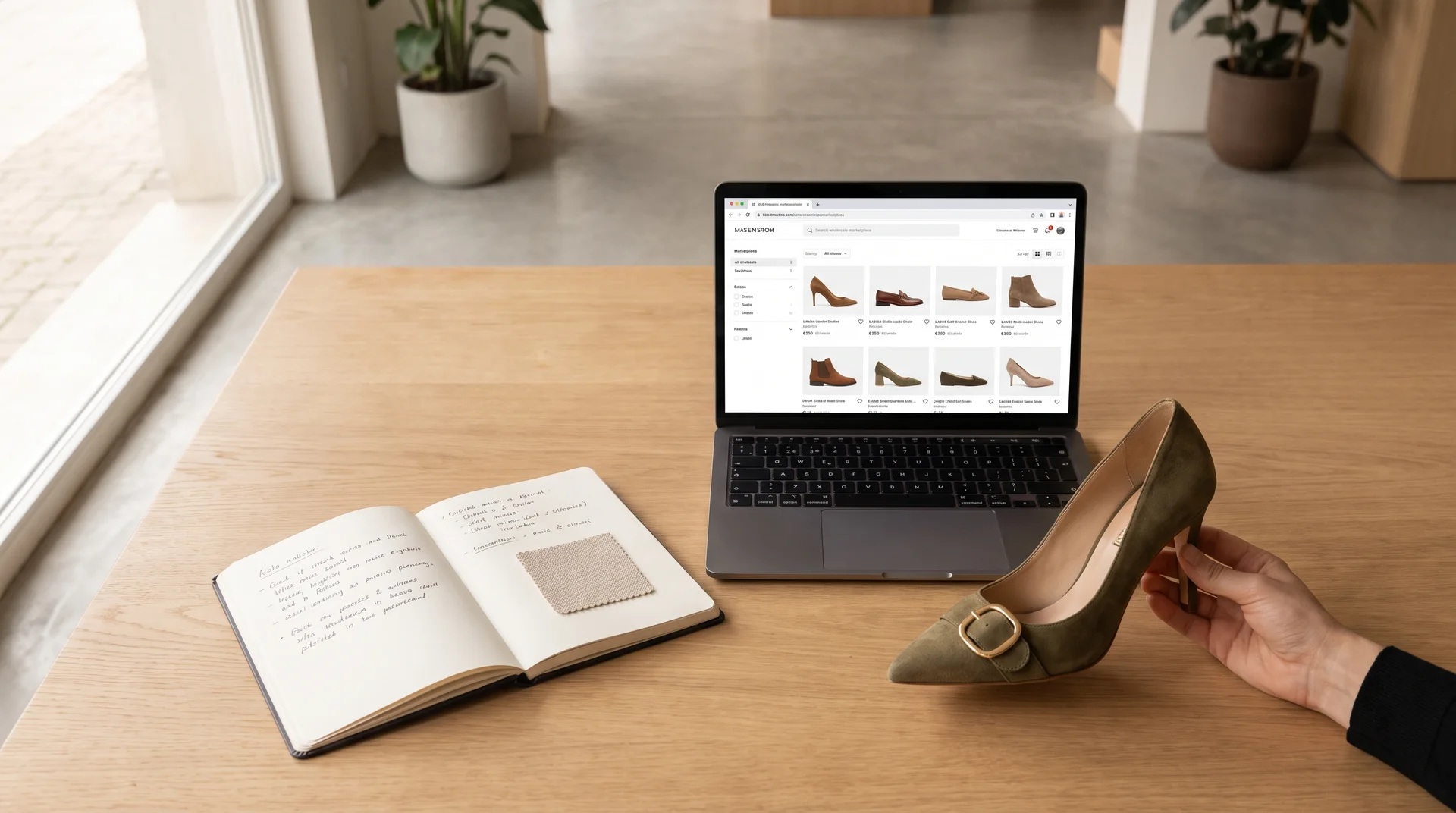
Stock and Size Run Planning for Online Sales
Selecting the right products is only part of the equation. Stocking these products in appropriate quantities and proper size distribution is a critical operational decision that directly affects profitability. Incorrect stock planning may cause your capital to be tied up in unsold inventory.
How to Make the Correct Size Distribution (Assortment)?
A standard size run in footwear generally includes sizes 36-40 for women and 40-44 for men. However, retail demand does not distribute evenly across these sizes. Sizes 37 and 38 for women, and 41 and 42 for men are usually best sellers. When buying wholesale, take this statistical distribution into account. Instead of only purchasing full size runs, prefer suppliers that offer assortments containing higher quantities of popular sizes, or allow you to source popular sizes separately. Otherwise, you risk ending the season with slow-moving sizes like 36 and 40.
Seasonal Stock Turnover and Profitability
Stock turnover rate measures how many times your inventory sells and renews over a period. High stock turnover means your capital is tied up less time and converts to cash more quickly. This metric is especially important for seasonal products like summer sandals. Correctly analyzing seasonal trends, identifying fast-selling models, and frequently sourcing these products in small batches reduce risk. Bulkoon’s offer of only ready stock models ensures rapid processing of your orders and quick replenishment of popular sold-out models. This lets you sell without missing demand.
Impact of Product Images and Presentation on Sales
In your online store, product presentation is as vital as the product itself. Product images and descriptions are the most effective tools influencing customers' purchase decisions. Professional and detailed presentations directly increase conversion rates and reinforce your brand image.
Rules of Professional Product Photography
Poor quality and insufficient photos cannot sell even the best products. For successful product presentation, pay attention to these aspects:
Multiple Angles: Photograph the product from at least 5-6 different angles: front, side, back, top, and sole.
High Resolution: Use high-resolution images so customers can zoom in and see details such as stitching, texture, and accessories clearly.
White Background and Lifestyle Shots: Include photos with a white background that clearly show all details, as well as concept (lifestyle) shots where the shoe is paired with an outfit or shown in an appropriate setting. This helps customers imagine the product in real life.
Detail-Focused Shots: Take macro shots focusing on unique features such as buckles, laces, stitching, or special patterns that differentiate the product.
Detailed and Persuasive Product Descriptions
Product descriptions are as critical as images. Instead of simply stating "Black Women's Sports Shoe," provide detailed information that answers customers' questions. Include details such as material type (genuine leather, synthetic leather, textile, etc.), heel height, sole features (e.g., rubber, polyurethane), fit (narrow, true to size, etc.), and usage recommendations. Use SEO-friendly keywords to help your products rank better in search engines. Remember, a good description not only informs but also sells the benefit and feeling the product offers.
Final Steps for a Successful Start
After selecting the right products and presenting them excellently, you’re ready to progress confidently in your e-commerce journey. Product selection is an ongoing process of analysis and optimization. Regularly revisit your initial strategy based on sales data and customer feedback. Track which models sell faster and which get returned to make more accurate purchases next season. Remember, success in e-commerce is directly proportional to your ability to make dynamic, data-driven decisions. Digital wholesale trading platforms like Bulkoon make this process more efficient and accessible. You can start discovering the right products for your store today by exploring How It Works.