Shoe Packaging and Storage: Storage Conditions That Preserve Product Quality

Wholesale shoe purchasing is an investment, and maintaining its value depends on proper storage conditions. Critical factors such as moisture control, box durability, and correct stacking directly affect product shape and quality, thus impacting your profitability.
Wholesale shoe purchasing is a significant investment for your store. Achieving returns on this investment is possible not only by selecting the right models but also by preserving these products in their original condition until they reach customers. A stiletto that has lost its shape due to improper storage, a suede boot stained by moisture, or a crushed box directly translate to losses. Maintaining product quality is a discipline requiring attention at every step along the chain from supplier to warehouse to store shelves. This process spans from packaging itself through to the physical conditions of the storage environment.
The Importance of Proper Packaging: The Quality Journey from Supplier to Store
The journey of maintaining shoe quality begins before the product leaves the supplier’s warehouse. Packaging is not merely a transportation tool but also the product's first line of defense. For wholesale buyers, the supplier’s packaging standards are the first indicators of how smoothly the product will arrive at the store and how safely it can be stored in the warehouse. Durable and well-designed packaging provides critical protection against shocks, impacts, and environmental factors during logistics.
The Role and Standards of Shoe Boxes
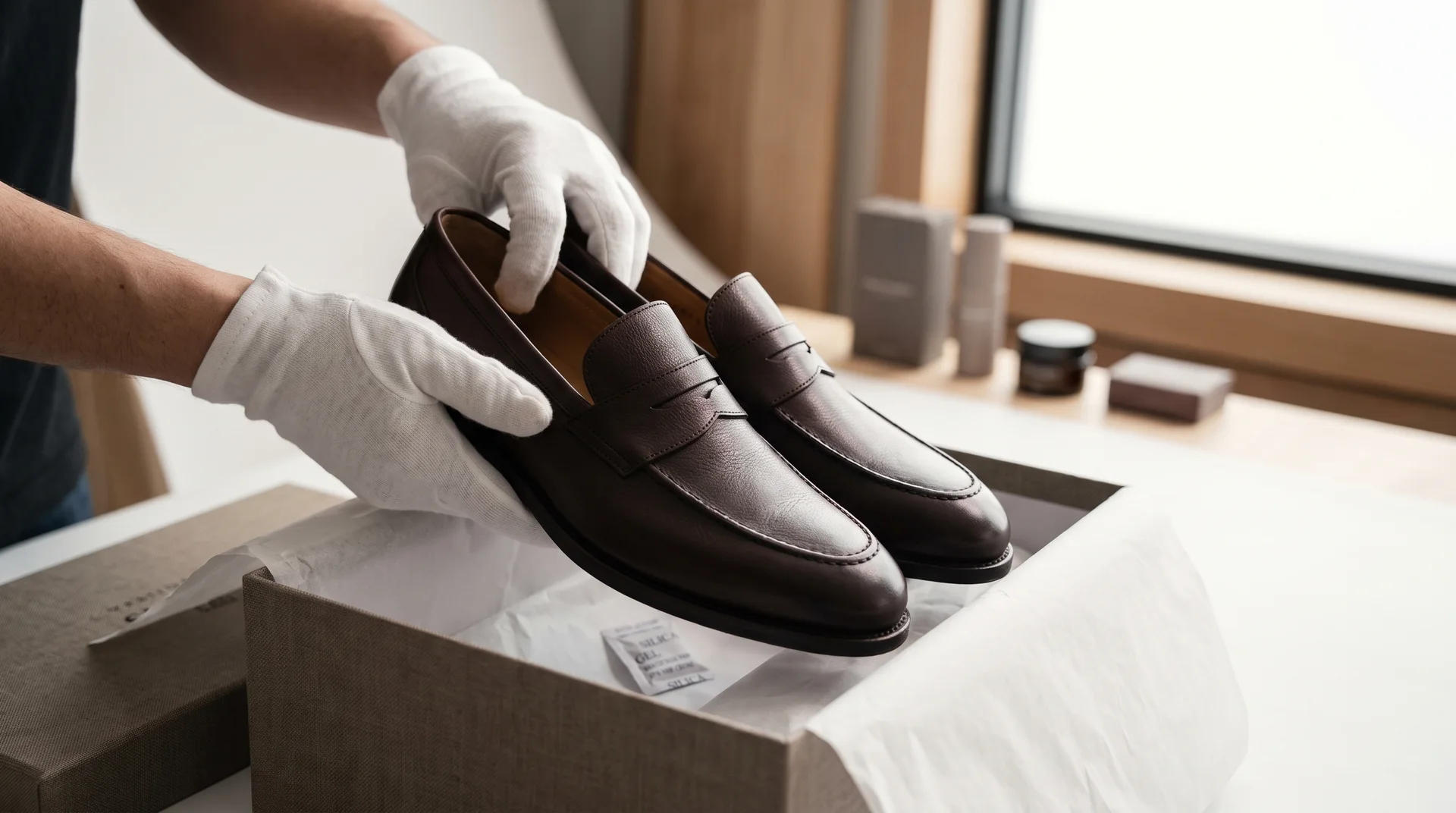
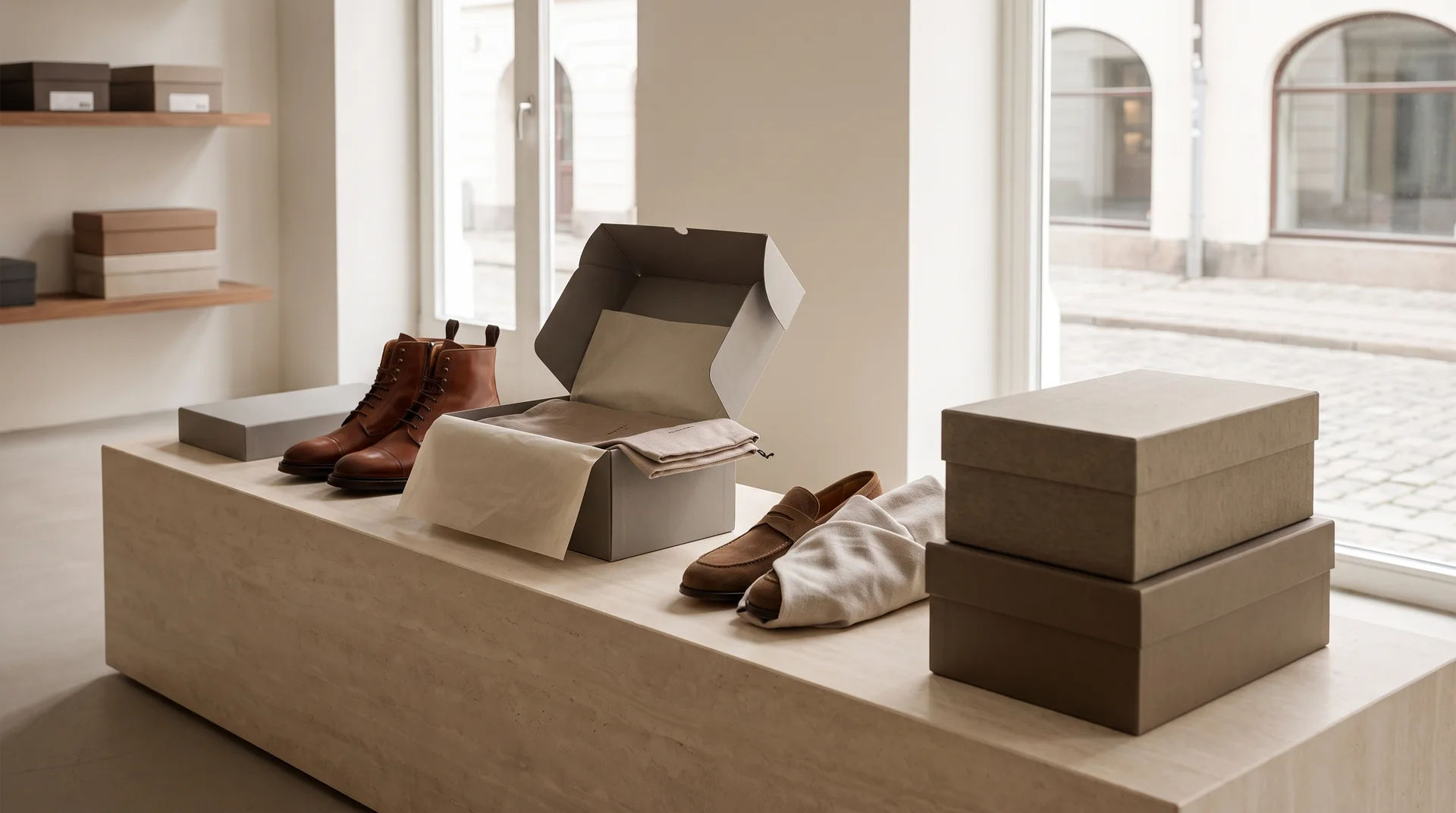
Shoe boxes serve functions far beyond aesthetic presentation. The quality and grammage of the cardboard used are vital to prevent collapse when stacked. A weak box can be crushed after only a few layers, causing deformation especially on delicate models such as women’s stiletto heels or toe areas. Protective materials inside the box are equally important. Shoe forms that maintain shape, tissue paper preventing scratches, and small silica gel packets that absorb moisture all help keep the product safe throughout its shelf life. These details are small but effective elements that preserve the product’s value.
Cartons and Palletizing in Bulk Shipments
In wholesale purchases, shoes are typically shipped not in individual boxes but in large cartons. The durability of these main cartons plays a critical role in safeguarding the many shoe boxes inside. Proper palletizing of shipments from the supplier is also crucial for logistics efficiency and product safety.
Durable Carton Selection: Cartons must resist impacts and weight during transportation. More durable materials such as double-walled corrugated cardboard are recommended.
Proper Stacking: When placing cartons on pallets, weight balance must be considered with the heaviest cartons at the bottom. Avoid irregular stacking that exceeds pallet dimensions.
Stretch Film Usage: Wrapping palletized cartons with stretch film prevents scattering and adds protection against dust and moisture.
Labeling: Each carton and pallet should clearly indicate contents, quantity, and fragility. This ensures proper handling during storage and transportation.
Attending to these standards ensures products arrive at your store undamaged and ready for sale. Approved suppliers on platforms like Bulkoon generally maintain such professional packaging standards to facilitate the buying process.
Critical Factors of the Storage Environment: Moisture, Temperature, and Light
Once shoes reach the warehouse, the conditions they face directly affect their quality. An ideal storage environment extends product life and protects value through controlled environmental factors. Moisture, temperature, and light are three fundamental threats that can cause irreversible damage to shoe materials. Understanding and managing each factor is key to preventing stock loss.
Moisture Control: Mold and Deformation’s Number One Enemy
High humidity is one of the biggest threats to shoes. Materials such as leather, suede, and natural textiles easily absorb moisture. This fosters mold and fungus growth, causing bad odors and permanent stains. Excess moisture also reduces adhesive effectiveness, causing sole detachment or component separation. Ideal warehouse humidity should be maintained between 40-50%. Dehumidifiers or regular ventilation can help maintain these levels. Silica gel packets inside shoe boxes offer effective micro-level moisture control.
Effects of Temperature and Light on Materials
Temperature fluctuations are harmful to shoe materials. High temperatures can degrade synthetics and adhesives, cause plastic accessories to melt or deform, and cause glossy surfaces like patent leather to stick together. Low temperatures might crack materials such as PVC soles or patent leather. It is critical that storage areas are not exposed to direct sunlight. UV rays cause color fading and discolor sensitive materials such as suede and nubuck. White-soled men’s sports shoes may yellow over time. Therefore, warehouses should ideally be windowless or equipped with UV-protective films.
Warehouse Organization and Stacking Techniques
After establishing correct environmental conditions, physical organization within the warehouse is crucial both for preserving product quality and improving operational efficiency. A systematic layout and safe stacking rules simplify inventory management, reduce damage risks, and create a safe working environment. A cluttered and disorganized warehouse not only wastes time but also leads to financial loss from crushed boxes and deformed shoes.
Shelving Systems and Proper Arrangement
Shoe boxes should never be stacked directly on the floor, as the floor is vulnerable to moisture and pests. Therefore, sturdy shelving systems starting at least 15-20 cm above the ground should be used. Metal shelving systems are ideal due to their durability and ease of cleaning. When installing shelves, it is important to arrange them so products are easily accessible.
FIFO (First-In, First-Out) Principle: This system ensures the oldest stock is moved first, preventing inventory from becoming outdated. New products go to the back of shelves, older products move to the front.
Categorization and Labeling: Labeling shelves by model, brand, size, or season makes locating products possible within seconds. This is particularly time-saving during peak sales periods.
Air Circulation: Leaving space between boxes and walls promotes airflow, helping to prevent moisture accumulation.
Safe Stacking Rules
Observing certain rules when stacking shoe boxes on shelves is essential for the safety of both products and staff. Incorrect stacking may cause boxes to fall, crush, or damage the contents. The fundamental rule is that boxes must not bear weight beyond their capacity. Heavy and large boxes containing boots or shoes should be placed on lower shelves, while lighter items such as heeled shoes or ballet flats should be on upper shelves. Avoid stacking boxes too high and ensure stability in each stack. The box quality provided by suppliers directly influences safe stacking height; consider this when purchasing.
Storage Tips Based on Material Type
Each shoe material has distinct structure and sensitivities. Customizing storage strategies according to material type is the most effective way to maintain product quality at the highest level. Conditions required for leather shoes differ from those for textile sports shoes. This awareness helps products remain like new even with long-term storage.
Preservation of Leather and Suede Shoes
Genuine leather is a natural material requiring breathability. Leather shoes should never be stored in airtight plastic bags or sealed boxes, as this causes drying, cracking, or molding. To maintain shape, shoe forms or acid-free paper are recommended. Suede and nubuck are much more susceptible to water and stains compared to leather. Boxes containing these shoes should have extra moisture protection and be stored in completely dry areas. Both materials benefit from a cool, ventilated environment away from direct sunlight.
Synthetic, Textile, and Special Materials
Synthetic materials and textiles typically require less maintenance but have their own vulnerabilities. For example, white-soled sports shoes can oxidize and yellow if exposed to light and air long-term. Storing these in original boxes away from light is important. Glossy materials like patent leather tend to stick together at high temperatures, so they should not touch inside boxes and should be kept in cool environments. Formal shoes with stone, bead, or metal decorations are highly sensitive to crushing. Their boxes should never have heavy products stacked on top and require extra stacking care.
The Role of Digital Tools in Stock Management
An effective storage strategy involves not only optimizing physical conditions but also managing inventory intelligently. Digital tools and platforms allow wholesale buyers and retailers to track inventory efficiently, improve quality control processes, and make more informed purchasing decisions. This eliminates the challenges of manual tracking and saves time and money for businesses.
Inventory Tracking and Quality Control
Simple inventory management software-or even detailed Excel spreadsheets-facilitate tracking when a product entered the warehouse and how long it has been stored. This data supports implementing the FIFO principle. Additionally, regular physical stock counts and quality inspections are important. Opening randomly selected boxes to check products for moisture, deformation, color fading, etc., enables early detection of potential problems before they spread. This proactive approach prevents large-scale losses.
Making Informed Choices in Wholesale Purchasing
The storage process actually begins at the purchase moment. Digital wholesale platforms like Bulkoon offer significant advantages to buyers in this regard. For instance, videos featured in some product listings allow detailed inspection of shoes from all angles and also provide insight into packaging. Understanding how the platform works and effectively using its tools helps buyers select the right products and suppliers from the outset. Listing only ready stock products on Bulkoon indicates that suppliers store products under certain standards, adding a layer of trust for buyers.
Conclusion: Storage Is an Investment That Protects Your Profitability
Proper shoe packaging and storage is a critical yet often overlooked process that directly impacts the profitability of retail businesses. It is not merely a cost but a strategic activity aimed at protecting product investment. Controlling environmental factors such as moisture, temperature, and light; establishing systematic warehouse organization; and applying material-specific care all ensure each pair of shoes reaches the customer in the best possible condition. Remember, a damaged product on the shelf is unsellable, which means direct profit loss. By adopting correct storage habits, you can fully preserve the value of your wholesale purchases.