
The Importance of Storage and Organization in Footwear Inventory
In B2B footwear trade, profitability is directly related not only to selecting the right products but also to storing these products correctly. An efficient warehouse layout preserves product quality, reduces operational costs, and speeds up order processes. This guide provides practical ways to maintain material integrity in footwear inventories, optimize warehouse layout, and enhance efficiency with digital tools.
The Basics of Footwear Storage: Preserving Material Integrity
Shoes, especially when produced from natural materials, are sensitive products that react to environmental conditions. The fundamental aim in the storage process is to ensure that the product reaches the store or end user with its original quality. This is achievable by creating conditions that preserve the structure, color, and form of the material. Improper practices can lead to irreversible damage and therefore financial losses.
The Impact of Environmental Factors: Humidity, Heat, and Light
The three biggest threats to shoe materials are humidity, excessive heat, and direct sunlight. A damp environment can lead to mold formation, stains, and deterioration of the material structure, especially in materials like leather and suede. Even synthetic materials can be negatively affected by humidity. Proper ventilation in warehouses and control over humidity levels are critical. Excessive heat can reduce the effectiveness of adhesives and cause materials to dry out and crack. Exposure to direct sunlight can fade colors and weaken materials over time. Therefore, warehouses must be kept cool, dry, and protected from light.
Physical Storage Methods and Risk of Deformation
How shoes are positioned in the warehouse is vital for maintaining their shapes. Stacking products can cause especially the boxes and shoes on the bottom to be crushed and suffer permanent deformations. The most accurate method is to store each pair in its original box and place these boxes on suitable shelving systems. This not only protects the products but also facilitates access. Attaching clear labels containing model codes, color, and size information to each box saves time in shoe warehouse management processes. It is especially important to ensure that delicate models, such as women's high heels, are positioned correctly within their boxes.
You might also like


How to Design an Efficient Warehouse Layout?
The layout of the warehouse is a cornerstone of operational efficiency. A strategically planned layout allows workers to walk less in the warehouse, find products faster, and prepare orders more accurately. This directly reflects on customer satisfaction and business profitability. A good warehouse layout also increases storage capacity by utilizing the available space most efficiently.
Space Utilization and Racking Systems
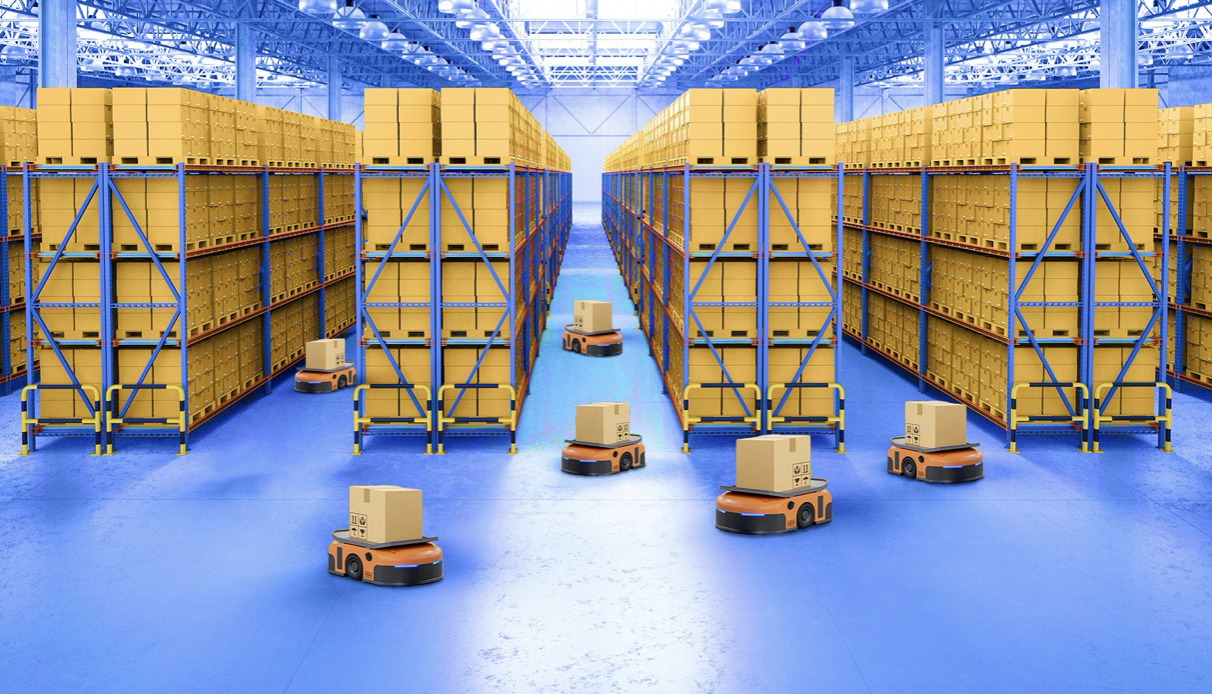
To maximize warehouse space usage, vertical storage is a critical strategy. By installing industrial racking systems in high-ceiling warehouses, it is possible to multiply the storage volume per square meter. The widths of the aisles between the racks should be planned to allow staff to move comfortably and to enable the use of handling equipment if necessary. The depth and height of the racks should fit standard shoe box sizes. This ensures maximum efficiency from the space and prevents boxes from overflowing the racks and creating hazards.
Categorization and Smart Placement
Dividing products into logical groups dramatically reduces search and retrieval times. Categorization can be done based on product type (e.g., women's sports, men's casual, boots, sandals), brand, season, or sales speed. The most popular and fast-moving products (Group A products) should be placed on the most accessible racks closest to the entrance or shipping area of the warehouse. Less selling or out-of-season products can be located on taller or more distant racks. This simple placement strategy can speed up the order picking process by up to 50%.
Stock and Season Management in Footwear Wholesale
The footwear industry requires dynamic stock management due to rapidly changing trends and clear seasonal separations. Storage strategies must not only store products but also respond to these dynamics to optimize stock turnover rates and maintain assortment integrity. This section focuses on two topics that are vital for wholesale buyers.
Maintaining Assortment Integrity and Distribution of Sizes
In wholesale footwear, products are often sold as “series” or “assortments.” This means a package containing different sizes of a model (e.g., from 36 to 40). One of the biggest risks in the warehouse is the disruption of these series. Losing or damaging a single size from a series complicates the sale of the remaining sizes and often leads to being sold off at a significant discount. Therefore, it is essential to keep all boxes belonging to a series together in the warehouse, clearly labeled. Placing series in different racks leads to operational errors and invites the loss of assortment integrity. The warehouse layout must be designed to handle series as a whole.

Seasonal Stock Turnover Rate and Warehouse Planning
The stock turnover rate is one of the most important indicators of a business's financial health. Products that stay in the warehouse too long represent idle capital. Planning seasonal footwear storage aims to optimize this rate. It is generally more profitable to clear out products at the end of the season with discounts rather than storing them for the next year. When new season products enter the warehouse, an exit strategy for old season products should be in place. Ready stock models offered in platforms like Bulkoon reduce the need for buyers to hold massive seasonal stock. When needed, rapid procurement can minimize warehouse costs and the risk of capital tying up.
Digitalization and the Role of Technology in Warehouse Management
In modern wholesale trade, warehouse management goes beyond physical organization and is supported by digital tools. Technology offers powerful opportunities to automate inventory tracking, reduce human error, and base decision-making processes on data. Digitalization includes accessible and scalable solutions for businesses of all sizes, from small boutiques to large retailers.
Barcode and Inventory Tracking Software
The first and most effective step in digitalizing warehouse management is transitioning to a barcode system. A unique barcode assigned to each product or box allows for immediate entry and exit registration in the system through handheld terminals. This reduces errors in manual counting and recording to almost zero. An integrated inventory tracking software (WMS - Warehouse Management System) shows exactly which shelf each product is on in the warehouse, alerts when stock levels fall below critical thresholds, and generates reports based on sales data. These systems are essential for e-commerce warehouse organization.
The Contribution of B2B Platforms like Bulkoon
Digital B2B marketplaces like Bulkoon fundamentally change buyers' sourcing processes and, therefore, their warehouse management. Instant access to thousands of models through the platform allows buyers to manage their stocks more dynamically. For example, Bulkoon’s offering of only ready stock products means that the ordered products will be shipped quickly. This encourages buyers to make purchases more frequently and in smaller batches based on demand, rather than holding long-term and uncertain stock. With over 10,000 models and more than 100 approved suppliers on the platform, it facilitates finding the right products for your store while reinforcing the need for an organized warehouse to manage this variety. Understanding how Bulkoon works will help you benefit from this digital supply chain more effectively.
Conclusion: A Well-Organized Warehouse is the Foundation of a Profitable Business
Storage and organization in footwear inventories are often overlooked but are vital for business health. They have a broad impact, from preserving the quality of products to increasing operational efficiency, reducing stock costs, and preventing sales losses. A well-planned warehouse is not just a cost center but a strategic asset that provides a competitive advantage. An efficient storage system created through physical organization, proper stock management principles, and the integration of digital tools will solidify the foundation of your success in wholesale footwear trade.