Footwear Care and Long-Lasting Inventory Management
Maintaining the quality of wholesale footwear stock in the warehouse is fundamental to profitability. With proper storage conditions, moisture control, and inventory tracking, you can extend product lifespan, reduce return rates, and enhance your brand value.
Profitability in wholesale footwear trade is not limited to sourcing the right products at the right price. Arguably one of the most critical links in the supply chain is the storage and inventory management that covers the time products spend before reaching the customer. Even the highest quality leather boots or the trendiest sports shoes can quickly lose their value under improper storage conditions. This situation is not just a financial loss but a risk that directly affects customer satisfaction and brand reputation. Successful inventory management preserves the physical integrity of products, reduces shrinkage rates, and maintains healthy cash flow for your business.
Hidden Threats and Costs Awaiting Shoes in the Warehouse
Your warehouse is the place where your investment is physically protected. However, if this area is not controlled, it can pose serious risks to products. Being aware of these risks is the first step toward taking proactive measures. A small overlooked detail can lead to a season’s worth of effort and capital going to waste.
Moisture and Temperature: Enemies of Material Quality
The materials used in shoe manufacturing are extremely sensitive to environmental conditions. Natural materials such as leather, suede, and nubuck are particularly adversely affected by high humidity levels. Moisture accumulation in poorly ventilated warehouses creates an ideal environment for mold and mildew growth. This results in staining, unpleasant odors, and structural damage to the material. Excessive temperature fluctuations can reduce the effectiveness of adhesives, cause soles to separate, or lead to cracking in synthetic materials. Such damages are usually irreversible and render the product unsellable.
Physical Deformation: Incorrect Stacking and Packaging
Another significant risk during storage is physical damage. Random piling of shoe boxes on top of each other causes the boxes below to be crushed and permanently deforms the shoes inside. Models with delicate shapes, such as high heels or tall boots, are particularly vulnerable to such pressure. Failure to preserve the original packaging leaves products unprotected from dust, light, and potential impacts. Fading, scratches, or dents significantly reduce the retail value and increase the likelihood of customer returns.
Ideal Storage Conditions: Standards That Extend Product Lifespan
Preserving product quality is too important to leave to chance. Implementing systematic and standardized storage procedures extends the life of your stock and prevents financial losses. This is not an operational cost but a direct investment in profitability.
Environment Control: Ventilation and Humidity Management
Controlling the warehouse environment forms the foundation of maintenance strategy. Regular ventilation of the warehouse ensures air circulation and prevents moisture buildup. The ideal humidity level is generally between 40% and 50%. A hygrometer should be used to maintain this level consistently, and industrial dehumidifiers should be employed if necessary. Pallets or shelves should be used to prevent shoe boxes from coming into direct contact with the floor, providing an extra layer of protection against moisture from the ground.
Proper Shelving and Box Arrangement
Efficient storage begins with a well-organized shelving system. Shelves allow boxes to be placed without crushing and provide adequate air circulation. Storing each product in its original box is the simplest and most effective way to protect it from external factors. Silica gel packets placed inside boxes absorb micro moisture, offering additional protection. Support molds or paper stuffing should be placed inside boots and tall shoes intended for long-term storage to preserve their shape. This simple precaution guarantees that the product looks as new on store shelves as on the first day.
Special Care Strategies According to Material Types
Not all shoes are created equal, and each material has unique storage requirements. Applying care specific to material type alongside general storage rules maximizes product lifespan and maintains top quality. This is critically important especially for products made from premium or delicate materials.
Protection of Leather and Suede Shoes
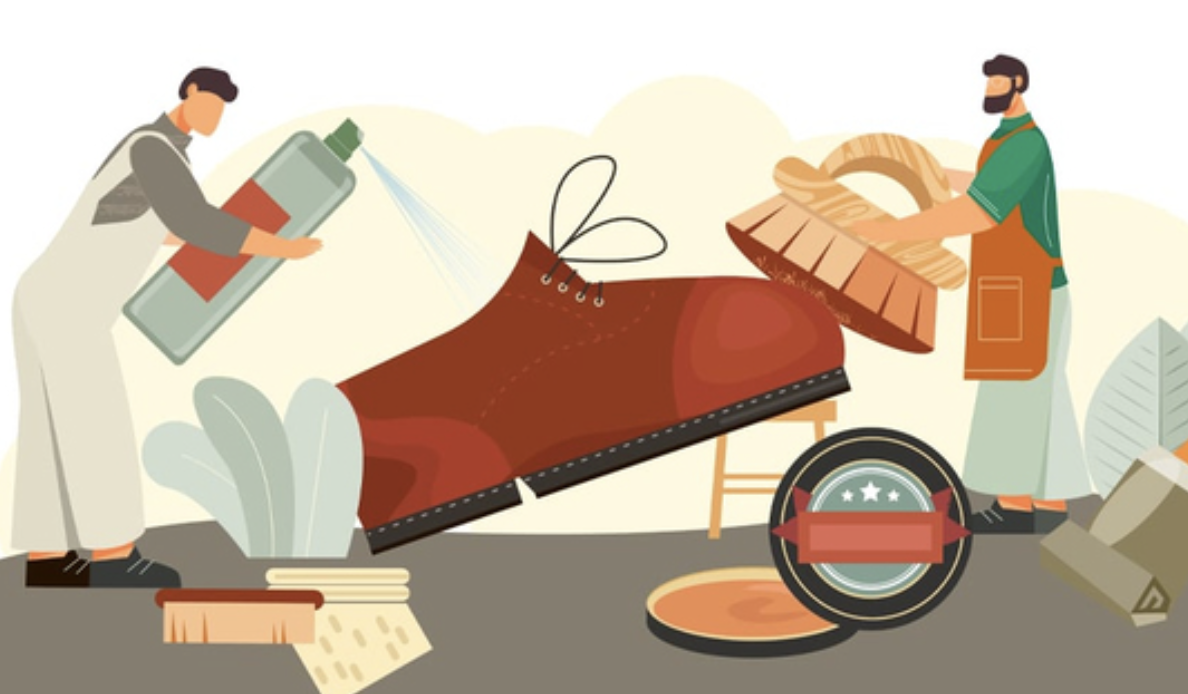
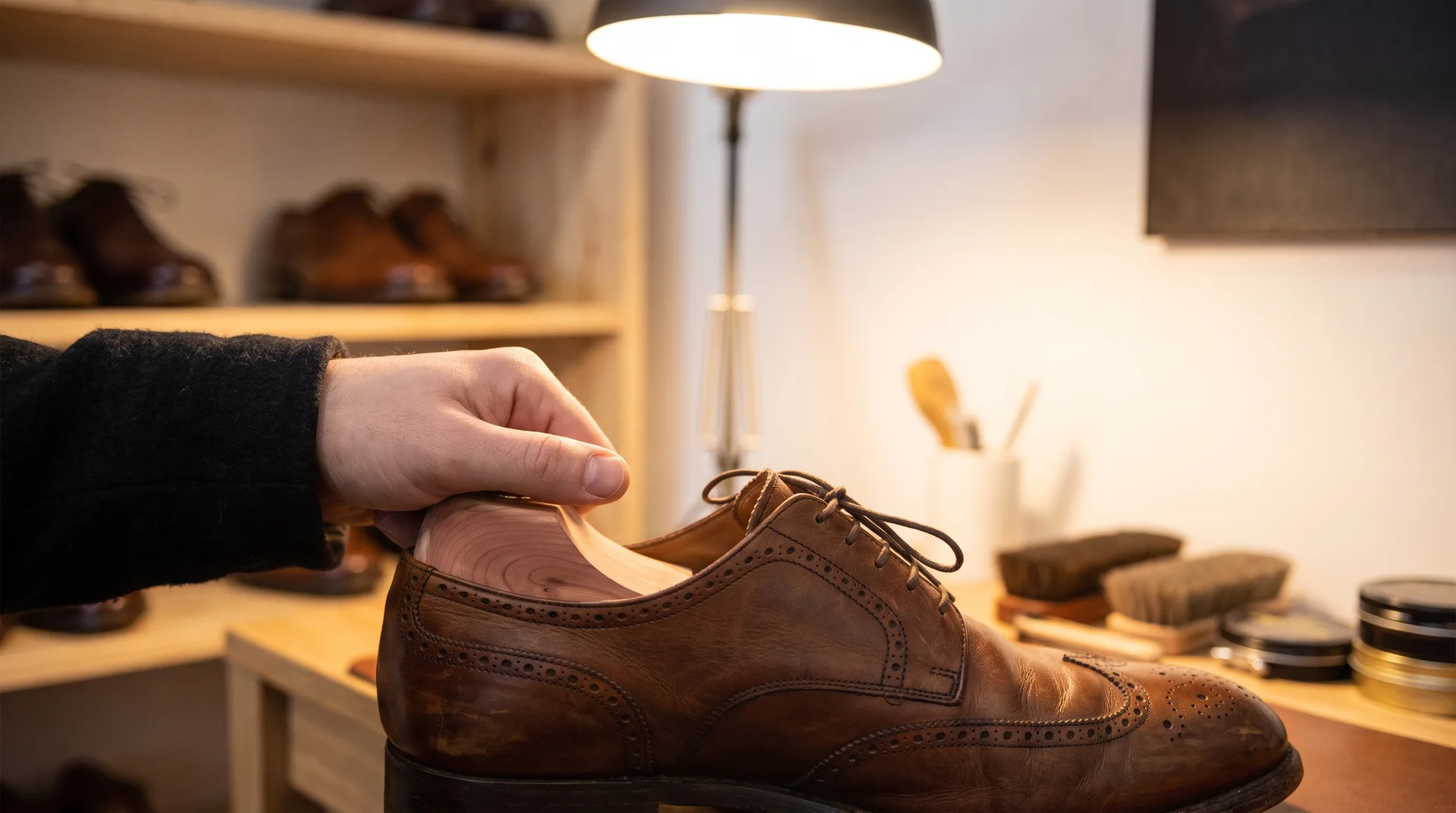
Natural materials like leather and suede are breathable. Therefore, they should not be stored in air-tight plastic bags or boxes. Such packaging traps moisture and leads to mold formation. To prevent drying and cracking of leather shoes, a suitable care cream or oil can be applied to their surface before long-term storage. Suede products, being more sensitive to moisture and staining, should be protected with water-repellent sprays and always kept in a dry environment. Bulkoon’s approved suppliers generally package their products to protect against such risks, but maintaining this care in long-term stock is the buyer’s responsibility.
Storage of Synthetic and Textile Materials
Sports shoes made of canvas, mesh, or other synthetic fabrics, such as those found in women’s sports shoes, tend to absorb odors more easily. Hence, storing them in well-ventilated areas is important. Furthermore, these materials can experience fading when exposed directly to sunlight or strong artificial light and should therefore be stored in light-protected boxes or shelves. Synthetic leather (PU) materials can lose flexibility and crack in excessively hot or cold environments, so temperature control is also vital for this product group.
Impact of Inventory Turnover Rate and Season Management on Profitability
Financial management of stock is as important as physical care. Every product waiting in the warehouse is actually your business’s tied capital. How fast you can convert this capital into cash-that is, your inventory turnover rate-is one of the key indicators of profitability. This issue becomes even more critical in footwear sectors with high seasonality.
Proactive Management of Seasonal Stock
It is inevitable for summer sandals to take up space in winter or winter boots to occupy the warehouse during summer. However, the key is to store these products undamaged and without losing value until the next season. End-of-season discounts or special campaigns to clear slow-moving stock accelerate cash flow and free up space for new season products. Digital platforms like Bulkoon can serve as effective channels to reach new buyers in different geographies or customer segments for your leftover end-of-season stock. The platform’s ready stock only principle enables buyers to focus on products that are immediately available and deliverable.
Maintaining Assortment Integrity and Size Distribution
The value of a model in wholesale footwear trade usually depends on the integrity of its assortment, meaning having a full size run. Damage to or loss of a few sizes during storage reduces the sales potential of the entire series. For example, if sizes 37 and 38 become unsellable due to mold in a women’s shoe series ranging from sizes 36 to 40, the remaining sizes become more difficult to sell individually. Therefore, inventory management must carefully track not only the total pairs but also the size distribution of each model. This reduces shrinkage rates and prevents capital from being tied up in individual, hard-to-sell sizes.
Inventory Tracking and Optimization with Digital Tools
In modern retailing, physical stock management is unthinkable without digital tools. Leveraging technology helps you manage inventory more efficiently, reduce errors, and make strategic decisions. This increases operational efficiency and saves time and costs.
The Role of Inventory Management Systems
Barcode systems and inventory management software enable you to track in real time when a product enters the warehouse, how long it has been in stock, and its location. This data helps identify slow-moving products and allows for proactive actions such as promotions or returns. Regular digital and physical counts confirm record accuracy and prevent potential losses. These systems also help you plan your orders for the next season more precisely.
Facilitating Stock Management with Bulkoon
B2B marketplaces like Bulkoon not only offer buyers a wide product range but also streamline supply processes. Among the 10,000+ model options on the platform, you can find everything from daily men’s shoes to the latest trends. The fact that all suppliers are approved guarantees product quality and reliability. Moreover, platform advantages such as fast and free shipping support the delivery of your ordered products to your warehouse promptly and in optimal condition. This allows you to focus more on your own inventory management process. You can review the details of how the process works on the How It Works page.
Conclusion: Quality Inventory Management Is the Key to Sustainable Success
For wholesale footwear buyers and retailers, inventory management is much more than a background operation; it is a strategic function that directly shapes brand image, customer loyalty, and ultimately profitability. Storing your products under the right conditions in the warehouse prevents shrinkage, reduces return rates, and ensures you always offer your customers products of the highest quality. Such care strengthens your business’s credibility in the market and lays the foundation for long-term success.