Top 10 Most Profitable Footwear Models for 2026

Success in footwear retailing depends not only on following current trends but also on strategic and profitable product selection. This analysis for 2026 covers the footwear models with the highest margin potential and the wholesale purchasing strategies needed to realize this potential. Discover models and sourcing processes that will increase your store’s profitability.
Preparing for 2026 in footwear retailing, selecting the models to showcase in your display is not only a matter of taste but also a strategic profitability calculation. Rapidly changing consumer expectations and market dynamics make it critical to forecast which shoes will yield the highest margins. This guide examines the top 10 model categories poised to generate the most profit in the upcoming period, based not only on aesthetic trends but also on sales potential, production costs, and consumer demand analyses, as well as ways to source these models most efficiently.
Sports and Casual Models Offering High Margin Potential
A lifestyle focused on comfort keeps the sports and casual footwear segment at the top in terms of profitability. However, competition in this area requires focusing on the right subcategories. Consumers now seek not only comfort but additional values such as versatility and conscious production. Models that meet these expectations offer higher pricing and thus better profit margin potential compared to standard sports shoes.
In upcoming seasons, models incorporating technological fabrics and innovative sole designs will stand out. For buyers, this means that when selecting suppliers, attention should be given not only to design but also to the quality of materials used and production technology. Footwear categories like Women's Sports and Men's Casual available on platforms such as Bulkoon offer a chance to explore this diversity from a single source.
Hybrid Sneakers: A Blend of Comfort and Style
Hybrid sneakers combine the comfort and technology of athletic performance shoes with stylish designs suited for casual or even semi-formal wear. Featuring running shoe soles but uppers made from more classic materials like suede or leather, these shoes appeal to a wide customer base. Their versatility-wearable from office environments to weekend activities-makes them highly attractive. This versatility increases stock turnover speed, directly impacting profitability.
Sustainable Material Casual Shoes
Rising consumer awareness fuels demand for shoes made from sustainable and eco-friendly materials. Models produced using innovative materials such as recycled plastics, organic cotton, mushroom leather, or pineapple fiber create a strong appeal especially for young and conscientious consumers. Although these products typically have higher costs than standard models, the consumers’ willingness to pay a premium for this value proposition provides retailers with healthy profit margins. This niche market can be a significant revenue source with proper positioning.
The Rise of Classics: Maximizing Profit with Timeless Designs
No matter how fast fashion cycles move, some shoe models remain timeless. Classics are always in demand and generally less affected by seasonal discounts, making them safe investments. These models form the core of a store’s collection, ensuring steady revenue flow. Modernized versions of these classics in 2026 will attract both traditional and contemporary customers, increasing profit potential.
Success in this category hinges on quality and detailed craftsmanship. Good stitching, high-quality leather or suede, and durable soles distinguish these shoes from fast fashion items. When purchasing wholesale, paying close attention to the supplier’s material information and production standards guarantees customer satisfaction and long-term profitability. Such timeless pieces usually have lower return rates, reducing operational costs.
Modernized Loafers and Ballet Flats
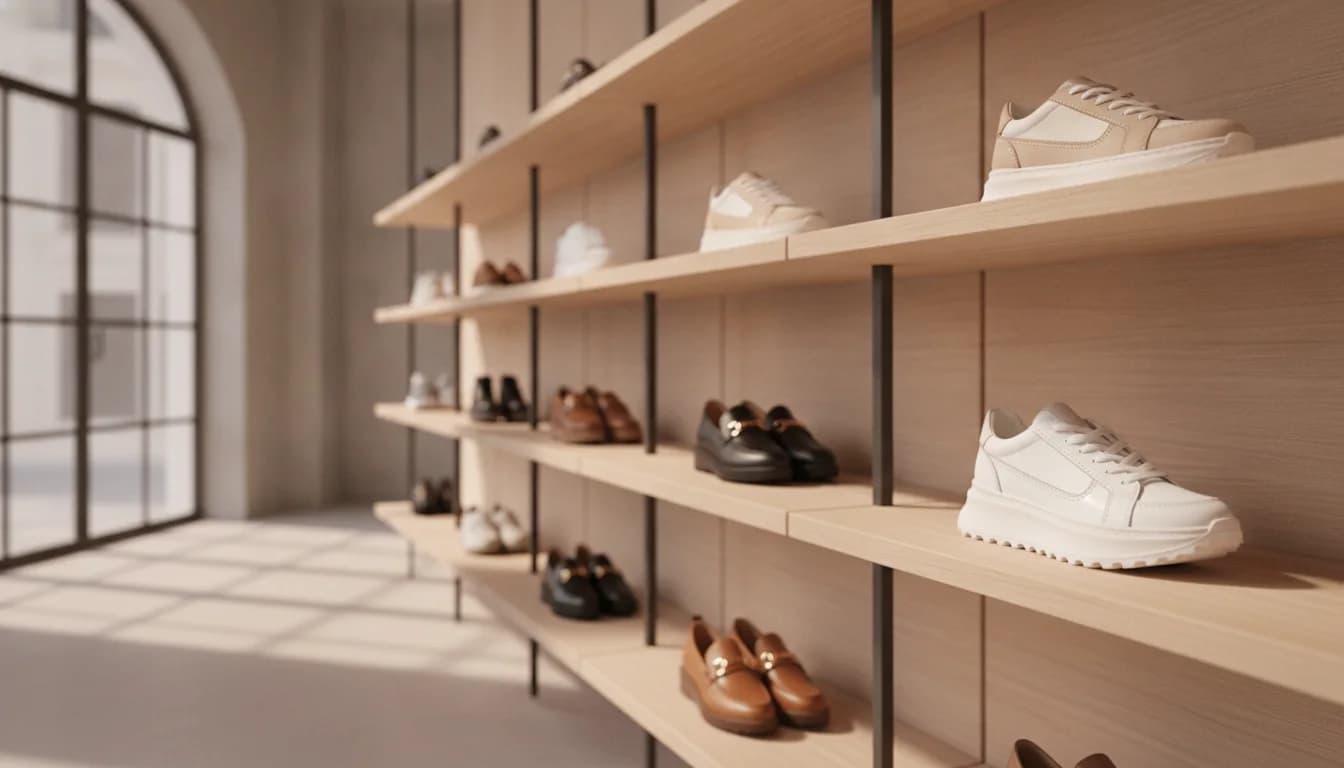
Loafers and ballet flats are indispensable classics that combine comfort and elegance. The 2026 trends inject new life into these models. Updated Women's Loafers feature chunkier, more assertive soles, metal accessories, and various color and texture combinations, appealing to both younger and mature demographics. These subtle design touches transform a classic silhouette into a trendy piece, increasing perceived value and retail price.
Minimalist Leather Boots and Shoes
Leather boots, staples of autumn-winter seasons, maintain profitability with minimalist designs. Ankle boots and knee-high boots crafted from quality leather with clean lines and stripped of unnecessary details are wardrobe essentials. Their sales potential stems from their timeless designs. For retailers, this means products that can sell over multiple seasons with lower stock risk.
Special Occasions and Office Elegance: In-Demand Heels and Formal Models
With social life and returning to offices picking up, demand for shoes designed for special occasions and professional settings is rising again. This segment, often carrying higher price points, represents an important profit margin source for retailers. Consumers pay closer attention to quality and design when investing in shoes for weddings, graduations, or important business meetings.
When selecting products in this category, balancing comfort and aesthetics is crucial. Particularly for office shoes worn all day or models chosen for long events, comfort is as decisive as style. Brands and models offering this balance increase customer loyalty and repurchase rates.
Block Heel Shoes and Sandals
Block heels combine the elegance of stilettos with greater balance and comfort, appealing to a broad audience. Popular in both Women's Heeled Shoes and sandal forms, these models facilitate an easy transition from day to night. Offered in various heights and materials, block heels provide options for every style and need, enhancing sales potential. They see particularly high demand during summer and transitional seasons, making them profitable inventory items.
Elegant Stilettos and Platforms
Classic Women's Stilettos continue to symbolize elegance and femininity. These models, complementing evening wear and special events, always attract a certain customer segment. Meanwhile, platform heels are making a comeback influenced by 70s and 90s fashion. Platforms lengthen height and reduce the incline compared to skinny heels, offering a more comfortable alternative with the potential to reach a broader audience.
Wholesale Purchasing Strategies That Directly Affect Profitability
Choosing the right models is only part of the equation. Maximizing profit from these models requires smart wholesale purchasing strategies. Profitability is not just the difference between buying and selling prices but is also directly linked to operational efficiency factors like inventory management, size distribution, and supply timing. Wrong strategies can make even the most popular models unprofitable.
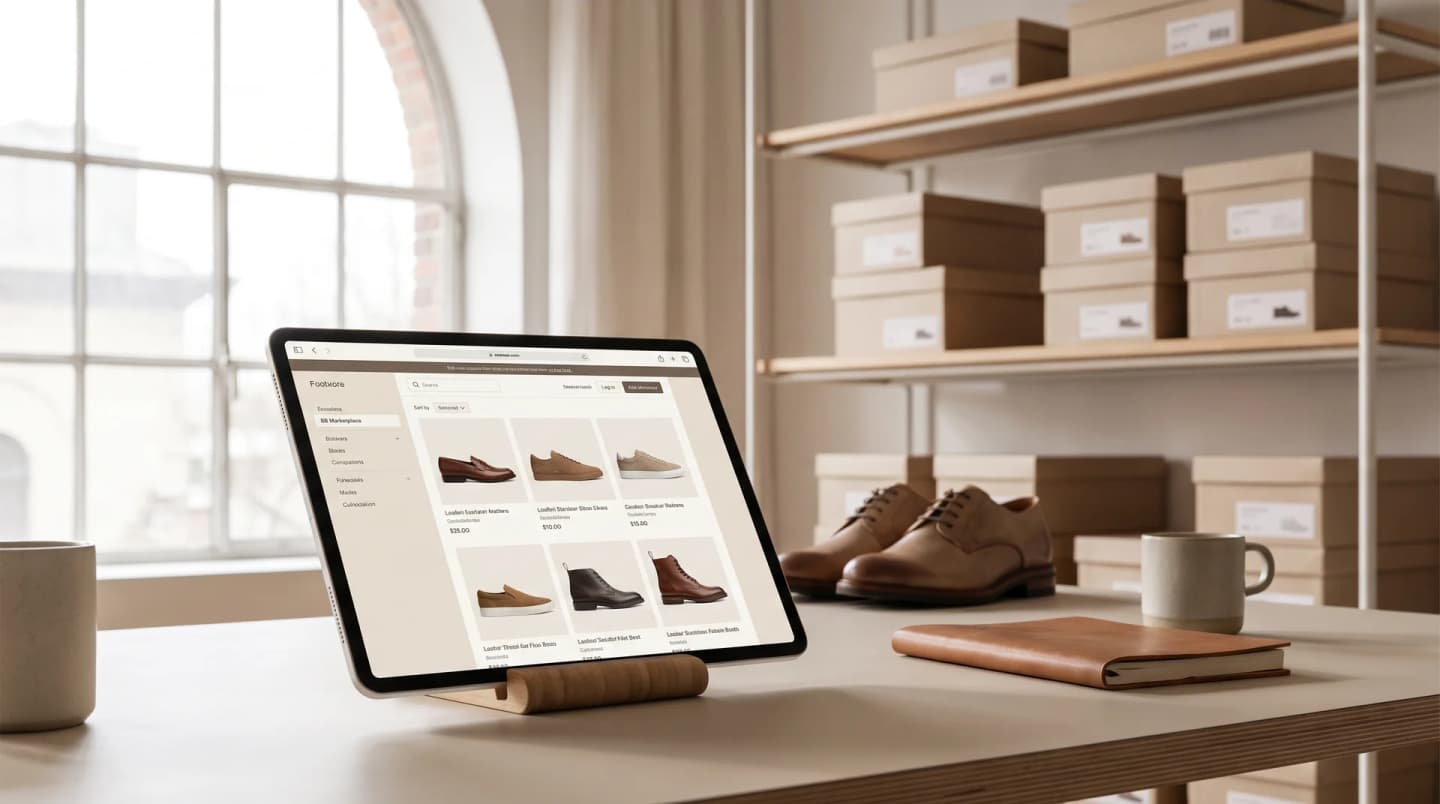
Digital wholesale platforms provide powerful tools to optimize these strategies. For example, Bulkoon lists only ready stock products, enabling retailers to source goods quickly based on demand without waiting for long production periods. This reduces the risk of tying up capital unnecessarily in inventory and improves cash flow.
The Importance of Correct Assortment and Size Distribution
In wholesale footwear, an "assortment" or "size run" refers to a package containing different sizes of a single model. Choosing the correct assortment is a fundamental pillar of profitability. It is critical to analyze your store’s customer profile and geographical location to understand which sizes sell faster. For example, sizes 37-38 may sell out quicker in areas with a young population, while sizes 39-40 may be in higher demand in regions with different demographics. Incorrect size distribution can leave single unsold sizes at the end of the season, forcing you to sell at loss. This scenario, called "dead stock," erodes profit margins.
Season Management and Inventory Turnover Rate
Inventory turnover rate measures how quickly your stock sells and converts to cash. A high turnover rate indicates a healthy business and efficient capital use. A profitable model is one that sells quickly rather than sitting long on shelves. Instead of stocking large quantities of seasonal products like boots or sandals well before the season, placing smaller and more frequent orders based on actual demand during the season might be wiser. Bulkoon’s advantage of only ready stock models and fast shipping offers retailers exactly this flexibility to minimize stock risk.
Supplier Selection and the Role of Digital Wholesale
The final link to building a profitable collection is working with the right suppliers. A reliable supplier not only offers quality products but also becomes a partner in timely delivery, consistent quality, and transparent communication. Choosing the wrong supplier may lead to delayed shipments, poor-quality products, and returns, wiping out your entire profit potential.
Traditional wholesale purchasing methods required working with a limited number of suppliers due to travel and time costs. However, digital B2B platforms eliminate these barriers. Retailers can now access thousands of models from hundreds of manufacturers from their location, compare prices, and make the best decisions. This translates into competitive advantage and higher profit margins.
Access to a Trusted Supplier Network
One of the biggest advantages of digital platforms is supplier verification processes. For example, all sellers on Bulkoon are chosen from approved suppliers. This allows buyers to trade confidently without the risk of fraud or poor-quality products. Access to a broad network of over 100 manufacturers and wholesalers increases your chance to find products with the best price-quality balance for your store. You can understand the process better by checking How It Works.

Using Platforms for Data-Driven Decisions
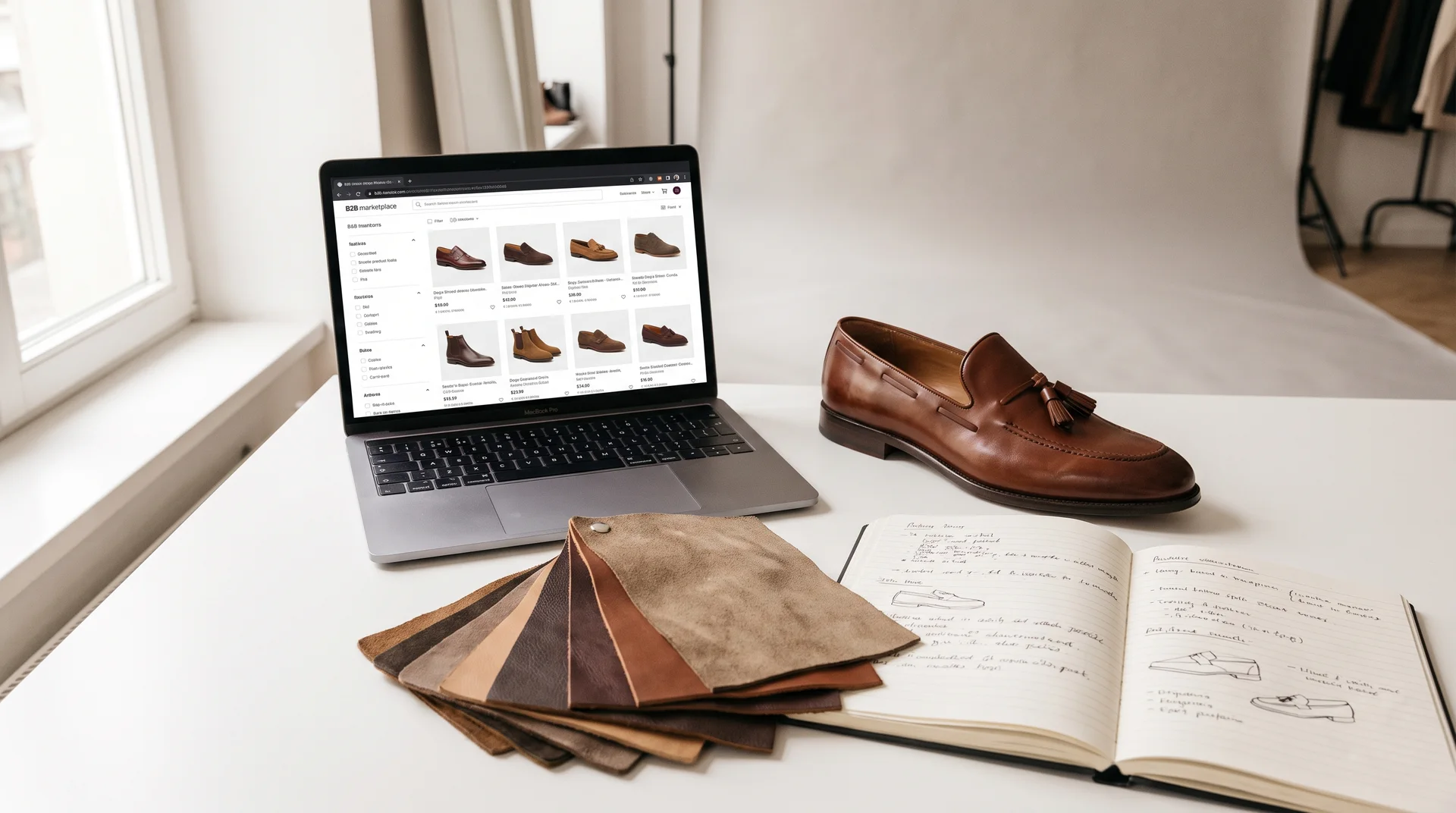
Modern wholesale platforms don’t just showcase products; they also provide data that facilitate decision-making. Categories like popular models, new arrivals, or flash deal items help you keep your finger on the market pulse. Bulkoon’s selection of 10,000+ models and detailed filtering features allow you to find the exact product you want in seconds. This efficiency saves you time on market research, letting you focus your energy on other critical tasks like sales and marketing.
Investing in the Future: Building a Profitable Collection for 2026
Maximizing profitability in footwear retail in 2026 does not rely on a single magic formula. Success comes from understanding market trends, leveraging the power of classics, and-most importantly-sourcing these products through smart and efficient wholesale purchasing strategies. The winners of the future will not be only those selling beautiful shoes but those who get the business math right.
In this process, utilizing digital tools and platforms is no longer optional but mandatory. With the right business partners and technology, it is possible to build a collection for your store that both your customers will love and that will profit your business. Remember, every model choice is a strategic step toward profitability.
Balancing Trends and Classics
Distribute your risk by including both the newest hybrid sneakers and timeless leather boots in your collection. Trendy products offer high margin potential, while classics provide steady cash flow. This balance makes your business more resilient to seasonal fluctuations and allows you to appeal to different customer segments simultaneously.
Understanding Customer Expectations
The most profitable model, ultimately, is the one your customer is looking for and willing to purchase. Listening to customer feedback, analyzing sales data, and understanding local market dynamics will help you make the best inventory decisions. A successful collection results from perfect alignment between market demand and what you offer.