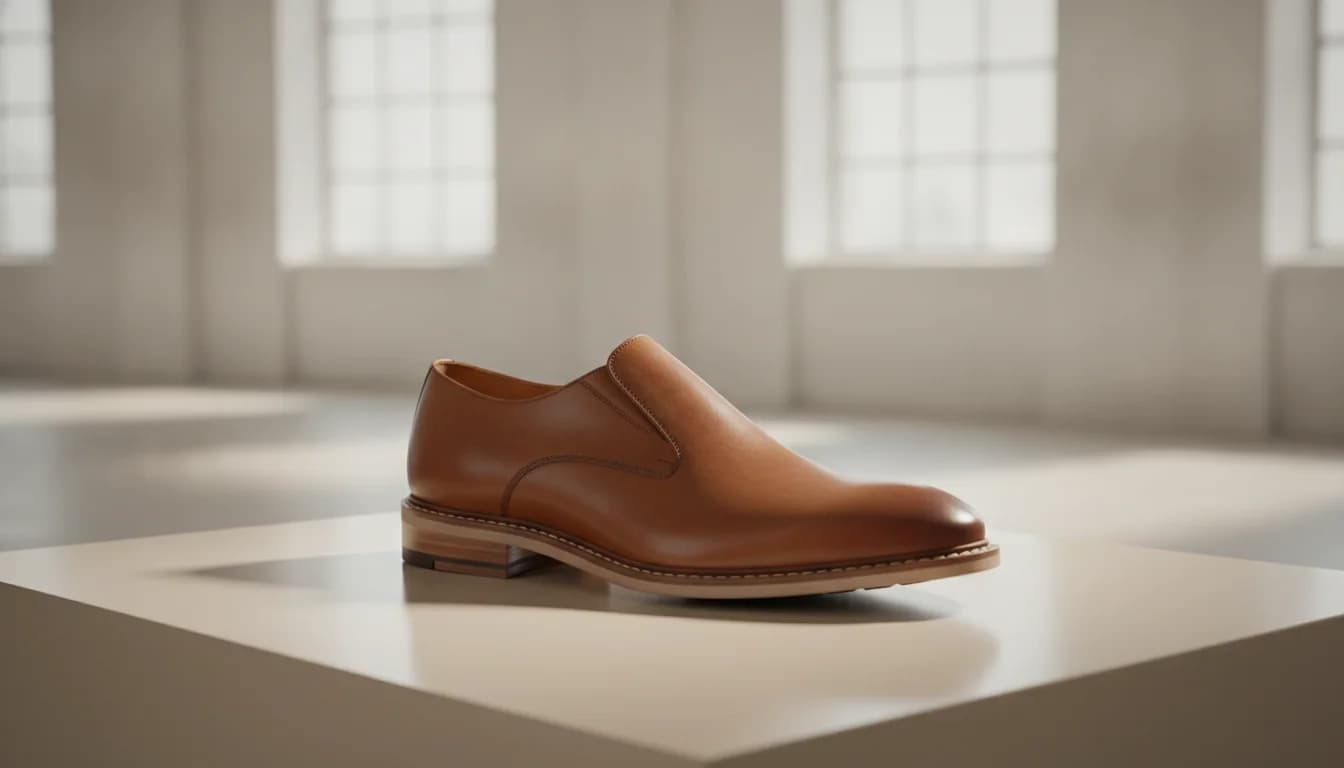
Ways to Look Like a Big Brand with a Small Capital
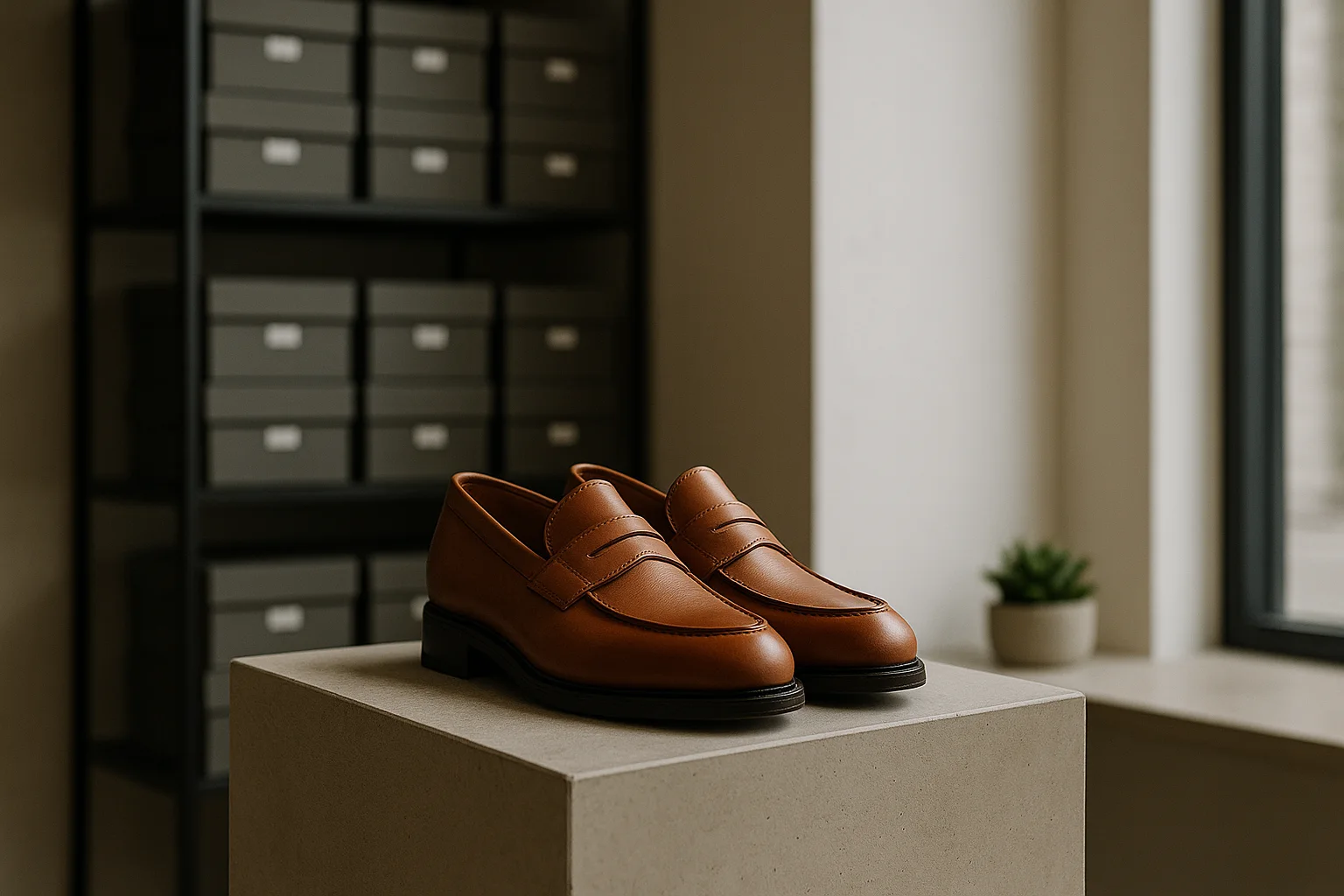
Creating a professional store perception does not require large budgets. Discover how boutiques with limited capital can build a strong brand image through strategic steps like logo, packaging, store layout, and customer communication.
Competition in the retail sector does not rely solely on product price and variety. The brand perception you create in the customer's mind is one of the most fundamental pillars of long-term success. Many new entrepreneurs worry, thinking that creating the glossy image that big brands have requires huge marketing budgets. However, in reality, creating a professional and trustworthy brand identity is more about strategy, consistency, and attention to detail than budget. With the right steps, a shoe boutique starting with a small capital can still leave an impression strong enough to compete with industry giants.
A Strong First Impression: Logo and Visual Identity
Your brand’s visual identity is the first and quietest form of communication you establish with customers. A professionally designed logo, color palette, and typography instantly convey your business’s values, quality, and target audience. These elements create a consistent language at every point, from your store window to social media posts, increasing brand recognition and building trust in the consumer's mind.
The Importance of Professional Logo Design
The logo is the signature of your brand. It does not need to be complicated or expensive; rather, a simple, memorable design that reflects the spirit of your business is often the most effective. Free or low-cost online design tools can offer a solution at the start, but having a logo in vector formats (SVG, AI, EPS) is critical for your brand’s scalability. These formats enable your logo to be used at any size, from business cards to large signs, without loss of quality. Your logo should present the same professional appearance on shoe boxes, your website, and shopping bags.
Color Palette and Typography Choice
Colors directly affect emotions and perceptions. For example, black, gold, or dark navy tones are preferred for a luxury and sophisticated perception, while vibrant colors can be used for a more dynamic and youthful brand. Choose a palette consisting of 2-3 primary colors and a few complementary colors, and adhere to this palette in all your communication materials. Similarly, selecting one or two readable fonts that align with your brand character reinforces visual unity. This consistency subconsciously signals to customers that your business is organized and reliable.
These elements, forming the foundation of your visual identity, are investments that strengthen brand perception without requiring large expenses. A consistent visual language instantly makes even a small business appear more corporate and established.
Store Experience: Your Physical and Digital Showcase
Every interaction point where the customer engages with your brand is an experience touchpoint. Whether the moment they walk through your physical store door or visit your website or social media profile. Even with a low budget, making these spaces professional and inviting is vital for customer loyalty and brand image. The key is for both your physical and digital showcases to tell a coherent story.
Low-Budget Store Layout Ideas
The atmosphere of a physical store directly affects the perceived value of the products. Instead of expensive decorations, focus on smart solutions. For example, correct lighting highlights products and adds warmth to the space. Using spotlights to emphasize specific women’s high heels models makes them more attractive. Cleanliness and organization do not cost money but clearly show professionalism. Organizing products by categories (e.g., sports, classic, sandals) or colors helps customers easily find what they seek and gives your store a neat appearance. You can create a unique atmosphere with minimalist shelves, second-hand stylish furniture, or creative do-it-yourself solutions.
Strengthening Your Online Presence
Your website and social media accounts, your digital showcase, represent your brand’s online identity. Setting up a professional e-commerce site is no longer as costly as before. But even more important is that these platforms are clean, user-friendly, and mobile compatible. Your product descriptions should be clear, informative, and aligned with your brand’s tone. Regularly sharing high-quality images on social media, engaging with followers, and responding quickly to inquiries builds an accessible and trustworthy brand identity. Do not forget to consistently use your brand colors and logo across all digital platforms.
A consistent and meticulous experience presented both physically and digitally strengthens customer trust in your brand. Small improvements in these areas can be more effective than large-budget advertisements.
Product Presentation and Packaging: Professionalism in the Details
A customer’s decision to purchase a product is influenced as much by the way the product is presented as by the product itself. Professional product photography and careful packaging highlight the quality of your products and increase brand value. These two elements play a critical role, especially in e-commerce, where the customer’s first physical or visual contact with the product is established. With small touches, you can make a big difference in these areas.
The Secrets of Quality Product Photography
If hiring a professional photographer exceeds your budget, you can set up your own studio for good results. What you need: a good smartphone camera, a tripod, a white background (cardboard or fabric), and natural daylight. Shoot products from different angles and take macro shots focusing on details like stitching, material texture, and sole structure. Ensure the background of your photos is clean and free from distracting elements. Using the same lighting and editing style across all your photos creates professional unity in your online catalog. For example, when showcasing a chic women’s loafer model, use images that clearly demonstrate the shoe’s form and material quality to increase sales potential.
Creating an Unforgettable Packaging Experience
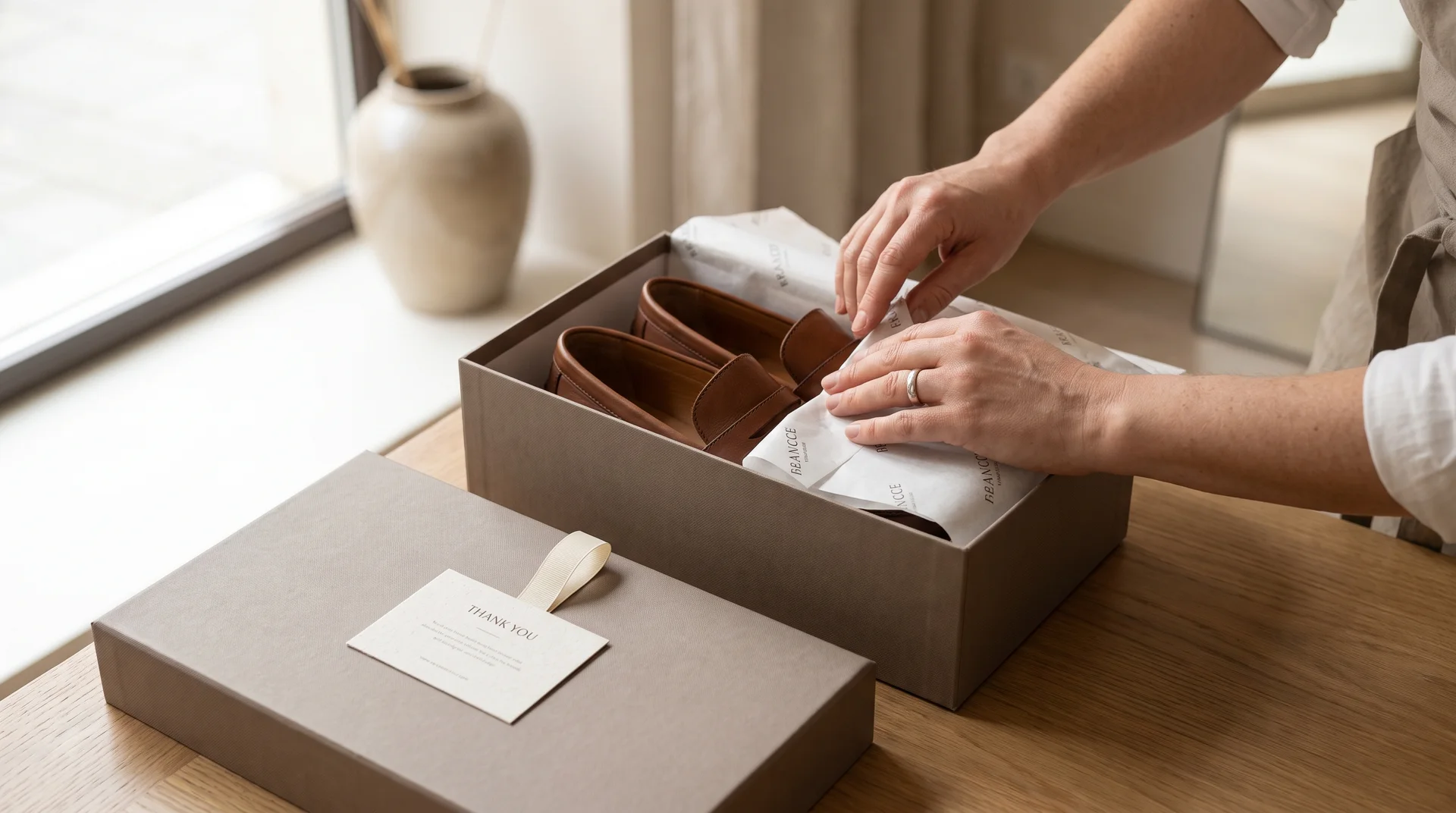
Packaging is the first physical experience a customer has with your brand after purchase. Instead of a standard shipping bag, using a box or sticker featuring your brand logo immediately creates a more professional impression. This does not require huge costs. Branded tissue paper, a small thank-you card, or a stylish tag attached to the product makes the customer feel special. This “unboxing” experience can encourage customers to share about your brand on social media, providing free marketing for you. Make sure your packaging is clean, sturdy, and protects the product well.
The way you display and package your products shows the importance you place on quality. This attention to detail differentiates your brand from competitors in customers’ eyes and lays the foundation for building loyalty.
Communication Style and Customer Relationship Management
How your brand talks is as important as what you sell. The language, tone, and speed of your communication with customers define your brand’s character and build trust. Adopting a consistent, professional, and sincere communication style across all channels, from social media to emails, phone calls to face-to-face interactions, is a powerful tool that can make small businesses look like big brands.
A Consistent Brand Voice on Social Media
Your brand should have a personality. Is it playful or sophisticated? Friendly or more formal? Once you decide, maintain this voice in all your social media posts, product descriptions, and customer review responses. Instead of focusing solely on selling products, also provide content that interests your target audience (for example, shoe care tips, outfit suggestions). This turns your brand from just a sales channel into a community and a trusted resource. Paying attention to spelling and grammar rules is a simple yet effective detail that reinforces your professional image.
Turning Customer Feedback into Opportunity
Every business occasionally receives negative feedback. What matters is how you approach it. Responding quickly, transparently, and with a solution-focused attitude to complaints or negative comments increases trust in your brand. Potential customers who see you making an effort to resolve issues understand how much your business values customer satisfaction. Positive feedback can be used as social proof through thanks and permission. This dialogue with your customers shows that your brand is not just a product seller but also a caring and responsible business.
Strong customer relationships are among the most effective marketing methods. A consistent and attentive communication strategy is an invaluable investment that requires no budget but creates brand loyalty.
Supply Chain: Supporting Brand Image with Reliable Partners
Your brand image is not limited to the visible face to customers. Behind the scenes, the strength and reliability of your supply chain directly affect your ability to fulfill brand promises. Being able to offer quality products consistently and on time forms the foundation of customer trust. Working with the right suppliers allows even a small business to appear operationally large and professional.
The Impact of Choosing the Right Supplier on Brand Perception
The quality of the product you offer the customer represents your brand’s quality. Low-quality or defective products can undermine even the best marketing efforts. Therefore, supplier selection is a strategic decision. Platforms like Bulkoon offer businesses the opportunity to work with approved suppliers, minimizing this risk. A reliable supplier not only provides quality products but also protects your brand’s reputation in terms of stock reliability and on-time delivery. Being able to offer consistently in-demand models instead of saying “out of stock” creates a professional and trustworthy business perception.
Creating a Dynamic Brand with Product Variety
Continuously offering your customers new and trendy products keeps your brand dynamic and current. Instead of relying on a single supplier, working with multiple manufacturers specializing in different styles enriches your collection. A large catalog like Bulkoon’s 10,000+ model options allows you to create a unique and eye-catching assortment for your boutique. For example, alongside classic men’s sports shoes, you can add niche products that are the season’s trend to appeal to different customer segments. This variety positions your store as a style destination rather than just an ordinary shoe retailer.
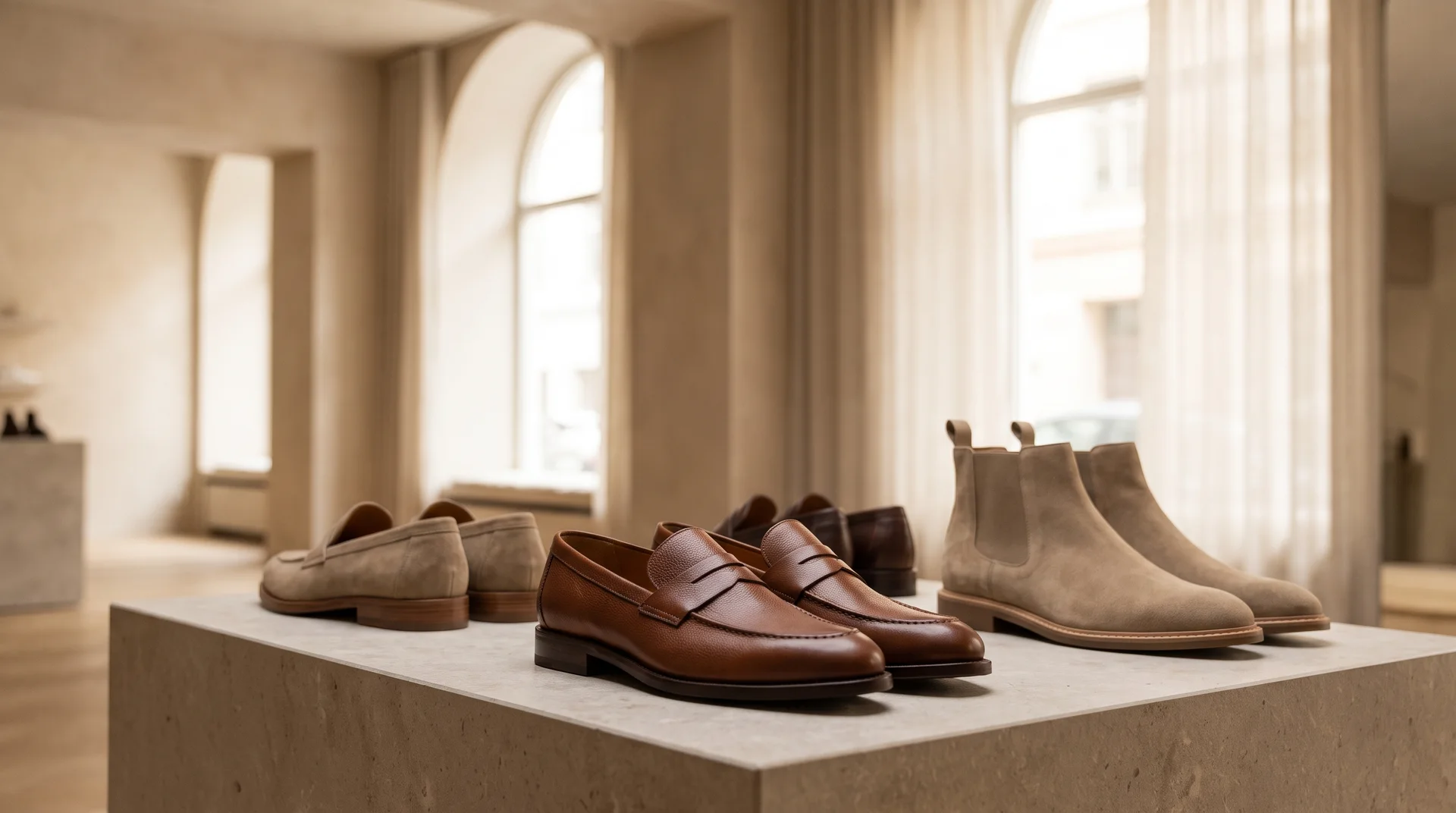
A solid supply infrastructure is an invisible force that supports your brand image. Your capacity to offer quality products and rich variety directly affects your business’s market position and value in customers’ eyes.
Becoming a Big Brand with Small Steps
Looking like a big brand is not synonymous with having a large budget. The key to success is consistency, attention to detail, and presenting a professional stance at every customer touchpoint. Every strategic step you take-from a strong visual identity to careful packaging, consistent communication style to reliable supply chain-strengthens your brand perception and builds customer loyalty. These elements require vision and effort more than capital.
Remember, every big brand was once small. What sets them apart is their investment in brand identity from the very start and their pursuit of quality in every detail. By adopting these principles and working with the right partners like Bulkoon, you too can make a big impact in the retail world with your small capital. For more tips on your brand journey, keep following our blog page.