What Happens in the Footwear Industry When a Product Goes Viral?
The sudden popularity of a footwear model is both a major opportunity and a significant challenge for wholesale buyers and manufacturers. We explore the multifaceted effects of a viral product on the footwear industry, from supply chain pressure and inventory crises to the threat of counterfeits and pricing dynamics.
A social media post, an unexpected celebrity endorsement, or a single scene in a film series... Sometimes this is enough for a footwear model to become a sold-out phenomenon within weeks. While rapidly emptying shelves excite retailers, this sudden surge in demand triggers a complex series of events throughout the supply chain affecting everyone from manufacturers and wholesalers to store owners. If this process is not managed properly, it can lead to missed profit opportunities or, conversely, leftover stock once the trend fades. So, what exactly happens behind the scenes when a shoe goes viral?
The Anatomy of a Viral Wave: How Does Demand Explode?
The birth of a viral product is usually unpredictable and beyond control. Unlike traditional marketing channels, this process occurs organically and at a dizzying speed. Consumers suddenly seeing a model as a "must-have" is often the result of interactions on digital platforms. Understanding how this wave starts plays a critical role in determining how quickly wholesale buyers and brand owners can respond and strategize.
The Role of Social Media and Influencer Impact
Today's most powerful demand driver is undoubtedly social media. Especially visual-oriented platforms like TikTok and Instagram can put a shoe model on millions of potential buyers' screens within hours. An influencer wearing a certain sneaker, users starting a trend by sharing their own combinations, or a simple "product review" video unexpectedly getting high views can be the initial spark that ignites demand. This impact is not limited to a young audience alone; models reflecting a specific aesthetic or lifestyle can quickly motivate consumers of all ages.
Sudden Shift in Consumer Behavior
The psychology behind virality is largely related to the "fear of missing out" (FOMO). Consumers desire the social status gained by owning a popular product and the feeling of belonging to a community. When they see the product quickly selling out or stock running low, their purchasing decisions shift from rational needs analysis to instant impulses. This situation leads to sharp demand buildups at retail points, which instantly reflect back to wholesalers and manufacturers via chain reactions. Stores begin to place orders much faster and in larger volumes than usual to meet this demand.
The Shockwave in the Supply Chain
The enthusiasm on the retail side can turn into a crisis in production and logistics. Footwear manufacturing is not flexible enough to respond instantly to sudden demand spikes. Planned production schedules, raw material procurement timelines, and labor capacity face a serious test against the sudden pressure from a viral product. This shockwave is felt at every stage of the supply chain and threatens operational efficiency.
Production Capacity and Raw Material Pressure
A footwear manufacturer normally plans monthly production for a specific model. When viral demand arrives, this plan must multiply within weeks or even days. However, factories have physical capacity limits. Preparing new molds, rearranging production lines, and finding additional labor take time. More importantly, sourcing raw materials like special leather, fabric, soles, or accessories required by the shoe can suddenly become a bottleneck. Because raw material suppliers face a similar demand shock, prices may rise or delivery times extend.
Logistics and Distribution Challenges
Even if production keeps pace, delivering products on time to the right locations is another challenge. The import-export processes, customs procedures, and domestic transportation that normally take weeks may fall short against the urgency of a viral product. The slightest delay at ports or warehouses can result in missing the product’s peak popularity period. Wholesalers and distributors must immediately reorganize warehouse operations and shipping plans to fulfill urgent orders coming from hundreds of stores. Any disruption here leads to financial losses and customer dissatisfaction.
Opportunities and Risks for Wholesale Buyers and Stores
A viral product has the potential to change the destiny of a retailer or boutique. A business that adds the right product to its stock at the right time can achieve significant turnover growth and increase brand awareness. However, this opportunity is only one side of the coin. On the other side lie financial risks and operational headaches caused by wrong decisions. Therefore, wholesale buyers need to act calmly and strategically.
Fast Ordering and Inventory Management Strategies
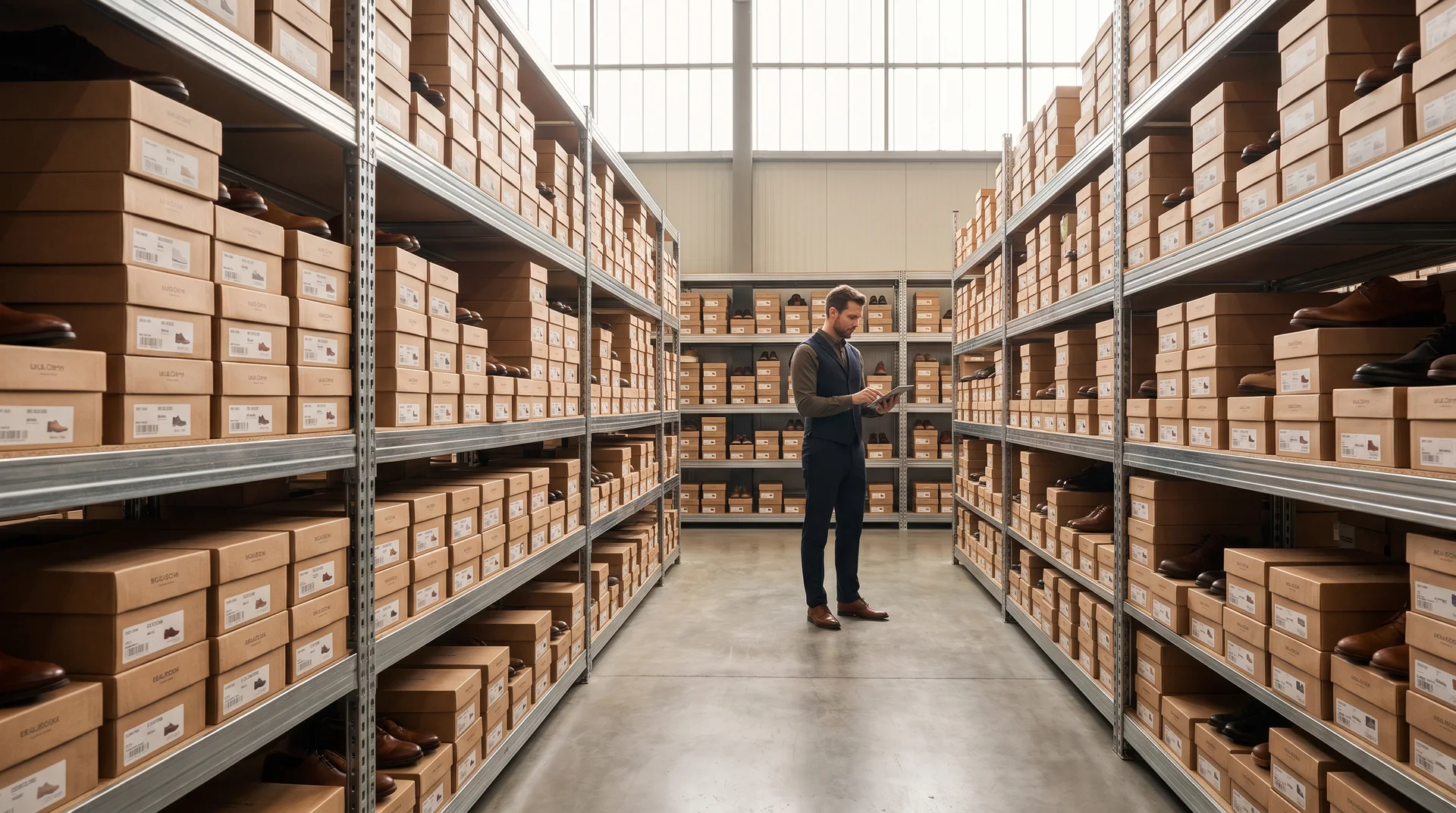
Faced with intense demand from customers, store owners may tend to panic and place large orders. At this point, having a reliable supply source is vital. For example, platforms like Bulkoon feature verified suppliers and list only products available in ready stock, allowing buyers to clearly see what they can obtain and when. This transparency eliminates the risk of wasting time on empty promises. Still, buyers must analyze the trend’s lifespan well. How long will a product remain popular? The answer to this question determines the stock risk to be taken.
Pricing and Profit Margin Dynamics
When supply cannot meet demand, prices naturally tend to rise. Some wholesalers or manufacturers may see this as an opportunity to increase prices. Retailers might also sell limited products at higher profit margins. While this strategy can be profitable short term, it may damage customer loyalty in the long run. Price hikes perceived as opportunistic can harm brand image. Therefore, balancing profitability with sustainable customer relationships is crucial.
The Inevitable Result of Viral Products: Counterfeiting and Quality Issues
As a product’s popularity grows, unfortunately so does the appetite of those who want to illegally capitalize on this popularity. Viral products are prime targets for counterfeit and fake manufacturers. This situation risks not only the reputation of the original brand but also consumer trust and the retailer’s business. The production pressure on the original manufacturer can also lead to declines in quality standards.
The Rise of the Counterfeit Market
Counterfeit producers can quickly copy a viral model and release it to the market. Typically using lower-quality materials and cutting corners on craftsmanship, they offer alternatives that look very similar but are much cheaper than the original product. This creates confusion in the market. Consumers may unknowingly buy fakes and associate their negative experiences with the original brand. For wholesale buyers, sourcing from unreliable suppliers risks legal issues and selling substandard products that damage their reputation.
The Original Manufacturer’s Quality Control Challenge
Even the original manufacturer pushing production speed to the maximum can struggle with quality control. Inspection and testing stages that normally take weeks may be rushed to avoid slowing the production line. This can increase defects such as sewing errors, material inconsistencies, or mold problems. Therefore, it is critical for wholesale buyers to ensure the reliability of their suppliers. Platforms like Bulkoon help minimize this risk by offering suppliers verified through a trusted network, enabling buyers to work directly with reliable brands and manufacturers.
Profitability and Stock Management: The Art of Managing Viral Trends
Turning a viral trend into profit is not just about quickly procuring the product. It also requires smart inventory and size-run management. Unlike traditional seasonal product planning, viral products demand a much more dynamic and unpredictable stock management approach. This becomes even more complex in footwear where sizes matter.
Assortment and Size Distribution Optimization
A standard footwear carton usually contains a size series like 36-40 or 40-44. However, the demand distribution of a viral product may not fit this standard series. For example, in a particular women’s sports shoe model, demand for sizes 37 and 38 might explode while others sell slower. Ordering a standard assortment in such a case causes popular sizes to run out immediately while others remain on the shelf. Wholesale buyers should negotiate with suppliers flexible assortment options or single size replenishments for popular sizes, directly impacting profitability. Identifying fast-selling sizes and ordering additional stock only for those improves stock efficiency.
Season and Stock Turnover Analysis
The lifespan of viral products is usually short. After peaking for a few weeks or months, demand can drop suddenly. Therefore, stock turnover rate is a critical performance indicator for these products. The goal is to sell all or most of the stock during the peak trend period. The longer inventory stays, the higher the risk of selling the product at a discount and incurring losses after the trend passes. These products should be thought of as short campaign items rather than six-month seasonal products. Ordering in small, fast-selling batches and replenishing as sold is generally a safer strategy than one large single order.
Standing Strong After the Viral Storm
Every viral trend ends eventually. The important thing is to ensure the business emerges stronger once the storm is over. The intense traffic and customer interest generated by a viral product can be converted into lasting benefits if managed properly. This process should be seen not just as a momentary sales success but also as an investment in the future.

Maintaining Customer Relationships
It is natural for customers who cannot get the product during stockouts to feel disappointed. To avoid losing these customers, keeping communication channels open is important. Informing them when stocks will be replenished, suggesting similar or alternative products (e.g., other popular models in the men’s sports shoe category), or creating priority notification lists for the next popular product helps maintain customer loyalty. A transparent and helpful attitude toward customers can turn a negative experience into a positive relationship.
Preparing for the Next Wave
Every viral experience provides valuable data and lessons for the next one. Which marketing channels were more effective, which customer segments responded faster, where the supply chain had breakdowns-all these should be analyzed. This experience is also an opportunity to strengthen relationships with reliable suppliers. Being better prepared for the next demand surge provides a critical competitive advantage. Exploring the next potential hit among Bulkoon’s 10,000+ model options and keeping a finger on the market pulse forms the foundation of a proactive approach.