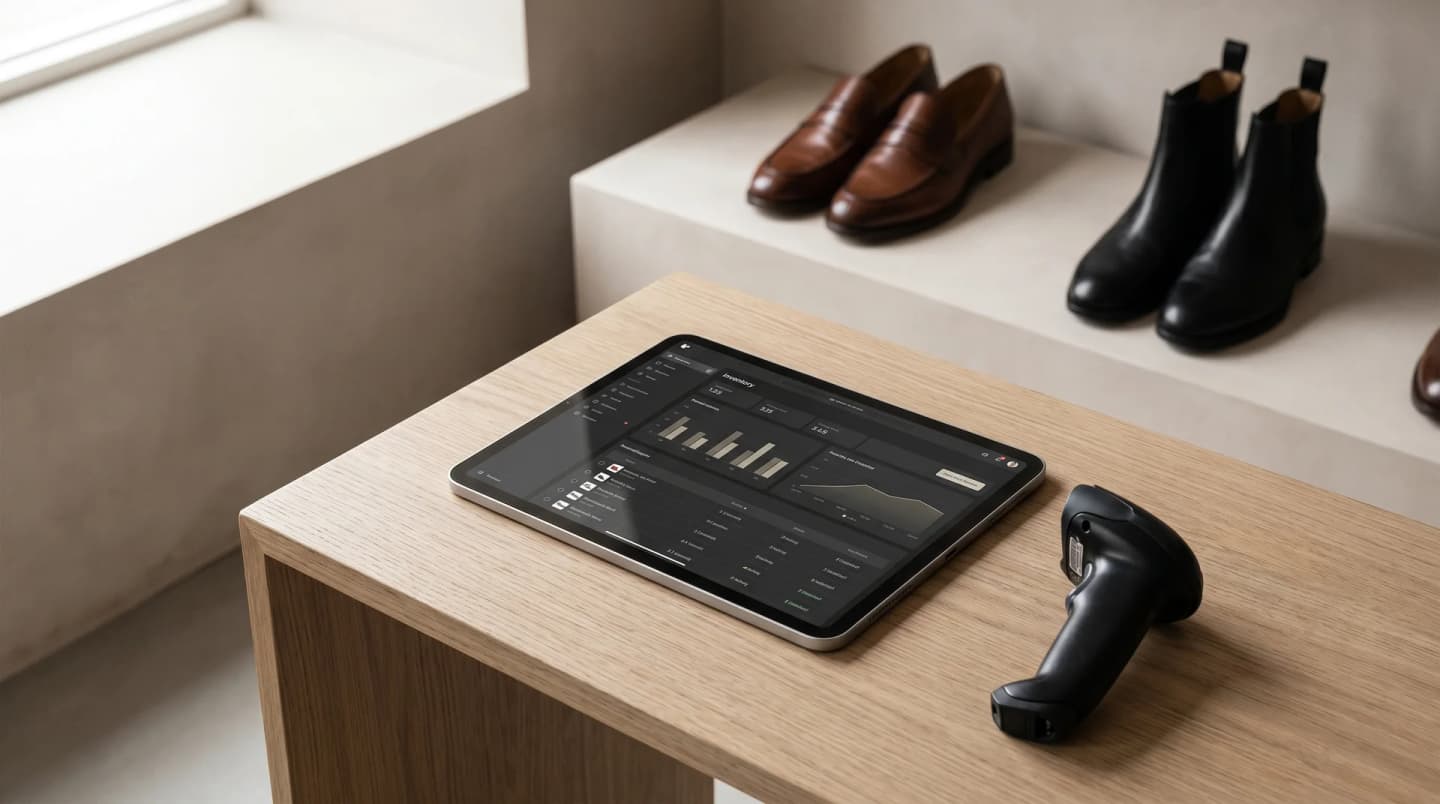
Why Are Stores Now Stocking Smaller But Smarter Inventories?

In retail, agile and data-driven strategies are replacing large warehouses. Discover the secrets of stores optimizing cash flow with more frequent, smaller orders while avoiding the financial risks of excess stock. This approach reduces storage costs, quickly adapts to trends, and boosts profitability.
In the past, retail success was often measured by the volume of products filling shelves and warehouses. However, in today's fast and competitive market, this understanding has fundamentally changed. Now, stores prefer smaller, smarter, and faster-turning inventories over massive stocks. This strategic shift is more than a necessity; it aims to preserve financial health, respond instantly to customer demands, and maximize profitability. The hidden costs and risks of large inventories push businesses to become more agile and data-focused.
Hidden Costs and Financial Risks of Excess Stock
High-volume orders that seem attractive at first glance in wholesale often bring unforeseen costs and financial pressures. Every unsold pair of shoes is not just a lost sale but also signals a series of hidden costs such as storage, insurance, and potential depreciation. Smart inventory management minimizes these risks, protecting the business's capital.
Storage and Operational Burdens
As stock quantity increases, the required storage space grows as well. This directly raises fixed warehouse costs like rent, utilities, security systems, and insurance. Additionally, managing a large inventory demands more manpower and time for counting, organizing, and preparing shipments. Especially storing seasonal products for the next year can cause physical wear and risk becoming outdated. These operational burdens silently erode profit margins per product.
Impact on Cash Flow and Capital Trap
For businesses, cash flow is like blood circulation. Every penny stuck in unsold products essentially becomes "dead capital." This capital cannot be used for marketing campaigns, hiring new staff, technology investments, or unexpected expenses. Excess stock restricts financial flexibility and traps the business's capital. For new boutiques especially, this means missing growth opportunities and financial constraints. Maintaining the right stock level is critical for healthy cash flow.
Fundamentals of Smart Inventory Management in Footwear Retail
Inventory management in a category like footwear, with diverse sizes and colors, is more complex than general retail. The key to success is not only stocking popular models but also accurately forecasting the correct size distribution and seasonal demand. This section focuses on two essential concepts crucial for shoe stores: assortment and stock turnover rate.
The Importance of the Right Assortment and Size Distribution
In wholesale footwear, an "assortment" or "size run" refers to a standard package containing different sizes of a model. For example, a standard size run of a women's stiletto model may include sizes from 36 to 40. However, smart inventory management starts with recognizing that not every customer is the same. Your store's customer profile affects demand for specific sizes. Maybe sizes 37 and 38 are more popular among your customers, while sizes 36 and 40 move slower. Analyzing your sales data to identify these trends helps prioritize certain sizes in your next order. This approach minimizes the risk of leftover "broken size runs" that cause losses.
Seasonal Cycles and Stock Turnover Rate
Stock turnover rate is a critical metric showing how many times your inventory is completely sold and replenished within a certain period. A high turnover rate indicates that your products are in demand, your capital is efficiently used, and your stock remains fresh. In footwear, this rate varies by product category. For example, stock turnover for summer sandals is almost zero in winter months, while a basic men's sneaker model might maintain a steady pace year-round. Closely monitoring seasonal trends and planning orders accordingly maximizes sales and reduces leftover inventory at season's end. This is vital in categories with fast fashion dynamics.
Data-Driven Decisions: From Guesswork to Insight
Retailers in the past largely based stocking decisions on intuition and experience. While valuable, this approach is insufficient in the modern world. Today, successful stores rely on concrete information driven by data rather than mere forecasts. Interpreting your data correctly provides the most reliable roadmap for what products to buy, when, and in what quantities.
Analyzing Sales Data
Your point of sale (POS) system is a gold mine. The data gathered from this system enables easy identification of:
Bestsellers: Which models, colors, and sizes sell fastest? Always keep stock of these products.
Slow-movers: Which products linger on shelves? You can run discount campaigns for these and avoid similar items in future orders.
Profitability analysis: Which products yield the highest profit margins? Your best seller might not be the most profitable. This information shapes your marketing and display strategy.

Even these simple analyses make your next wholesale purchase decision much more accurate.
Leveraging Market Trends and Competitor Analysis
External data is as important as internal data. Social media platforms, fashion blogs, and influencer posts provide early signals about upcoming trends. Observing which styles attract your customers and which brands they follow can inspire your product selection. Similarly, examining your competitors' storefronts and online shops reveals where they invest and their pricing strategies. This market research helps differentiate your collection and gain a step ahead in competition.
The Role of Modern Supply Chain and Digital Wholesale
One of the biggest barriers to adopting a small and smart stock model was access to a reliable and fast supply chain. However, the rise of digital wholesale platforms has completely changed this. Retailers can now source more flexibly and efficiently without geographic limitations, enabling more agile operations.
Advantages of More Frequent, Smaller Orders
Traditional wholesale enforced large, risky orders with high minimum order quantities (MOQ) and long delivery times. With digitization, it is now possible to place smaller orders more frequently. This model offers many advantages: It eases cash flow by avoiding tying up large capital at once. It reduces storage costs. Most importantly, when a new trend emerges or a product sells faster than expected, stores can instantly reorder. This helps the store stay fresh and appealing at all times.
Conveniences Provided by Digital Platforms
B2B marketplaces like Bulkoon are designed for the needs of modern retailers. These platforms offer significant advantages to buyers. For example, having only ready stock products means orders will be processed quickly without uncertain waiting periods. A vast catalog offering over 10,000 model options lets you find the right products for your store in one place. Additionally, AI-powered smart selection and detailed filters save time by helping you find the right product in seconds. These digital tools simplify the supply process and support data-driven inventory management strategies.
Adapting to a Fast Consumption Culture
Consumer behaviors have changed significantly under the influence of social media and the digital world. Trends now emerge and fade faster, and customers expect instant access to products they like. This "fast consumption" culture forces retailers to rethink their stocking strategies. Large and slow-moving inventories cannot keep pace with these new dynamics.
Meeting the "Buy Now" Expectation
When a customer comes to your store searching for a women’s sneaker model they saw on social media, they expect to find it on the shelf. If it’s not in stock, they will likely go to a competitor, and you lose a potential sale. The model of small and frequent orders allows you to keep popular and trendy products consistently in stock. This improves customer satisfaction and capitalizes on spontaneous purchase decisions. The ability to respond instantly to customer demand is one of the most important competitive advantages in today’s retail.
Capsule Collections and Limited Product Strategies
Smart inventory management can also become a marketing tool. Instead of constantly stocking the same products, you can create "capsule collections" focused on specific themes. Limited-quantity special models create urgency and exclusivity for customers. Messages like "Buy before it’s gone" accelerate purchase decisions. This strategy not only allows working with smaller stocks but also brings continuous novelty and excitement to your store. Customers tend to visit your store more often so they won’t miss out on new arrivals.
Conclusion: Growing with Agility and Efficiency
Success in retail today depends not on full warehouses but smartly managed shelves. Avoiding the financial burdens of excess stock, making data-driven decisions, and leveraging the flexibility of digital wholesale are the pillars of modern retailing. Working with smaller but smarter inventories strengthens your business’s cash flow, increases profitability, and most importantly, provides the ability to instantly adapt to rapidly changing market conditions and customer expectations. This agile approach is not just a survival strategy but also the key to sustainable growth.