Which Products Should Be in the Window Display and Which on the Back Shelves?

In-store product placement directly impacts sales. Understanding the difference between best sellers and highest profit products, and planning shelf layouts accordingly, is key to retail success. This guide explores strategic product positioning for your footwear store.
What usually draws customers inside a footwear store is an eye-catching window display. However, the real strategy that converts a visitor into a loyal buyer and determines the profitability of the business is hidden inside the store, among the shelves. Many new retailers tend to place their best-selling products in the most visible locations. However, the best-selling model is not always the one offering the highest profit margin. A successful store layout is the art of balancing managing customer traffic, increasing sales, and maximizing profitability. Achieving this balance begins with knowing which product will shine in the window display and which will quietly wait for its customer on the back shelves.
Window Display Psychology: The Power That Draws Customers In
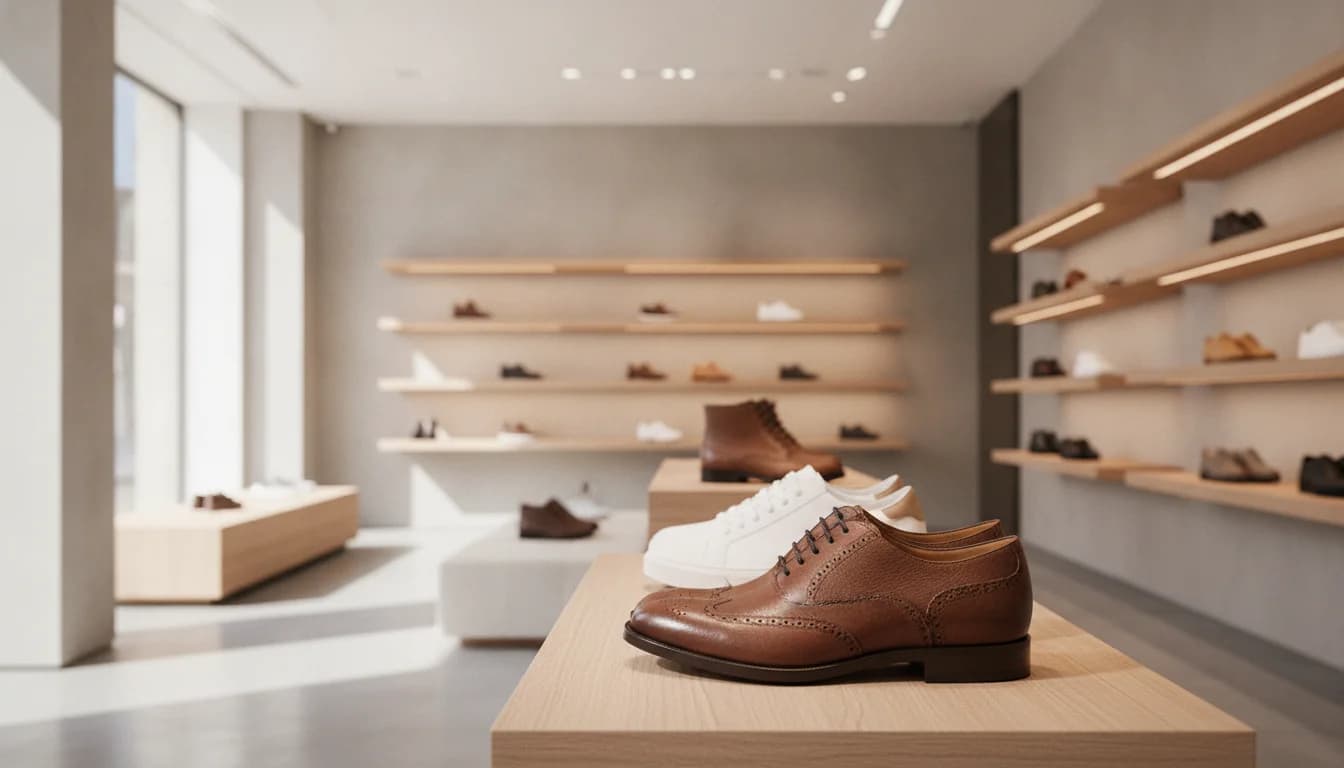
The window display is the face your store shows to the outside world and the first point of contact with potential customers. The purpose of this area is not only to showcase attractive products but also to tell a story and invite passersby inside. An effective window arrangement starts the sales process before the customer even steps into the store.
The Golden Rule at Eye Level and First Impressions
The human eye naturally focuses on objects directly in front, at eye level. Therefore, the most valuable area of the window display is precisely at that height. You should place the boldest or the most striking seasonal models that best reflect your store’s identity here. For example, a boldly designed women's stiletto or boots made from a unique material is not just a product but a style statement. First impressions form within seconds; therefore, your window should be clean, well-lit, and free of clutter. Displaying fewer but more impactful products enhances the perceived value of each model.
Seasonal Trends and Creating a Sense of "Urgency"
The window must be a dynamic and living space. It should be constantly refreshed by reflecting seasonal trends, special occasions (holidays, school start, etc.), and current fashion movements. A sneaker in the season’s most popular color or a limited edition model creates a "must-not-miss" feeling for customers. Even if these products do not generate high sales volume, they reinforce the perception that your store is trendy and current. This perception is critical for customer loyalty and increases overall interest in your store.
Best Sellers vs. Highest Profit Makers: Strategic Distinction
In-store product placement starts with understanding the relationship between how much a product sells and how much profit it generates. These two categories usually consist of different products, and each has a distinct role in the store. Your strategy should aim to place these two product groups in the right locations to maximize returns from both.
Traffic Products: Entrance and Main Walkway Placement
Best-selling products are often called "traffic products." These are reasonably priced models appealing to a broad audience with high demand. For example, a basic white women's sneaker or a simple sandal popular in the summer belongs to this group. The goal of these products is to draw customers deeper into the store. Therefore, they are usually positioned just inside the entrance, along the main walkways, or in central areas. While customers reach for these familiar and sought-after products, they will also notice other higher-margin items along the way.
High Profit Margin "Hero" Products: Special Corners
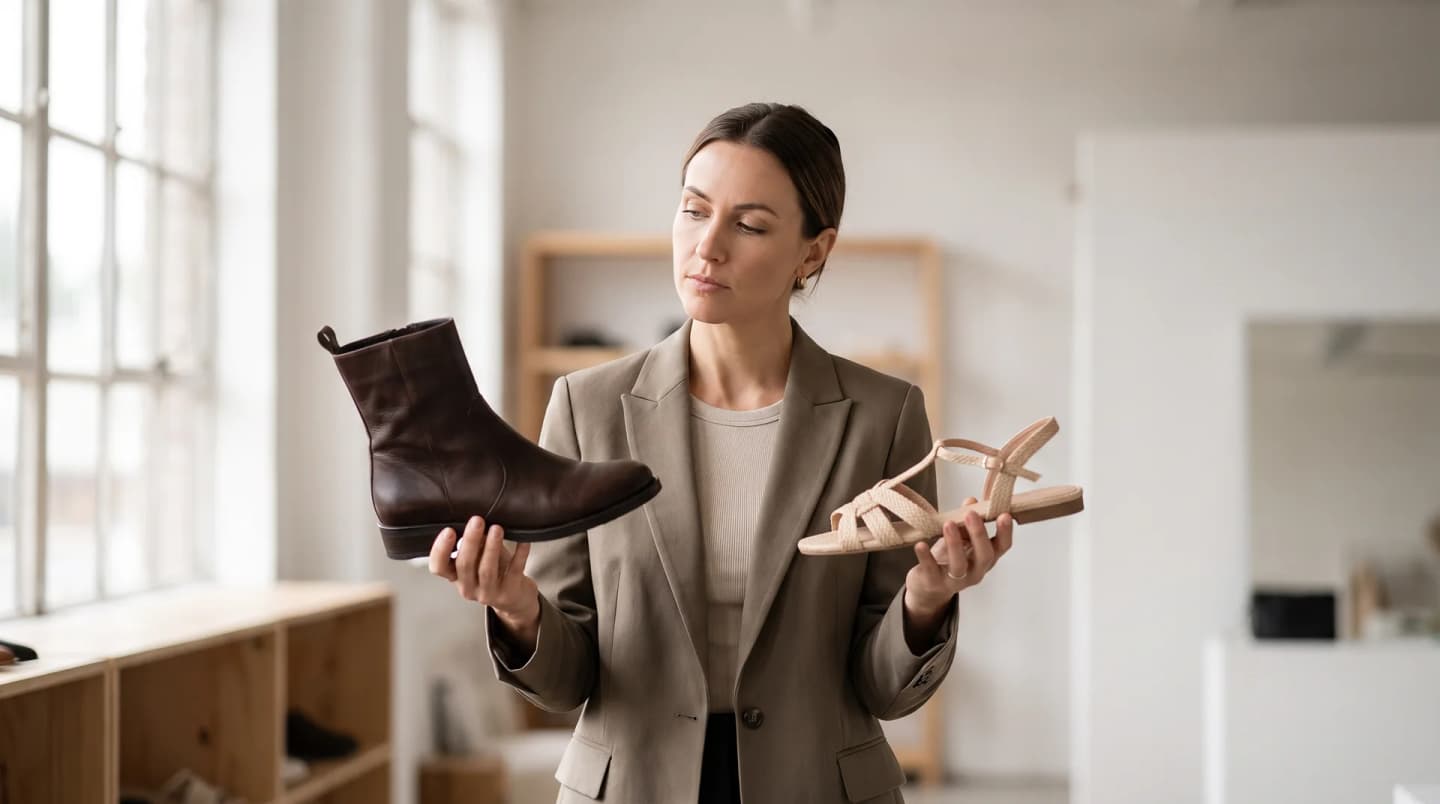
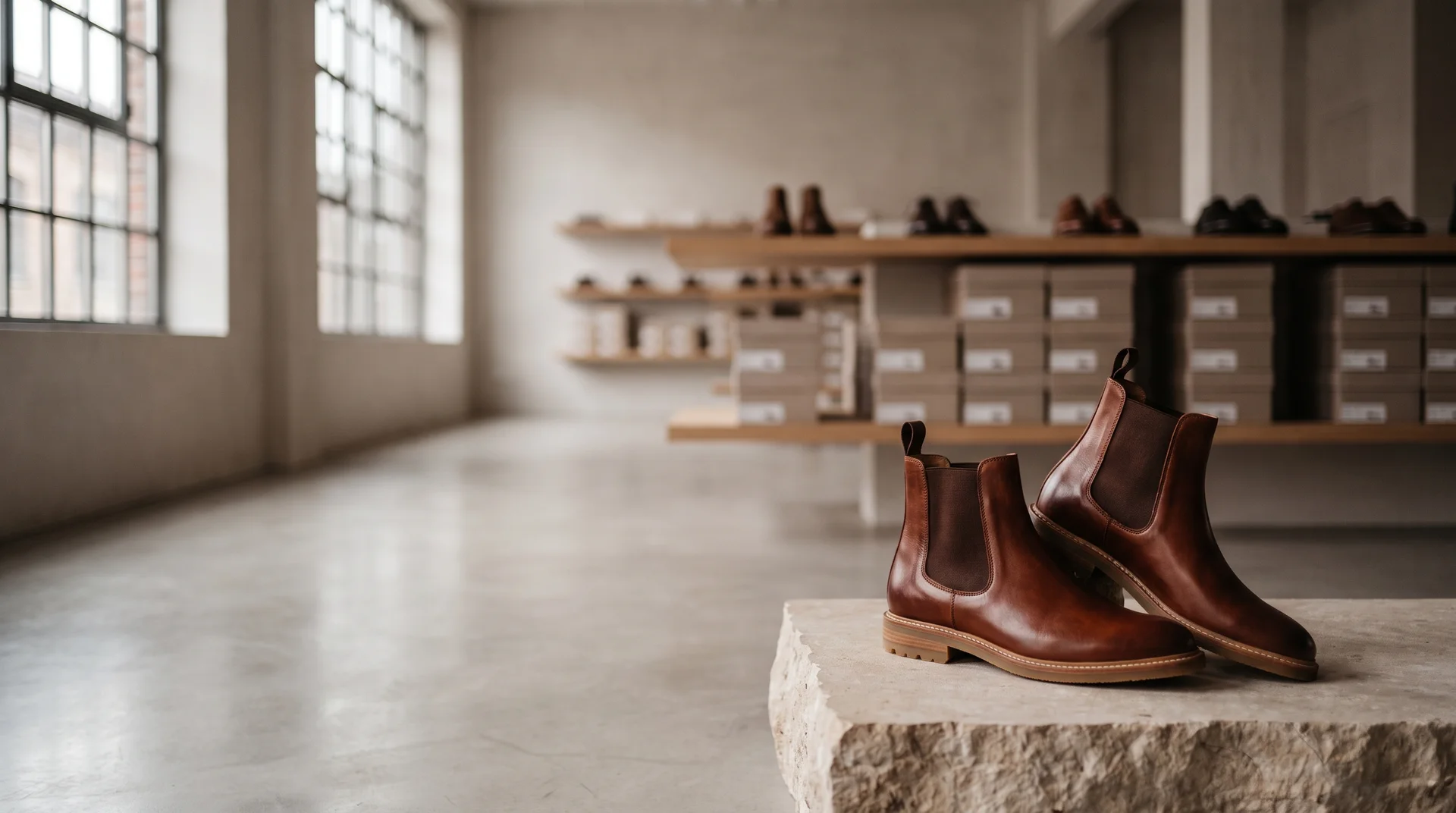
The highest profit products are the "hero" items. While they may not lead in sales volume, they yield the highest profit per unit. Examples include specially crafted leather shoes, a niche brand’s limited series, or performance footwear featuring technological innovations. These products deserve special presentation. They should be placed in quieter, well-lit corners of the store where customers can examine them comfortably. Adding small notes telling their story or complementary accessories next to these products further increases their perceived value.
The Art of Shelf Management and Product Grouping
Instead of merely filling shelves to occupy space, following a deliberate grouping strategy improves the customer experience and encourages additional purchases. A well-planned shelf layout helps customers easily find what they’re looking for and discover products they hadn’t considered before.
Cross-Selling Opportunities with Complementary Products
Cross-selling is one of the most effective ways to increase the average basket by selling additional products to an existing customer. This tactic is very easy to apply in footwear retail. For example, it makes sense to place shoe care products (such as polish, wax, brushes) right next to the shelf with leather shoes. Similarly, protective sprays can be placed alongside suede models, and summer bags or hats can be displayed next to women’s flat sandals, offering customers a holistic style proposal. This not only adds convenience for the customer but also generates additional revenue for your business.
Grouping by Color, Style, and Brand
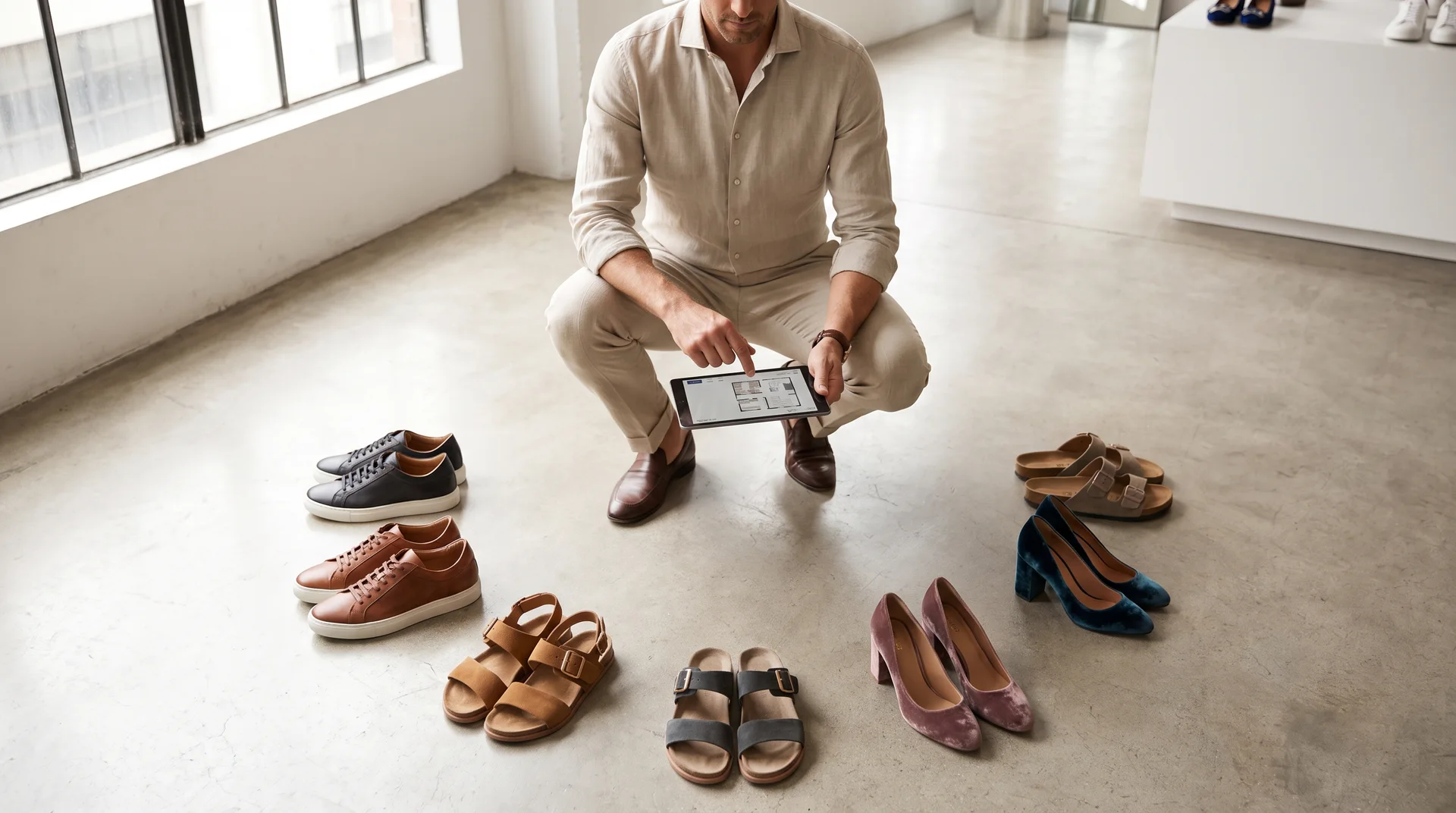
Customers shop differently: some search by brand, others by style, and some by color. Your shelf arrangement should accommodate these different approaches. Dedicating an entire wall to a particular brand is a great method for customers loyal to that brand. Elsewhere, you can group products by style, bringing together similar models from different brands (for example, all women’s loafers). Color-themed groupings are particularly effective visually and make it easier for customers looking for a specific color. Such visual arrangements make your store look more professional and organized.
Stock and Size Run Planning for Footwear Retail
Physical store layout isn’t just about visual aesthetics; it’s also directly linked to inventory management and operational efficiency. Particularly for footwear, where sizes matter, factors like size runs and stock turnover speed are fundamental in determining product placement.
The Effect of Size Runs and Size Distribution on Shelf Layout
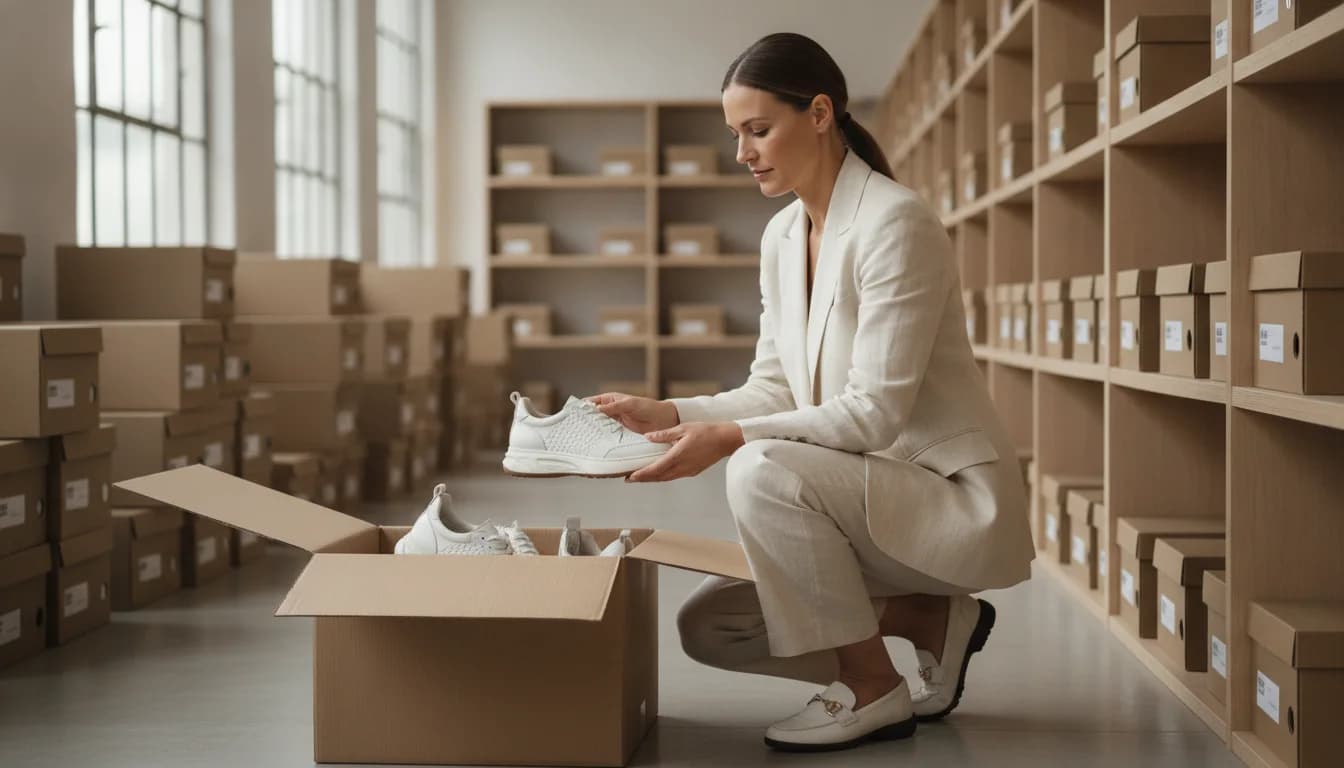
A size run refers to the complete set of sizes available within a footwear model series. Keeping the full size run of a fast-selling model constantly accessible is critically important. Popular sizes of these products (such as 37-38 for women and 41-42 for men) should be stored near the sales area, in easily reachable storage spaces or directly in drawers below the shelf. Being able to quickly provide the correct size without making the customer wait increases the likelihood of completing the sale. Conversely, for a niche model with slower sales, it’s more space-efficient to display only the exhibition size in the sales area while storing the rest in the main warehouse.
Product Rotation Based on Season and Stock Turnover Speed
Stock turnover speed indicates how fast a product sells and how frequently inventory is replenished. Products with high turnover speed (e.g., seasonal slippers or basic sneakers) should be positioned in the store’s dynamic and most visible areas. These products must constantly rotate and be updated with new models. Classic models with stable but slow sales (for example, a black men's classic shoe) can be placed in more fixed and permanent store sections. These are "staple" products customers expect to find every time they visit, and frequently changing their placement may cause confusion.
The Hidden Potential of Back Shelves and Storage
Just as important as the store’s most visible areas, the less prominent back shelves and even storage areas require strategic planning. These zones can become treasure troves for customers who come with a particular purpose or are looking for opportunities. When used properly, these areas significantly contribute to profitability.
Placement of Essential and Indispensable Models
Every customer’s wardrobe includes essential products: a black ballet flat, a classic men’s shoe, or children’s school shoes. Customers often visit stores with the intent to buy these items. Placing such "targeted shopping" products towards the back of the store is a smart tactic. To reach their desired basics, customers must walk through the entire store, increasing the chances of spotting and making impulse purchases of other attractive products displayed in windows or middle aisles during their journey.
Dedicated Spaces for Discounted and Opportunity Items
Discount sections are a strong attraction for price-focused customers. Gathering these products at the store’s very back, in a clearly marked “bargain corner,” creates a special perception. This arrangement directs bargain hunters directly to what they want while preserving the value perception of new-season and full-price products throughout the rest of the store. By taking advantage of wholesale opportunities like Bulkoon’s Flash Discount Display, you can stock up and display goods in this corner to accelerate stock clearance and draw additional traffic to your store.
Optimizing Store Layout with Digital Wholesale Sourcing
An effective store layout begins with sourcing the right products at the right time. Finding hero products to adorn your window, best sellers to increase traffic, and essential basics to wait for loyal customers on back shelves is the foundation of a successful retail operation. At this point, digital wholesale platforms offer a strategic advantage.
Data-Driven Product Selection
Platforms like Bulkoon simplify finding the most suitable product for every corner of your store with over 10,000 model options and detailed filtering capabilities. With access to a broad network of approved suppliers, you can source both niche products with high profit margins and high-volume staple models from a single place. This allows you to create the most appropriate product mix for your store concept and customer profile. Discover how you can ease your sourcing process by checking out how it works.
Final Steps for Proper Planning
When creating your store layout plan, consider not only today’s sales but also your future profitability. Observe customer behaviors, analyze sales data, and continuously test which products perform better in which locations. Remember, store layout is not a static plan - it is a living system that evolves with customer expectations and market trends. With the right sourcing channels and smart placement strategy, you can turn your store into a sales machine.