
Wholesale Buying Delegations and Footwear Trade Shows: 2026 Calendar and Preparation Guide

Preparing for major footwear trade shows like AYMOD and wholesale buying delegations helps you secure the most profitable deals for your store with the right strategy. This guide will direct you on supplier selection, efficient trade show visits, and negotiation tactics while preparing for the 2026 trade show calendar.
The bustling corridors of footwear trade shows offer unique opportunities to witness new season trends firsthand and take the pulse of the industry. However, succeeding in this intense environment requires much more than just attending the event. A strategic preparation process is key to establishing lasting partnerships with the right suppliers and sourcing products under the best conditions for your store. This guide details the steps to maximize your yield from wholesale buying delegations and footwear trade shows in 2026 and beyond.
Strategic Overview of the 2026 Footwear Trade Shows Calendar
Planning ahead for trade shows that will shape the collections of upcoming seasons puts you one step ahead in the competition. Each trade show has its unique identity, focus, and participant profile. Choosing the event that best fits your business goals is the first and most crucial step to ensuring your time and budget deliver returns.
Important National and International Trade Shows
Undoubtedly, the heart of Turkey's footwear sector beats at AYMOD - the International Footwear Fashion Fair. This event, showcasing the strength of local manufacturers while attracting significant attention from international buyers, is critically important especially for markets in Turkey and its nearby regions. Globally, MICAM Milan in Italy serves as a showcase for luxury and fashion-focused brands, while Expo Riva Schuh gathers suppliers specializing in large volume and private label production. Marking the dates and focal points of these fairs on your 2026 calendar will make your preparation process more manageable.
Considerations When Choosing a Trade Show
When deciding which trade show to attend, several key criteria should be considered. Primarily, the profile of the fair should align with your store's customer base and brand identity. For example, if your boutique primarily sells women’s high heels and evening models, fashion-oriented fairs will be more productive for you. If your target is broader audiences with categories like men’s sports shoes, you should prefer fairs which offer a wider range of manufacturers. Your budget, including travel and accommodation expenses, is another decisive factor in your choice. Additionally, investigate whether the fair is more suitable for new season orders or for purchasing from ready stock.
Comprehensive Pre-Show Preparation Process
A successful trade show experience begins long before you set foot in the venue. Thorough preparation minimizes the chaos you may face at the event, helps you focus on your goals, and ensures you use your time most efficiently. This process ranges from clarifying your objectives to planning logistic details.
Goal Setting and Research
Before attending the fair, ask yourself: What is my main expectation from this visit? Finding new suppliers, strengthening existing relationships, or just observing market trends? Based on your goals, create a "must-see" list. Review the participant list on the official trade show website and research company profiles. This prior research enables you to direct your efforts straight to potential partners instead of getting lost between stands. Official sources like the Turkish Ministry of Trade provide valuable information about local fairs and support programs [2].
Logistics and Budget Planning
One of the most concrete steps in trade show preparation is managing logistics and budget. Booking plane tickets, hotel reservations, and fair entrance tickets early provides significant cost advantages. Do not limit your budget to just travel expenses. Allocate a separate amount for potential sample purchases, pre-order deposits, and other possible expenses at the fair. At this point, it is also wise to consider the advantages offered by digital wholesale trading platforms. Platforms like Bulkoon offer access to thousands of models with a single click without additional expenses such as plane tickets and hotels, providing important savings.
Maximizing Efficiency at the Trade Show Venue
The trade show venue is a place filled with thousands of participants and visitors, where time passes very quickly. Moving without a plan in such a dynamic environment can cause you to miss crucial opportunities. Time management, effective communication, and proper note-taking techniques are vital to increase efficiency.
Time Management and Appointment System
The first day of the trade show is usually the busiest. Contact your prioritized suppliers in advance by email or phone to request appointments. This allows them to allocate special time for you and present their products more thoroughly. Examine the fairground map beforehand and plan your route. Visiting nearby stands within the same time window prevents unnecessary walking, saving you energy and time. Dividing your day into scheduled appointments and free exploration time helps you achieve your goals while also discovering new opportunities.
Effective Communication and Note Taking
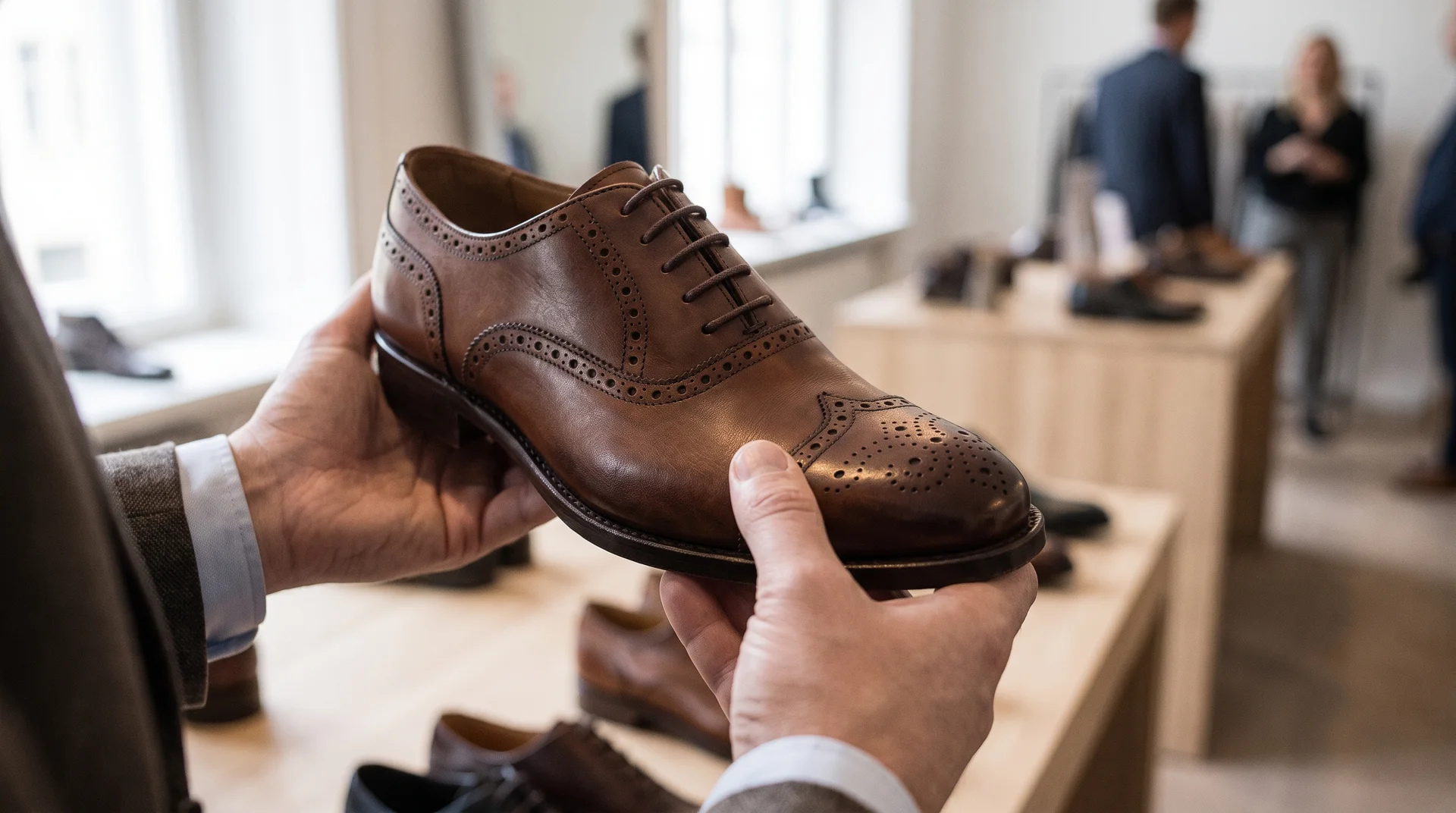
Be prepared when meeting with suppliers. Keep your business cards easily accessible and prepare a brief introduction that clearly explains your store concept, customer profile, and the types of products you are looking for. Do not focus solely on prices during your meetings. Be sure to ask critical commercial information such as minimum order quantity (MOQ), production capacity, delivery times, and payment terms. After each meeting, note down important details (model codes, prices, agreed special terms) and your initial impressions about the supplier on the back of their business card or in a notebook. With permission, photograph the products you like; this will refresh your memory during post-show evaluations.
Supplier Evaluation and Order Negotiations
The fair is where initial contact with potential suppliers is established. However, how impressive a booth looks or how high quality the samples appear is not enough on their own to form a business partnership. Building a solid supply chain requires deeper evaluation and careful negotiation.
Criteria for Understanding Reliable Suppliers
To assess a supplier’s reliability, you must ask the right questions. Gather information about their production processes, quality control standards, certifications they hold (ISO, etc.), and previous export experience. Do not hesitate to ask for references. Companies with long-standing sector presence and consistent production performance are usually more reliable. Here, platforms like Bulkoon add value by connecting buyers only with trusted and approved suppliers, handling the preliminary screening and minimizing commercial risks.
Discussing Price, Payment, and Delivery Terms
Focusing only on unit price at the negotiation table may cause you to miss the bigger picture. Clarify under which terms pricing is made (EXW - ex-works, FOB - free on board, etc.). Ask about payment flexibility (advance payment, term, letter of credit). Especially for large orders, it is important to confirm production and delivery schedules in writing. As your order volume increases, requesting better prices or more flexible payment terms is a natural part of wholesale trade. Ensure all agreed conditions are documented in a proforma invoice.
Post-Show Follow-Up and Relationship Management
The real work begins after the fair ends. Turning the connections made at the show into concrete business relationships requires a systematic follow-up process. Proper organization of collected information and documents forms the foundation of this process.
Systematizing Collected Information
As soon as you return from the fair, gather all the business cards, brochures, and notes you collected. Create a spreadsheet database containing contact details, key products you discussed, price quotes, MOQs, and your personal notes for each supplier. This helps you compare different suppliers objectively and make the most accurate decisions. Categorizing suppliers as "high potential," "to be evaluated," and "not suitable" helps you prioritize during follow-up.
Maintaining Communication and Initial Order Process
Send thank-you and introductory emails within a week after the fair to all suppliers you met and found potential in. Referring to details of your meeting and products of interest helps them remember you. If necessary, submit final price requests or sample orders at this stage. When deciding to work with a new supplier, it is usually smartest to place a smaller trial order initially to test the relationship and operational processes. The quality, packaging, and delivery performance of this order will give you confidence for larger future orders.
Digital Alternatives to Traditional Trade Shows
While physical trade shows are valuable for connecting with the industry, they only occur at specific times of the year. Modern retail requires a continuous and flexible supply flow. At this point, digital wholesale platforms stand out as a strong alternative complementing traditional methods.
Year-Round Uninterrupted Supply Possibility
Trade shows are seasonal, but your store’s product needs are continuous. B2B platforms like Bulkoon offer supply capabilities 24 hours a day, 365 days a year. You do not need to wait for the trade show calendar to replenish stocks of a model that ran out mid-season or swiftly respond to a sudden trend. Thanks to extensive catalogs offering over 10,000 models, you can meet every need from summer sandals to winter boots all in one place.
Advantages Provided by Digital Platforms
Digital platforms provide operational efficiency beyond cost advantage. Advanced filtering options let you find the product you need by material, heel height, or color within seconds. Product videos allow a more detailed examination of models. Bulkoon’s simple workflow "Discover, Examine, Order" reduces complex supply processes to just a few clicks. This means saving time and resources, especially for small and medium-sized boutique owners.
Conclusion: Turning Trade Shows into Strategic Tools
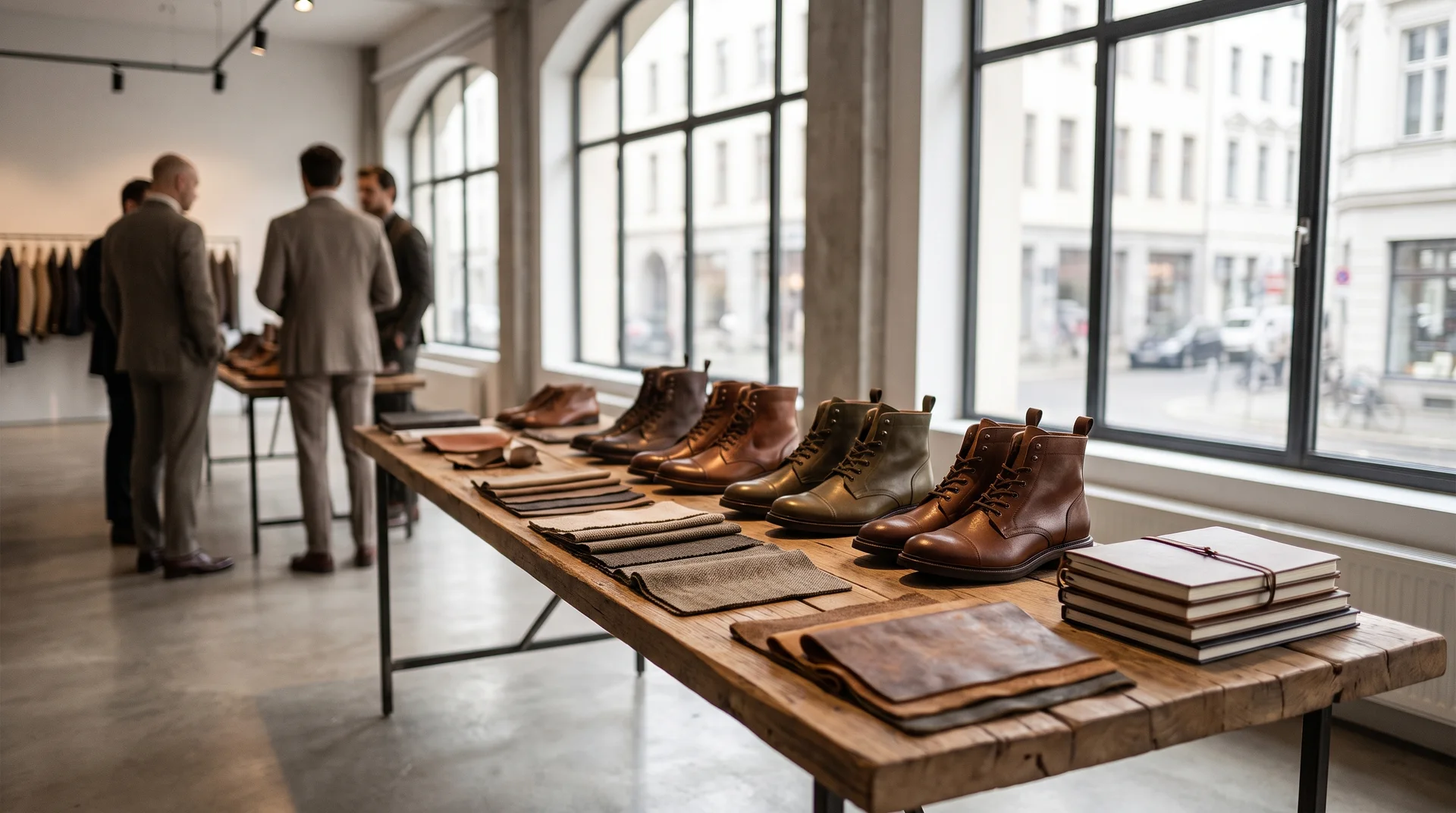
Wholesale buying delegations and footwear trade shows are not just expense items when used correctly-they are valuable investment tools for your business. The key to success in 2026 and beyond is adopting a hybrid approach that combines the networking and discovery power of these physical events with the efficiency and flexibility offered by digital platforms. With comprehensive preparation, a focused strategy at the venue, and systematic follow-up, you can turn every trade show visit into profitable and lasting business partnerships for your store.
Sources
Information in this article draws on the following sources.


