Why Are Customers Leaving Your Store Without Making a Purchase?

Discover the invisible reasons behind sales losses. Learn how factors like window displays, in-store experience, staff attitude, and product presentation influence customer decisions.
Every visitor entering your store represents a potential sale. But how much of this potential becomes actual sales? Many retailers tend to attribute lower sales directly to product variety or pricing strategies. However, the real reasons that deter customers from buying are often much more subtle and experience-driven. Poor lighting, narrow aisles, confusing labels, or indifferent staff can all be enough to leave even the best product on the shelf. Understanding and removing these invisible barriers is the first step to turning visitors into loyal customers.
Window Display and Store Entrance: The Power of First Impressions
A customer's first opinion about your store forms long before they step inside-it happens the moment they look at your window display. Those first few seconds significantly impact their decision to enter and how long they stay once inside. An effective window and entrance area does more than just showcase products: it tells a story, creates an atmosphere, and invites the customer inside.
An Inviting Window Display Design
Your window display is the face of your store to the outside world. A cluttered window filled with irrelevant products or a dusty display sends a message of neglect to potential customers. Instead, create a curated display focused on a specific theme, emphasizing seasonal or special collections. For example, displaying only the brightest women’s flat sandals and a few complementary accessories for the summer season is far more effective than a messy assortment. Use lighting to create focal points and ensure the window is spotless. Remember, the window is a stage, not a storage room.
The Psychological Effect of the Entrance Area
When a customer enters the store, they need a few seconds to decompress from the outside world's pace and noise. This area is called the "decompression zone." If this space is cluttered with discount baskets, announcement boards, or squeezed by the cash register, the customer may feel overwhelmed and mentally brace themselves before beginning to browse. Keeping the entrance area spacious, bright, and organized helps customers relax and shift into shopping mode. This space is a quiet yet powerful way to say welcome.
Product Presentation and In-Store Traffic Flow
The journey a customer takes after entering your store directly impacts their purchase decisions. How products are displayed and how comfortably customers can move inside determine the overall quality of their experience. A complicated and restrictive layout can frustrate customers by making it difficult to find what they want, leading them to leave without buying.
Logical and Engaging Product Grouping
Instead of randomly placing products on shelves, organize them into logical categories to make it easier for customers to find what they need. For example, place all men’s sports shoes in one section and classic shoes in another. You can go even further by grouping products by usage purpose, such as a “Office Chic” corner or a “Weekend Comfort” section. Creating color stories or prominently displaying the latest arrivals can attract customers' attention and boost their desire to explore. This organization not only facilitates shopping but also inspires customers to purchase additional items they hadn’t planned for.
The Importance of Traffic Paths and Avoiding the Feeling of Congestion
No one wants to shop while squeezing through narrow aisles trying to avoid bumping into others. The circulation paths inside your store should be wide enough for customers to move comfortably. In footwear retail, where customers need to take products to seating areas for trying on, this is especially important. Boxes piled on the floor, display racks narrowing aisles, or layouts that create dead ends cause a claustrophobic feeling, making customers want to leave quickly. Evaluate your store layout from a customer's perspective: Is the flow natural? Can every section be accessed easily?
The Hidden Language of Pricing and Labeling
Price tags provide fundamental product information, but their function extends beyond that. The design, readability, and clarity of the information on price tags directly influence customers’ trust in your brand and products. A confusing or misleading labeling strategy may turn customers away from buying.
Illegible and Complex Price Tags
If customers have to struggle to find out a product’s price, the chance of making the sale decreases. Price tags written in very small fonts, faded, or hand-scribbled convey an unprofessional image. Prices must be clear and easy to see. If there is a discount, clearly showing both the old and new prices ensures transparency and eliminates customers’ doubts. Including essential details such as model names or numbers on the tags facilitates the process for both customers and staff.
Perceived Value and Discount Strategies
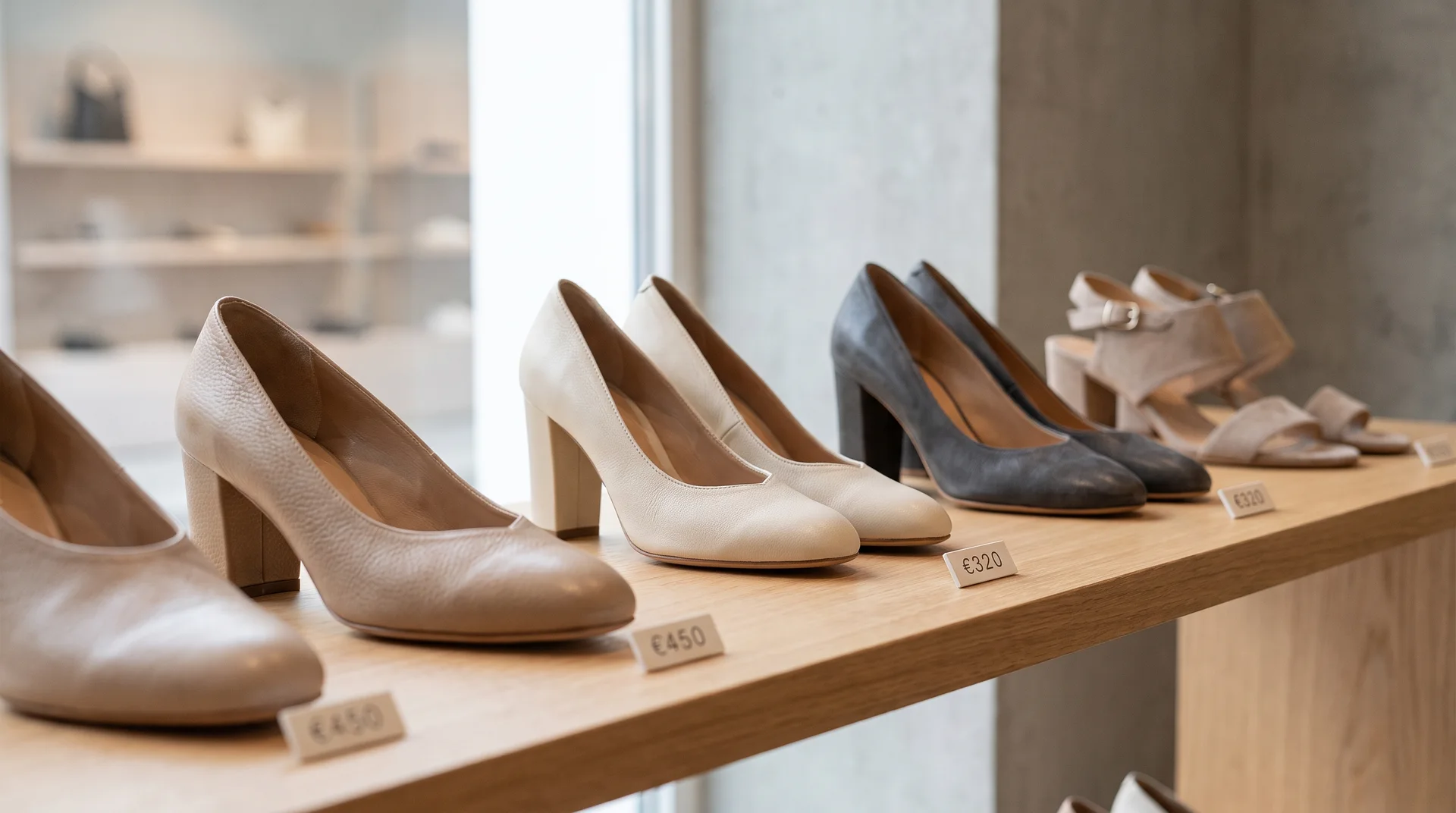
Constantly advertising “Big Sale” or “Up to 70% Off” can eventually lose credibility and create an impression that the products’ true value is their lowest prices. Customers value honest and consistent pricing. Strategically planned real discounts during specific periods are much more effective. Pricing itself is a form of perception management. For example, pricing a women’s heeled shoe at 499 TL can be psychologically more appealing than 500 TL. However, these tactics should be used moderately and align with your brand identity.
Store Atmosphere and Sensory Experiences
When customers enter a store, they experience it not only visually but through all their senses. Lighting, music, and even the scent of the space strongly affect their mood and consequently their buying behavior. A positive atmosphere encourages customers to stay longer and spend more.
The Role of Lighting, Music, and Scent
Proper lighting highlights product colors and textures at their best. Harsh or overly bright lights like those in hospitals can be discomforting, while dim lighting makes it hard to see product details. Warm-toned spotlights that mimic natural light typically deliver the best results. Music should match your brand identity; for example, classical music is as out of place in a youth sports shoe store as loud pop music is in a luxury boutique. A subtle, pleasant scent can create a positive association with your brand in customers’ memories.
Comfort and Accessibility of Fitting Areas
In footwear retail, the fitting area is where a sale is either secured or lost. There should be enough clean, comfortable seating for customers to try shoes easily. Small details like shoehorns and trial socks greatly enhance customer satisfaction. Full-length mirrors where customers can see how shoes look on them aid in decision making. A dirty, cluttered, or cramped fitting area can discourage customers from trying on products altogether.
Staff Approach and Customer Interaction
No matter how perfectly designed your store is, the attitude and knowledge of your sales team are the most critical components of the customer experience. Staff are the living representatives of your brand, and their communication can turn a visitor into a loyal customer or lose them forever.
Indifferent or Overly Aggressive Staff
Not being noticed or even greeted when entering the store makes customers feel unvalued. On the other hand, overly pushy staff who follow every step and constantly ask, "Can I help you?" are overwhelming. The best balance is to give customers the space to browse independently but be easily reachable when they look around for assistance. Making eye contact, smiling, and approaching with an open-ended question like, "Were you looking for a particular model?" communicates a helpful intent without pressure.
Lack of Product Knowledge and Solution Focus
If customers ask about the material, fit, or care instructions of a shoe and hear, "I don’t know," it creates doubt. Staff must be knowledgeable about the products they sell. This is essential not only for closing sales but also for helping customers find the right product. For example, if a requested size is out of stock, staff should offer alternative models or inform when the product will arrive. A solution-focused, informed approach builds customer confidence.
Selecting the Right Products: Getting to the Root Cause
No matter how much you improve your store experience, if the products on your shelves don’t match your target audience’s expectations, sales will be challenging. Often, the fundamental reason customers leave without buying is that the wrong products were sourced wholesale initially.
Misunderstanding the Target Audience
Accurately analyzing the demographics of your store’s location, as well as your customer profile’s lifestyle and budget, is crucial. Classic and comfortable office shoes are demanded in areas with many young professionals, while stores near university campuses focus more on sports and casual models. Wholesale purchases made without understanding who your customers are and what they need may lead to unsold stock piles.
The Importance of Variety in Wholesale Purchasing
Even if you target the right audience, insufficient variety may prevent customers from finding what they want. Offering customers a range of choices instead of relying on just a few brands or styles is important. Digital wholesale platforms like Bulkoon offer over 10,000 model options, enabling you to provide a wide assortment. Thanks to advanced filtering features, you can easily find the products best suited to your store’s customer profile from hundreds of suppliers, keeping your stock fresh and attractive. This is the most efficient way to match the right products with the right customers.
Conclusion: Turning Store Experience into Sales
The reasons customers leave your store without making a purchase usually stem from a combination of interconnected small details. From your window display to staff smiles, and from product arrangements to the comfort of fitting areas, every element shapes the overall customer experience. Addressing these factors as a whole and making improvements from a customer perspective will not only increase visitor traffic but also significantly improve your conversion rates. Remember, selling a good product is important, but delivering a great experience keeps customers coming back. To simplify your wholesale purchasing and discover the right products, you can explore how Bulkoon works.