Why Does One of Two Stores Selling the Same Shoes Earn More?

Discover why one shoe store outperforms another selling the same products. The secrets of success lie in product presentation, stock management, and customer experience.
Imagine two shoe stores side by side on the same street. Both have a popular sports shoe model of the season displayed in their windows. Their prices are nearly identical. Yet, one store is constantly crowded while the other remains quiet all day. The reason for this is not the quality or brand of the product sold but the business strategy behind it. Profitability is not just about buying and selling the right product at wholesale prices. Success arises from a combination of factors such as product presentation, stock management, customer experience, and marketing. These factors can create a huge performance gap between two businesses selling the same product.
The Power of Product Presentation and Store Atmosphere
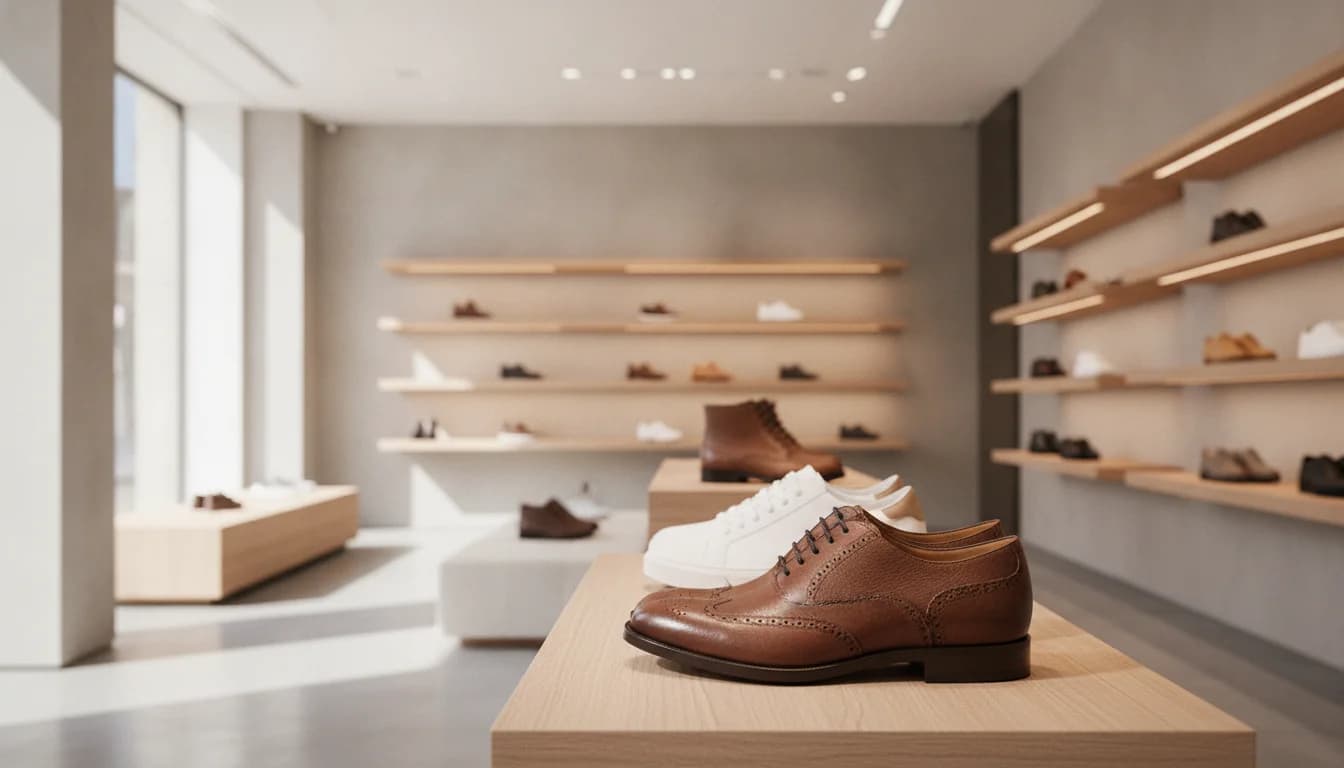
A customer’s decision to enter your store or not is made in seconds. The most important factor influencing this decision is your window display and the general atmosphere of your store. Successful stores don’t just showcase shoes; they make them part of a story. This approach, which increases the perceived value of the product, directly reflects on sales figures.
Window Display Design and Visual Merchandising
An effective window display is the first step in turning a passerby into a potential customer. Instead of randomly piling up products in the window, creating a theme or story is far more effective. For example, when displaying a women’s high heel shoe model, you can create a “special evening” concept by combining it with an evening dress fabric, a stylish bag, and appropriate lighting. This helps the customer visualize the shoes in their own life and triggers the desire to purchase. Visual merchandising sells not the product’s features but the experience and feeling it offers to the customer.
In-Store Experience and Layout
Once a customer is impressed by the window and enters, the atmosphere inside should reinforce their purchasing decision. A cluttered, poorly lit, and cramped store diminishes the value of even the highest quality product. Successful stores offer a spacious, clean, and well-organized layout. Categorizing products (for example, sports, classic, sandals) makes it easy for customers to find what they are looking for. Comfortable fitting seats, clean mirrors, and even the store’s scent enrich the customer experience and encourage them to spend more time in the store. This creates additional sales opportunities.
Stock and Size Run Management Directly Influences Profitability
The backbone of retail profitability is proper stock management. The more successful of two stores selling the same shoe is usually the one that better plans how much to buy of each size and how quickly to sell through their stock. This is not merely an intuitive process but a data-driven strategic decision.
Proper Size Distribution (Assortment) Planning
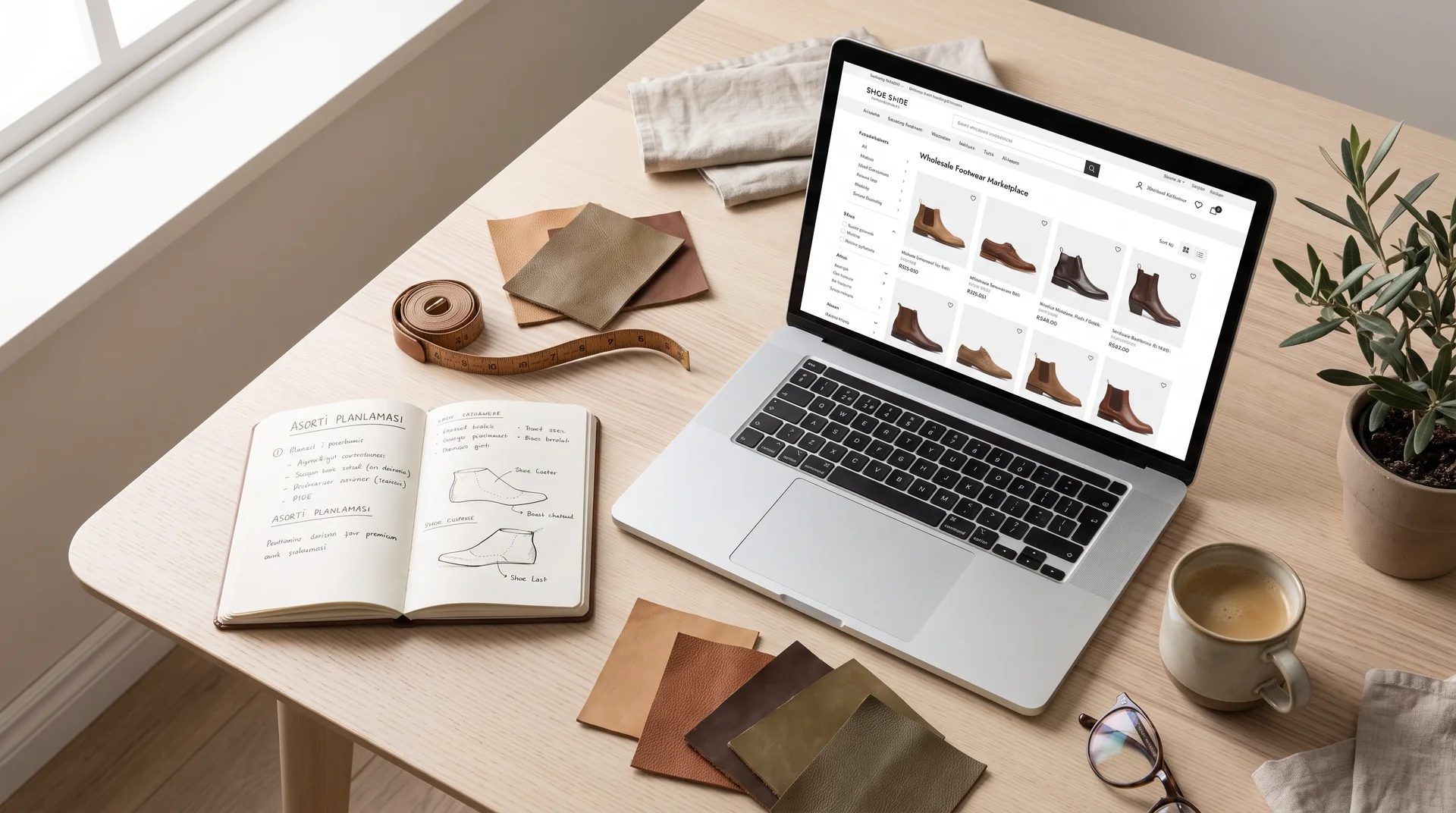
Buying a standard "size run" (for example, one pair of each size from EU 36 to 40) wholesale may seem easiest but is not always the most profitable. A successful store owner analyzes the demographic structure of their customer base. Are customers in your area mostly wearing size 37-38, or is there more demand for sizes 39-40? You can find the answer by examining your past sales data. While unsold sizes 36 or 40 accumulate, running out of the most demanded sizes means potential profit loss. Platforms like Bulkoon provide access to a wide network of over 100 manufacturers and suppliers, allowing you to go beyond standard size runs and plan assortments tailored to your customer profile.
Seasonal Dynamics and Stock Turnover Rate
Stock turnover rate is a critical metric showing how fast your inventory is sold and converted to cash. A product lingering on the shelf not only takes up space but also ties up your capital. Profitable stores detect slow-moving products before season end and take proactive steps to clear them. This may include small discounts, cross-selling campaigns (for example, giving socks with a sports shoe purchase), or multiple purchase offers. Features like Bulkoon’s Flash Discount Showcase enable you to source products at advantageous prices at the right season, increase your stock turnover rate, and protect your margin.
Customer Experience and Service Quality Make a Difference
While product and pricing strategies are important, creating a loyal customer base in today’s competitive market requires superior service quality. Customers want to buy not only a shoe but also an experience that makes them feel valued. Businesses that deliver this experience always stay a step ahead in the long term.
Knowledgeable Staff and Personalized Approach
The role of sales staff goes far beyond just fetching the shoe size the customer wants. Staff well informed about products (material, fit, care advice, etc.) inspire customer confidence. A friendly and helpful approach that accurately analyzes customer needs and offers suitable alternatives can turn a simple sale into a memorable experience. For instance, suggesting a wider fit men’s sports shoe model to a customer with a wide foot increases their trust in you.
After-Sales Services and Communication
Customer relations do not end with the sale; on the contrary, that is where they begin. A simple and hassle-free return/exchange policy lowers the customer's perceived risk and facilitates purchase decisions. Beyond that, small loyalty programs or sending updates about new arrivals via WhatsApp (with customer permission) strengthen brand loyalty. Customers tend to return to businesses that remember them and show special attention.
Smart Marketing and Campaign Strategies
Even with the best products and a great store experience, it means nothing if potential customers are unaware. Successful stores wisely use both digital and traditional marketing tools to reach their target audience. Marketing is not just about announcing discounts but building a brand identity.
Digital Presence Targeted at the Audience
Today, one of the most powerful marketing channels for a shoe store is social media. Instagram, in particular, is an excellent platform to showcase products visually. Successful businesses do not just post product photos; they create content showing new women’s sports shoe models styled in various combinations, share customer reviews, and capture authentic moments from the store, building a community. Locally targeted ads reaching potential customers near the store are an effective way to convert digital presence directly into sales.
Data-Driven Promotions and Pricing
One of the biggest mistakes undermining profitability is running unplanned and blanket discount campaigns. A more strategic approach is to analyze sales data. Which products sell slowly? Which models have the highest profit margin? Based on this data, instead of applying a 20% discount store-wide, it is smarter to create package campaigns where a slow-moving product is offered at a favorable price bundled with a best-seller. This helps clear stock and increases average basket size while maintaining profitability.
The Role of Supply Processes and Digitalization
The unseen hero of retail success is an efficient supply process. The ability to procure the right products at the right time and price determines a store’s competitive strength. Digital wholesale platforms fundamentally transform this process, offering major advantages to small and medium enterprises.
Reliable Supplier Network and Product Variety
In the past, store owners had to travel city to city, attend fairs, and work with limited wholesalers to find new products. This was both costly and time-consuming. Successful stores now use digital platforms like Bulkoon to access more than 10,000 model options and hundreds of approved suppliers in one place. This eliminates travel expenses, helps keep a finger on the pulse of the market, and enables quick stocking of the latest trends.
Efficient Order and Logistics Management
Digitalization not only simplifies product discovery but also streamlines ordering and delivery processes. Working with a platform that only lists ready stock products eliminates the risk of order cancellations and ensures products are shipped promptly. Services like fast and free shipping to all 81 provinces in Turkey reduce logistics costs and improve cash flow. This efficiency saves store owners time, allowing them to focus more on customer relations and marketing, thus growing their business.
The Formula for Success: Going Beyond the Product
In conclusion, the profitability difference between two stores selling the same shoes does not stem from the shoes themselves. The difference lies in how the shoes are presented, how stock is planned based on customer data, the customer experience, and how efficiently the supply process is managed. Success is the accumulation of a series of small but strategic decisions. The product is only a starting point; the real competitive advantage lies in operational excellence and a customer-focused approach. You can explore how Bulkoon works to optimize your supply processes and focus more on growing your business.