فرص الجملة في سوق أحذية السلامة المهنية

يقدم سوق أحذية السلامة المهنية مجالًا مستقرًا ومربحًا للبيع بالجملة يتجاوز كونه مجرد التزام قانوني. يمكنكم تقييم الفرص في هذا السوق المتخصص بفهم شهادات S1 وS2 وS3، والقطاعات المستهدفة، ومعايير اختيار المورد المناسب.
تقدم أحذية السلامة المهنية سوقًا مستقرًا يتشكل وفقًا للأنظمة والاحتياجات الصناعية، ويقل تأثراً باتجاهات الموضة. تحقق الشركات المشترية بالجملة في هذا المجال النجاح ليس فقط بالعثور على المنتج المناسب، بل أيضًا بفهم معايير الشهادات وطلبات القطاعات المستهدفة وديناميكيات سلسلة التوريد الموثوقة. يمثل تقييم أحذية الحماية ضمن محفظة متجركم بالتجزئة أو مبيعاتكم المؤسسية استثمارًا في فئة يزداد الطلب عليها باستمرار وقدرتها على بناء ولاء للعلامة التجارية. يتجاوز هذا السوق تجارة الأحذية التقليدية ليكون مجالًا يتطلب معرفة تقنية وخبرة، ومع ذلك يوفر فرص نمو كبيرة مقابل ذلك.
المعايير الأساسية والشهادات لأحذية السلامة المهنية
عند شراء أحذية السلامة بالجملة، تشير العلامات والرموز على المنتجات إلى ما هو أكثر بكثير من مجرد رقم نموذج. فهذه الشهادات هي لغة عالمية تحدد مستويات الحماية التي يوفرها الحذاء ضد المخاطر المختلفة. يُعد فهم هذه اللغة كخطوة أولى أساسية لعرض المنتج الصحيح لعملائكم والامتثال للمسؤوليات القانونية. يعد بيع منتج خاطئ الشهادة ليس مجرد خطأ تجاري بل مخاطرة بأمن المستخدم النهائي.
ماذا تعني شهادات S1 وS2 وS3؟
تُحدد هذه الرموز المستندة إلى معايير الاتحاد الأوروبي مستوى الحماية التي يوفرها الحذاء بشكل واضح. كل مستوى يشمل خصائص المستوى السابق ويضيف حماية إضافية. يساعد معرفة هذا التسلسل الهرمي في تقديم أفضل الحلول التي تلبي احتياجات عملائكم في قطاعات مختلفة.
S1: هو مستوى الحماية الأساسي. يحتوي على مقدمة حذاء مقاومة لصدمات حتى 200 جول (غالبًا من الفولاذ أو المركبات)، ونعل مضاد للكهرباء الساكنة وامتصاص للطاقة في منطقة الكعب. مناسب للبيئات الجافة مثل الصناعات الخفيفة واللوجستيات.
S2: يشمل كل خصائص S1 بالإضافة إلى الجزء العلوي المقاوم للماء والمبلل. مطلوب للبيئات الرطبة أو المبللة ويفضل في صناعات الأغذية أو خدمات التنظيف.
S3: أعلى مستوى حماية. يشمل كل خصائص S2 بالإضافة إلى نصل مقاوم للثقب مصنوع من الفولاذ أو المواد المركبة. ضروري للبيئات الخطرة التي تحتوي على مواد حادة مثل مواقع البناء والصناعات الثقيلة ومعالجة المعادن.
أهمية معايير CE وISO في الشراء بالجملة
يمثل علامة CE جواز مرور المنتج لتوافقه مع متطلبات الصحة والسلامة وحماية البيئة في الاتحاد الأوروبي. وجود علامة CE على أحذية السلامة يضمن استيفاءها للمتطلبات الأساسية. يجب تجنب المنتجات التي لا تحمل هذه العلامة عند الشراء بالجملة. أما معيار ISO 20345 فهو المرجع الأساسي للمعايير الدولية لأحذية السلامة المهنية. تأكيد موافقة المورد على هذا المعيار يضمن جودة المنتج وموثوقيته. هذا الامتثال ليس تفضيلًا فحسب بل التزام قانوني يؤثر بشكل مباشر على مسؤوليتكم القانونية في حوادث العمل.
فهم القطاعات المستهدفة: من يشترون أحذية السلامة؟
لتقييم فرص السوق بشكل دقيق، يجب فهم احتياجات عملائكم المحتملين بعمق. لكل صناعة مخاطر ومتطلبات خاصة. تقديم المنتج المناسب للعميل المؤسسي المناسب مفتاح النجاح ، وهو تقديم حل أمان وليس مجرد حذاء. لذلك، يجب أن تأخذ في الاعتبار طلبات القطاعات المختلفة عند بناء محفظتكم.
متطلبات البناء والصناعات الثقيلة
تمتاز هذه القطاعات بأصعب ظروف العمل وتتطلب أعلى مستويات الحماية. تعتبر أحذية ذات شهادة S3 معيارًا أساسيًا للعاملين في مواقع البناء، المناجم، مصانع المعادن والأحواض البحرية. تشمل الخصائص الرئيسية المطلوبة: نعل مقاوم للثقب، وقبعة حذاء معززة للحماية من الصدمات القوية، ونعل مقاوم للانزلاق والحرارة. كما تعتبر دعامة الكاحل ومواد خارجية متينة (غالباً جلدية) ضرورية للظروف القاسية. عند البيع لهذه القطاعات، تعتبر متانة المنتج وطول عمره أهم نقاط البيع.
احتياجات اللوجستيات وصناعات الأغذية والخدمات
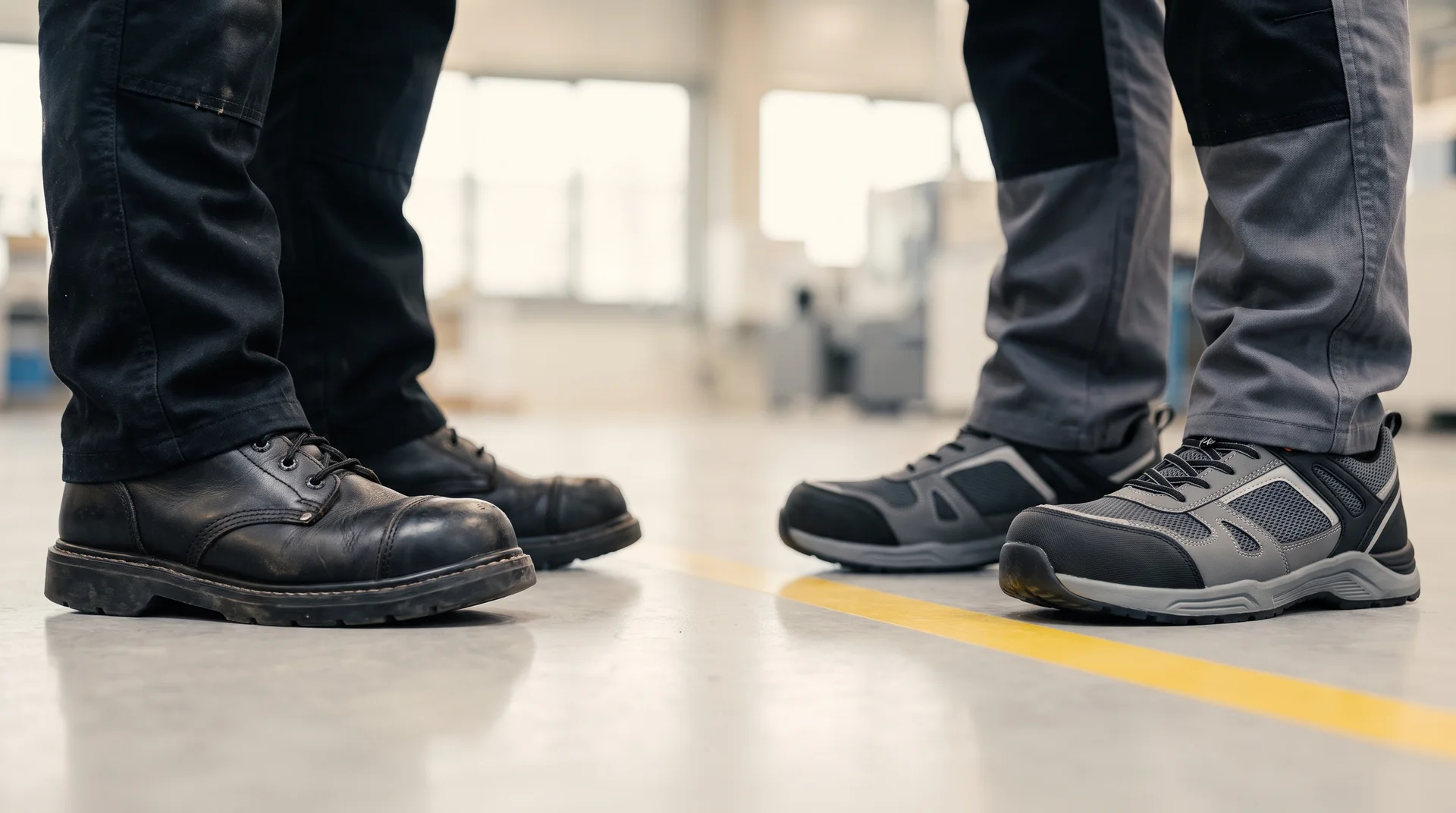
على العكس من الصناعات الثقيلة، تبرز في هذه القطاعات مخاطر واحتياجات مختلفة. يفضل العاملون في اللوجستيات والمخازن الأحذية الخفيفة والمريحة التي تقلل التعب طوال اليوم. تحظى الأحذية المعتمدة S1 أو S1P (مقاومة للثقب) والتي تشبه الأحذية الرياضية بشعبية كبيرة هنا. أما في مصانع الأغذية والقطاع الصحي حيث النظافة مهمة، فإن الأحذية المعتمدة S2، سهلة التنظيف ومقاومة للماء وغالبا بيضاء اللون مطلوبة. النعل المقاوم للانزلاق (شهادة SRC) ضروري لجميع هذه القطاعات. كما أن الميزات المضادة للكهرباء الساكنة قد تصبح ضرورة في مستودعات تحتوي على مكونات إلكترونية أو معدات حساسة.
معايير اختيار المورد في الشراء بالجملة
لا يقل العثور على المنتج المناسب أهمية عن العمل مع المورد القادر على توفير هذا المنتج باستمرار. المورد في فئة تقنية مثل أحذية السلامة هو شريك عمل وليس مجرد مزود بضاعة. تؤثر موثوقية المورد وجودة المنتج والخدمات المقدمة على التزاماتكم تجاه عملائكم. لذا، يجب أن يكون اختيار المورد قرارًا استراتيجيًا لا يُتخذ بسرعة.
قدرة الإنتاج وموثوقية التسليم
عادةً ما يقدم العملاء المؤسسيون طلبات بكميات كبيرة وفي جداول زمنية محددة. قدرة المورد على تلبية هذه الطلبات بدقة وفي الوقت المناسب أمر حيوي. خاصة في حالات فتح مشاريع بناء أو مصانع، فإن التأخير قد يؤدي إلى خسارة العملاء. تعمل منصات مثل بولكون مع موردين معتمدين لتقليل هذا الخطر. إن التعامل مع منتجين معتمدين وعلى قدر كاف من القدرة الإنتاجية يوفر طبقة أمان للمشترين. كما أن وجود سياسة مخزون جاهز لدى المورد ميزة مهمة لتلبية الطلبات الطارئة.
الدعم الفني وكفاءة المعرفة بالمنتج
أحذية السلامة مجال غني بالتفاصيل التقنية. يجب على المورد تقديم المعلومات الصحيحة حول أي معيار يناسب أي مجموعة من المخاطر، وكيف تؤثر خصائص المواد على الأداء. المورد الجيد يقدم التحليل المناسب لاختيار النموذج S1 أو S2 أو S3 حسب مجال عمل عميلكم. يجب أن يكون شفافًا فيما يخص شهادات المنتجات وتقارير الاختبار والوثائق الفنية. توفر هذه الكفاءة لكم تقديم خدمة أكثر احترافية وموثوقية للمستخدم النهائي. المورد يجب أن يكون أكثر من مجرد ممثل مبيعات، بل خبير منتجات.
استراتيجيات المخزون والتسعير لقنوات المبيعات المؤسسية
تتمتع تجارة أحذية السلامة بالجملة بديناميكيات مختلفة عن الأحذية العادية. بناء علاقات طويلة الأمد مع العملاء المؤسسيين، الحصول على طلبات منتظمة، والمحافظة على الربحية يتطلب تخطيطًا دقيقًا للمخزون والتسعير. نجاح السوق يعتمد أكثر على تدفقات دخل متكررة وقابلة للتنبؤ بدلاً من المبيعات العشوائية.
إدارة توزيع المقاسات والتركيبات
على عكس أحذية الموضة، تكون توزيع المقاسات في أحذية السلامة أكثر معيارية وقابلة للتوقع. عادة ما تكون الطلبات على مقاسات 41-44 أعلى في القطاعات التي يغلب عليها الذكور. عند تجهيز المخزون لعميل مؤسسي، من المنطقي إنشاء تركيبة قياسية (مثلاً من 40 حتى 45) مع تركيز أكبر على المقاسات الأكثر طلبًا. للقطاعات التي يوجد بها عاملات، يجب التخطيط لتركيبة أوسع تشمل 37-40. لزيادة دوران المخزون، قد يكون من الفعال التركيز على النماذج الأكثر مبيعًا وطلب المنتجات المتخصصة النادرة حسب الطلب.
التسعير وشروط الدفع في المشتريات بالجملة
تعتمد المبيعات المؤسسية أساسًا على خصومات الكميات وشروط الدفع المرنة. تقديم تسعير تدريجي حسب كمية الطلب يشجع على الطلبات الأكبر. العملاء الكبار الذين يلتزمون بشراء سنوي يمكن تقديم خصومات خاصة أو عقود تسعير لهم، مما يفتح باب تعاون طويل الأمد. تقدم المنصات الرقمية تسهيلات مهمة في عمليات الدفع. على سبيل المثال، خيارات مثل الدفع بالتقسيط مع السعر النقدي في بولكون، تتيح للمشترين إدارة سيولة نقدية أكثر راحة. هذه المرونة المالية تعتبر معيارًا حاسمًا لاتخاذ القرار خصوصًا لدى المشترين المؤسسيين من حجم المؤسسات الصغيرة والمتوسطة.
دور جودة المواد والتكنولوجيا
لا تقتصر أحذية السلامة الحديثة على الأحذية الثقيلة ذات الأغلفة الفولاذية فقط. لقد حسنت علوم المواد وتكنولوجيا التصنيع هذه الأحذية لتصبح أخف وزنًا وأكثر راحة وعملية. ومعرفتكم كمشتري بالجملة بهذه الاختلافات التكنولوجية تمكنكم من تقديم منتجات أكثر قيمة وابتكارًا لعملائكم. فالجودة لا تقتصر على المتانة فحسب، بل تشمل راحة وأداء المستخدم طوال اليوم.
الفروقات بين مقدمة الحذاء المركبة والمعدنية التقليدية
تثبت مقدمة الحذاء المعدنية تقليديًا قدرتها على مقاومة الصدمات، لكنها تحمل بعض العيوب مثل الوزن، توصيل الحرارة في الظروف الباردة أو الحارة، وإصدار إشارة في أجهزة الكشف عن المعادن. أما المقدمات المركبة فتُصنع من مواد غير معدنية أخف وزناً وعازلة (مثل ألياف الكربون أو الألياف الزجاجية أو البلاستيك). بفضل هذه الخصائص، تفضل في أماكن تستخدم فيها أجهزة كشف المعادن بشكل مكثف مثل المطارات أو في بيئات بها مخاطر كهربائية. كما يوفر خفتها راحة إضافية للعمال الذين يقفون طيلة اليوم. تقديم التقنية المناسبة لمقدمة الحذاء حسب بيئة عمل العميل يظهر خبرتكم.

تكنولوجيات النعل: المقاومة للانزلاق، مضاد الكهرباء الساكنة ومقاومة الحرارة
تعتمد أداء أحذية العمل إلى حد كبير على نوع النعل. تحدد المواد المستخدمة في النعل ظروف السلامة للمنتج. المواد الشائعة وخصائصها:
البولي يوريثان (PU): يوفر راحة بخفة ومرونة. غالبًا ما يستخدم بنظام كثافة مزدوجة؛ الطبقة السفلى مقاومة للتآكل والطبقة العليا ماصة للصدمات.
البولي يوريثان الحراري (TPU): لديه مقاومة أعلى للتآكل والانزلاق مقارنة بPU. أطول عمرًا.
المطاط النتريل: يقاوم درجات حرارة عالية تصل إلى 300 درجة مئوية والمواد الكيميائية بكفاءة عالية. مثالي للصناعات الثقيلة وأعمال اللحام.
علاوة على ذلك، يجب الانتباه إلى المعايير التي تحدد مقاومة الانزلاق مثل SRA وSRB وSRC، وهي ضرورية بشكل خاص للعاملين على الأسطح الرطبة أو الزيتية. قراءة هذه التفاصيل التقنية عند مراجعة منتجات قسم أحذية العمل الرجالية تساعد في اختيار الأنسب.
فرص النمو في سوق أحذية السلامة المهنية
تزايد الوعي بالصحة والسلامة المهنية والتشريعات المتشددة يجعل سوق أحذية السلامة يتوسع باستمرار. يشمل هذا السوق ليس فقط المؤسسات الصناعية الكبرى بل أيضًا ورش العمل الصغيرة والمتوسطة والشركات في قطاع الخدمات. يوفر هذا للمشترين بالجملة فرصة زيادة حصتهم السوقية عن طريق تقديم حلول مخصصة لقطاعات مختلفة. تتيح منصات البيع بالجملة الرقمية الوصول إلى آلاف النماذج من عدد كبير من المنتجين في مكان واحد للمقارنة والاختيار بسهولة. بمجرد أن تفهم كيفية عملها، يمكنك عبر هذه المنصات اكتشاف المنتجات المناسبة، تبسيط عمليات التوريد، وتأمين موقعك في هذا السوق المستقر.
المصادر
أُعدّت معلومات هذه المقالة بالاعتماد على المصادر التالية.