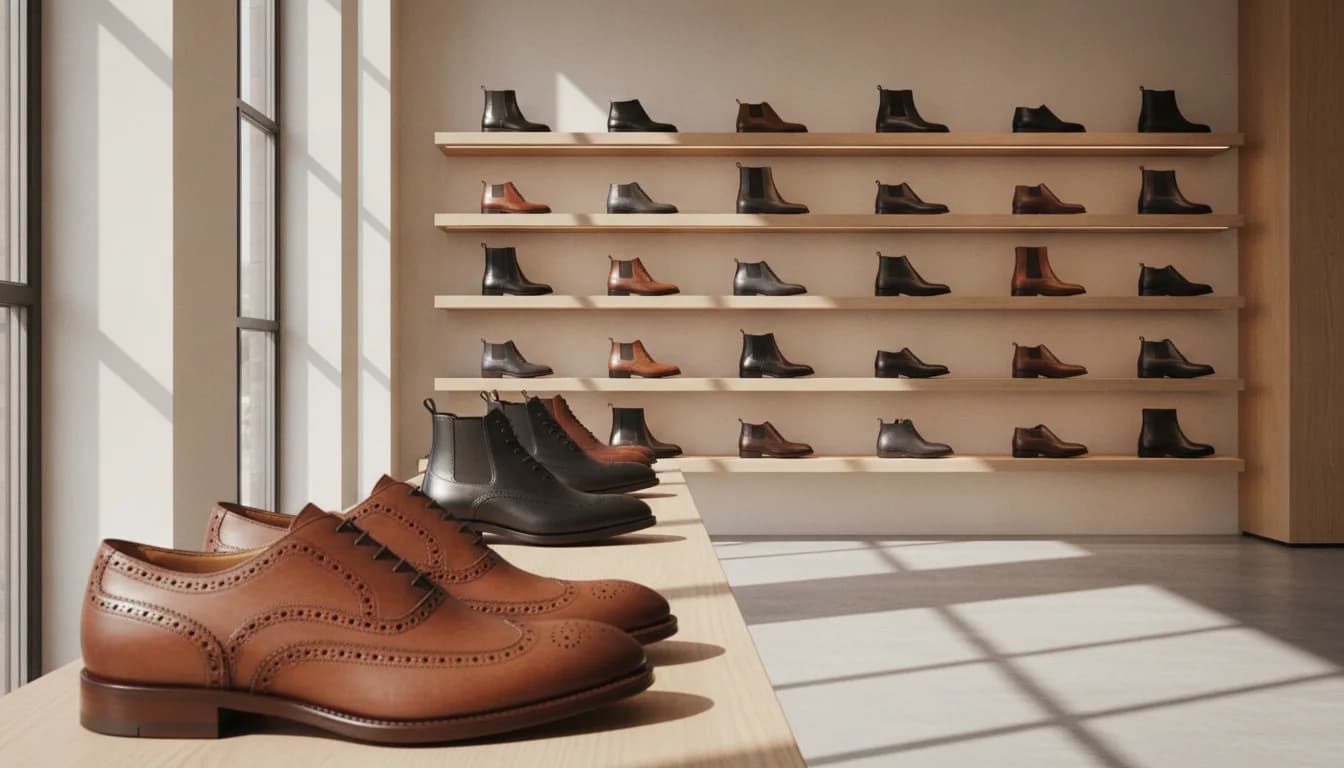
B2B Export: How to Sell Turkish Footwear Wholesale to Europe?

A comprehensive guide for wholesale buyers and boutique owners who want to bring the quality and design strength of Turkish footwear to the European market. Discover step-by-step market research, supplier selection, customs procedures, compliance standards, and digital marketing strategies.
The quality craftsmanship, original designs, and competitive prices of Turkish footwear hold significant potential in the European market. Especially for boutique stores, sellers on online marketplaces, and entrepreneurs who want to create their own brand, Turkey stands as a strategic sourcing hub. However, turning this potential into success requires taking the right steps and thoroughly understanding market dynamics. This guide provides a roadmap to follow in the process of wholesale selling Turkish footwear to Europe, helping you establish your B2B export operations on a solid foundation.
Understanding the European Market: First Steps
Deciding to export to Europe is as exciting as it is strategic and requires careful planning. Each country has its own unique consumer habits, fashion perceptions, and price expectations. For a successful start, analyzing these differences and shaping your business model accordingly is critically important. Developing strategies tailored to targeted countries or regions instead of a general "European market" approach positions you a step ahead in competition.
Market Research and Identifying Target Audience
The first step is to determine which European country is the most suitable market for your products. For example, consumers in Germany usually prioritize durability and comfort, while buyers in Italy and France put design and aesthetics at the forefront. The UK market is more influenced by fast fashion trends. By analyzing the demographic characteristics, income levels, and shopping habits of your target audience, you can predict which types of footwear (e.g., Women’s Stiletto or Men’s Sports Shoes) will be in higher demand. International trade data platforms, market reports, and competitor analyses provide valuable insights throughout this process.
Choosing the Right Sales Channel
There are multiple channels to deliver your products to European buyers. For small-scale startups, online marketplaces such as Etsy or Amazon can offer low initial costs. However, these platforms are typically B2C-focused and operate differently from wholesale sales dynamics. Contacting boutiques directly in Europe allows for more personal and long-term business relationships. One of the most efficient methods is using digital platforms specifically designed for B2B trade. These platforms connect you with verified buyers, speeding up the process and providing a secure trading environment.
Supply Chain and Logistics Management
The operational backbone of exporting to Europe is establishing a reliable supply chain and efficient logistics processes. Every stage, from finding the right manufacturer to having products smoothly pass through customs, must be managed meticulously. Any disruption here can lead to increased costs, delivery delays, and most importantly, decreased customer satisfaction. Therefore, operational excellence is key to export success.
Finding Reliable Suppliers and Building Relationships
Export quality is directly proportional to the quality of your supplier. Criteria such as production capacity, adherence to quality standards, history of on-time deliveries, and communication skills must be decisive in choosing suppliers. Platforms like Bulkoon minimize risks by working only with approved suppliers. These platforms, hosting over 100 manufacturers under one roof, offer you a wide range of products and reliable business partners. Establishing transparent communication with your supplier and clearly outlining expectations lays the foundation for long-term and productive cooperation.
Customs, Taxation, and Shipping Processes
Turkey’s Customs Union agreement with the European Union provides a major advantage in trading industrial products like footwear. This means products can move freely within the EU without customs tariffs. However, procedures related to Value Added Tax (VAT) and other local taxes must be followed carefully. Obtaining an EORI (Economic Operator Registration and Identification) number is mandatory for export. Regarding shipping, working with a courier company preferred by the buyer ensures flexibility. Bulkoon offers free shipping within Turkey and facilitates international shipments via the buyer’s selected company, simplifying operations. Getting assistance from a customs broker to manage these processes can prevent possible errors and delays.
Product Selection and Compliance with European Standards
Choosing products to offer the European market must consider not only aesthetics and trends but also strict quality and safety standards of the region. Compliance is not only a legal requirement but also vital for your brand’s credibility and consumer health. A successful product strategy evaluates both market demands and legal obligations together.
Quality, Materials, and Labeling Rules (REACH)
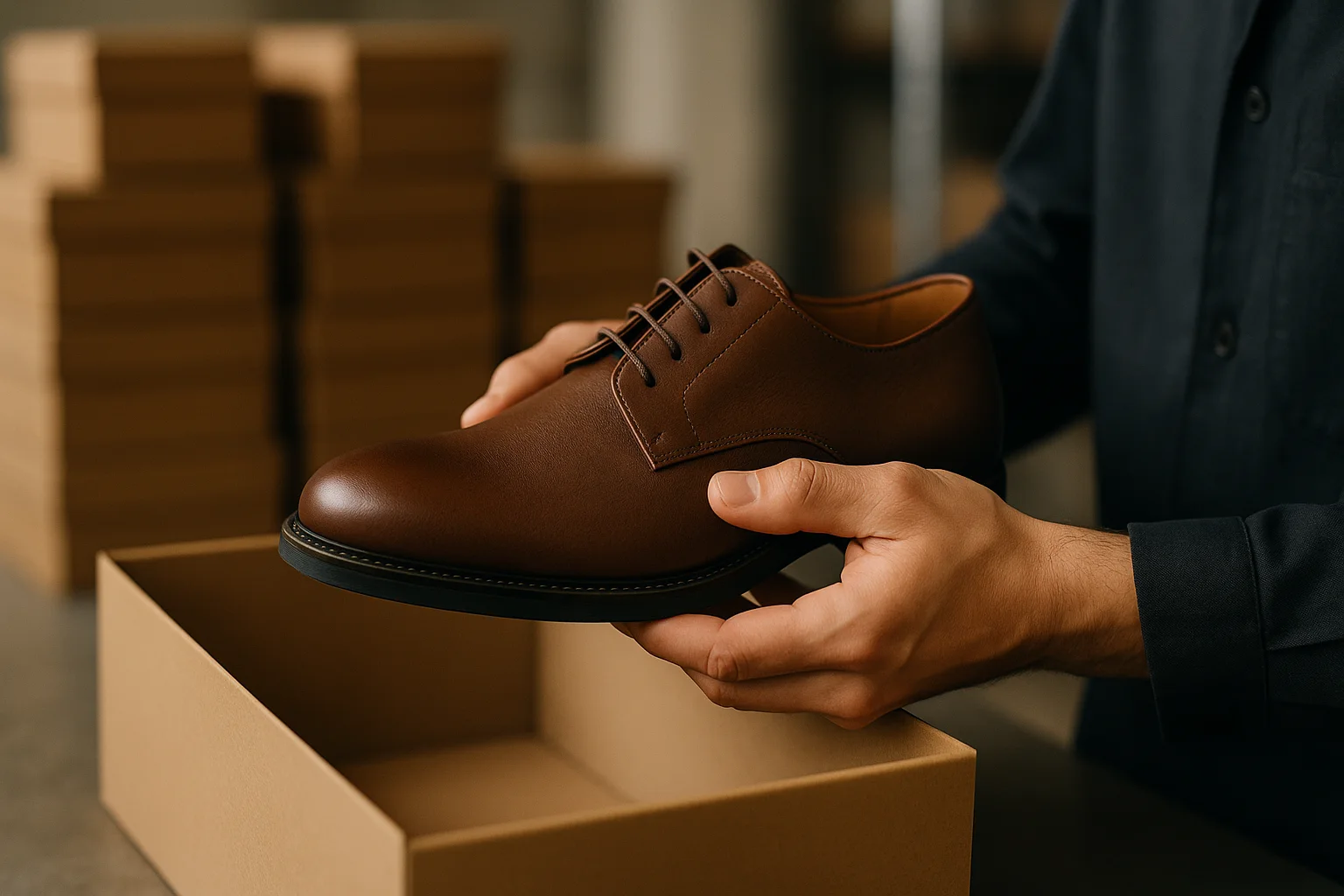
Like all products sold in the European Union, footwear must comply with the REACH (Registration, Evaluation, Authorization, and Restriction of Chemicals) regulation. This regulation aims to ensure chemicals used in production do not harm human health or the environment. You should request REACH compliance documents from your supplier. Additionally, product labels must accurately specify the material (leather, synthetic, textile, etc.). Attention to these technical details prevents your products from being held up at customs and grants your brand a professional image.
Seasonal Trends and Collection Planning
The European fashion calendar should guide your collection planning. Orders for Spring-Summer and Autumn-Winter collections are made months in advance. Following market trends closely and offering the right products at the right time is a critical success factor. For example, you can focus on categories like Women’s Flat Sandals for summer or boots and winter shoes for colder seasons. Bulkoon’s offering of more than 10,000 model options allows you to easily find products suitable for every season and trend, keeping your collection dynamic.
Pricing, Payment, and Financial Planning
A sustainable export operation is built on solid financial planning. Establishing a competitive pricing strategy, using secure payment methods, and taking precautions against currency fluctuations are factors that directly affect your profitability. This process covers much more than just product cost and must include all logistics and operational expenses.
Export-Oriented Pricing Strategies
When setting your product price, you should consider not only production costs but also the "landed cost," which includes product price, packaging, insurance, shipping, customs duties, and other fees. Your pricing should allow for a reasonable profit margin after covering all these costs while remaining attractive to buyers in your target market. Analyzing competitors’ prices helps you position yourself correctly.
Payment Methods and Currency Risk Management
The most common payment methods in international trade are bank transfers (T/T) and letters of credit (L/C). To build trust in new business relationships, you may agree to partial advance payment at order time and the remaining before or after shipment. Currency fluctuations between Turkish Lira, Euro, and Dollar pose significant risks affecting profit margins. You can manage this risk by using financial tools or preferring to receive payments in more stable currencies like the Euro. This increases your financial predictability.
Digital Marketing and Brand Positioning
Having great products is not enough; you must effectively reach the right buyers. In the digital age, the most effective way to reach potential B2B customers and position your brand is by building a strong online presence. A professional digital showcase builds trust and distinguishes you from competitors.
Strengthening Your Online Presence
European buyers will always research your online presence before working with you. High-resolution product photos, detailed and accurate product descriptions (preferably in English or the target market’s language), and a professional website or marketplace profile are critical for the first impression. Videos showing your products from different angles can accelerate buyers’ decision-making process. This demonstrates your brand’s commitment to quality and transparency.
Reaching Buyers in Europe
You must be proactive in reaching potential buyers. Professional networks like LinkedIn are powerful tools for connecting with boutique owners, purchasing managers, and distributors in Europe. Participating in industry online forums and groups helps you learn about the market and build new business connections. Additionally, B2B platforms like Bulkoon significantly facilitate your marketing and sales efforts by bringing you directly together with relevant buyers.
Transform Your Export Potential into Reality
Exporting Turkish footwear to Europe is a profitable goal achievable with the right strategy and partners. Carefully planning every step from market research to logistics, compliance to digital marketing will minimize challenges you may encounter along the way. Starting with small steps and growing by measuring market responses is the healthiest approach.
Start Small and Grow
Instead of placing large-volume orders initially, start with smaller and varied orders consisting of different models to spread risk and understand which products perform better in the market. This trial phase is also an opportunity to test and improve your operational processes. As you obtain successful results, you can gradually increase your order volume and product diversity.
Continuous Learning and Adaptation
The European market is dynamic; fashion trends, consumer preferences, and legal regulations continuously change. Therefore, closely following industry developments, reading market reports, and considering feedback from your buyers are very important. A flexible and adaptable business model is the key to long-term success. Simple workflows like "Discover, Review, and Order" offered by digital platforms such as Bulkoon facilitate your fast and efficient entry into this dynamic market through easy-to-use processes.
Sources
Information in this article draws on the following sources.