How to Predict If a Shoe Model Will Sell Quickly

Making the right decisions in wholesale footwear purchasing is the foundation of retail success. Predicting a fast-selling model goes beyond just following trends. This guide offers insights by combining social media signals, past sales data, customer expectations, and operational efficiency to help you make accurate product selections.
In the retail world, some shoe models sell out as soon as they hit the shelves, while others wait for end-of-season discounts. The difference between these two scenarios usually lies in the decisions made during the wholesale purchasing phase. The ability to identify a fast-selling product in advance may seem like intuition, but it is actually a combination of data analysis, market observation, and an understanding of customer psychology. Choosing the right model directly affects not only profit margins but also your store’s brand identity and customer loyalty. In this process, finding not just what is popular but what is right for your own customer base is essential.
Reading Market Signals: Beyond Trend Analysis
Keeping up with current trends is important, but to determine a fast-selling model, you need to dive deeper. Macro trends show the general direction, but the real profitability often comes from instantaneous and niche waves. Correctly interpreting these signals gives you a competitive advantage. The market constantly ripples with new ideas and styles; the key is predicting which of these waves will wash onto your shore.
Digital platforms and global fashion weeks are the hubs where these signals are most intense. However, instead of taking the information from these sources as-is, filtering it according to your market and customer profile is critical. A model that becomes popular on an international runway does not necessarily create the same impact in your local market. This is where analysis plays a role.
Social Media and Micro-Trends
Social media, especially Instagram and TikTok, are now the main centers where trends emerge and spread. Focusing on micro-trends that rapidly gain traction-such as specific aesthetics like “ballet-core” or “gorp-core”-rather than major brand campaigns can yield more accurate results. These trends often highlight a particular shoe silhouette or detail. Capturing these fleeting flares when doing wholesale purchasing can lead to rapid sales success. For example, a women's loafer model consistently worn by a specific influencer could suddenly trigger a demand surge among followers.
Color and Material Forecasts
As much as the silhouette determines a shoe’s appeal, color and texture also dictate its sales potential. Beyond general seasonal color trends like the Pantone color of the year, it’s important to notice unexpected color combinations popular in specific subcultures. Material choice holds similar importance. Details such as sustainable materials, technical fabrics, or modern interpretations of classic leather can differentiate a model and make it desirable. When reviewing your supplier’s material options, evaluate not only durability but also visual and tactile appeal.
Data-Driven Decisions: Interpreting Past Performance
While intuition and trend tracking are important, one of the most reliable guides is your own sales data. Figures from past seasons are invaluable for forecasting future success. Numbers don’t lie; they clearly show which models sold at full price, which ones ended up discounted, and the average sales velocity. This data helps not only to understand what worked but also why some products didn’t perform.
Data analysis removes assumptions and enables more informed, less risky buying decisions. A successful retailer is someone who integrates lessons from the past into today’s strategy. This is a continuous cycle of learning and adaptation.
Segmenting Sales Data
Looking only at the top 10 bestsellers is insufficient. You need to analyze your data more deeply. For example:
By Category: Last spring, did you sell more women’s sports shoes or stilettos?
By Price Range: Which price bands attracted the most interest from your customers?
By Color and Size: Which colors sold out quickly, and which remained in stock? Which sizes were most in demand?
This segmentation allows you to use your purchasing budget more efficiently for the next season.
"Almost-Sellers" and Stock Turnover Rate
Sometimes a model generates a lot of interest and is tried on frequently but doesn’t sell. These “almost-selling” products offer important clues. Is the issue price, fit, or comfort? You can find answers by analyzing customer feedback and try-on rates. This analysis helps you avoid similar mistakes in the future. Also, how fast a product sells-that is, the stock turnover rate-is one of the most critical metrics of actual success. A high turnover rate means your capital is being used more efficiently.
Understanding Your Customer Base: The DNA of Your Store
Each store has a unique customer profile, and the most successful products target this profile. Regardless of global trends, your customers’ lifestyle, budget, and aesthetic preferences are the main factors determining which shoes will sell quickly. Knowing your customers, empathizing with them, and anticipating their needs form the foundation of accurate product selection.
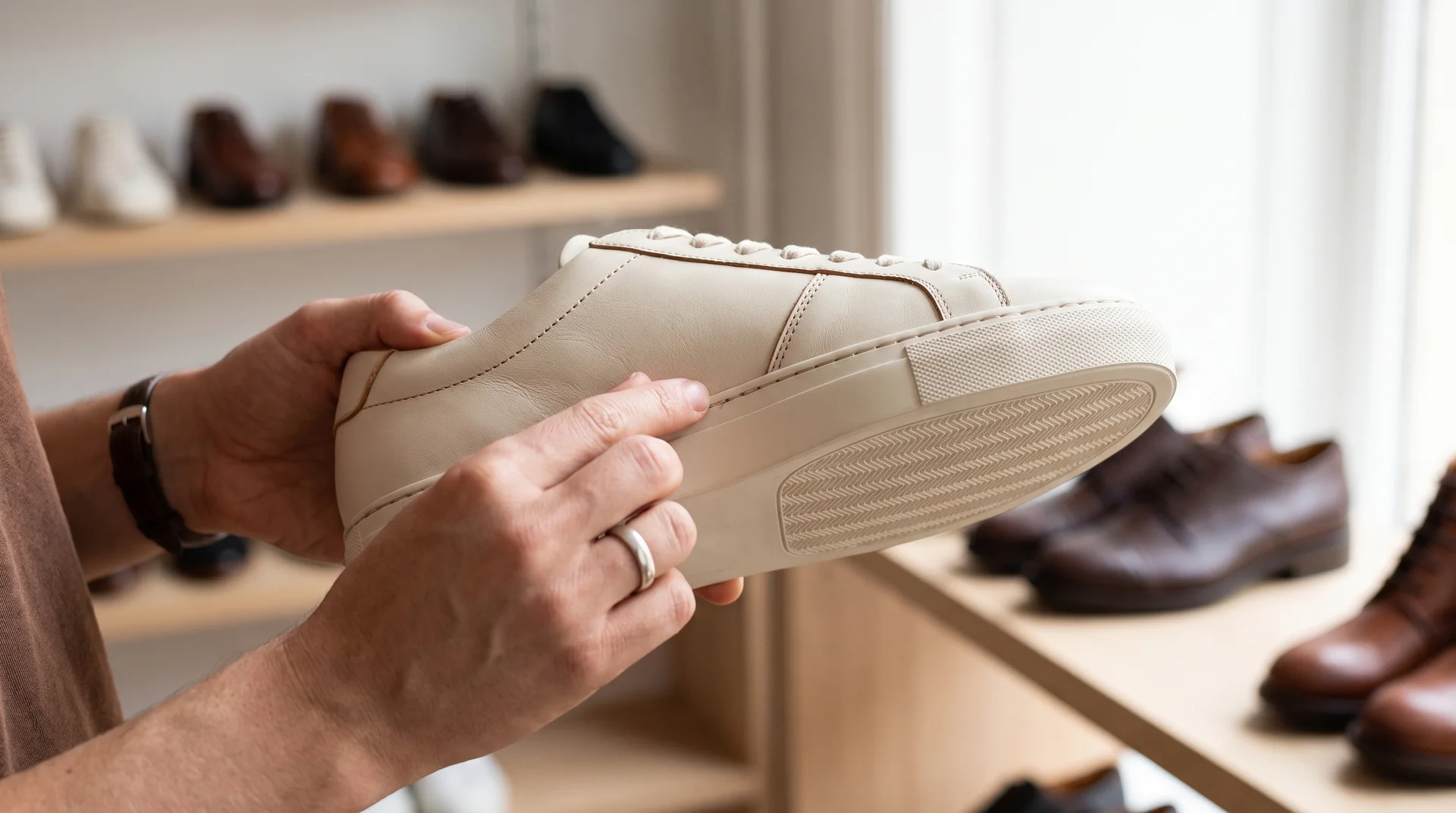
This understanding should go beyond demographics. Psychographic details such as your customers’ values, interests, and shopping habits are just as important as their age or income level. Your store should be not just a place to shop but a curated reflection of their style.
Demographic and Psychographic Analysis
Who are your customers? Young professionals, university students, mothers with small children? Consider your target audience’s daily routine. Are they looking for comfortable yet stylish men’s sports shoes for commuting or eye-catching women’s stilettos for weekend events? Models that offer functional and aesthetic solutions fitting their lives always sell faster. Customer surveys or loyalty program data are excellent tools for deepening this analysis.
Window Display and In-Store Feedback
Your store is a live market research lab. Observe which models attract the most attention in the window and which shoes customers pick up first when they enter. Regularly collect feedback from your sales consultants about models that customers frequently ask for but are out of stock. These qualitative insights are as valuable as quantitative sales figures and often point to the next “hit” product.
The Operational Dimension of Product Selection: Details That Determine Profitability
Finding a great shoe model is only part of the equation. For that model to become a profitable investment, the operational details of the purchasing process must be managed correctly. Incorrect size distribution or poorly timed seasonal planning can turn even the most promising product into a cost line item. Retail success depends on combining the right product with the right operational strategy.
When buying wholesale, you should focus not only on a model’s aesthetic appeal but also on its potential impact on your store’s inventory management and cash flow. This holistic approach is the key to long-term sustainable profitability.
The Importance of Correct Assortment and Size Distribution
In wholesale shoe trading, products are usually sold in “series.” A series is a package containing different sizes of a model. Even if you pick the best model, purchasing with an assortment that doesn’t fit your customer base’s foot size distribution means some sizes sell out immediately while others remain on your shelves. In many markets, sizes 37-38 for women and 41-42 for men tend to be the most in demand. You should analyze your own sales data to determine a size distribution tailored to your store and structure your purchases accordingly.
Seasonal Planning and Stock Turnover
A model selling quickly also means it is on the shelf at the right time. Introducing a seasonal sandal model into your inventory too early or too late in the season diminishes its sales potential. Planning your purchases according to seasonal demand and maximizing stock turnover are critical. Fast-moving products increase your stock turnover rate, strengthening cash flow and creating capital for new products. Slow-moving stock not only incurs storage costs but also ties up your capital.
The Psychology and Visual Appeal of a "Fast-Selling" Model
A customer noticing a shoe, picking it up, and deciding to try it on happens in seconds. Within this short time, the product’s visual appeal and the perception it creates heavily influence the purchase decision. Fast-selling models typically have design features that immediately attract attention, signal quality, and resonate with the desires and expectations of the target audience. These features help the product stand out both in physical stores and digital showcases.
When evaluating a model for wholesale purchase, ask yourself: "Can this shoe stand out on a crowded shelf or in a social media feed?" If your answer is yes, you are on the right track. Product videos offered by platforms like Bulkoon are a valuable tool to perform this visual assessment remotely.
Instant Recognition and "Scroll-Stopping" Design
In today’s digital-focused retail environment, a product must look impressive even on a small screen. Models with distinctive sole designs, unique buckle details, or unexpected color blocking that “stop the scroll” attract more attention online. This visual hook encourages the customer to click on the product page or walk toward the item in-store. Even simple and minimalist designs can achieve this effect through perfect proportions and clean lines.
Perceived Quality and Price Positioning
A shoe appearing more valuable than its price greatly enhances its sales potential. Customers want to feel they’ve made a smart purchase. Clean stitching, high-quality metal accessories, and the texture and finish of the material create a high-quality perception. When buying wholesale, compare the product’s price and its potential retail price with this perceived value. If the model conveys a quality feeling beyond its price, it will be an attractive option for customers.

Conscious Steps to Find the Right Model
Predicting a fast-selling shoe model is not fortune-telling but a strategic analysis process. Reading market signals, interpreting your own data, empathizing with your customers, and considering operational efficiency are the cornerstones of this process. Every purchasing decision is an investment in your store’s future, and making that investment consciously guarantees long-term success.
With over 10,000 model options and advanced filtering features offered by Bulkoon, you can make this analysis process more efficient. By exploring how the platform works, you can adopt a data-driven approach to find your store’s next “star” product among thousands of models. Combining trends, data, and customer insights allows you to stock products that sell without delay.