Footwear Accessories: How to Increase Your Revenue with Additional Sales

Discover how to strategically use small but effective footwear accessories like laces, insoles, and socks to boost your shoe store's profitability. Practical tips from supplier selection to in-store presentation, pricing, and digital marketing.
When a customer buys a pair of shoes from your store, the sales process is not truly complete. The real potential is often hidden in the small details that go unnoticed: a colorful lace, a comfort-providing insole, or a pair of socks that matches the shoes. These products are not just add-ons that increase the average basket size, but strategic tools that enhance customer satisfaction and build brand loyalty. Choosing, sourcing, and presenting footwear accessories correctly can quietly but deeply impact the profitability of your retail operation. It's not just about selling more products; it's about offering a holistic shopping experience.
Strategic Accessory Selection: Which Products Really Sell?
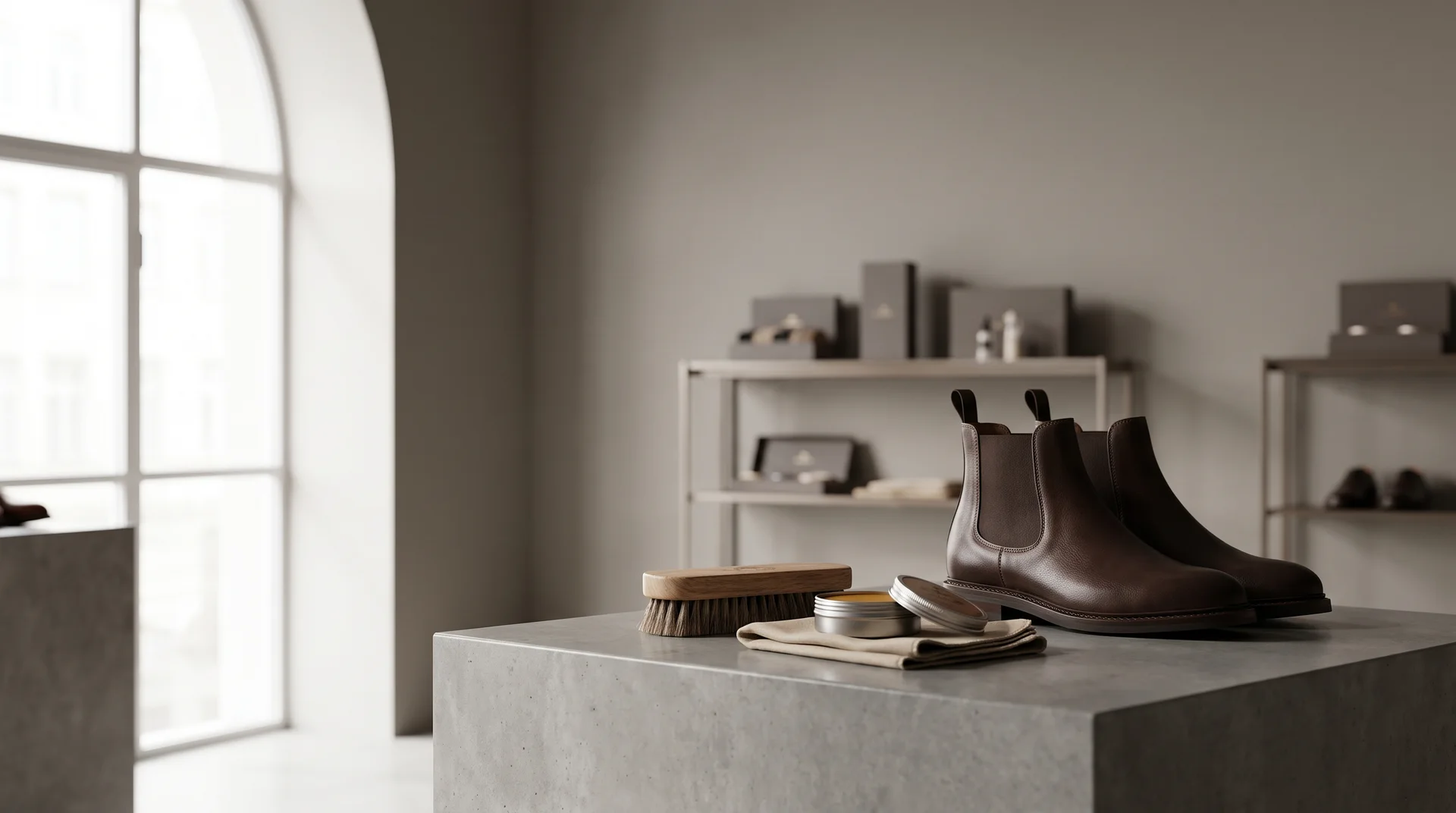
The right accessory selection begins with understanding customer needs and creating synergy with the main product range in your store. Not every accessory fits every shoe, and each customer's expectations vary. Therefore, adopting a data- and observation-based approach rather than a random one when building your portfolio is critical. You can start by analyzing the style, intended use, and lifestyle of your target audience for the shoes you offer. For example, technical socks and specialized sport laces are indispensable for a store selling performance-oriented sports shoes, while cedar shoe trees and quality polish kits are more meaningful for a boutique offering classic men's adult sizes footwear.
Basic and Complementary Accessories
It is useful to divide your accessory portfolio into two main categories: basic and complementary products. Basic accessories are products that can potentially be offered with almost every shoe sale and appeal to a wide audience. These include quality cotton or bamboo socks, standard gel or memory foam insoles, and essential shoe care sprays (water repellents, cleaners, etc.). These products have strong sales arguments as they directly affect customer comfort and shoe lifespan. Complementary accessories, on the other hand, meet more niche needs and are directly related to specific shoe models. For example, offering a suede brush and eraser beside suede boots, proposing elastic laces in different colors alongside a women's footwear model, or displaying heel protectors and anti-slip sole pads for formal shoes provide solutions customers might realize they need at the moment.
Trend and Season-Focused Products
Accessory selection should not remain static; a dynamic approach is necessary. Like shoe fashion, accessories are influenced by trends and seasons. In spring and summer, invisible ballet socks or laces in vibrant colors compatible with sandals and canvas shoes might be popular. In winter, thermal insoles, wool socks, and waterproof care products come to the forefront. Special occasions and holiday periods are also opportunities. Themed products like character laces for kids' footwear at back-to-school time or sparkly, shiny socks during the holiday season can trigger impulse sales. Capturing this dynamism keeps your store current and attractive.
Supply Chain and Quality Control: Finding Reliable Sources
Low cost accessories do not mean compromising on quality. On the contrary, a bad-quality insole or socks that fade on the first wash can undermine customer trust in both the accessory and the main product: the shoes. Therefore, accessory sourcing should be taken as seriously as shoe sourcing. Working with suppliers who offer reliable and consistent quality products is key to long-term success. When purchasing wholesale, it is important to consider not only price but also the material quality, workmanship, and durability of the products. Platforms like Bulkoon facilitate this process by bringing together trusted brands and approved suppliers, ensuring buyers have access to products that meet certain quality standards.
Criteria for Choosing the Right Supplier
Several fundamental criteria should be evaluated when selecting the ideal accessory supplier. First, examine the product variety offered by the supplier and whether this variety aligns with your store concept. Second, the flexibility of minimum order quantities (MOQ) is critical, especially for small and medium-sized businesses. Low MOQs allow you to test different products and keep your inventory costs low. Third, the supplier's delivery times and logistics capacity are vital to meet seasonal demands. Lastly, researching the supplier's references and reputation in the industry helps prevent potential problems from the start.
The Importance of Material Information and Certification
Customers are now more conscious and demand more information about product contents. Material quality is particularly important for products that come in direct contact with skin, such as socks and insoles. Natural and breathable materials like bamboo and organic cotton can be preferred for socks; orthopedic-supporting materials like polyurethane, gel, or cork for insoles. Don't hesitate to request detailed information about the material content of products from your supplier. Especially in sensitive categories like infant and kids' products, certifications like OEKO-TEX which prove no harmful chemicals are involved, provide both a security guarantee for you and an important sales argument to offer customers.
In-Store Layout and Presentation Techniques
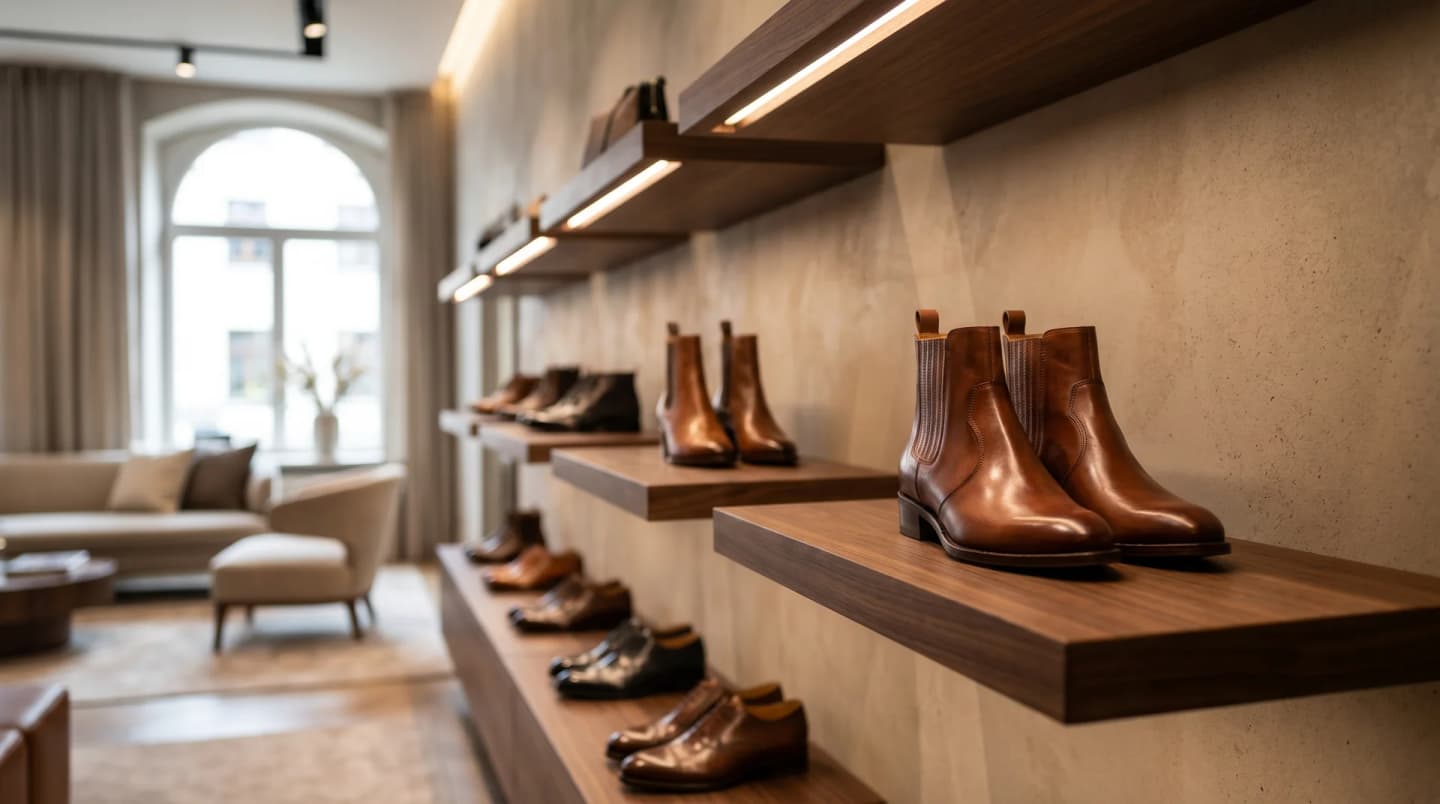
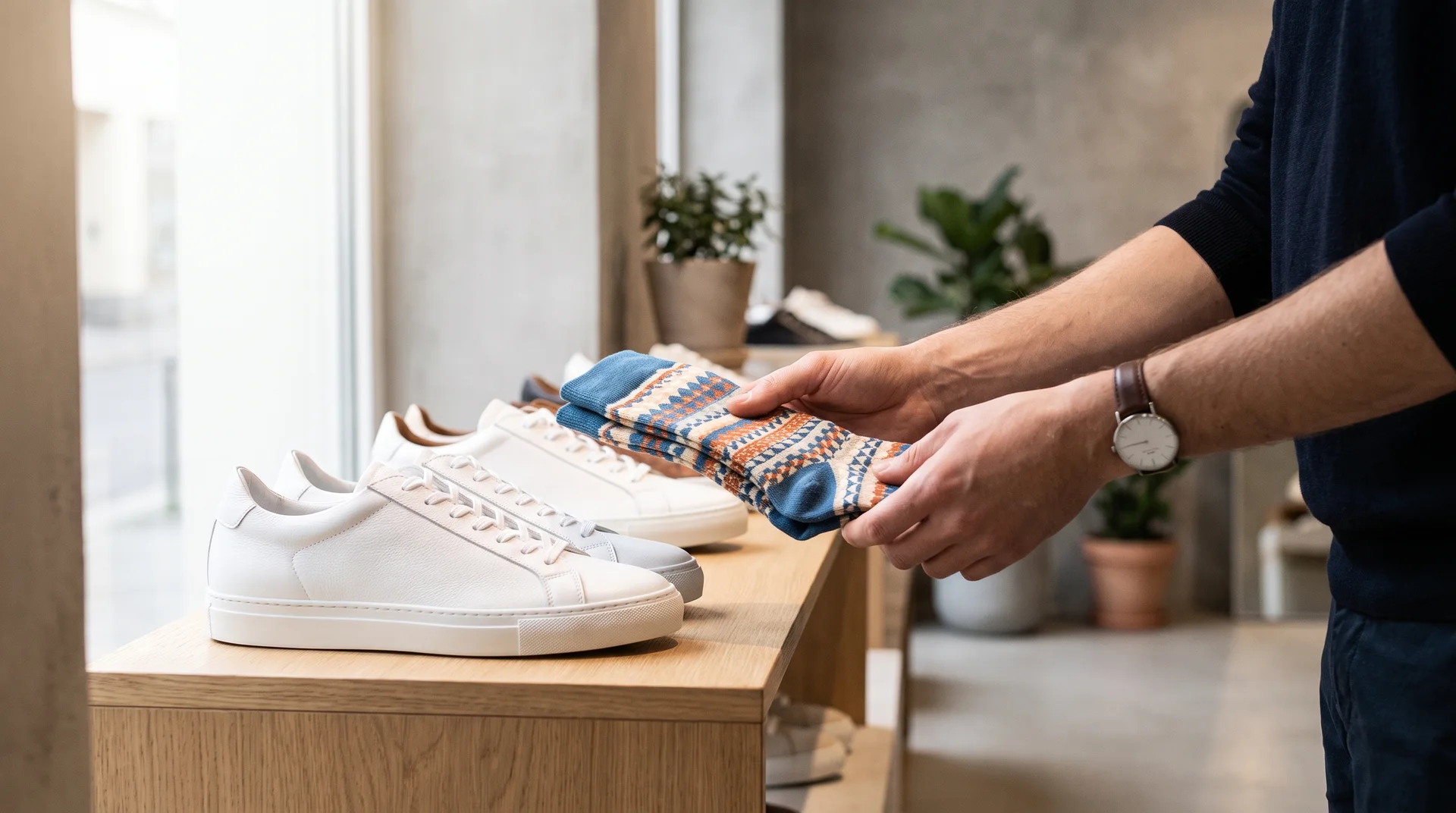
Even if you source the highest quality accessories at the best prices, they will not reach their potential unless you display them correctly. In-store layout is a silent salesperson that guides the customer's buying journey. Since accessories are usually small products, they can easily be overlooked. Therefore, it is necessary to make them visible and position them to attract customer attention. Strategic placement contributes directly to your revenue by triggering impulse buying decisions and creating cross-selling opportunities. This requires organized and logical arrangement rather than cluttered displays.
Checkout Counter Opportunities: Triggering Impulse Purchases
The checkout area is one of the most valuable retail real estates. The short waiting time customers have while paying is a perfect opportunity to offer low-cost and high-margin products. Items like colorful laces, small shoe care kits, shoe deodorants, or individually packaged practical socks are ideal for display here. A neat, clean, and eye-catching presentation encourages customers to notice these products and make one last addition to their basket. This strategy is one of the most effective ways to increase average basket value by targeting unplanned, impulsive purchases.
Creating Cross-Selling Zones
Instead of gathering accessories only at the checkout counter, placing them next to related shoe categories is much more effective. This shows the customer that you offer a holistic solution. For example, place water repellent sprays and wool socks next to the waterproof outdoor boots section. Add performance-enhancing gel insoles and ankle-supporting sports socks to the men's sports shoes area. These logical pairings create a connection in the customer’s mind and trigger the thought, "If I’m buying these shoes, I might need these as well." Training your staff to politely suggest related accessories during shoe sales will multiply the success of this strategy.
Pricing and Profitability Analysis
Footwear accessories typically have much higher profit margins compared to the main product: shoes. This situation makes them a powerful tool for increasing revenue. However, it is not possible to fully utilize this potential without the right pricing strategy. When pricing, consider not just the product cost but also the value it provides to the customer, market conditions, and competitor prices. Effective pricing and inventory management enable you to get maximum financial return from these small products.
Margin Calculation and Bundle Offers
Calculate the gross profit margin clearly by determining each accessory’s cost and potential selling price. Generally, it is possible to achieve margins over 50%, sometimes even exceeding 100% on accessories. These high margins give you flexibility. You can use this flexibility to create bundle offers or campaigns. For example, "Get 50% off on a second pair of socks with a pair of shoes" or "Shoe + Care Kit = Special Price" campaigns offer attractive deals for customers and enable you to sell multiple products, increasing total profitability. Such offers create perceived value for customers and accelerate purchasing decisions.
Inventory Turnover and Assortment Management
Accessory inventory management has different dynamics than shoes. While there is no complex size distribution (assortment) issue like with shoes, color, size (such as S/M/L for socks), and model variety are elements to manage. The turnover rate of accessories can generally be slower than shoes, so it is important to avoid overstocking. Keep larger stocks of the best-selling basic products (black/white socks, standard insoles) while sourcing trend or seasonal products in smaller batches to reduce risk. Regularly analyze your sales data to monitor which accessories sell quickly and which remain on shelves, and shape your wholesale purchasing process according to this data.
Accessory Marketing on Digital Channels
Transferring your physical store strategies to digital platforms is another way to further increase accessory sales. Your e-commerce site and social media accounts are powerful channels for promoting these small but profitable products and cross-selling to your customers. Digital marketing not only displays the products but also educates customers and persuades them to buy by explaining benefits and uses. Visual quality and informative content are keys to success in digital.
Product Page Optimization on Your E-Commerce Site
When a customer examines a shoe model, they should also see compatible accessories on the same page. Add modules like "Frequently Bought Together" or "Customers Also Bought" to your e-commerce product detail pages. For example, automatically suggesting gel heel cushions on a stiletto page or special sports laces on a running shoe page is a proven method to increase basket size. Create detailed pages for each accessory with high-quality photos and product texts clearly explaining benefits. This helps customers better understand the product and confidently add it to their cart.
Social Media and Content Marketing Ideas
Social media is an excellent platform to utilize the visual potential of accessories. You can share short videos (Reels/Shorts) showing different lace-tying techniques, posts explaining how to clean suede shoes, or aesthetic photos showcasing your new seasonal sock collection. Such content not only sells products but also adds value for your followers and positions you as an authority on shoe care and style. Featuring customer reviews and photos builds social proof and encourages other potential buyers. For other strategies, you can check our other blog posts.
Conclusion: Making a Big Difference with Small Touches
Footwear accessories are the unsung heroes of your retail operation. When approached with the right strategy, these small products can significantly increase your revenue, strengthen customer loyalty, and enhance the value your store offers. Every step-from strategic product selection to smart supply management, effective in-store presentation to digital marketing-is an opportunity to turn this potential into reality. Viewing accessories not as mere side products but as strategic assets that complement and enrich your main product range will make a big difference in your business’s profitability and sustainable growth.