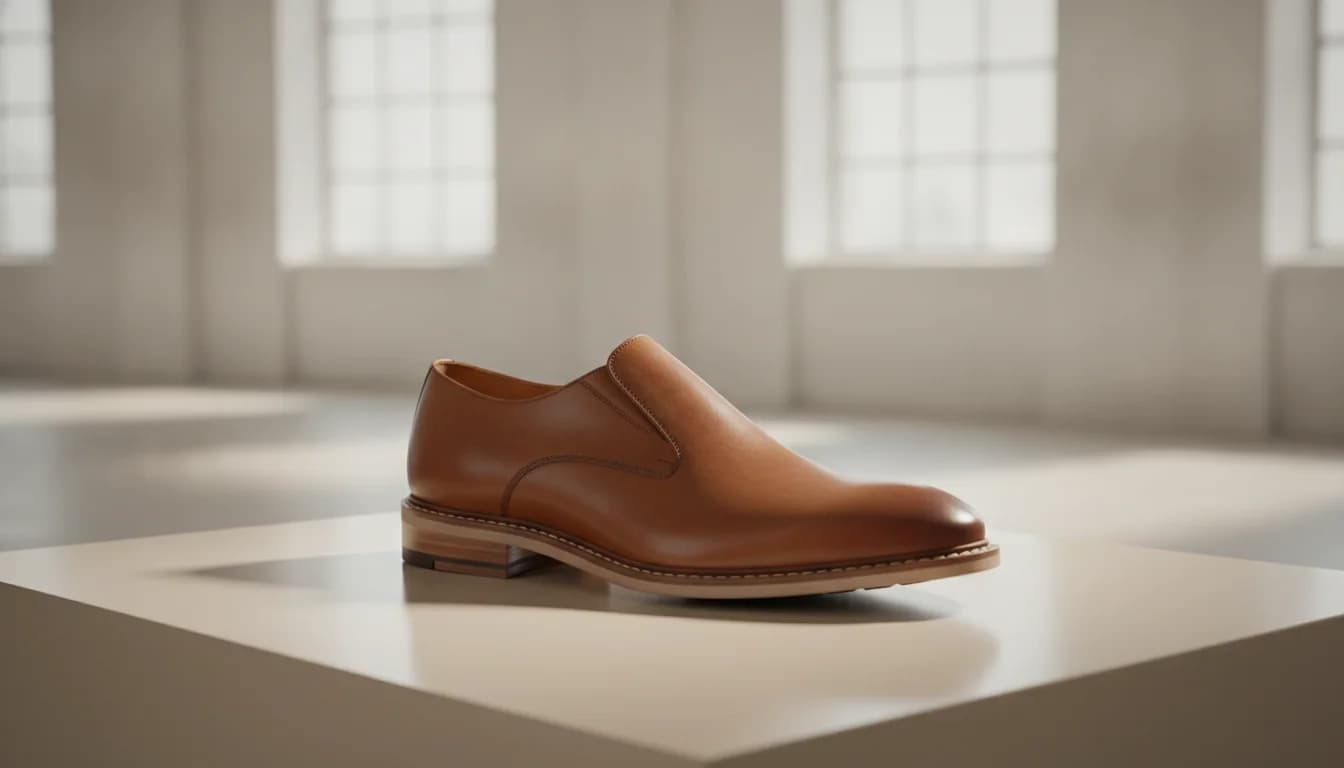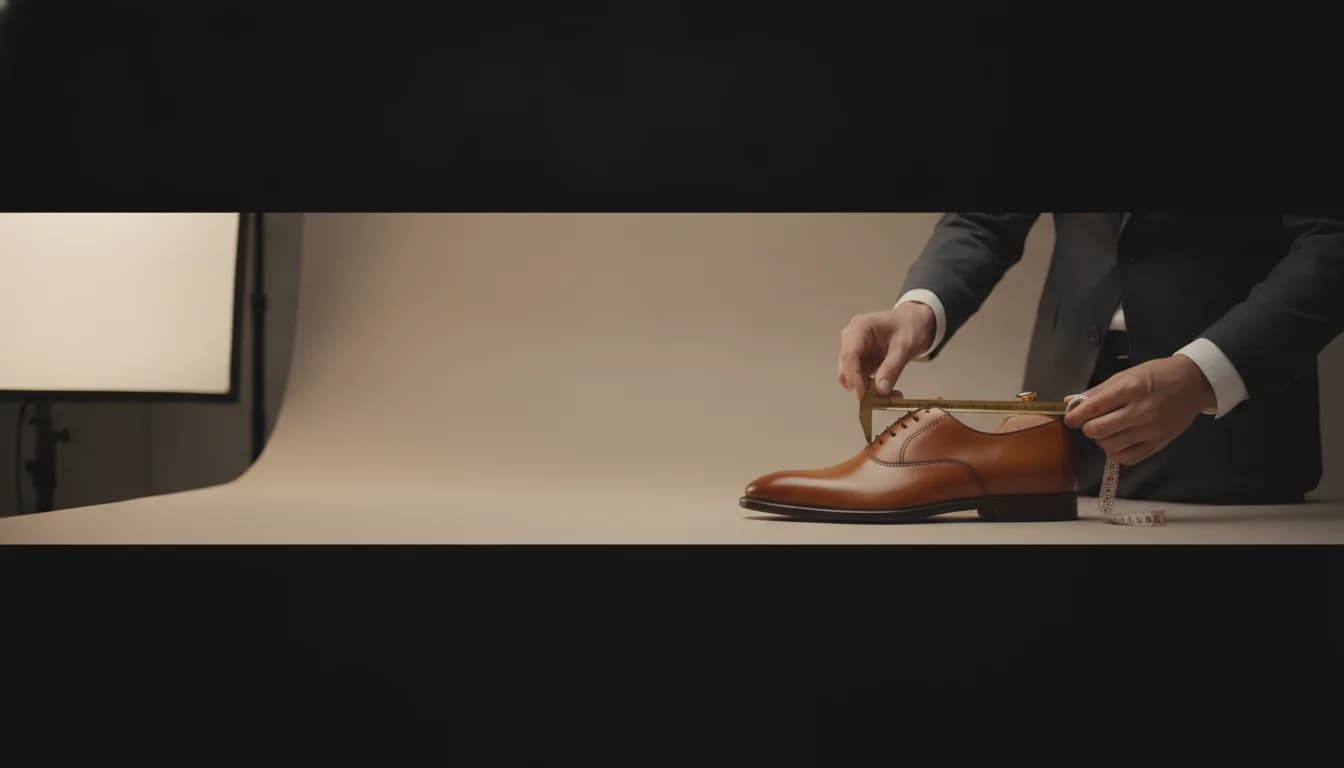
Is Your Storefront Display Convincing Customers to Come Inside?
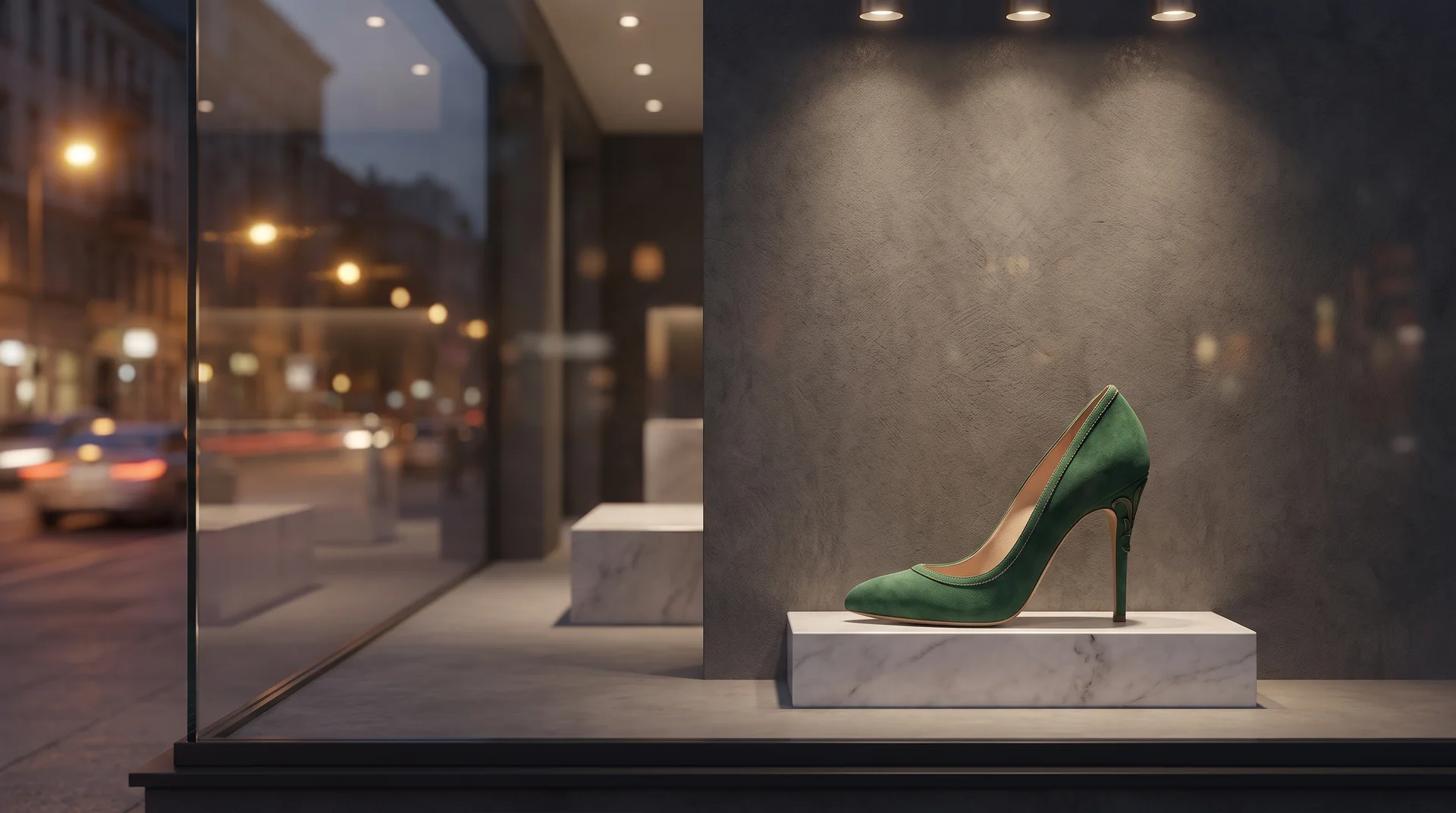
A store's storefront display is the first point of contact with potential customers. Discover how you can make your display more inviting and increase your sales with strategic elements like color use, product arrangement, lighting, and seasonal changes.
The storefront display of a footwear store is not merely an area made of glass and light; it is a silent salesperson that reflects your brand identity, establishes the first connection with potential customers, and invites them inside. Those first few seconds that slow down a passerby’s steps and direct them toward your store depend entirely on how effective your storefront is. A neglected or carelessly arranged display is not only an aesthetic shortcoming but also a missed sales opportunity. With the right strategies, this area can be transformed into a powerful marketing tool that increases store traffic and, consequently, turnover.
Fundamental Principles of Storefront Design: Why Are the First Seconds Critical?
Your display is a preview of the experience your store offers. Customers form an instant judgment about what they will find inside, product quality, and price range just by looking at the storefront. Therefore, managing the first impression correctly is one of the cornerstones of retail success. A cluttered and chaotic display creates confusion in the customer’s mind, while a clean, focused arrangement that tells a story sparks curiosity and builds trust.
A successful storefront goes beyond merely showcasing products; it creates an emotion and atmosphere. This atmosphere should align with the expectations and lifestyle of your target audience. A store selling sports shoes aimed at young people should have a dynamic and energetic storefront, while a shop offering classic men's footwear should use a more sober and sophisticated language. The connection established in these first seconds directly influences the customer’s decision to enter the store.
Storytelling and Theme Setting
The most effective storefronts unite around a theme and tell a story. Instead of arranging products randomly, make them part of a concept. For example, with the theme “Summer Evenings in the City,” you can present an elegant Women’s Stiletto model alongside a chic sandal and perhaps some accessories. During the “Back to School” period, you might combine kids' footwear with thematic decorations like notebooks and pencils. This approach transforms your products from mere objects into parts of moments in the customer's life.
Creating a Focal Point
The human eye naturally seeks a focal point in a visual space. If everything in your storefront appears equally important, then in reality, nothing stands out. Therefore, identify one or a few key products that will be the first to capture the customer’s attention. This could be the season’s trendiest model, the highest margin product, or footwear featured in a special promotion. After determining the focal point, arrange other products and decorative elements to support it. This is usually achieved with the most striking item placed at the center or at eye level of the display.
The Power of Color Psychology and Lighting
Colors and lighting are the two most powerful elements shaping the atmosphere of a storefront and customer perception. When used correctly, these tools can trigger specific emotions, make your products look more attractive, and strengthen your brand message. Poor color or lighting choices can make even the highest quality products appear dull and lifeless. Therefore, special attention must be given to these two details in storefront design.
Storefront lighting not only ensures visibility but also creates depth and emphasis. Colors reflect your brand personality and communicate instantly with your target audience. When these elements work in harmony, your storefront becomes a magnet for passersby.
Seasonal and Collection-Appropriate Color Palettes
Your color choices should reflect the season and the spirit of the collection you are showcasing. Pastel tones, lively greens, and yellows convey freshness in spring, while brown, burgundy, and mustard earth tones create a warm and cozy atmosphere in autumn. Using vibrant colors like turquoise and coral for Women’s Flat Sandals from the summer collection elevates energy. When selecting your color palette, ensure the background color doesn’t overpower your products but rather highlights them. Contrast colors can be used to emphasize specific items.
Highlighting Products with Proper Lighting
Lighting is the hidden hero of storefront design. Instead of general lighting, adopt a layered lighting strategy. Spotlights directed at your designated “hero” products can create a dramatic effect. LED strips can illuminate beneath shelves or the edges of the display to add depth. The color of the light is also important: warm white light (yellowish) gives a luxurious and cozy feel, while cool white light (bluish) produces a more modern and technological perception. Especially at night, ensure your storefront is sufficiently lit and minimize glare.
Creative Techniques for Displaying Footwear
Simply lining up shoes side by side is not enough to showcase their potential. Creative display techniques add movement, rhythm, and visual appeal to your products. Guiding the customer's eye around the display to discover different models increases engagement. These techniques also provide clues about how meticulous and professional your store is.
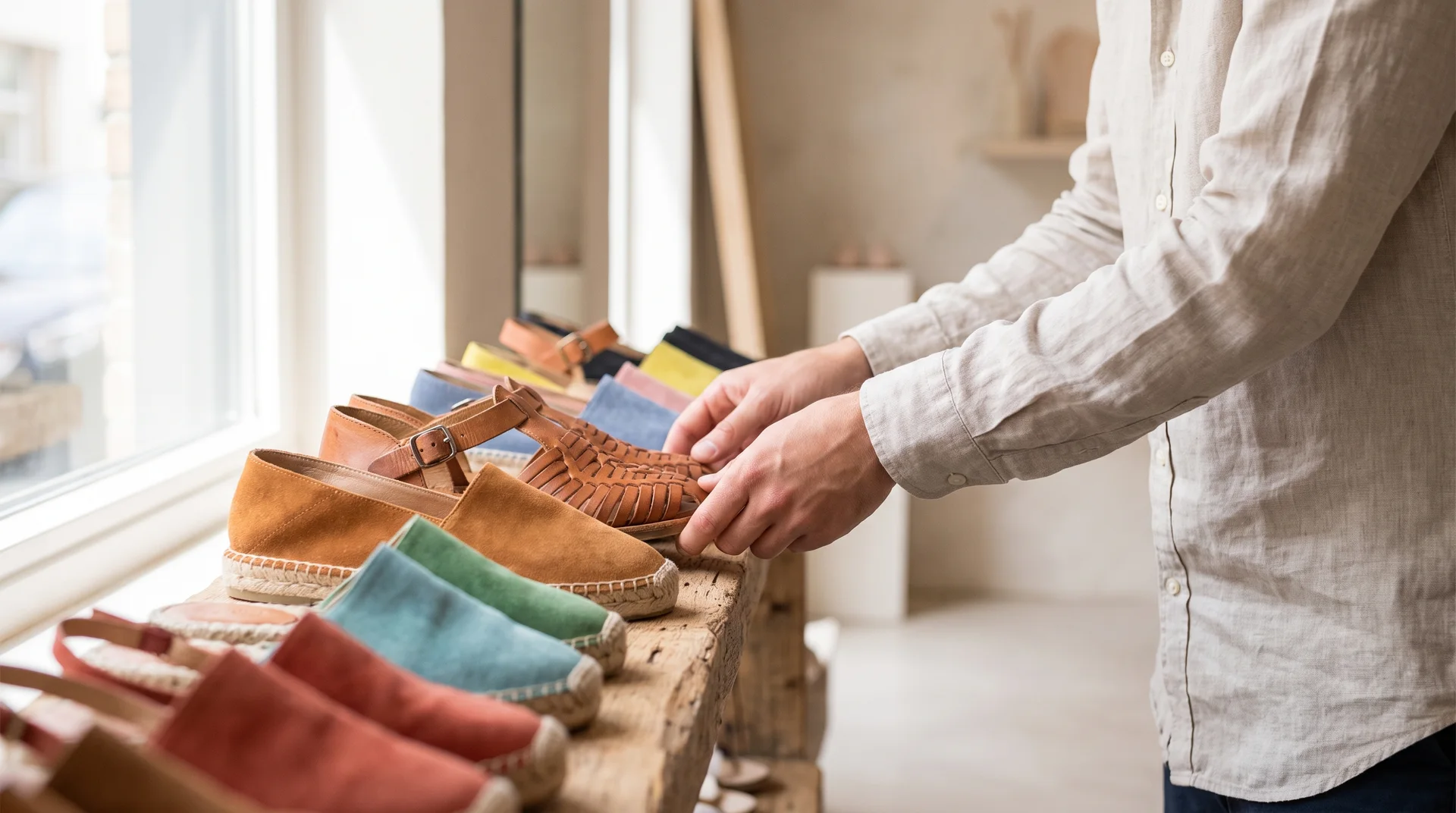
The goal is to create a dynamic composition, avoiding static arrangements. Using different heights, angles, and groupings allows each shoe’s unique features, texture, and form to be showcased optimally. This is especially useful when wholesale purchasing to effectively present the variety you have chosen to your customers.
Use of Balance, Symmetry, and Asymmetry
Visual balance is a fundamental principle that makes a composition pleasing to the eye. Symmetrical arrangements create a mirror image on both sides of the storefront, producing a neat, formal, and classic feeling. This is often preferred for luxury or classic products. Asymmetrical arrangements are more modern, dynamic, and energetic. They are created by balancing objects or product groups of different sizes and tend to attract more attention. For example, you can place a group of three Men’s Sports shoes on one side and balance it asymmetrically with a large poster or decorative item on the other side.
Leveling and Grouping Strategies
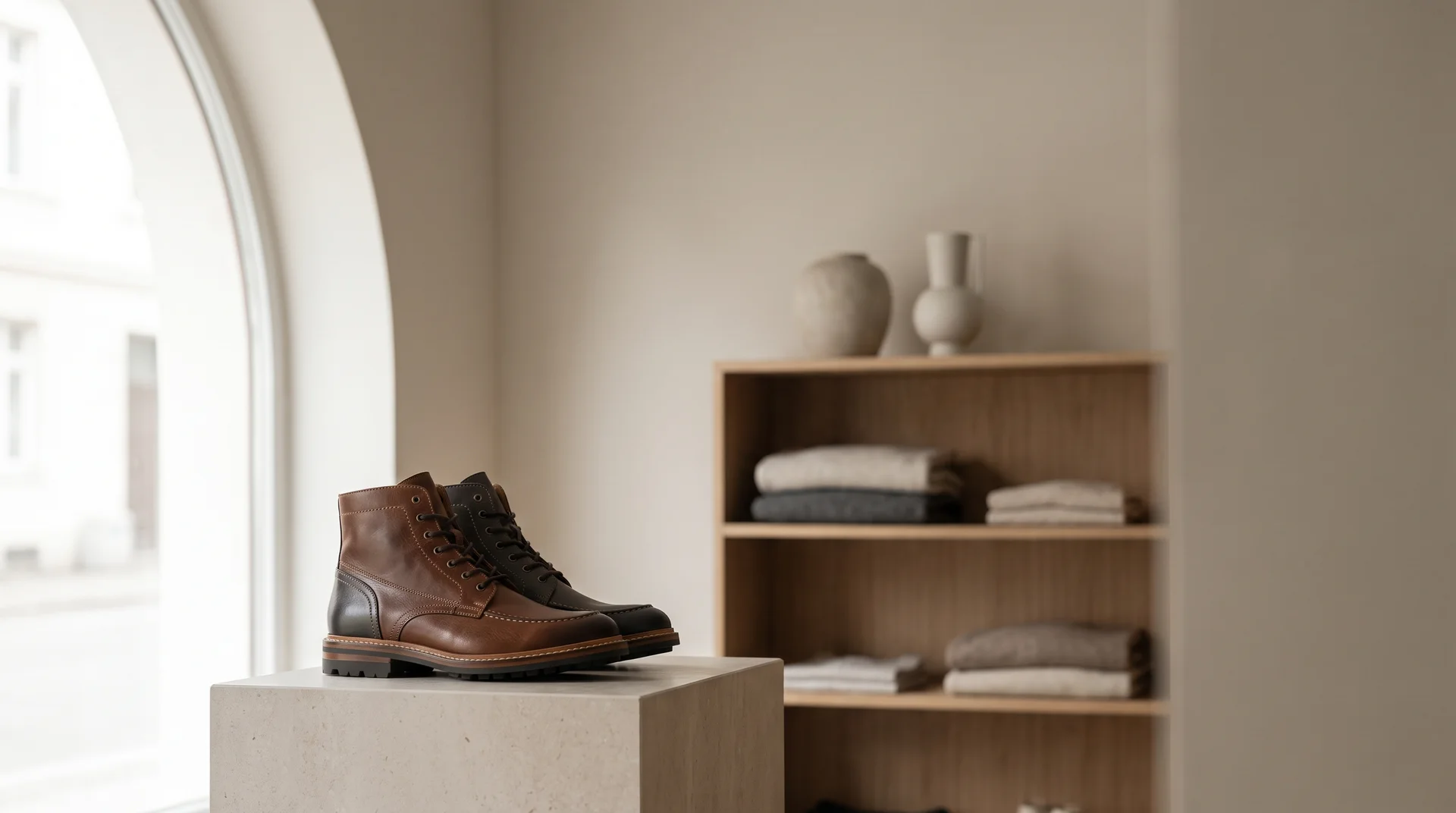
Displaying all products at the same level makes your display dull and monotonous. Instead, use boxes, shelves, pedestals, or specially designed stands at different heights to create a visual hierarchy. This helps the customer’s eye move naturally from bottom to top and left to right within the display. Group products logically: by colors, styles (e.g., all boots together), or usage purposes (e.g., a "rainy weather" corner). This facilitates customers finding what they want and understanding the breadth of your collection.
The Importance of Seasonal and Thematic Window Changes
Even the most wonderful storefront design loses its impact over time. A storefront that remains the same becomes invisible to customers who regularly pass by. Regularly changing your display sends the message that your store is lively, up-to-date, and worth following. These changes are opportunities not only to showcase new products but also to bring seasonal enthusiasm and excitement for special occasions into your store.
Creating a planned display calendar makes managing this process easier. This calendar should include major season changes (Spring/Summer, Autumn/Winter), holidays (Ramadan Feast, New Year), special days (Mother’s Day, Valentine’s Day), and periods like the start of school. Regular change excites customers by giving them something new to discover on each visit.
Calendar-Linked Concepts (Holidays, Special Days)
Special days are periods when customers’ shopping motivation is high, and your storefront should capture this energy. Use snowflakes, lights, and gift packages for New Year; emphasize reds, pinks, and heart motifs for Valentine’s Day. During the school period, display kids' models like Kids Light-Up Sneakers with school-themed decorations such as chalkboards and chalk. These thematic approaches show that your store is not only a place to sell products but also part of social and cultural events.
Updating According to Trends and New Arrivals
The storefront is the best place to announce your new stocks and the latest trends. With more than 10,000 model options available on wholesale platforms like Bulkoon, immediately taking the newest products you select for your store to the display shows that you are fashion-forward. Customers are more likely to enter the store when they see fresh and new products. Adding a "New Arrivals" label to a corner of the display reinforces this message. Thanks to AI-powered smart selection tools, you can always keep your storefront updated by finding trend products most suitable for your store concept.
The Role of Price Tags and Informative Elements
Often overlooked but directly influencing customer decisions are price tags and other informative materials in storefront design. Your pricing strategy and brand identity determine how you use these elements. Some stores transparently show prices to provide a message of accessibility, while some luxury brands prefer to conceal prices to evoke curiosity and exclusivity.
The key is for your chosen approach to be consistent and professionally executed. Handwritten, wrinkled, or careless tags may leave a negative impression of product quality. Informative elements can convey not only price but also valuable details such as the product’s material, origin, or campaign specifics.
Clear and Legible Pricing
If you decide to use price tags, make sure they are clean, legible, and harmonize with the overall storefront aesthetic. Choose a font and design consistent with your brand identity. Ensure tags are not so large as to overshadow the product but are comfortably readable from a reasonable distance. Classic methods like crossing out the old price and indicating the new one when showing a discount or promotion strengthen the customer’s perception of value.
Details Conveying Brand Message and Quality
Beyond price, you can emphasize product features with small information cards. Expressions like "100% Genuine Leather," "Handmade," or "Waterproof Technology" increase customers’ perception of quality and support purchasing decisions. These details can be critical for customers looking for a specific feature or quality. Small, elegant signs featuring your brand logo or slogan also strengthen brand identity and give a professional touch to your display.
Final Touches for a Successful Storefront
An effective storefront arrangement is not a one-time project but a dynamic process requiring continuous attention and care. After completing your design, view it from outside the store from the customer’s perspective. Check how it looks from different angles and at different times of day (daytime and night). Always ensure the glass is spotless, lights are all functioning, and products are dust-free. Remember, your storefront is your store’s face, and this face must always look its best. This attention shows the value you give to customers and is the final touch that convinces them to step inside. You can discover the best products for your store by getting inspired from Bulkoon Blog articles or exploring the How It Works page.