
Why Is It Wrong to Focus Only on Price When Buying Wholesale Footwear?
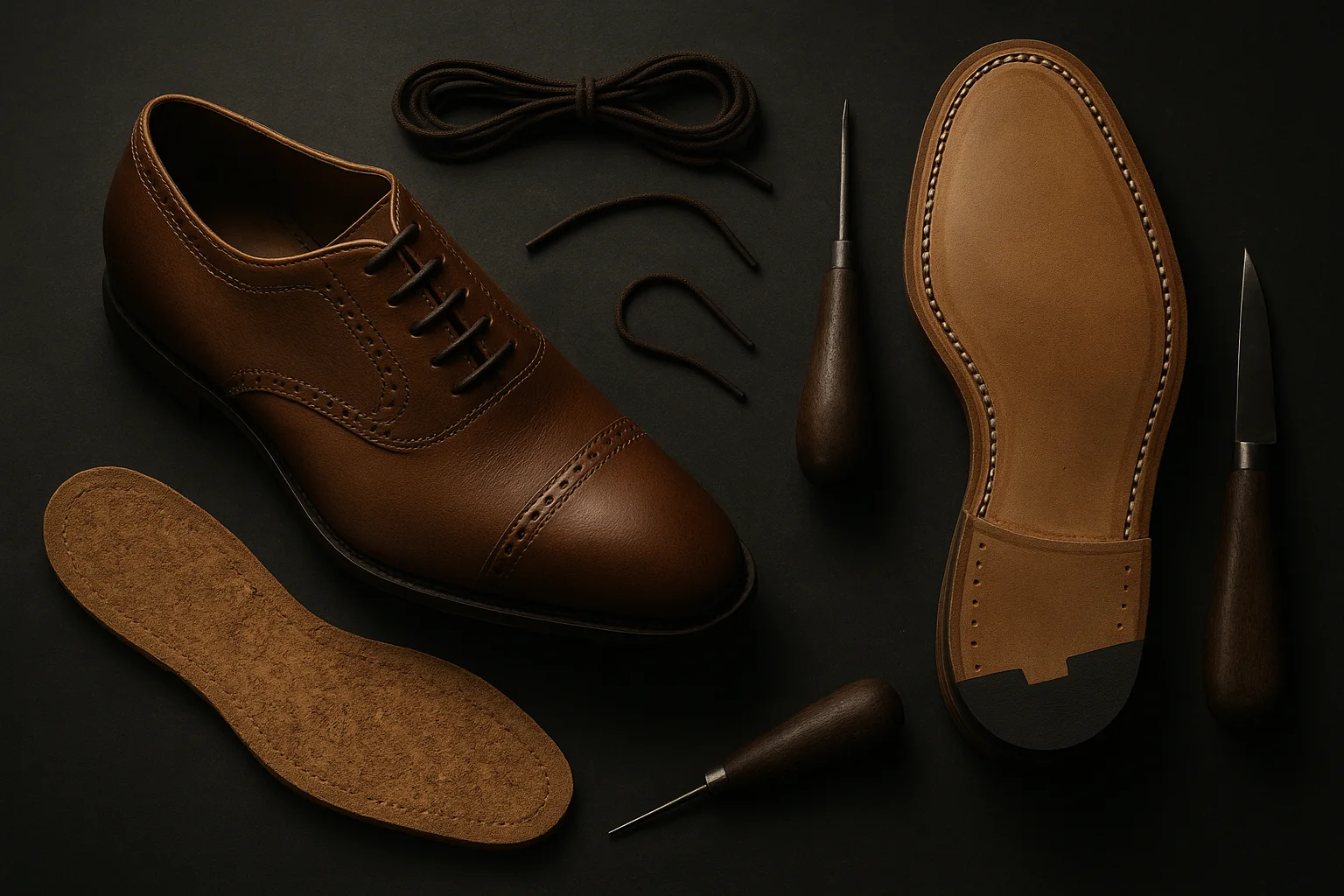
The lowest price in wholesale footwear does not always mean the highest profit. Product quality, return rates, customer satisfaction, and brand reputation directly impact total profitability. Building a value-focused sourcing strategy is critical for long-term success.
When purchasing wholesale footwear, especially for a new business owner, the instinct to minimize cost per unit is very strong. Low numbers on the price tag promise high profit margins on paper. However, experienced retailers know one reality: the cheapest product is rarely the most profitable. A price-focused purchase decision can bring hidden costs ranging from return rates to brand reputation, customer loyalty, and operational burden. The foundation of building a successful footwear retail business lies in understanding the total value the product offers beyond just the price.
Hidden Costs Beyond Price
The unit price in wholesale buying is only the visible tip of the iceberg. The real costs begin to appear after the product enters your store and reaches the customer. Low-quality but cheap footwear might seem attractive in the short term but can cause a series of problems that erode profitability in the long run. Anticipating these hidden costs is vital for your financial health.
High Return Rates and Operational Burden
Low price often means compromised quality. Footwear made with weak stitching, poor adhesives, or fragile materials may deform after only a few uses. This inevitably increases customer returns. Each return is not merely a loss of product cost. Additional expenses include return shipping fees, staff time spent inspecting and restocking or disposing of the product, and the operational complexity of managing the return process. For example: a boutique owner purchases 100 pairs of sport shoes at a price well below market average. Because the shoes’ soles wear out quickly, 20 pairs are returned. This 20% return rate can completely erase the original price advantage.
Customer Dissatisfaction and Lost Repeat Sales
Perhaps the greatest hidden cost is lost customer trust. A customer dissatisfied with the footwear they purchased from your store will not only return the product but is also very unlikely to shop with you again. Worse, they may share their negative experience with others and on online platforms, causing you to lose potential customers. Conversely, quality products have the opposite effect. Customer satisfaction triggers repeat sales and word-of-mouth marketing, building a loyal customer base. Remember, acquiring a new customer costs much more than retaining an existing one.
The Impact of Product Quality on Brand Image
Every product you display on your store shelves tells a story about your brand. The quality of the footwear you sell shapes customers’ perception of your business identity. Therefore, product selection is not merely an inventory decision but also a brand positioning strategy. Quality is the fundamental element that builds or damages your reputation over time.
Quality Perception and Store Reputation
A store that consistently offers low-quality products will eventually be labeled as "cheap." This perception causes you to lose the customer segment that seeks quality and style beyond price. On the other hand, consistently offering durable and aesthetically pleasing products gives your store a trustworthy and quality image. Customers know that a women’s stiletto or a men’s sport shoe they buy from your store is worth the price. This trust encourages them to purchase higher-priced products confidently and fosters brand loyalty.
The Long-Term Value of Materials and Craftsmanship
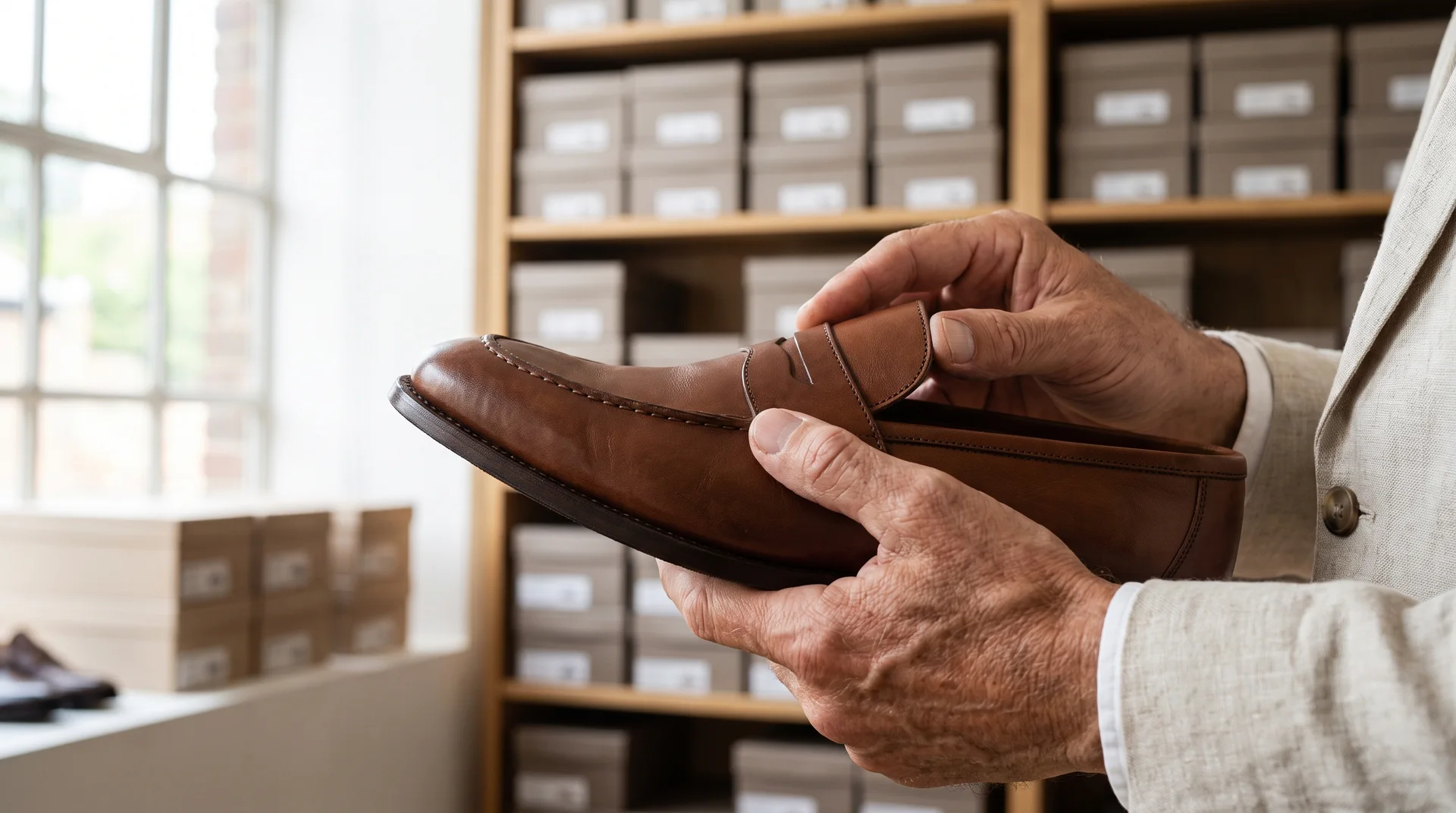
The difference between footwear made from genuine leather, quality suede, or technical textiles and ones made of synthetic, low-cost materials shows not only in appearance but also in durability. Good craftsmanship ensures comfort, sturdiness, and shape retention. Customers feel this difference. Although a quality product may have a slightly higher wholesale cost initially, its longevity makes it more valuable to customers, thus elevating your store’s overall value perception.
Stock and Season Management Directly Affecting Profitability
Alongside price, how well the purchased products fit your store’s dynamics and market demand is another important aspect in wholesale buying. Buying the cheapest footwear can lead to losses if it is not purchased at the right time with the correct size distribution. This section focuses particularly on assortment and inventory turnover rate, which are foundational to footwear retailing.
The Importance of Correct Assortment and Size Distribution
"Assortment" in footwear refers to a series of a model made up of different sizes. A standard assortment usually includes sizes from 36 to 40 or from 40 to 44. However, the sales potential is not the same for every size. For example, in a women’s ballet flat model, sizes 37-38 may sell quickly, while size 39 might be more in demand in a heeled model. Buying a standard assortment just because it’s cheap causes popular sizes to sell out quickly and less popular sizes to linger on shelves. This “dead stock” ties up capital with no return. A profitable purchase means selecting assortments with the correct size distribution tailored to the model’s target audience.
Seasonal Trends and Inventory Turnover
Inventory turnover rate is a critical metric that shows how quickly your stock is sold and converted into cash. Buying a low-priced but out-of-season or unfashionable product slows your inventory turnover. For example, stocking up on women’s sandals found cheaply at the end of summer ties up capital until the next season. Investing instead in slightly more expensive, seasonally trending products that sell fast optimizes your capital use. Fast inventory turnover means increased cash flow and greater purchasing power for new stock.
The Role of Supplier Reliability and Business Partnerships
The price of a product cannot be considered independently from the supplier providing it. A supplier offering the lowest price but lacking reliability can jeopardize your business. Supplier selection is not a one-time transaction but a long-term partnership decision. A reliable supplier not only supplies products but also supports your business growth.
Advantages of Working with Approved Suppliers
A trustworthy supplier ensures product quality standards, meets delivery deadlines, and maintains transparent communication. This enables you to plan stock accurately and keep your promises to customers. Platforms like Bulkoon minimize risks by connecting buyers only with approved suppliers. Working with a verified supplier network eliminates fraud risk and ensures dealings with companies that stand behind their products and have commercial reputations. This assurance is far more valuable than just a low price.
Communication and Problem-Solving Capacity
Trade can occasionally face issues such as defective products, incomplete shipments, or logistics delays. At these times, the supplier’s communication skills and problem-solving ability are critical. An inaccessible, unaccountable, or uncooperative supplier can turn minor issues into major crises. A good business partner takes ownership of the problem, provides quick solutions, and works with you to minimize losses. Such relationships strengthen your business resilience in the long run.
Developing Smart Wholesale Purchasing Strategies
Instead of focusing solely on price, developing a purchasing strategy centered on the concept of “total value” is the key to sustainable success. This requires balanced analysis of multiple variables including quality, price, supplier reliability, and market demand. Modern technologies and digital platforms make this process easier and more efficient than ever.
Establishing the Price-Performance Balance
A smart buyer seeks the product offering the best performance for its price, not just the cheapest. This involves evaluating the product’s material quality, craftsmanship, design, and the expectations of your target customers. Sometimes paying 10% more for a product that is 50% more durable and in higher demand significantly increases profitability. Achieving this balance requires comparing products from different suppliers and brands, requesting samples, and examining product reviews.
Efficient Selection Using Digital Platforms
Previously, product comparisons were made by traveling among wholesalers; now, digital B2B marketplaces enable this with a few clicks. Bulkoon offers over 10,000 model options, allowing you to view thousands of products across different quality and price segments on a single screen. Advanced filtering options let you search by material, brand, price range, and other criteria to find the exact price-performance product you need. This saves both time and additional travel costs. Understanding how the platform works will make the process even more efficient.
Conclusion: Value-Focused Purchasing for a Profitable Future
Price is an important factor in wholesale footwear purchasing but should not be the sole determinant. Being tempted by low unit costs can lead to bigger costs such as returns, customer loss, damaged brand image, and dead stock. Successful retailers measure a product’s real value by quality, market demand, supplier assurance, and long-term profitability potential. Adopting a value-focused approach not only helps build a more profitable business but also creates a brand that customers trust and loyally support.
Sources
Information in this article draws on the following sources.