Local Production or Import? Cost Analysis for Footwear Boutiques

A cost analysis between import and local production for footwear boutiques. Discover how to determine the most profitable sourcing strategy for your store by comparing critical factors like customs duties, logistics speed, quality control, and inventory management.
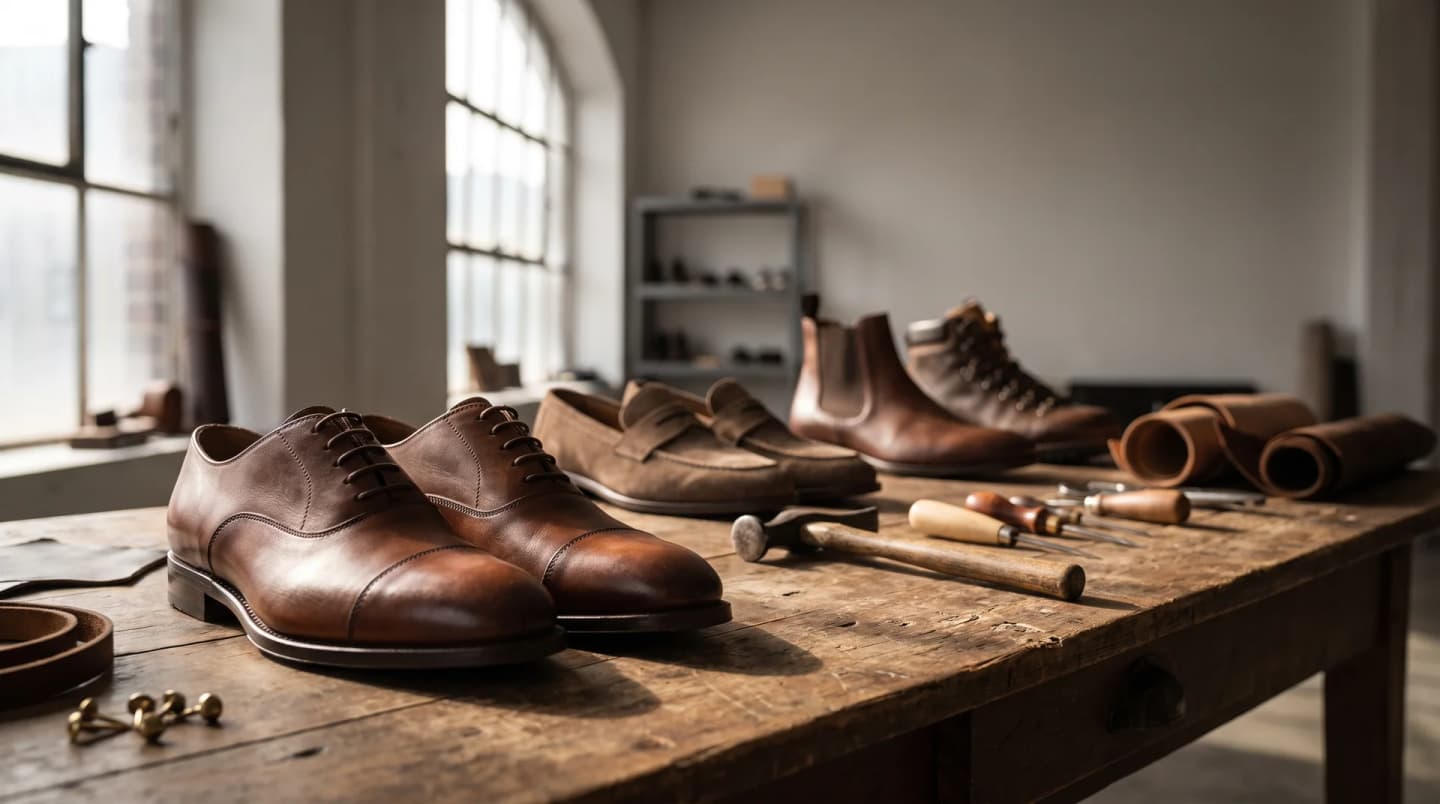
One of the most strategic decisions for footwear boutique owners is where to source their collections from. On one hand, there are the low unit prices offered by the Far East, especially China and Vietnam, and on the other, the speed, flexibility, and quality advantages provided by local production. This decision is not just about the wholesale cost per pair of shoes; it is a complex equation involving many variables such as logistics, taxes, inventory turnover rate, and brand identity. The right sourcing strategy directly impacts a boutique's profitability and competitive strength in the market. In this analysis, we will help you find the best path for your business by deeply examining the cost structures of both approaches.
Beyond Unit Cost: Understanding Total Supply Cost
The most common mistake when making a sourcing decision is focusing solely on the product's price tag. However, the total cost of ownership, meaning all expenses incurred until a product reaches your store shelf, provides a much broader perspective. The real difference between import and local production emerges with this holistic approach. Both models have visible and hidden cost items unique to them, and calculating these correctly is critical for your financial health.
Visible and Hidden Expenses of Importing
Unit prices in the import process usually look attractive, but this is just the tip of the iceberg. Many costs are added on top of the FOB (Free On Board) price. These include international shipping (by sea or air), insurance, and port fees. Once the goods enter Turkey, the real cost increases begin: Customs Duty, Value Added Tax (VAT), and especially the Additional Customs Duty (İGV) applied specifically to the footwear sector significantly raise costs. Additionally, exchange rate fluctuations and potential anti-dumping taxes present unpredictable risks that can shake your budget. These hidden costs can easily double the initially attractive price.
Cost Structure of Local Production
Purchasing from local manufacturers offers a much more transparent and predictable cost structure. Beyond the manufacturer's set price, usually only VAT and domestic cargo fees are added. There are no complex or variable costs such as customs, international freight, or exchange rate risks. Although manufacturers in Turkey are affected by fluctuations in raw material prices, the uncertainty over total cost is much less compared to imports. This situation allows boutique owners to better plan cash flow and base their pricing strategies on a more solid foundation. Platforms like Bulkoon simplify this process even further by offering the ability to compare the prices of different local footwear manufacturers and their brands from one place.
Logistics and Delivery Times: Who Has the Speed Advantage?
In the retail sector, time is money. Especially in the rapidly changing footwear category, the ability to respond instantly to trends and refresh inventory at the right time is vital. Logistics processes and delivery times form one of the sharpest dividing lines between import and local production. The duration from when a model goes into production until it reaches the store directly affects your profitability.
Sourcing from the Far East: A Process Requiring Planning and Patience
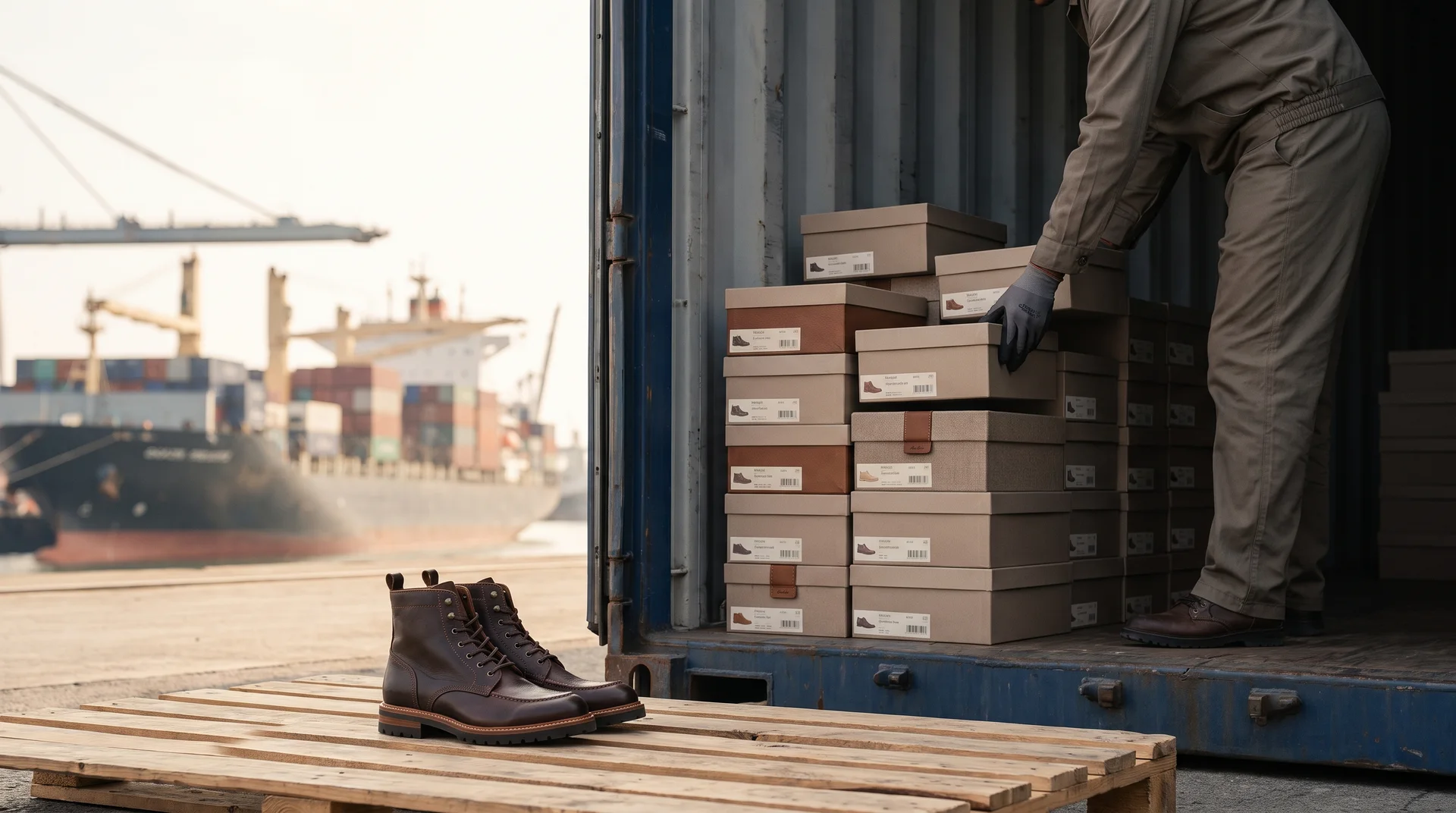
Importing from China or Vietnam requires long-term planning discipline. The time from placing the order until the products arrive at your warehouse in Turkey typically ranges from 6 to 12 weeks. This process includes production, shipment to the port, customs clearance, and weeks-long sea transit. This long waiting time forces businesses to forecast seasonal trends months in advance. If these forecasts are incorrect, the store can be left with unpopular product stock. Moreover, uncontrollable factors such as global supply chain disruptions or port congestions can delay deliveries further, disrupting your seasonal plans.
Sourcing from Turkey: Flexibility and Rapid Response
Working with local manufacturers gives boutiques a tremendous advantage of speed and flexibility. Orders can usually be delivered within a few days or weeks. This allows store owners to quickly react when a trend becomes popular, instantly replenish stocks of best-selling models, and respond to customer demands in real time. For example, since all products listed on the Bulkoon platform are only ready stock, orders are quickly prepared for operation and dispatched in a short time. This speed translates into lower inventory costs, higher inventory turnover rate, and fewer missed sales opportunities. This advantage plays a critical role especially in dynamic categories such as wholesale women's sports footwear.
Quality, Standards, and Communication Factors
As important as a shoe's cost and delivery speed is its quality and its ability to meet customer expectations. Quality issues lead to increased returns, decreased customer satisfaction, and damage to brand reputation. The choice of supply source directly impacts quality control processes and the efficiency of communication with the manufacturer. Reliable and consistent quality is the foundation of long-term success.
Quality Control Challenges in Imported Products
It is very difficult to inspect the quality of products manufactured thousands of kilometers away. Usually, the quality agreed upon through samples differs from the final products in mass production. Traveling to inspect the production process onsite is costly and time-consuming. Language barriers and time differences can slow down problem resolution and cause miscommunication. This situation presents serious risks, especially for products like women's high-heeled shoes, where technical details are important. Working with third-party inspection firms for quality control increases the total cost even further.
Benefits of Close Collaboration with Local Manufacturers
Working with local manufacturers greatly facilitates communication and quality control processes. Visiting production facilities, seeing materials onsite, and personally monitoring production is much simpler. Speaking the same language and sharing the same cultural context allows expectations to be communicated accurately. There is an opportunity to intervene quickly and find solutions in case of any problem. Bulkoon makes this process even more secure. All suppliers on the platform are approved suppliers who meet certain standards. This ensures buyers work with trustworthy and proven manufacturers, minimizing risks related to quality.
Taxes, Customs, and Legal Obligations
One of the most complex and costly stages of the supply chain is the legal and financial obligations. Importing involves extensive bureaucracy and taxation networks, whereas domestic purchases have a much simpler and more predictable structure. Failing to manage these processes properly can lead to unexpected fines and serious financial losses.
Tax Burden and Regulatory Changes on Imported Footwear
Imported footwear faces a heavy tax burden in Turkey. In addition to the standard Customs Duty, the Additional Customs Duty (İGV) aimed at protecting local manufacturers significantly increases product cost. These taxes may vary depending on the product’s country of origin and type. Moreover, import footwear taxes and customs regulations are often updated. This variability makes long-term cost projection difficult for importers and sudden tax increases can wipe out profit margins entirely. Customs brokerage services and other bureaucratic procedures also represent extra cost items.
Simplified Processes for Domestic Purchases
Wholesale footwear purchases from within the country are much simpler financially and legally. The process basically consists of an invoice and VAT payment. There are no customs declarations, certificates of origin, or complex tax calculations involved. This simplicity saves both time and consultancy costs. Boutique owners can focus their energy on growing sales and marketing instead of resolving complex import procedures. This predictability is a great advantage, especially for newly established or small-scale businesses.
Inventory Management and Profitability Perspective
The right sourcing decision not only determines costs but also how effectively a boutique manages its most valuable asset: its inventory. Inventory turnover rate, proper size run planning, and efficient use of capital are the cornerstones of profitability. Import and local production require different strategies in these critical operational aspects.
Assortment Planning and Size Distribution Strategies
Import operations require high minimum order quantities (MOQs) and standard assortment packages (for example, series including certain quantities of each size between 36-40). This forces boutique owners to invest in sizes or colors that may not meet their customer base’s demands. As a result, some sizes sell out quickly while others remain on shelves, tying up capital. Sourcing from local manufacturers offers much more flexibility. Lower MOQs allow trial of different models in small batches. Additionally, the ability to order only missing sizes of a best-selling model (single size completion) increases stock efficiency and reduces dead stock risk. This facilitates inventory management significantly, especially for staple products like men’s daily footwear.
Seasonal Trends and Inventory Turnover Rate
Inventory turnover rate is one of the most important indicators of business health. The long delivery times that come with import cause stocks to move slowly. Products ordered months in advance may be out of trend upon arrival at the store, leading to end-of-season heavy discount sales where profit margins erode. The speed offered by local sourcing increases inventory turnover rates. Boutiques can keep their stock fresh with small but frequent orders, instantly adapt to new trends, and use their capital more efficiently. Fast-moving inventory means higher cash flow and greater overall profitability.

The Moment of Decision: What Is the Right Strategy for Your Boutique?
Choosing between local production and import is a strategic decision each business must make according to its own priorities, target audience, and business model. Both approaches have advantages and disadvantages, and the best path is often a balanced approach combining the best aspects of both worlds. The ultimate goal is to maximize profitability and customer satisfaction while minimizing risk.
Hybrid Model: Combining the Best of Both Worlds
Many successful boutiques adopt a hybrid sourcing model. In this model, timeless, high-volume basic products can be imported to leverage cost advantages. On the other hand, local manufacturers are preferred for special collections reflecting seasonal trends, which need to move quickly and carry higher profit margin potential. This strategy enables businesses to benefit from cost advantages while remaining agile to market changes. Thus, competitive prices can be offered on staple products while creating differentiation with trending items.
The Role of Digital Wholesale Platforms
In the past, reaching local manufacturers required traveling city by city, attending fairs, and time-consuming research. Today, digital B2B platforms like Bulkoon are fundamentally changing this process. Now boutique owners can access hundreds of approved suppliers across Turkey from a single screen without incurring extra costs like flights or hotels. These platforms enable product comparison, instant price viewing, and placing orders in just a few clicks, making local sourcing more efficient and accessible than ever. By checking how it works, you can take your business to the next level with the advantages offered by digital wholesale trade.