Materials Used in Footwear Manufacturing: Synthetic Leather vs. Genuine Leather

For wholesale footwear buyers, understanding the differences between synthetic leather and genuine leather is critical for profitability and customer satisfaction. This guide helps you make informed decisions on material choice, cost analysis, durability, and market trends.
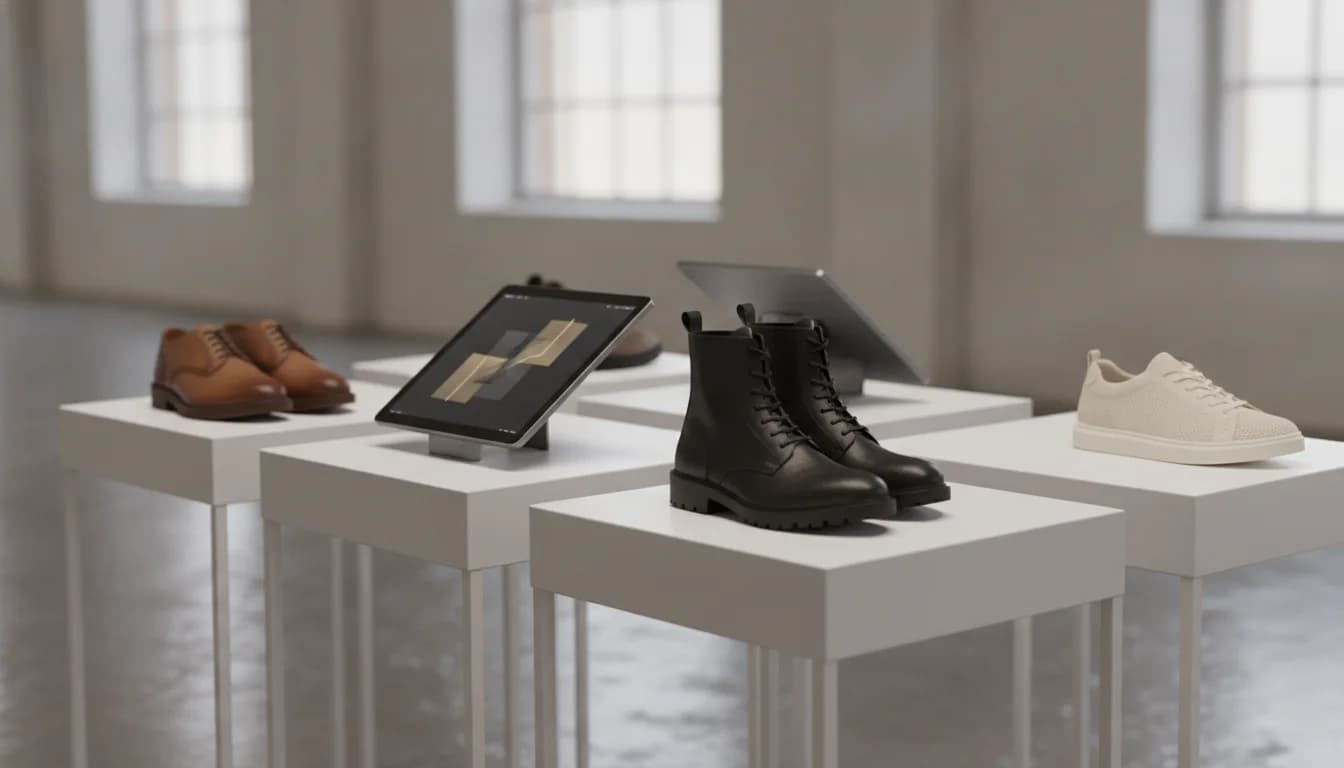
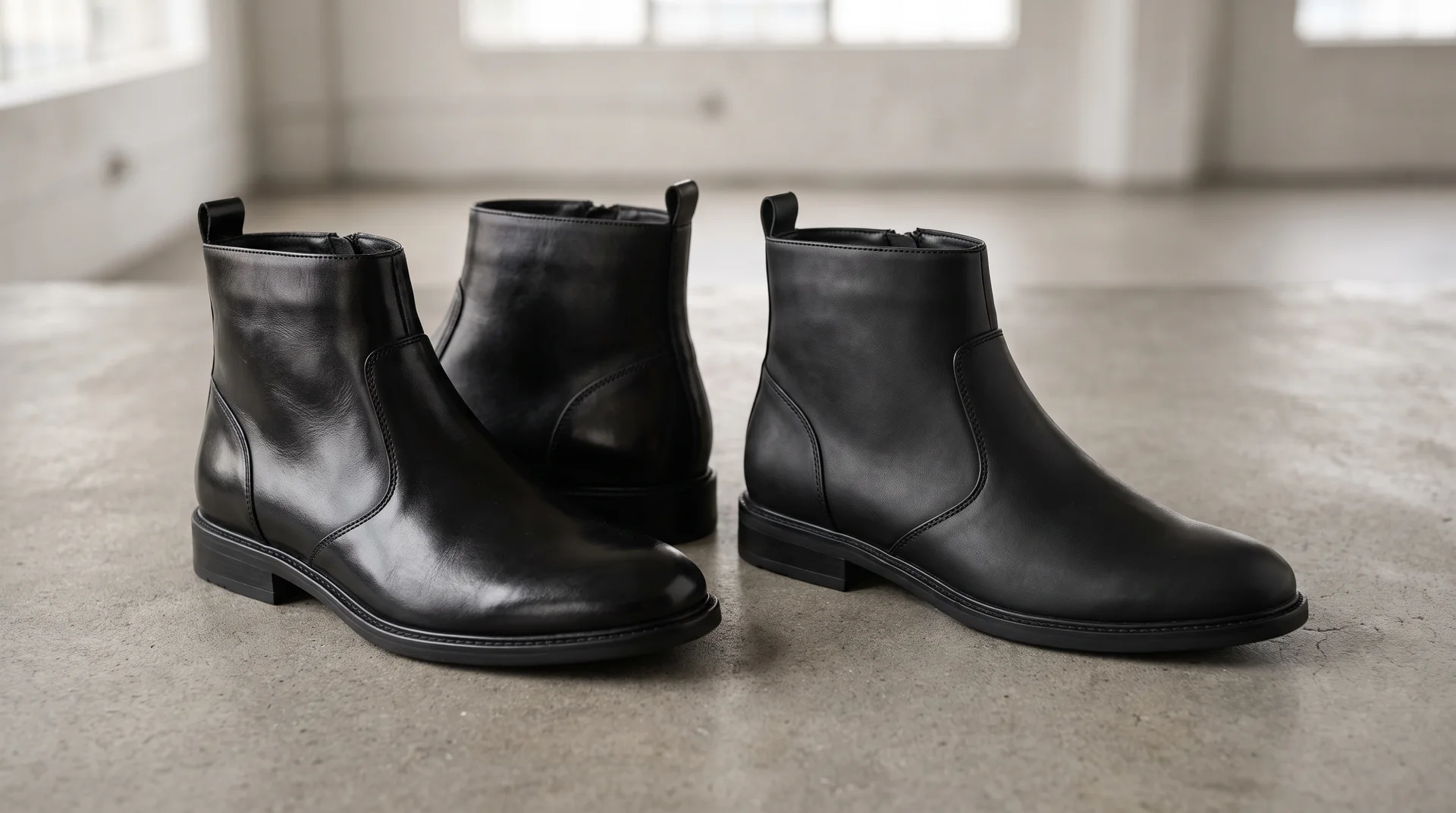
One of the most fundamental decisions you face when building your wholesale footwear collection is the choice of materials. Imagine two similar boot models displayed in your showcase: one made of genuine leather and the other crafted from high-quality synthetic leather. The price difference between them directly affects your purchasing budget and your final retail price. However, this choice is not just about cost calculation. It is also a strategic decision shaping your store's identity, customer loyalty, and long-term profitability. The right material choice establishes a foundation to meet your target audience's expectations and strengthen your position in the market.
The Role and Advantages of Genuine Leather in Wholesale Purchases
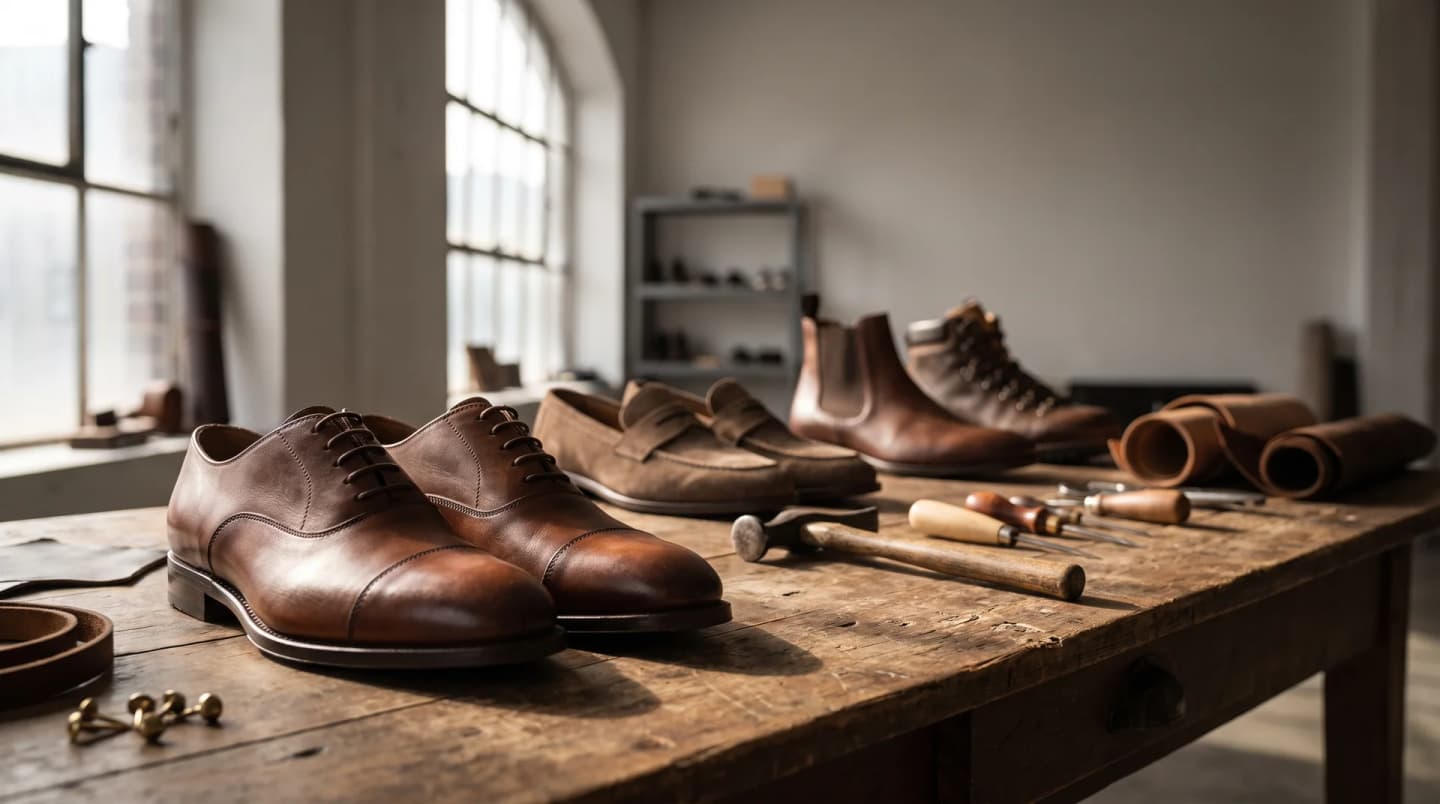
Genuine leather is a material used for centuries in footwear manufacturing and has become a symbol of quality. For wholesale buyers, genuine leather products usually mean a higher initial cost but carry significant investment value thanks to their unique advantages. This material is indispensable for customer segments that prioritize quality and durability.
Breathability and Comfort
One of the most notable features of genuine leather is its natural porous structure. This structure allows the material to "breathe." It expels foot sweat and moisture, enabling air circulation that helps keep the foot dry and healthy even after prolonged use. This feature directly increases customer satisfaction, especially in models worn throughout the day, such as men's daily footwear. Synthetic materials often fall short in this regard, leading to uncomfortable experiences.
Durability and Aesthetic Development
When cared for properly, genuine leather is an exceptionally durable material. Over time, it stretches, takes the shape of the foot, and provides a personalized fit. Unlike synthetic materials, instead of cracking or peeling, it develops a unique "patina," maturing aesthetically. This extends the product's lifespan and makes customers feel they have received value for their expenditure. For wholesale buyers, this means fewer returns and a stronger brand image. A quality leather shoe is seen as an investment that can last for years.
Synthetic Leather (Vegan Leather) and Its Strategic Use
Synthetic leather, made from polymers such as polyurethane (PU) or polyvinyl chloride (PVC), is an important part of the modern footwear industry. Especially with technological advances in recent years, high-quality synthetic leathers offer alternatives very close to genuine leather both in appearance and texture. For wholesale buyers, synthetic leather provides strategic advantages such as cost efficiency and design flexibility.
Cost Advantage and Pricing Flexibility
The greatest advantage of synthetic leather is its significantly lower production cost compared to genuine leather. This allows retailers to price more competitively and reach a broader customer base. Synthetic leather is ideal for stores aiming to offer seasonal, affordable models fitting fast fashion trends. This cost advantage enables buyers to create a more diverse collection and distribute stock risks.
Production Consistency and Design Variety
Synthetic leather is industrially produced, providing complete consistency in color, texture, and thickness. Variations such as natural flaws or tone differences seen in genuine leather do not exist in synthetic leather. This guarantees that all products meet the same standards, especially important when purchasing in large wholesale batches. Additionally, synthetic materials can be produced in a vast array of colors, gloss levels, and patterns. This opens almost unlimited creative possibilities for bold designs such as women's stilettos.
Effects of Material Choice on the Supply Chain
As a wholesale buyer, your decision affects not only the products on your store shelves but also the dynamics of your supply chain. Material selection is directly connected to many operational factors, from supplier relationships to minimum order quantities. Taking the right steps in this process is vital for the sustainability of your business.
Supplier Reliability and Material Standards
The market offers genuine and synthetic leathers in a wide range of qualities. The quality of a product labeled "genuine leather" can vary significantly depending on the leather type, processing method, and tanning process. Similarly, there are considerable differences in durability and feel among synthetic leathers. Therefore, the reliability of the supplier you work with becomes critical. Platforms like Bulkoon minimize this risk by connecting buyers exclusively with approved suppliers. This ensures that the material quality stated in product descriptions matches reality.
Minimum Order Quantities (MOQ) and Flexibility
The material type can influence the minimum order quantities (MOQs) set by manufacturers. For example, sourcing genuine leather in a special color or texture may require a higher MOQ than standard synthetic leather. This can pose a challenge for small boutiques or buyers wanting to test new collections. Synthetic leather is typically available with lower MOQs, offering buyers more flexibility and a lower initial investment. It is important to carefully review the supplier's conditions before placing an order.
Customer Expectations and Market Positioning
Your material choice largely depends on whom you are targeting and what perception you want to create with your store. Material is not just a part of the product but a reflection of the brand promise you offer to customers. Therefore, target audience analysis and brand identity must play a central role in material selection.
Target Audience Analysis: Who Prefers What?
Understanding your customer base is the first step to creating the right inventory.
Quality and Comfort-Focused Customers: Customers seeking long-lasting, comfortable, and classic pieces usually prefer genuine leather. This group is willing to pay a higher price.
Trend and Budget-Focused Customers: Younger consumers who follow seasonal trends, shop frequently, and seek affordable pricing typically gravitate towards synthetic leather products. The women's sports footwear category is one of the clearest examples of this dynamic.
Ethical and Environmentally Conscious Customers: The number of customers sensitive to animal rights and seeking vegan alternatives is increasing. For this group, high-quality synthetic (vegan) leather is an important selling point.
Store Image and Brand Perception
The material composition of the products you sell directly affects your store's identity. If you position yourself as a boutique offering premium, classic, and timeless products, your collection should be based on genuine leather models. On the other hand, if you want to create a dynamic, accessible, and trend-focused image, it makes more sense to leverage the variety and cost advantages offered by synthetic leather. Brand consistency is key to building customer trust.
Balancing Price-Performance: Practical Tips for Wholesale Buyers
Choosing between synthetic and genuine leather is rarely as clear-cut as black and white. Often the most successful strategy is to create a balanced collection that leverages the advantages of both materials. This enables you to appeal to diverse customer segments while optimizing profitability.
Product Descriptions and Labeling Transparency
Honesty is the most important way to maintain customer trust. Be completely transparent about the material content of your products. Due to both legal requirements and ethical trade practices, avoid calling synthetic leather "leather." Use accurate terms such as "synthetic leather," "vegan leather," or "synthetic material." This transparency increases long-term trust in your brand and prevents returns caused by customer misunderstandings.
Mixed Collection Strategy
The ideal approach for your store is to offer a product range containing both materials. For example, you might invest in genuine leather for essential and classic models like women's loafers, while using synthetic leather for bolder, seasonal designs. This approach spreads risk and offers options for customers with different budgets. Bulkoon's extensive catalog, offering over 10,000 model choices, enables you to easily build such mixed collections through a single platform. With advanced filtering options, you can find products with the materials you want in seconds.
Final Considerations for Making the Right Decision
Ultimately, the choice between synthetic and genuine leather should focus less on "which is better?" and more on "which is right for my store and customers?" Genuine leather offers durability, comfort, and prestige, while synthetic leather provides cost advantages, design flexibility, and an ethical alternative. An informed wholesale buyer analyzes the strengths and weaknesses of both materials to find the balance that best fits their business model. This strategic approach builds not only seasonal success but sustainable profitability and a strong brand identity. Explore how Bulkoon works to discover thousands of genuine and synthetic leather models offered by approved suppliers and make the best decisions for your store.