Shoe Sole Types: Differences in Usage Between Phylon, Thermo, and Neolite
A customer’s question “Does this sole slip?” is a critical moment in footwear retail. Learn the material properties, advantages, and ideal shoe types for Phylon, Thermo, and Neolite soles to make informed decisions in your wholesale purchases.
A customer's question “Does this sole slip?” is more than simple curiosity; it is a moment that tests your product knowledge and the trust you offer to your customers. One of the most fundamental elements determining the character, comfort, and durability of a shoe is its sole. As a business owner or purchasing manager engaged in wholesale buying, knowing the characteristics of different sole materials not only helps you select the right product but also allows you to provide informed advice to your customers, thereby strengthening your sales and brand reputation. Understanding the differences between the lightness of Phylon, the robustness of Thermo, and the elegance of Neolite is key to strategically building your collection.
The Importance of Shoe Soles: More Than Just Ground Contact
The shoe sole represents much more than the surface that contacts the ground. The comfort, safety, and performance a user experiences throughout the day are directly related to the quality and type of sole material. Choosing the right sole extends the shoe's life, while a wrong choice can lead to customer complaints and returns. Therefore, overlooking sole characteristics during wholesale procurement can negatively affect profitability in the long term.
Understanding the technical terms found in product descriptions from suppliers is the first step to being an informed buyer. Every material has a unique manufacturing process, cost, and usage purpose. Mastering these details facilitates price-performance analysis and helps you establish a product range that fits your store's identity appropriately.
Impact on Comfort and Performance
The flexibility, weight, and shock absorption of the sole determine the overall comfort level of the shoe. For example, a hard and heavy sole might tire a user who is standing all day, while an ultra-light and flexible sole might not provide sufficient support. The density and structure of the material control how much of the impact generated while walking is absorbed. This is especially critical in sports and walking shoes.
Brand Image and Customer Satisfaction
The quality of shoes you sell directly reflects your store's image. A sole that wears out quickly, slips, or cracks undermines customers' trust in your brand. Conversely, offering shoes with durable and appropriate soles builds customer loyalty. Analyzing customer expectations correctly and adding models with suitable sole materials to your collection opens the door to positive feedback and new customers through recommendations.
Phylon Sole: For Those Seeking Lightness and Flexibility
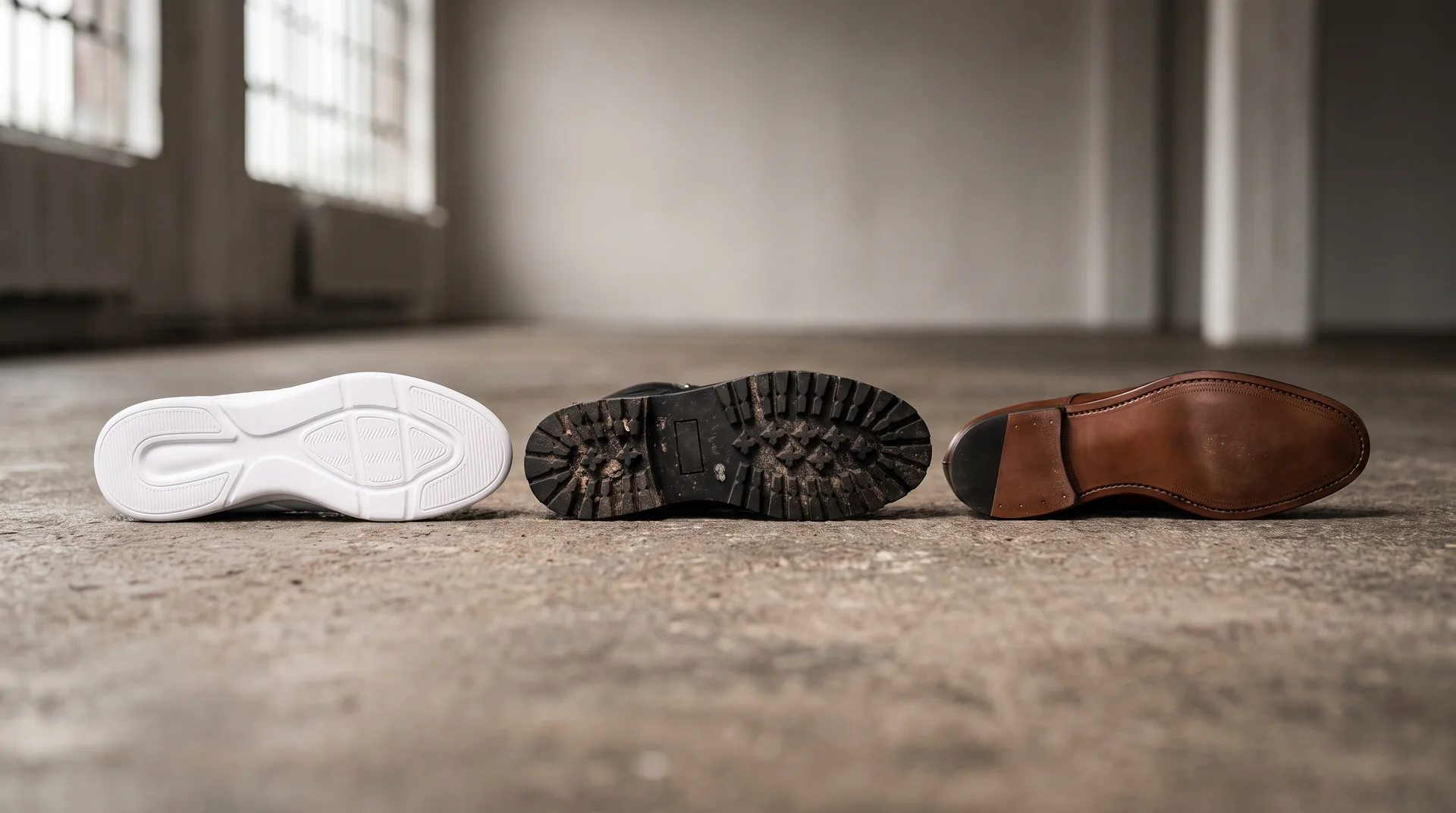
Phylon is a popular sole material in the footwear industry, especially known for its lightness and cushioning properties. Technically, it is a type of foam made by compressing and molding EVA (Ethylene Vinyl Acetate) granules under heat and high pressure. This process creates small air bubbles within the material, giving it exceptional lightness and shock absorption capabilities.
When evaluating Phylon-based models in wholesale purchasing, it is important to pay attention to the material's density. More densely compressed Phylon can be slightly heavier but more durable, whereas less dense versions offer maximum lightness. This balance guides you in deciding the segment positioning of the product.
Manufacturing Process and Material Characteristics
Phylon's production involves a second molding of EVA foam. This additional step imparts a smoother surface and a more consistent structure to the material. Its key features include:
Lightness: Its most noticeable advantage. It significantly reduces the overall weight of the shoe, providing the wearer freedom of movement.
Flexibility: Easily adapts to the natural movements of the foot, enhancing comfort during walking and running.
Cushioning: Its shock-absorbing structure reduces joint stress, making it ideal for sports activities.
Applications and Advantages
Due to its light and flexible structure, Phylon is primarily preferred in sports and casual shoes. It is commonly used in the midsole layer of women’s sports shoes and running shoes. It is also popular in the sneaker and kids’ shoe categories. The comfort it offers is one of the most sought-after features in these types of shoes, and Phylon abundantly meets this expectation.
Disadvantages and Considerations
Like every material, Phylon has its drawbacks. Its abrasion resistance is lower compared to rubber-based soles. It may deform more quickly when used continuously on hard surfaces. Additionally, particularly on wet and smooth surfaces (such as polished marble), the potential for slipping is higher compared to Thermo soles. Informing the customer about this detail is important for proper expectation management when recommending products.
Thermo (Thermoplastic) Sole: Durability and Versatility
Thermo soles, also known as thermoplastic rubber (TPR), combine the durability of rubber with the processing ease of thermoplastics. Being recyclable and having high abrasion resistance make them an attractive option for both manufacturers and conscientious buyers. Thermo soles provide a reliable foundation, especially for shoes exposed to harsh weather conditions and intensive use.
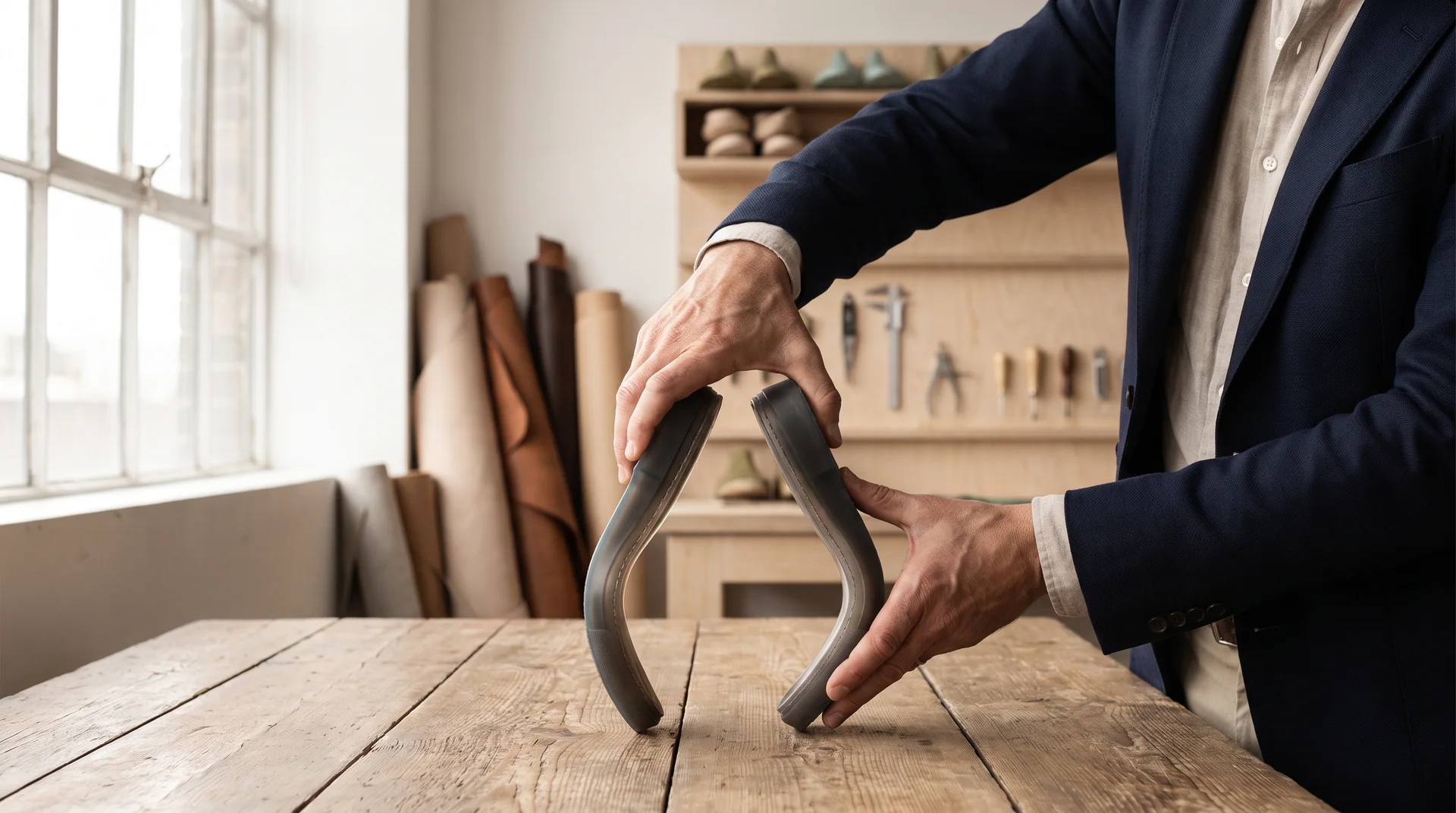
This type of sole is produced using injection molding. This allows for easy realization of complex and detailed sole designs. When buying wholesale, the depth and spacing of the patterns (treads) on the sole provide important clues about slip resistance. Deep and spaced-out patterns generally offer better ground grip.
What is Thermoplastic Rubber (TPR)?
TPR is a synthetic rubber type that melts and can be molded when heated, and hardens again when cooled. This property offers flexibility and efficiency in manufacturing. While providing elasticity and feel similar to natural rubber, it exhibits better resistance to weather and chemicals. This makes it perfect for shoes usable in all seasons.
Advantages: High Abrasion Resistance and Slip Resistance
The strongest areas of Thermo soles are durability and safety. Main advantages include:
Slip Resistance: Thermo soles possess a coefficient of friction similar to natural rubber and provide much better ground grip than Phylon, especially on wet surfaces.
Abrasion Resistance: They are very durable against heavy use and friction, extending the shoe's life and enhancing customer satisfaction.
Thermal Insulation: They transmit less cold from the ground to the foot in cold weather, making them ideal for winter boots and shoes.
Ideal Shoe Types
Thanks to their durability and slip resistance, Thermo soles have a wide range of applications. They are commonly preferred for winter boots, outdoor footwear, safety shoes, and daily women’s casual shoes. They are also excellent options for sturdy and safe shoes suitable for children’s active lifestyles.
Neolite Sole: Elegance and Firm Stance
Neolite soles are synthetic materials commonly used in classic and dress shoes, designed to mimic the appearance of leather soles (leather outsole). They are produced from a mixture of compressed rubber, plastic, and other filler materials. Their main purpose is to offer the aesthetic and firm stance of leather soles at a more affordable cost and with greater water resistance.
Neolite soles have a hard and stiff structure. This rigidity gives the shoe the power to maintain its form and provides balance in slender heeled and elegant designs such as women’s stilettos. Knowing that a Neolite sole-based model has limited flexibility helps you match it with the right customer segment during wholesale purchasing.
Compressed Rubber and Plastic Blend
Neolite is a dense and rigid sheet material with a homogeneous structure. It attains its final form by being pressed under high pressure during manufacturing. This process gives the material a smooth surface and high density. Compared to leather soles, the biggest advantage is its resistance to water and no maintenance requirement. Leather soles can swell and deform when wet, whereas Neolite does not experience such issues.
Applications: Classic and Dress Shoes
Due to its elegant and slim profile, Neolite is indispensable for shoes where aesthetics are prioritized. It is frequently used in men’s classic shoes, moccasins, women’s high heels, and dress models. The formal and stylish air it adds to the shoe is a core expectation in these categories. However, it is not a suitable option for daily or sports shoes that require flexibility and cushioning.
Leather Sole Look and Care Tips
Neolite soles can be produced to imitate the natural texture and color of leather soles, giving the shoe a premium appearance. They are quite easy to maintain; wiping with a damp cloth is generally sufficient. However, due to their hard structure and smooth surface, careful use is required on wet and slippery floors. Some manufacturers add a rubber piece (toe tap) to the front part of the sole to prevent slipping. Learning about this detail from your supplier helps you provide accurate information to your customers.
Criteria for Choosing the Right Sole in Wholesale Purchasing
Selecting the right sole material is a strategic decision for your store's success. Platforms like Bulkoon offer a wide network of approved suppliers and more than 10,000 model options, providing the opportunity to compare products with different sole types. A few essential criteria should be considered to make the right decisions in this process.
Instead of focusing solely on price or appearance, it is important to adopt a holistic approach that brings together the technical features of the sole and the needs of your target audience. This increases your stock turnover speed and maximizes customer satisfaction.
Determining the Target Audience and Usage Purpose
The first step is identifying who will wear the shoe, where, and for what purpose. If your target audience is young and dynamic, Phylon sole sneakers can form the foundation of your collection. If your boutique focuses on office elegance and classic attire, Neolite sole models are indispensable. If your store mainly serves customers seeking daily comfort and durability, Thermo sole men's sports and casual shoes will be a smart investment.
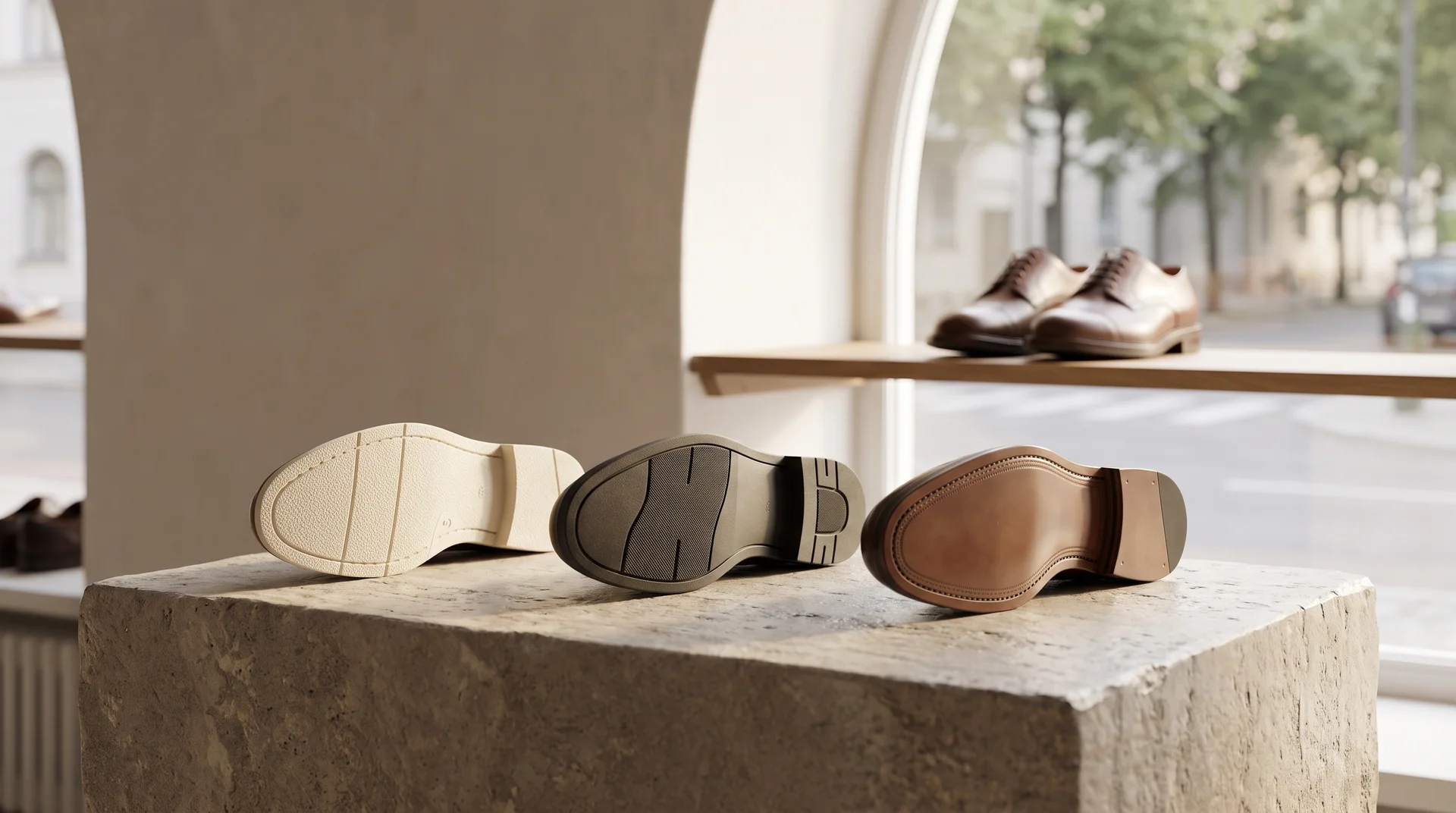
The Role of Seasonality and Climate Conditions
Your geographical location and the season you sell for directly affect sole selection. If you operate in rainy and cold climates, water resistance and high slip resistance Thermo soles should be prioritized. For hot and dry climates, lightweight and breathable Phylon-based models may be more attractive. When making seasonal purchases, foreseeing the conditions of the upcoming season and selecting the sole accordingly ensures offering the right product at the right time.
Price-Performance Balance and Supplier Reliability
Every sole material has a cost that reflects on the product's wholesale price. Instead of opting for the cheapest, balance the quality offered with the price. A reliable supplier provides transparent information about the standards of their material. Bulkoon works exclusively with verified and trustworthy suppliers, enabling buyers to access products made from quality materials directly and safely. This guarantees you a return on your investment.
Conclusion: Gaining Customer Trust with Informed Choices
Knowing the differences between shoe soles is more than a technical detail for a professional engaged in wholesale buying; it is the ability to understand market needs and respond to them with the most appropriate product. Phylon, Thermo, and Neolite each serve different purposes and meet different customer expectations. A retailer equipped with this knowledge can build their collection more strategically, provide more competent consultation to customers, and ultimately establish a more profitable business model.
When speaking with your suppliers or browsing products on digital platforms like Bulkoon, you can now approach sole characteristics more consciously. This expertise will distinguish you from your competitors and elevate you to a trusted advisor in the eyes of your customers. Remember, every successful sale begins with a solid step taken with the right product knowledge. With the ease offered by Bulkoon, taking these steps has become much simpler. Discover how it works and take your business to the next level.