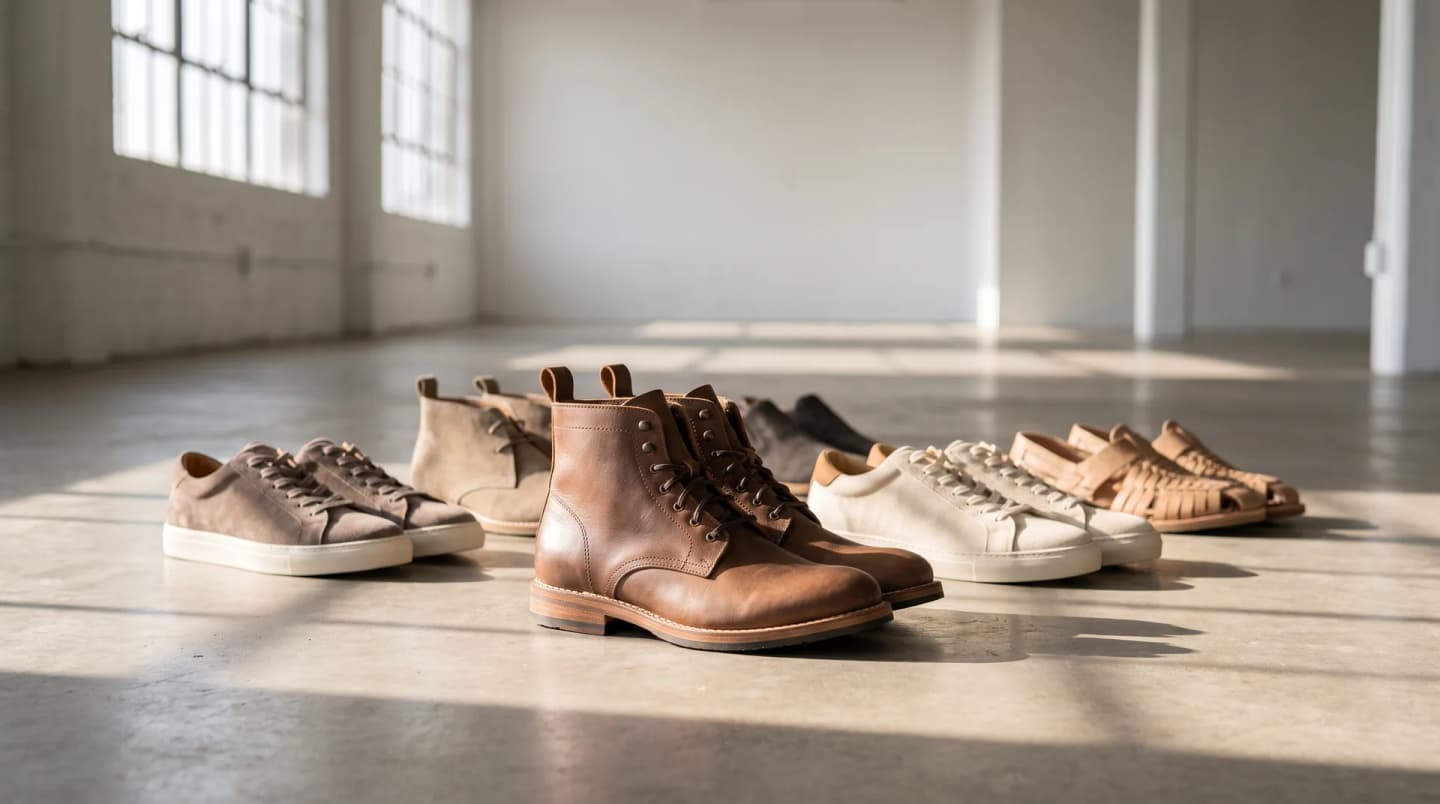
Durable Footwear Selection Guide for Stores

The allure of low prices in wholesale footwear purchasing can be overshadowed by return costs and customer loss caused by poor-quality products. This guide offers practical criteria to help store owners and buyers analyze stitching, sole, lining, and material quality to select more durable products, reduce return rates, and build customer loyalty.
In wholesale footwear purchasing, the most attractive factor at first glance is often the unit price. However, the cost to your store of a shoe with a sole that peels, stitching that unravels, or material that cracks is far beyond its tag price. Every return not only costs the product itself but also operational time, customer trust, and brand reputation. The foundation of a successful retail operation lies in offering products that customers can use confidently and with satisfaction. This guide addresses critical checkpoints and technical details to properly assess the durability of shoes when purchasing wholesale.
The Foundation of the Shoe: Sole Structure and Material Quality
The sole is the most fundamental component determining the lifespan and comfort of a shoe. Carrying the customer’s entire weight throughout the day, this part often proves to be the most failure-prone when of poor quality. Understanding the sole material and attachment technique when buying wholesale prevents potential problems from the start. The right sole not only ensures walking comfort but also holds the shoe’s overall structure together, providing long-lasting usage.
When obtaining information from suppliers or inspecting products, focus on the material of the sole and how it is integrated with the upper (vamp). These two factors directly affect the shoe’s performance in contact with the ground and its resistance to different weather conditions. A shoe not built on a solid foundation may become unusable quickly, even if it has the highest quality upper material.
Sole Material Choices: Polyurethane, Thermoplastic, and Neolite
There are three common materials used for shoe soles: Polyurethane (PU), Thermoplastic (Thermo), and Neolite. Each has distinct advantages and disadvantages. PU soles are known for their lightness and flexibility, making them ideal especially for daily casual footwear. However, low-density PU can hydrolyze over time and break down. Thermo soles have high abrasion resistance and better slip resistance, often preferred in winter boots and outdoor models. Neolite is a stylish, hard material that resembles leather. It is commonly used in classic and dress shoes but is less flexible. Selecting sole material appropriate to the category’s usage purpose is the first step toward customer satisfaction.
Sole and Upper Bonding: Adhesion and Stitching Inspection
The attachment of the sole to the upper is the shoe’s most critical junction. This typically involves glue, or a combination of glue and stitching (strobel method). To check glue quality, look for spilled, irregular adhesive traces at junctions, which indicate careless manufacturing. Also, gently stretch the sole edges to see if they start to peel from the upper. The bond must be flawless, especially at highly flexible points such as the toe and heel. For stitched models, ensure the stitches are regular, dense, and symmetrical.
Factors Determining Upper (Vamp) Durability
The vamp determines the shoe’s aesthetics and protects the foot against external factors. Material quality, craftsmanship, and design directly influence how long the upper retains its form and resists wear. For wholesale buyers, evaluating the upper involves more than just feeling the material. Stitching details, cutting lines, and the material’s stretch behavior provide important clues about shelf life and the product’s perceived value by customers.
Especially with synthetic materials or faux leathers, initial appearance can be deceptive. A shiny, new-looking material may crack or peel after limited use. Therefore, requesting detailed material specifications from suppliers and performing physical tests on samples, when possible, reduce risks in bulk orders. Working with approved suppliers who provide reliable and transparent information offers a significant advantage at this stage.
Stitch Density and Thread Quality
Stitches joining different parts of the shoe act like screws in a frame. Weak or sparse stitching can unravel easily in high-stress areas (e.g., around eyelets or side panels). In a quality shoe, stitches are dense, regular, and follow a straight line. Thread thickness should suit the shoe style and material. For example, thicker and more durable threads are used in men’s sports shoes, whereas thinner but strong threads are preferred in delicate ballet flats. Reinforcement (bar tacking) at stitch starts and ends is also important.
Material Integrity: Stretch and Crack Tests
Before wholesale purchases, you can perform simple tests on sample products. Bend the toe area where the toes flex. If the material instantly whitens, cracks, or retains a crease, it indicates poor quality. This test is especially critical for patent or coated synthetic materials. After stretching, material should quickly return to its original shape. This straightforward check helps prevent customer disappointment after a few weeks of wear.
Internal Comfort and Longevity: Lining and Insole Inspection
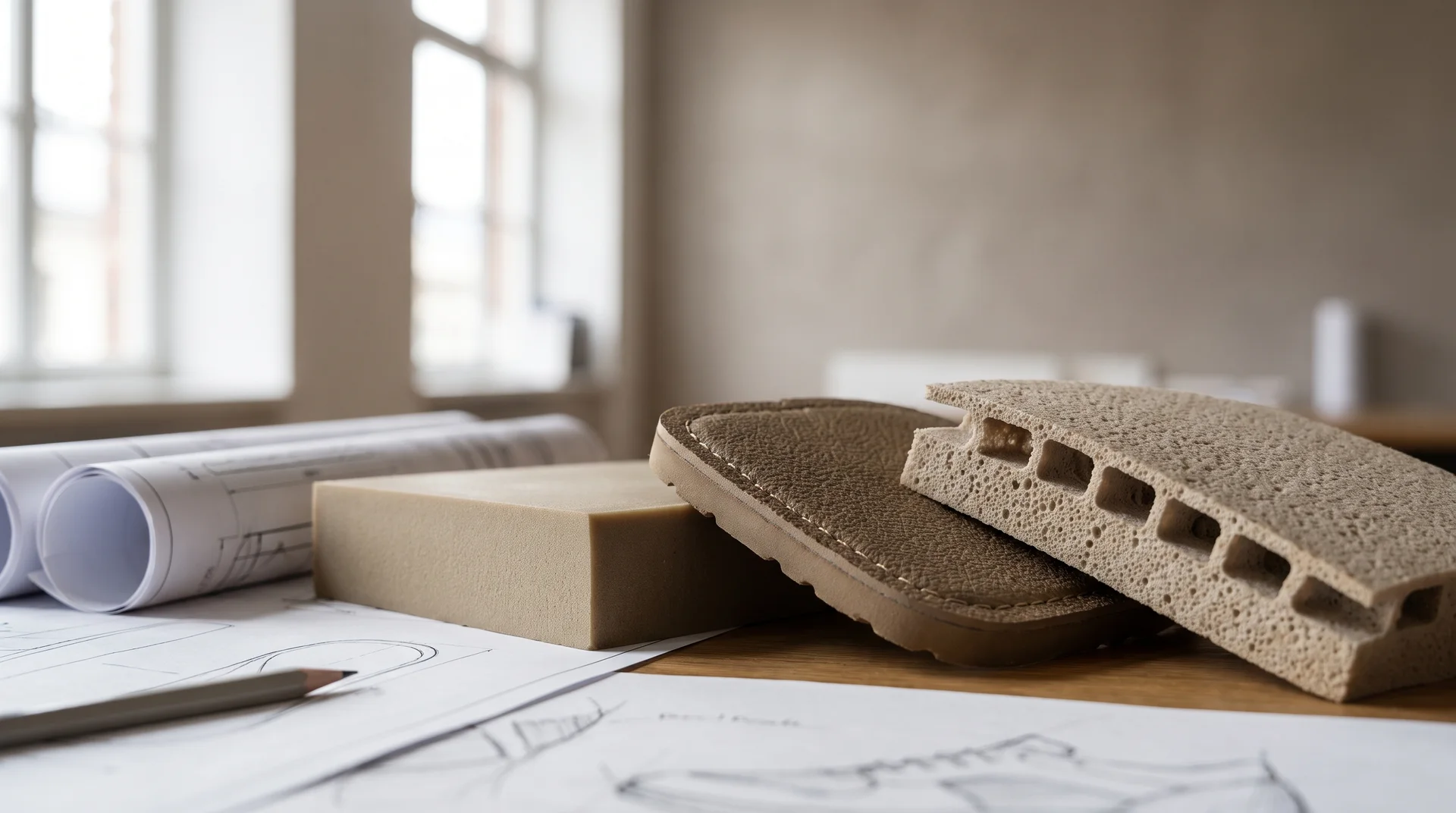
The first thing customers feel when trying on a shoe is the internal comfort. No matter how stylish it looks externally, a shoe with a stiff, low-quality, or sweat-inducing lining will not be preferred. The lining and insole are the unsung heroes inside a shoe. Their quality directly affects immediate comfort as well as long-term hygiene and structural integrity. A poor lining wears out, tears quickly, and causes unpleasant odors, creating a negative perception that leads to returns.
When buying wholesale, check the lining texture, stitching, and how firmly the insole fits by putting your hand inside the shoe. A smooth interior free from irritating seams shows quality manufacturing. The insole should offer gentle cushioning that supports the foot’s anatomy and must not shift easily.
Breathable and Abrasion-Resistant Lining Materials
Lining materials commonly include textile, synthetic leather, or genuine leather. Textile linings, especially cotton or special synthetic blends, reduce sweating with their breathability, which is very important for sports and daily shoes. Synthetic leather linings feel smoother but may have lower air permeability. Genuine leather linings offer durability and breathability, making them one of the best options. Pay special attention to the heel portion (counter) of the lining, as it is subject to the most friction during wear and must be made from abrasion-resistant material.
Importance of Insole Quality
The insole is the surface directly contacting the foot’s sole. A quality insole provides cushioning that improves walking comfort and absorbs impact. Cushioned insoles made of materials like EVA or latex are preferred. The adhesive beneath the insole must be high quality and evenly distributed to prevent slipping or folding over time. Removable insoles offer advantages for cleaning and hygiene, but should fit firmly without shifting when inserted.
Impact of the Manufacturing Process on Quality: Adhesives and Last Fit
A shoe’s durability results not only from its materials but also from the manufacturing process that assembles them. Technical details such as adhesive type and application, and the last’s anatomical fit deeply influence the final quality and lifespan. These factors may not be visibly obvious but play a decisive role in product performance. Therefore, understanding suppliers' production standards and experience is crucial.
For instance, improperly applied adhesive can cause the shoe to disintegrate in moist or hot conditions. Similarly, a poorly designed last results in improper foot fitting, leading to excessive strain in certain areas that wear down stitching and materials faster. These details explain why some shoes are cheap or why some justify their price.
Adhesive Quality and Application Technique
Adhesives used in shoe production are usually industrial products activated by heat or pressure. A quality bonding process requires proper surface preparation, even adhesive application, and pressing under adequate pressure for the right duration. When buying wholesale, carefully inspect sole-to-upper junctions. Clean, smooth bonds indicate controlled manufacturing. You can ask suppliers for standards of adhesives used, especially regarding water and heat resistance.
Last Structure and Anatomical Fit
The shoe last acts as its skeleton. A last that matches foot anatomy and size standards produces shoes that are comfortable and durable, as body weight and walking pressure distribute evenly. A bad last places excessive pressure on certain points (like the metatarsal bones or toes), causing discomfort and faster wear of those areas and stitches. Last quality is especially critical in models requiring balance and fit, such as high heels.
Practical Quality Control Methods to Reduce Return Rates
Applying theoretical knowledge in practice is key to making correct decisions when purchasing wholesale. Especially when working with a new supplier or adding a new model to your collection, there are simple but effective inspection methods to minimize risks. These methods help detect potential issues before placing bulk orders, protecting you from financial and reputational losses caused by high return rates. Digital wholesale platforms provide important tools to facilitate this process.
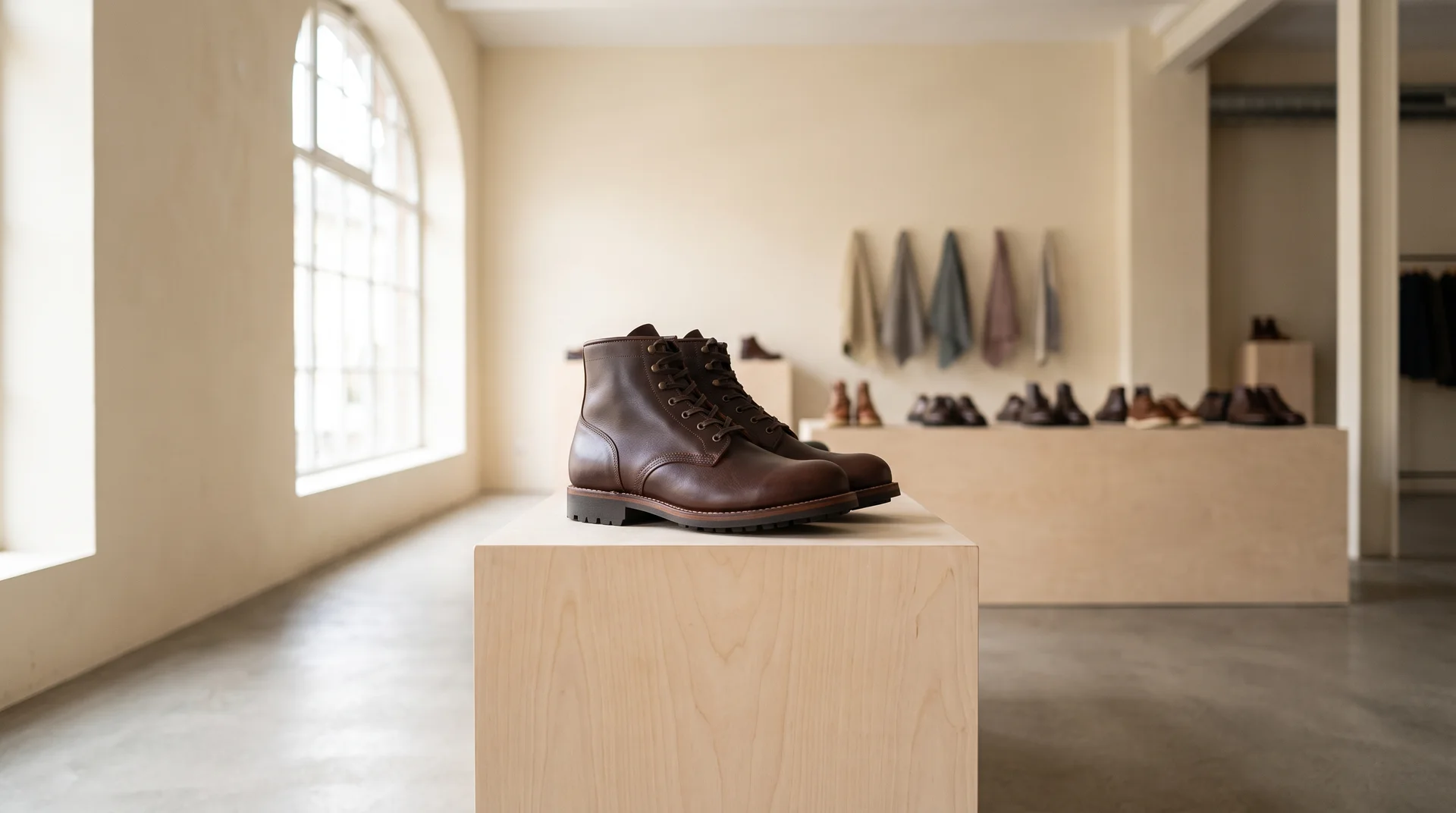
Quality control should be seen not as a cost but as an investment. The time and attention spent initially pay off in customer satisfaction and profitability long term. Adopting a proactive approach when selecting products for your store shelves strengthens your brand image.
Requesting and Evaluating Samples from Suppliers
Always request one or several samples from your supplier before placing a large order. When the sample arrives, perform all physical checks mentioned in this guide: bend the shoe, examine stitching, inspect internal lining, and even wear it for a few days to observe comfort and early wear signs. This is the most reliable way to understand real-world performance. Sample evaluation clarifies what paper specifications truly mean in practice.
Product Inspection on Digital Platforms: Videos and Detailed Photos
When physical sample inspection is not possible, fully utilize digital tools. Platforms like Bulkoon offer high-resolution photos that let you closely examine stitching and material details. Videos available for some products provide much better insight into flexibility, sole construction, and overall posture. While browsing among more than 10,000 models on Bulkoon, using this visual material for pre-selection makes your ordering process more efficient and secure.
Conclusion: Commercial Benefits of Quality-Focused Sourcing
Selecting durable shoes is more than a technical detail-it is a conscious business strategy. Returns, repair costs, and negative customer reviews caused by low-quality products can gradually erode a store’s profitability and reputation. Conversely, prioritizing quality in every purchase returns as customer loyalty, positive word-of-mouth, and a stronger brand image. Focusing on material, workmanship, and design beyond price in wholesale decisions lays the foundation for sustainable long-term success.
Digital platforms like Bulkoon facilitate quality-focused selection by providing access to a broad network of approved suppliers. Thanks to detailed product visuals, videos, and transparent information, you can confidently supply your store with the right durable products and build your business on solid grounds.