Which Features Do Customers Consider Most When Choosing Footwear?

The key to success as a footwear retailer lies in understanding the customer's decision-making process. Price, comfort, aesthetics, and intended use, along with brand perception and social factors, deeply influence buying behavior. This guide analyzes core factors to help shape your wholesale purchasing decisions according to customer expectations.
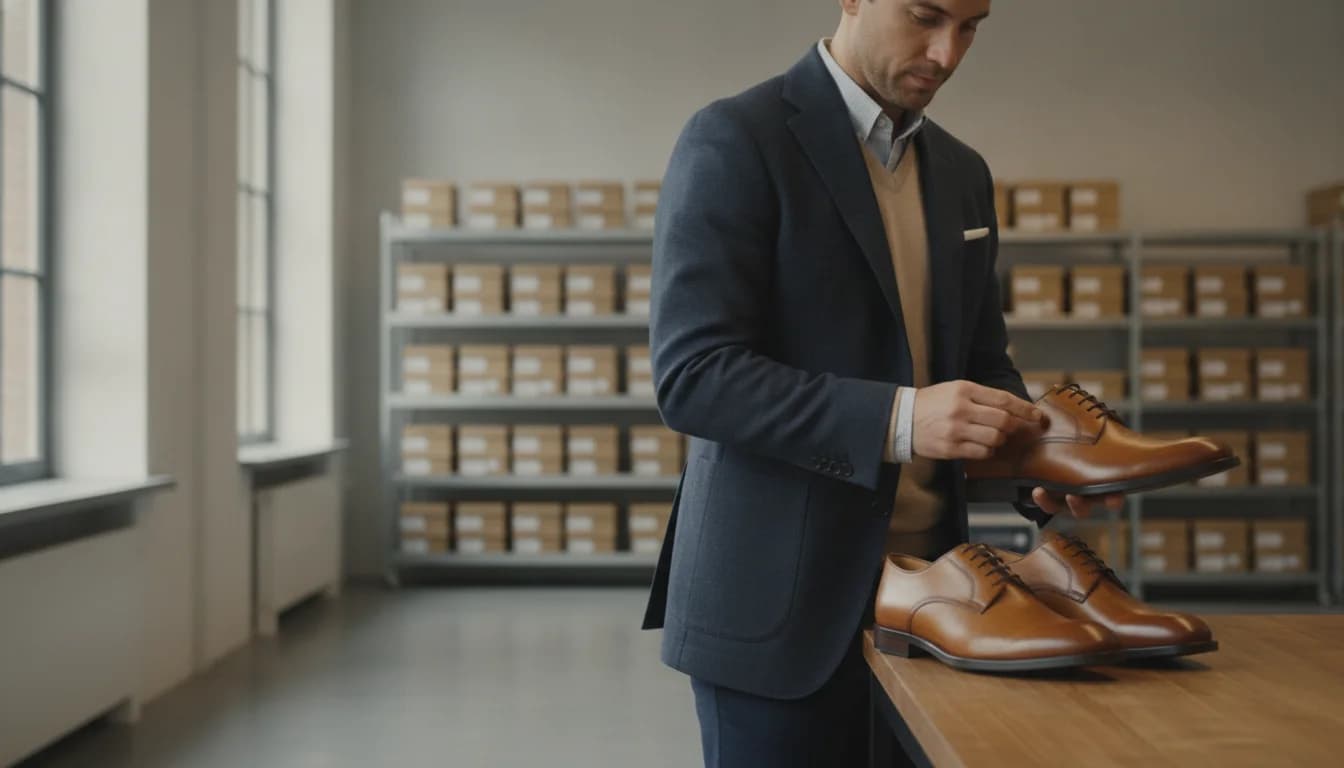
The moment a customer enters your store and approaches a pair of shoes marks the beginning of a complex decision-making process. Footwear selection is not only about fulfilling a need but also a form of personal expression. For wholesale buyers and boutique owners, understanding this process forms the foundation of sourcing the right products and increasing profitability. Knowing which factors take priority in the customer's mind directly affects the commercial potential of every model on your shelves. This analysis encompasses more than aesthetics and price; it involves a multilayered evaluation including comfort, durability, brand perception, and even social context.
Fundamental Decision Mechanism: Price and Perceived Value
Price is the most apparent and usually the first factor customers evaluate when shopping for shoes. However, the customer's decision is not solely based on the price tag figure. Crucially, it depends on the "value" perceived in exchange for the price paid. This value perception varies among customer segments and should be central to your wholesale purchasing strategy.
Price Sensitivity and Segmentation
Your customer base is heterogeneous. For some, the cheapest option is always the most attractive, while for others, quality and longevity take precedence. Budget-focused consumers generally prefer affordable models that meet basic requirements. Value-focused customers are willing to pay a bit more for durable, comfortable, and stylish products. The premium segment is clearly ready to pay significantly for brand prestige, exclusive designs, and superior material quality. When sourcing wholesale, diversify your product range considering the price sensitivity of your target segments.
Price-Performance Balance
Perceived value hinges on a delicate balance between price and performance. Elements like sole flexibility, breathability of the inner lining, stitch durability, and material quality justify the price in the customer's mind. When reviewing products for wholesale, ask yourself: "Will this shoe make the customer feel that the price is justified?" For instance, a genuine leather shoe might be priced higher than a synthetic one, but thanks to its durability and comfort, it can be perceived as offering better price-performance. Products that maintain this balance well increase customer satisfaction and loyalty.
Aesthetics and Visual Appeal: The Power of First Impressions
Customers see a shoe before picking it up or trying it on. This initial visual contact creates a "moment of attraction" significantly influencing the purchase decision. Design, color, and style are the silent language of footwear and should appeal to the customer's personal taste. Therefore, visual consistency and freshness in your collection are crucial.
The Role of Design, Color, and Trends
Fashion is dynamic, with shoe trends changing each season. Popular colors, sole shapes, accessory details, and silhouettes especially draw young and fashion-conscious customers. Tracking current trends in wholesale purchasing keeps your store dynamic and attractive. However, timeless and classic designs should not be overlooked. Particularly models like Women's Loafers remain consistently popular and have loyal customers. Balancing between trends and classics in your collection enables you to appeal to a wider audience.
Brand Identity and Style Compatibility
Customers choose footwear that reflects their style or complements the image they want to project. A sportswear enthusiast prioritizes a comfortable Women's Sports shoe, while a professional with a classic dress code prefers a stylish stiletto or moccasin. Having a defined style identity for your store makes it easier for your target audience to prefer you. The more your products harmonize with other pieces in a customer's wardrobe, the higher the purchase likelihood. Thus, when sourcing, aim not only for individual models but for an integrated style story.
Comfort and Functionality: The Core Purpose of Footwear
No matter how stylish a shoe is, if it is not comfortable or does not serve its intended function, it is often relegated to the back of the wardrobe. Comfort can even outweigh aesthetics, especially for customers spending long hours on their feet or leading active lifestyles. For wholesale buyers, material quality and ergonomics are decisive factors in selecting the right products.
Material Quality and Ergonomics
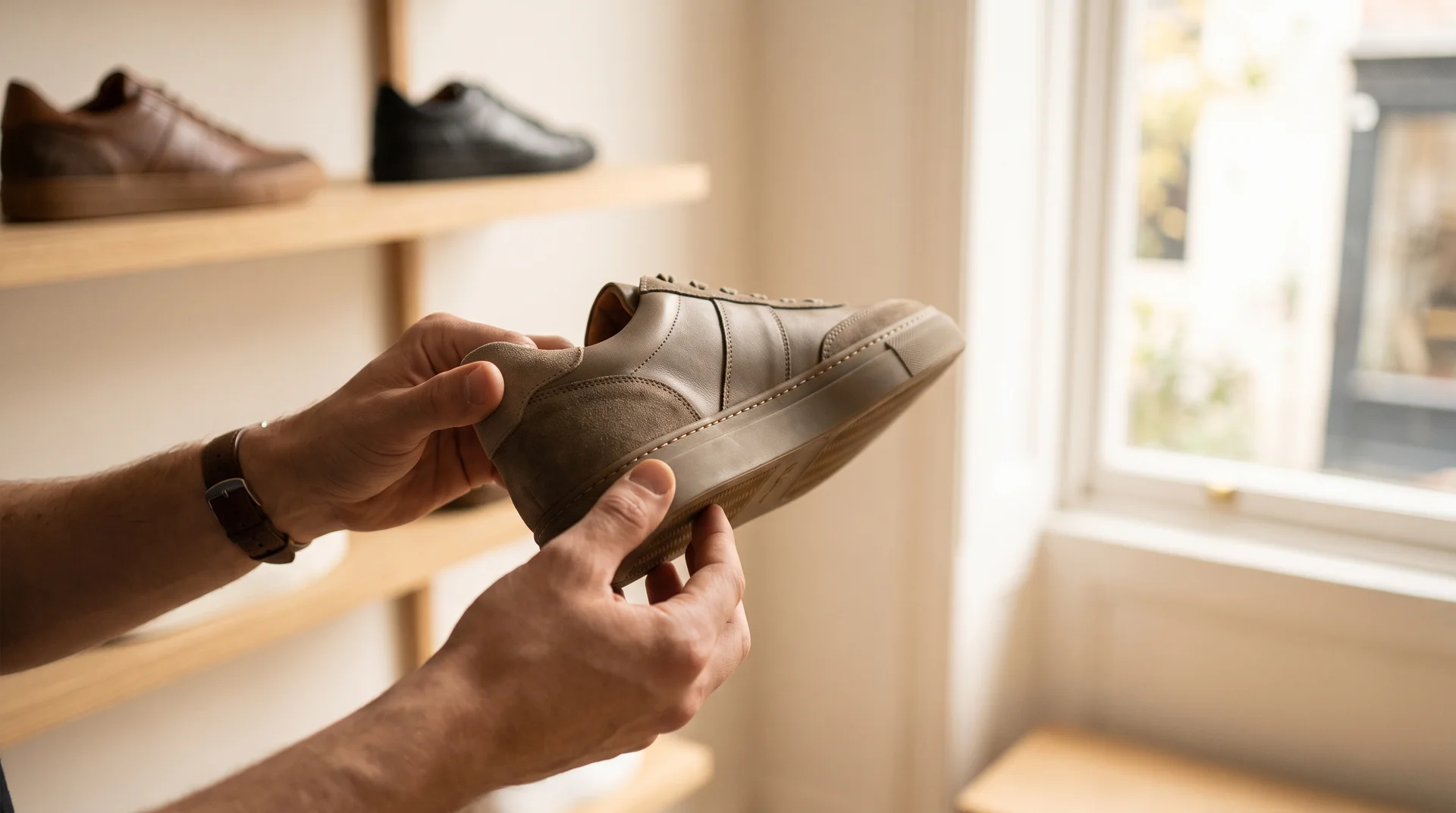
Comfort is directly related to material quality. Natural materials such as genuine leather and suede allow feet to breathe, while high-tech synthetic fabrics offer flexibility and lightness. The cushioning of the sole, anatomical fit of the insole (orthopedic support), and the overall weight of the shoe are details that make a difference in long-term use. Carefully reviewing product descriptions and supplier information regarding ergonomic benefits allows you to recommend suitable products to customers. On platforms like Bulkoon, you can examine products from trusted brands and verified suppliers to better understand quality standards.
Suitability for Intended Use
Customers seek shoes for specific needs: office, special events, weekend trips, or sports activities. Each scenario demands different functional features. For example, elegance and posture stand out in a Women's Heeled Shoe, whereas flexibility, ground grip, and shock absorption are essential technical aspects of a Men's Sports shoe. Defining categories for different uses when assembling your collection helps customers find what they need easily. This improves both sales potential and your store's expert image.
Consumer Psychology and Social Factors
Shoe selection is influenced by emotions and social factors as much as by rational decision-making. Brand perception, friend recommendations, and digital trends are powerful external forces shaping customers' final choices. Understanding these dynamics enhances your marketing and inventory strategies.
Brand Perception and Trust
Brands signal quality, style, and status to customers. Recognized and trusted brands reduce perceived purchase risk, serving as reassurance. However, brand isn't only about big names; your store's own brand can become a trust factor over time. Consistently offering quality products that meet expectations builds your brand reputation. Working exclusively with verified and trusted suppliers on platforms like Bulkoon helps you establish this trust firmly. Customers tend to revisit places where they had positive experiences.
The Impact of Social Proof and Recommendations
In today’s digital age, social proof is more important than ever. Customers read online reviews, check influencer recommendations, or observe what their friends wear before buying. Popular or positively reviewed models become magnets for other buyers. Therefore, monitoring which models are trending on digital platforms offers valuable insights on stock selection. Quickly responding to popular demand keeps you ahead in the competitive landscape.
Strategic Takeaways for Wholesale Buyers
Understanding customer behavior should translate into actionable strategies. This knowledge should directly influence your wholesale purchasing decisions, stock management, and ultimately profitability. Correctly reading consumer expectations paves the way for commercial success.
Right Assortment and Size Distribution
Analyzing customers’ aesthetic, comfort, and price expectations helps you build a balanced product assortment for your store. Providing variety that appeals to different customer profiles, rather than focusing solely on one style or price point, is important. Even more critical is offering the correct size distribution. In the Turkish market, sizes 37-38 for women's footwear and 41-42 for men's footwear are typically the best sellers. Neglecting these sizes in your collections can lead to lost sales and leftover unsold smaller or larger sizes. This directly impacts your stock costs and profit margins.
Seasonal Demand and Stock Turnover
Footwear is a category with strong seasonal dynamics. Demand for sandals and slippers rises in summer, whereas boots and high shoes dominate in winter. Understanding the customer’s decision mechanism helps you anticipate these seasonal fluctuations and plan stock accordingly. High stock turnover means faster capital conversion to cash and quicker investment in new trends. Ready stock models offered by platforms like Bulkoon provide flexibility to quickly respond to sudden demand spikes or popular models appearing mid-season. This allows you to make timely purchases based on demand without storing products that risk becoming obsolete.
Conclusion: Understanding Customers Is the Key to Success
Becoming a successful footwear retailer fundamentally means being a good customer analyst. Creating a collection that balances price-performance, fulfills aesthetic expectations, prioritizes comfort and functionality, and appeals to the psychological tendencies of your target audience forms the formula for sustainable success. Every wholesale purchasing decision should respond to this complex evaluation process of the end consumer. Strategically applying these insights enables you not only to sell footwear but also to build a loyal customer base. Managing this process with the right tools and a wide product range will help elevate your business to the next level.